
Earplugs for Loud Restaurants That Actually Work
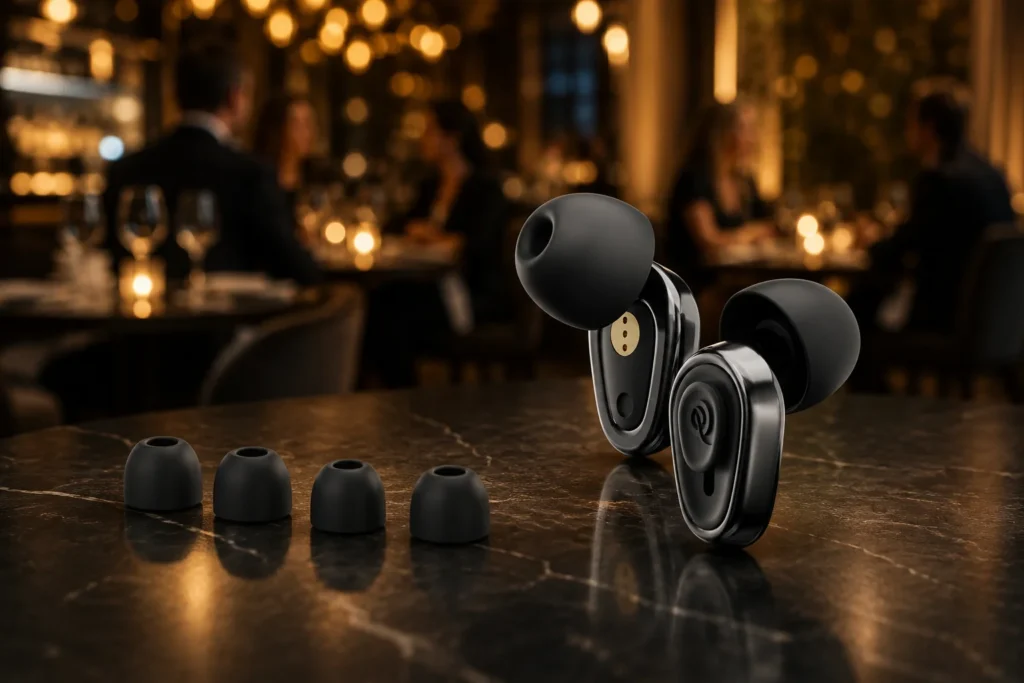
The table is booked, the food looks great, and then the room takes over. Cutlery clashes, coffee machines hiss, music thumps and three nearby conversations blur into one wall of sound. Earplugs for loud restaurants give you a way to turn that volume down without opting out of dinner, drinks or the people across the table.
This is not about making a restaurant silent. It is about taking the sharp edge off the noise so your brain is not working overtime to follow a conversation. The right pair can make a busy bistro, packed pub or open-plan dining room feel far more manageable – while keeping speech clear enough to stay part of the moment.
Why restaurants can feel so exhausting
Restaurant noise is rarely just loud in one obvious way. Hard floors, bare walls, glass, open kitchens and closely packed tables bounce sound around the room. Add music designed to create energy, and every voice has to compete for space.
For some people, that means leaving a meal with ringing ears or a headache. For others, it is the social effort that wears them down. When background noise masks parts of speech, your brain fills in the gaps. You lean forward, ask people to repeat themselves and lose the thread of the conversation. By dessert, a supposedly relaxing evening can feel like work.
Noise sensitivity, tinnitus, migraines and hearing differences can make this effect stronger, but you do not need a diagnosis to want more control. If you regularly leave loud venues feeling drained, your ears are giving you useful information.
What earplugs for loud restaurants should do
The best option for dining is usually not the strongest possible earplug. Heavy-duty foam plugs can be useful around machinery or for sleep, but they often muffle voices and make your own voice sound boomy inside your head. That is not ideal when the whole point of dinner is connection.
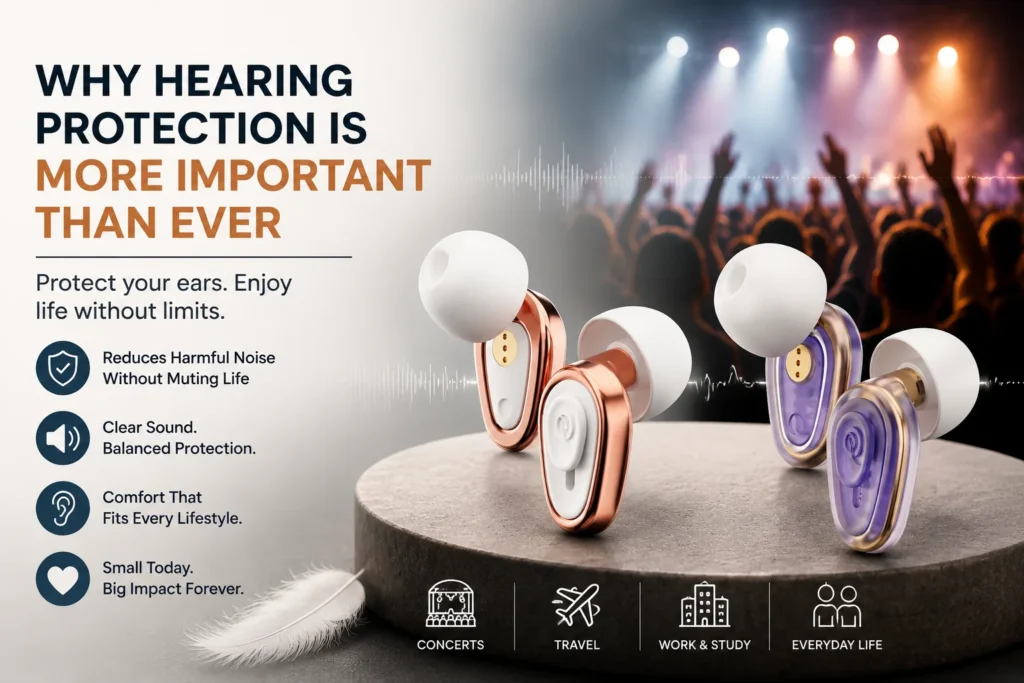
For restaurants, look for reusable, low-profile earplugs designed to reduce overall volume more evenly. They should soften harsh background sound while allowing you to hear speech, music and the atmosphere of the room at a safer, more comfortable level.
Think of it as volume control, not an off switch. You still want to hear your friend laugh, a server asking about allergies and the cue that your table is ready. You simply do not need every glass clink and shouted conversation arriving at full force.
Filters matter more than brute force
Filtered earplugs are often a better fit for social spaces because they are intended to preserve a more natural sound profile than basic foam. Results vary by product, fit and room acoustics, but the goal is consistent: less glare, less fatigue, more usable sound.
Do not choose based on the highest noise-reduction figure alone. A high rating may be valuable for very loud environments, yet too much reduction can leave a restaurant conversation feeling distant. Your ideal level depends on the venue and your sensitivity. A quiet neighbourhood café calls for a different approach from a busy Saturday night bar with live music.
Comfort decides whether you will use them
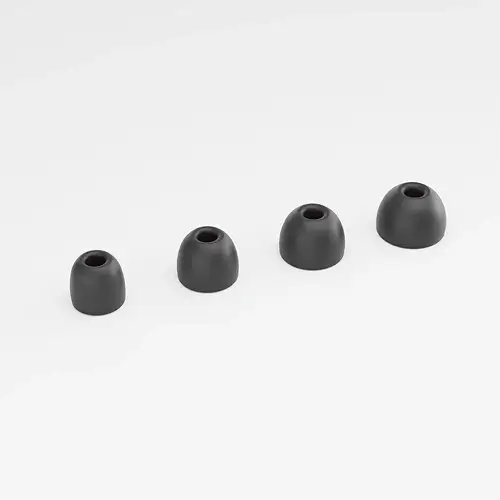
A pair of earplugs only helps when it is actually in your ears. Low-profile designs are easier to wear discreetly through a long meal, and multiple eartip sizes give you a better chance of finding a secure seal without pressure.
A correct fit should feel snug rather than forced. If an earplug aches, works loose when you talk or leaves one side noticeably louder than the other, try another tip size or reposition it. Small adjustments can change both comfort and performance.
How to wear them without losing the conversation
The first time you wear earplugs at a restaurant, test them in a familiar place. Put them in before the room gets overwhelming, rather than waiting until your ears already feel overloaded. Prevention beats recovery.
Once seated, face the person you are speaking with where possible. Visual cues such as facial expression and lip movement make conversation easier, especially in low light or busy rooms. Choose a table away from speakers, the bar, the kitchen pass and the main entrance if you can. Even with earplugs, location makes a difference.
There is no need to announce your earplugs unless you want to. A discreet pair can sit comfortably under your hair or be barely noticeable face-on. If someone does ask, keep it simple: you are taking the edge off the noise so you can hear them better. Most people understand immediately.
It may take a meal or two for your brain to adjust. Your own voice can sound different at first, and the room may feel unusually calm. Give yourself ten minutes before deciding whether the earplugs are right for you. If speech still feels too reduced, try a lower-filter option or a slightly different fit.
Choosing the right reusable earplugs
Your choice should start with the setting you use most. If restaurant visits are occasional and usually involve moderate background noise, a comfortable everyday filtered model is likely enough. If your plans often move from dinner to concerts, sporting events or busy nightlife, choose a versatile option built for stronger, variable noise.
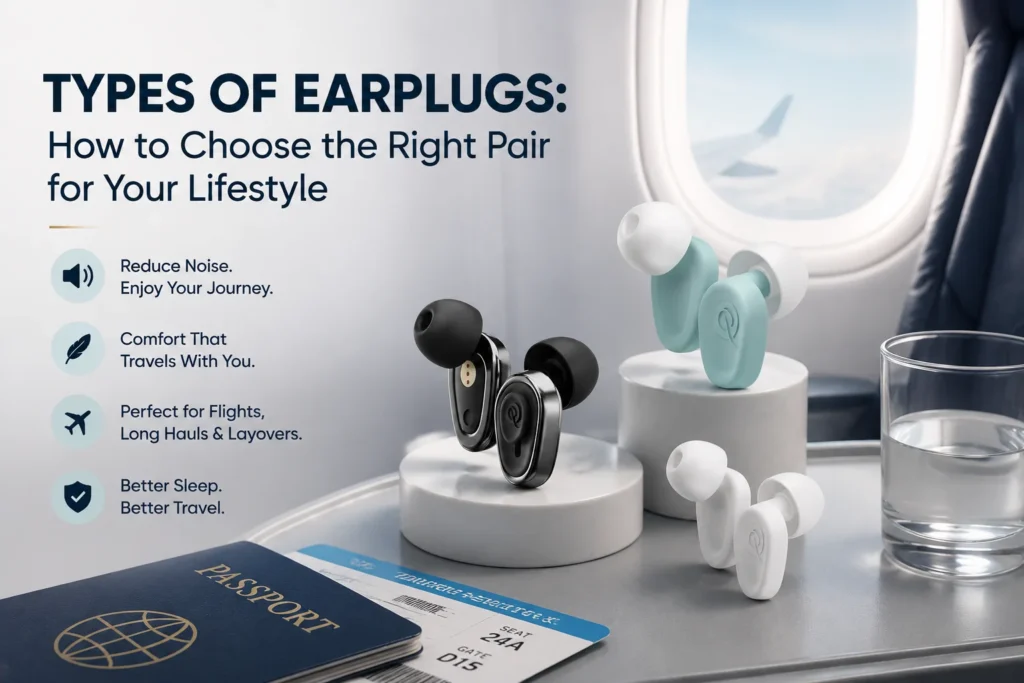
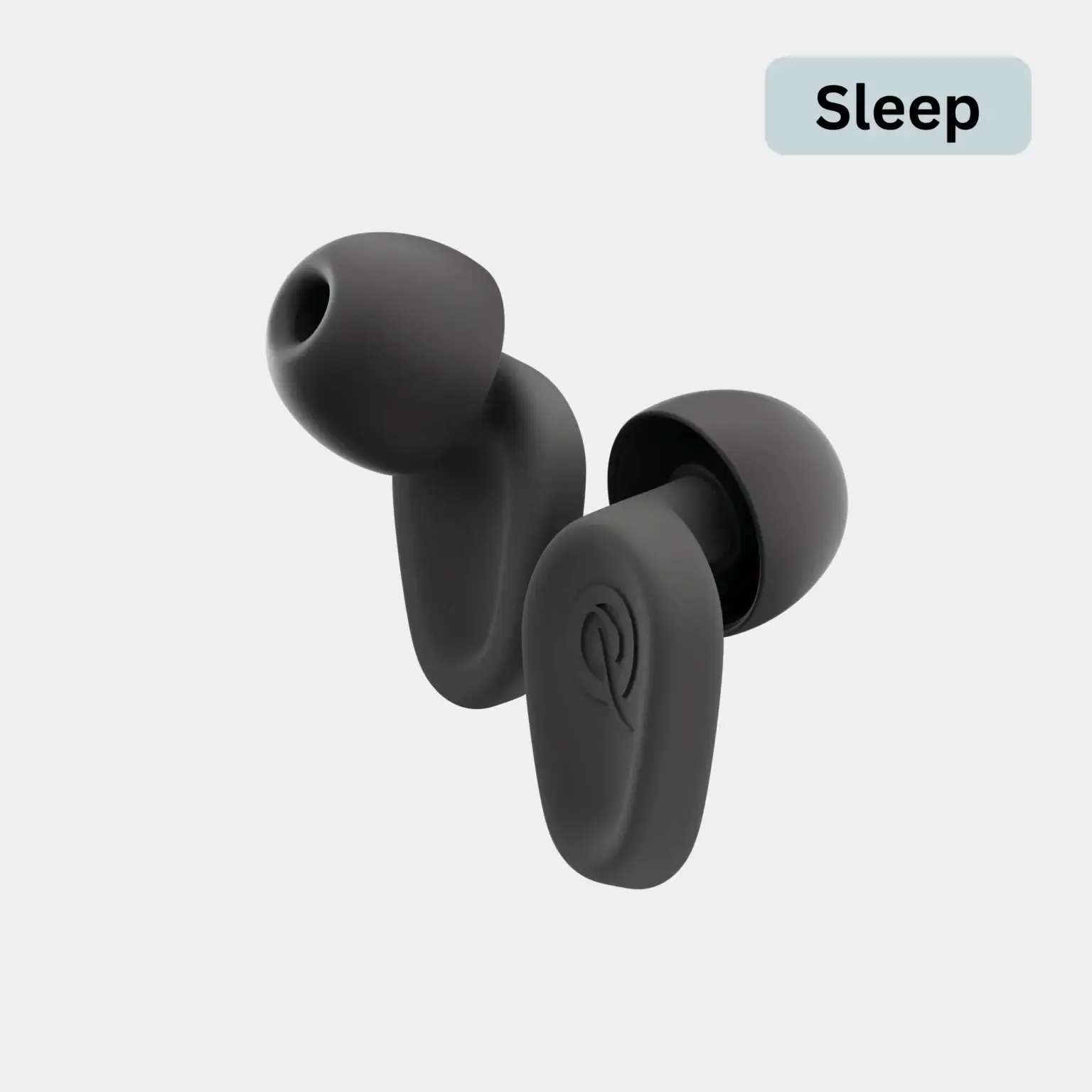
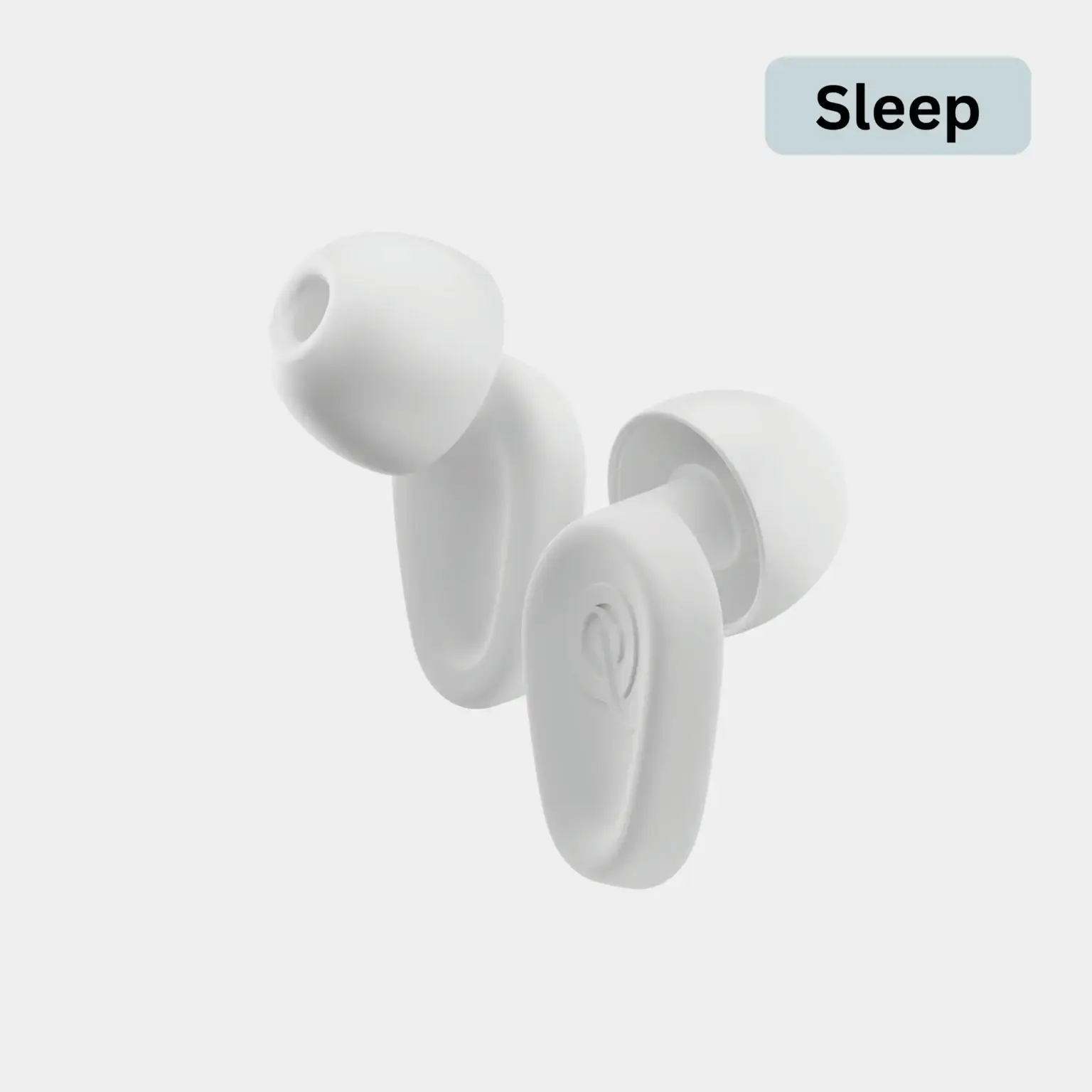
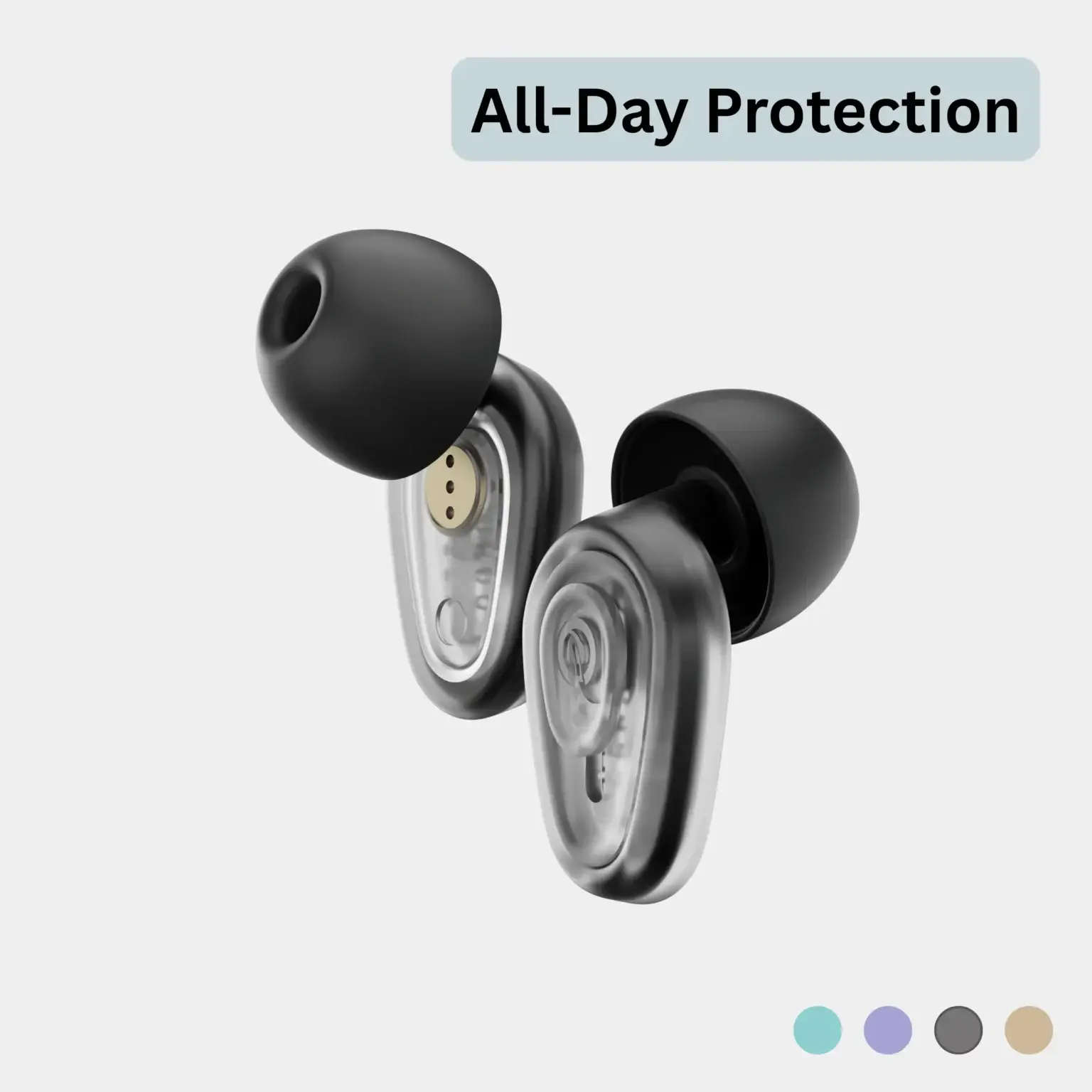
Prioritise a design that includes several eartip sizes, a protective case and durable, reusable materials. A case matters more than it sounds: earplugs tossed into a pocket or handbag collect lint quickly, and a pair left at home cannot help at the next noisy lunch.
Look for clear information about intended use and relevant safety standards. Certifications such as CE, EN 352 and ANSI can offer reassurance when a product is positioned for hearing protection, although the exact certification and rating should suit the model and use case. Comfort, fit and the ability to hear essential speech still belong at the centre of the decision.
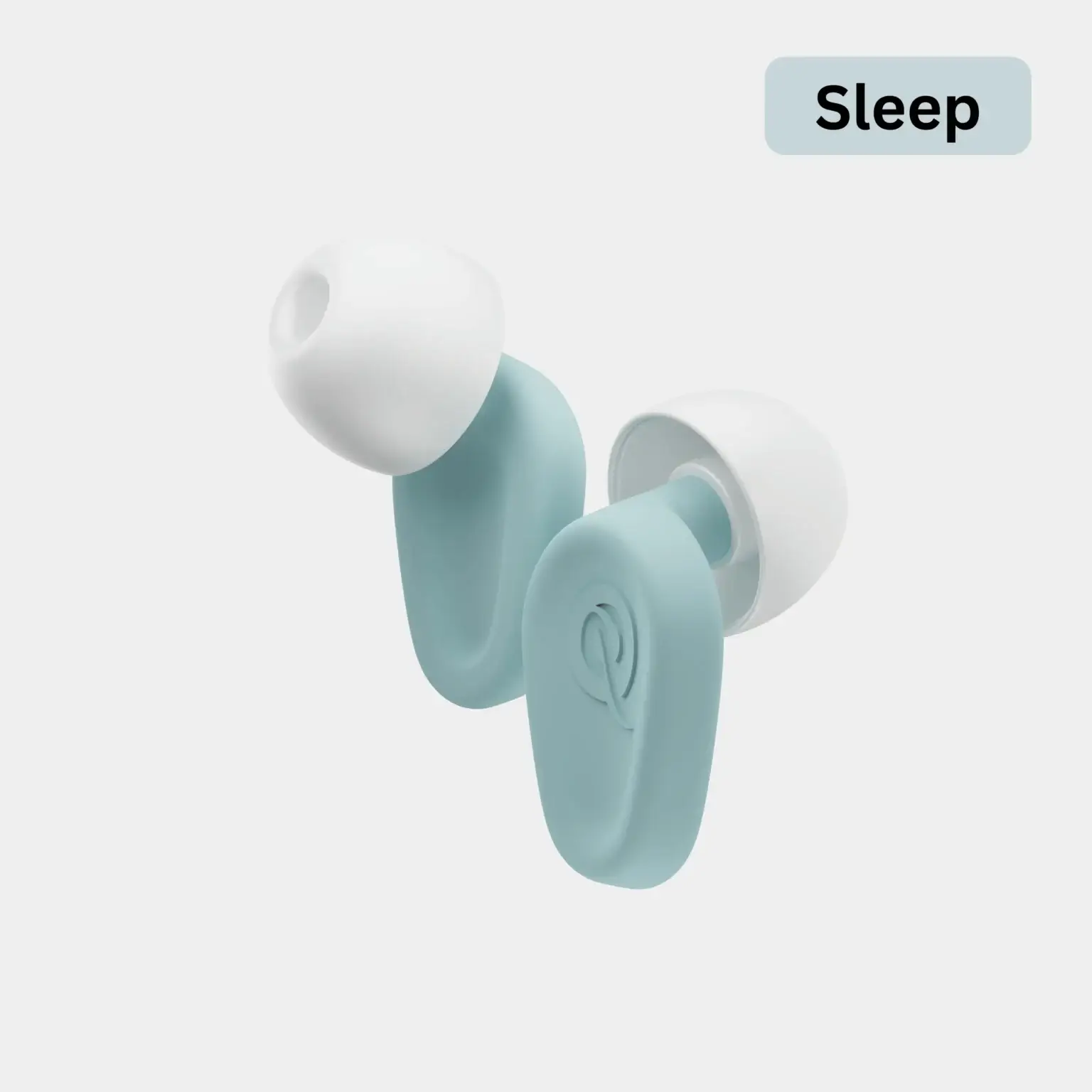
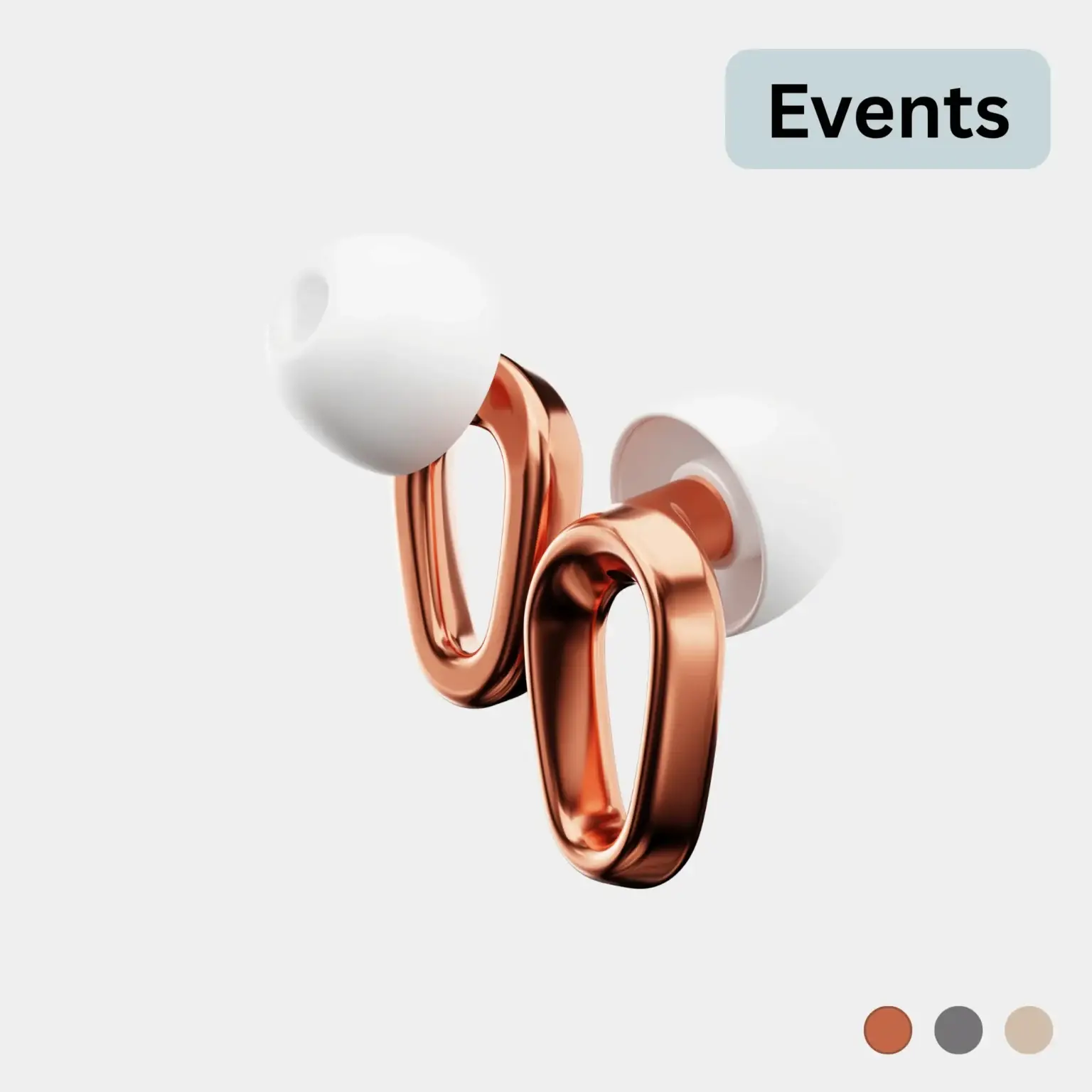
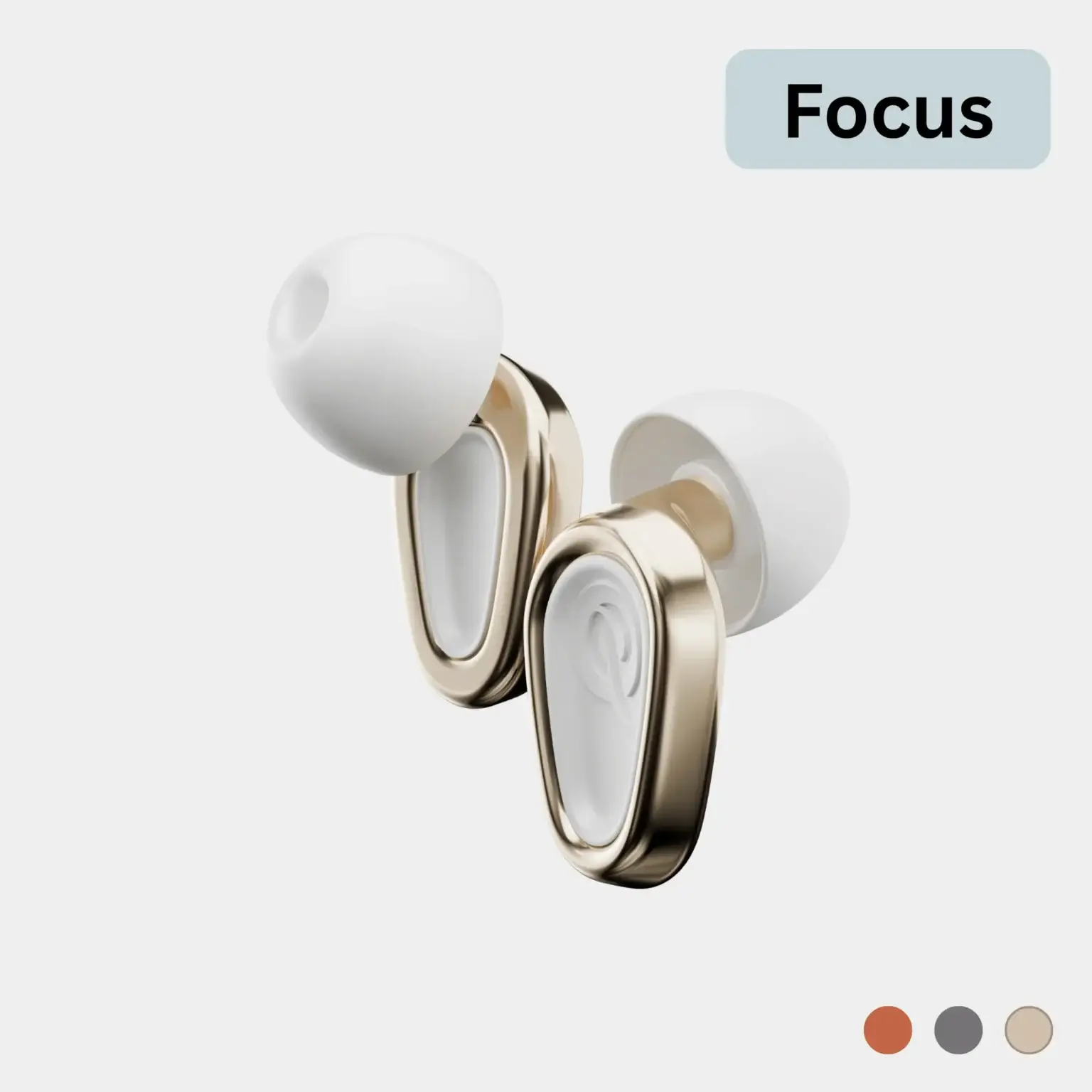
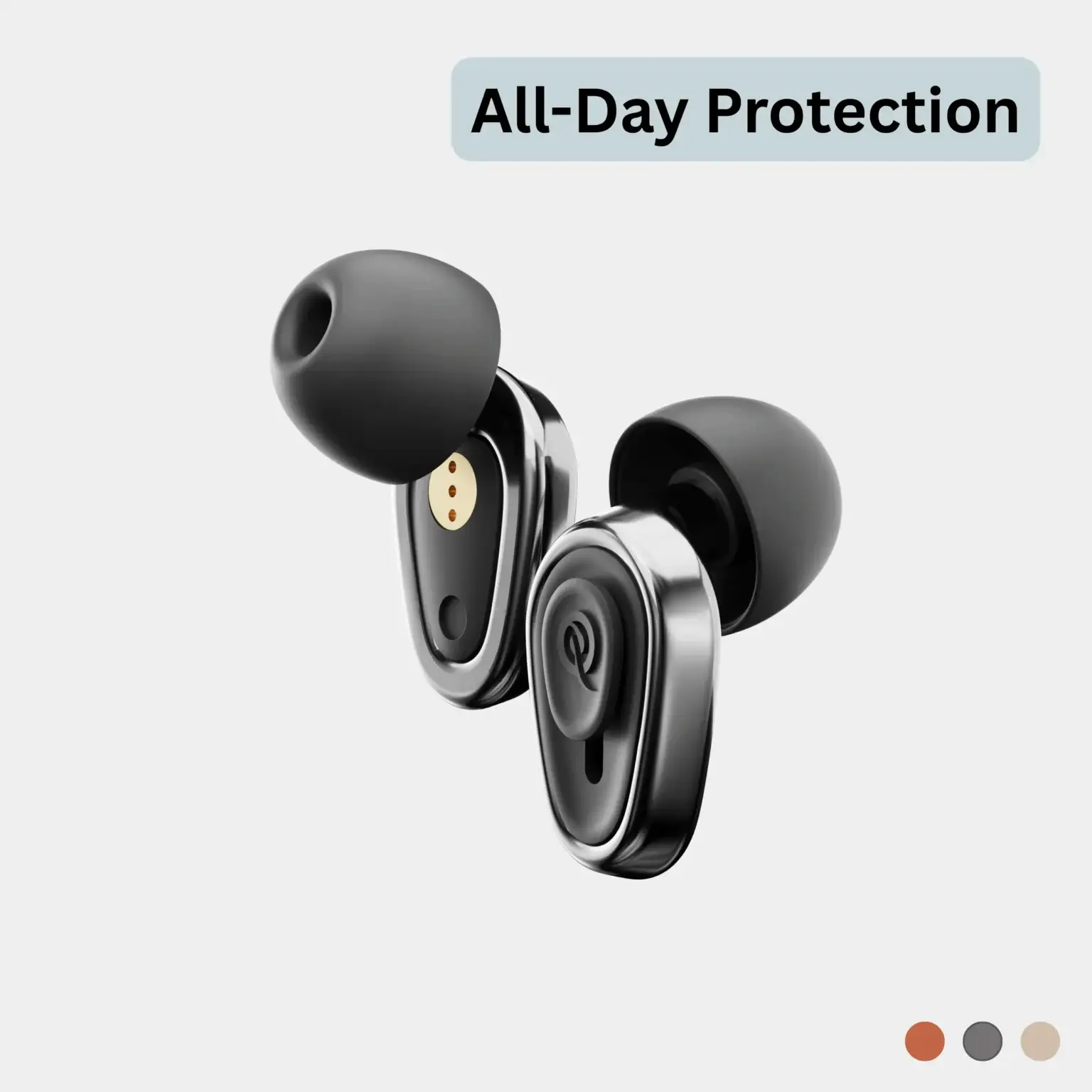
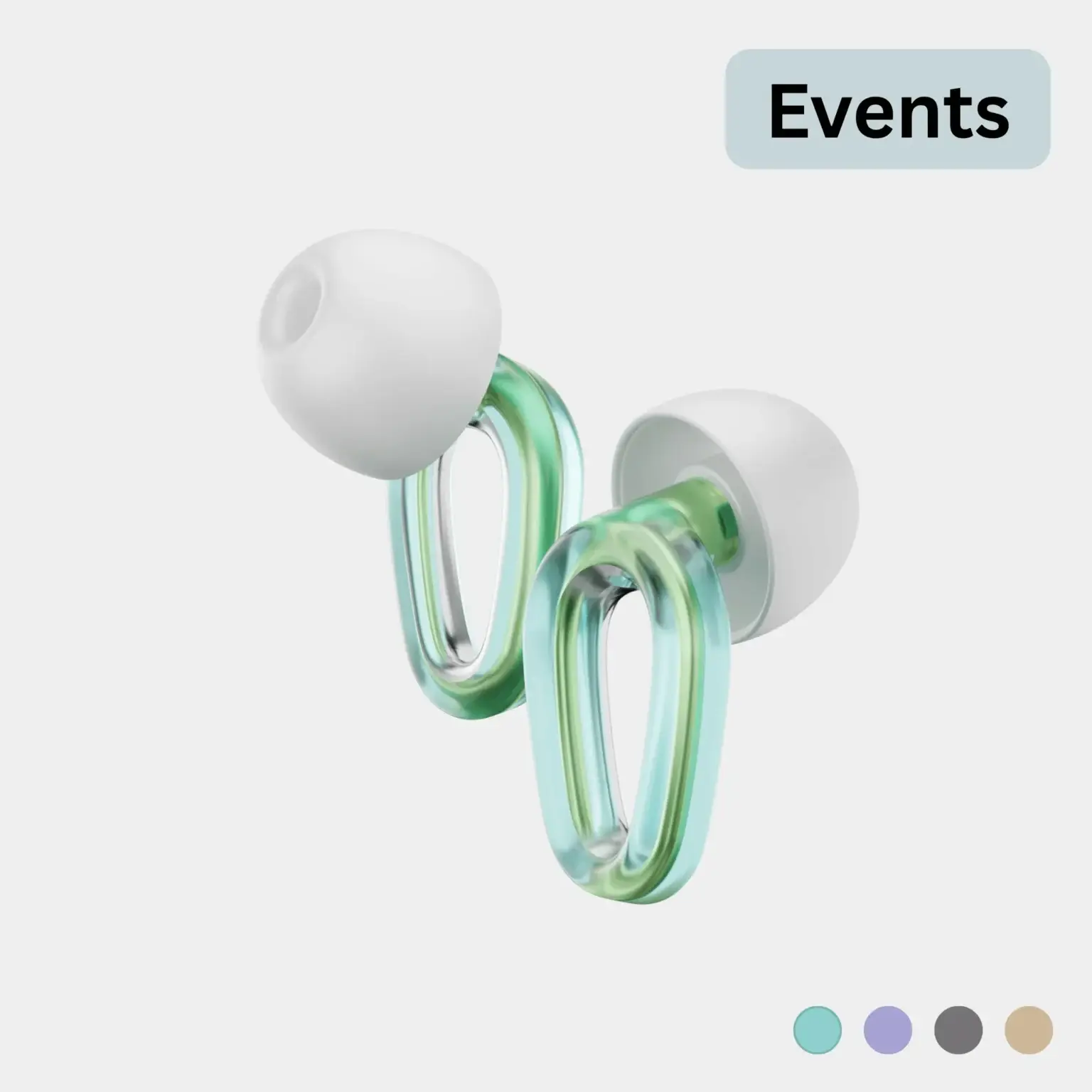
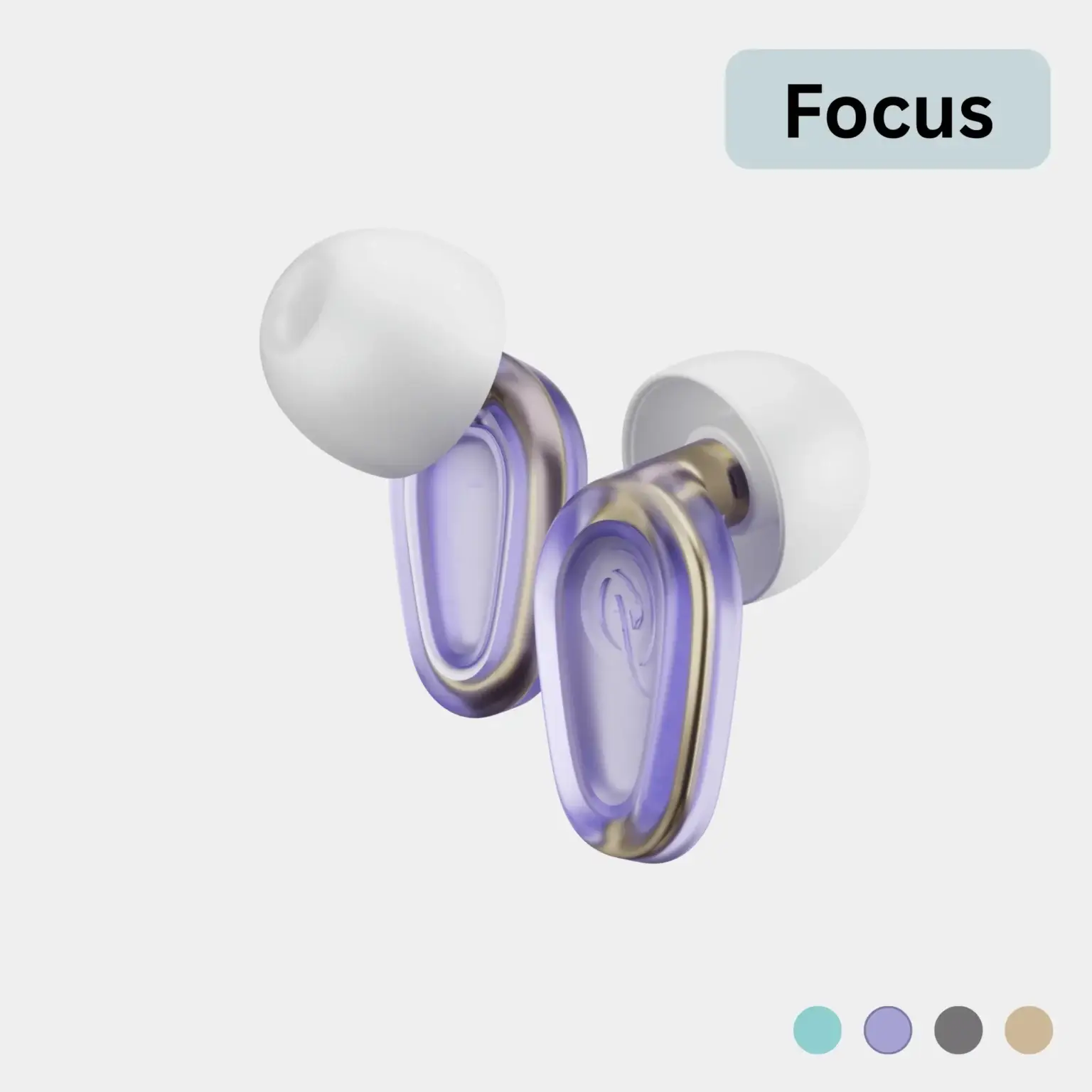
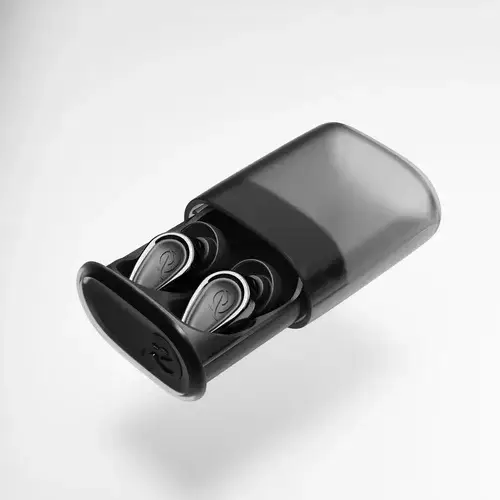
Earmuffz reusable earplugs are built around this practical balance: premium noise reduction in a low-profile format that supports everyday control, not social withdrawal.
When earplugs are not the whole answer
Earplugs can make a loud restaurant easier, but they cannot fix every acoustic problem. If you are struggling to understand speech even in relatively quiet settings, or finding that sound feels painful, distorted or persistently overwhelming, consider speaking with an audiologist or hearing-care professional. Sudden hearing changes, ongoing ringing or ear pain deserve prompt attention.
It also helps to build a few low-effort habits around your plans. Book earlier when rooms are quieter, ask for a corner table with soft furnishings nearby, and take a short step outside if your system needs a reset. These are not fussy requests. They are smart ways to protect your energy.
For meals with someone who has hearing loss, do not rely on earplugs alone. Better lighting, a seat with their back to the main noise source and clear face-to-face conversation can all help. The goal is not to make anyone work harder to be included.
Make the night feel like yours again
A loud room should not decide whether you can enjoy a birthday dinner, a first date or a spontaneous pint after work. The right earplugs let you keep the buzz while losing the strain. Carry them in your everyday kit, use them before the noise peaks and give yourself permission to choose comfort. You can still be fully present – just at a volume that works for you.