
Earplugs Versus Earmuffz: Which Fits Your Day?
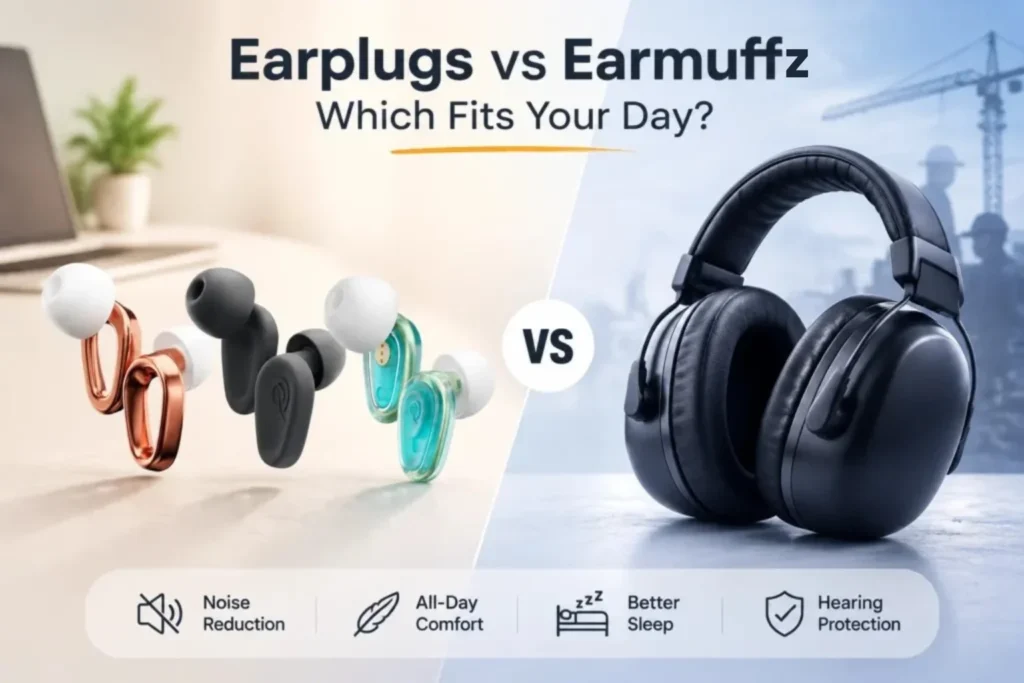
The right noise control should not force you to choose between protecting your hearing and getting on with your day. That is the real question behind earplugs versus Earmuffz. One sits discreetly in your ears; the other creates a protective seal around them. Both can reduce harmful or distracting sound, but they perform very differently when you are commuting, concentrating, sleeping, riding or standing near festival speakers.
The best choice is rarely about which option is universally stronger. It is about the noise you face, how long you need to wear protection, and whether comfort will make you keep using it. Total volume control starts with a fit that works in real life.
Earplugs versus Earmuffz: the key difference
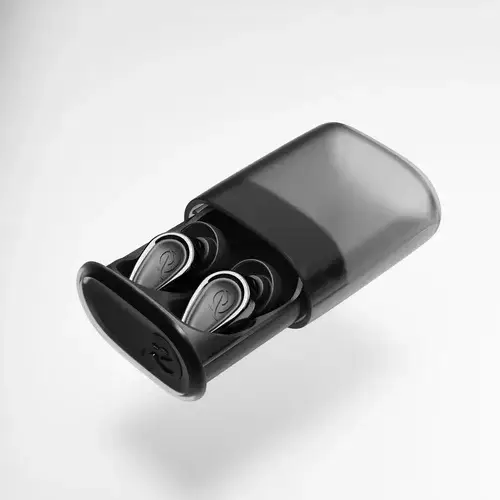
Earplugs fit in the ear canal or at its entrance, depending on their design. They reduce sound before it reaches the ear, usually with a low-profile shape that is easy to carry and wear under helmets, hats or headphones. Reusable models are designed for repeat use, making them a practical everyday option for people who want a consistent response to noisy environments.
Earmuffz cover the whole outer ear with cushioned cups. Their headband applies pressure to keep the cups sealed against the side of the head. This familiar design is common on building sites, shooting ranges and other high-noise workplaces because it is visible, quick to put on and easy to remove.
Both products are rated for noise reduction when they meet the relevant standards, but no rating tells the whole story. A brilliantly rated earplug that is uncomfortable or poorly fitted may offer less real-world benefit than a lower-rated option you wear correctly every time. The same applies to Earmuffz with broken cushions, hair trapped under the seal or glasses arms that create a gap.
When earplugs make more sense
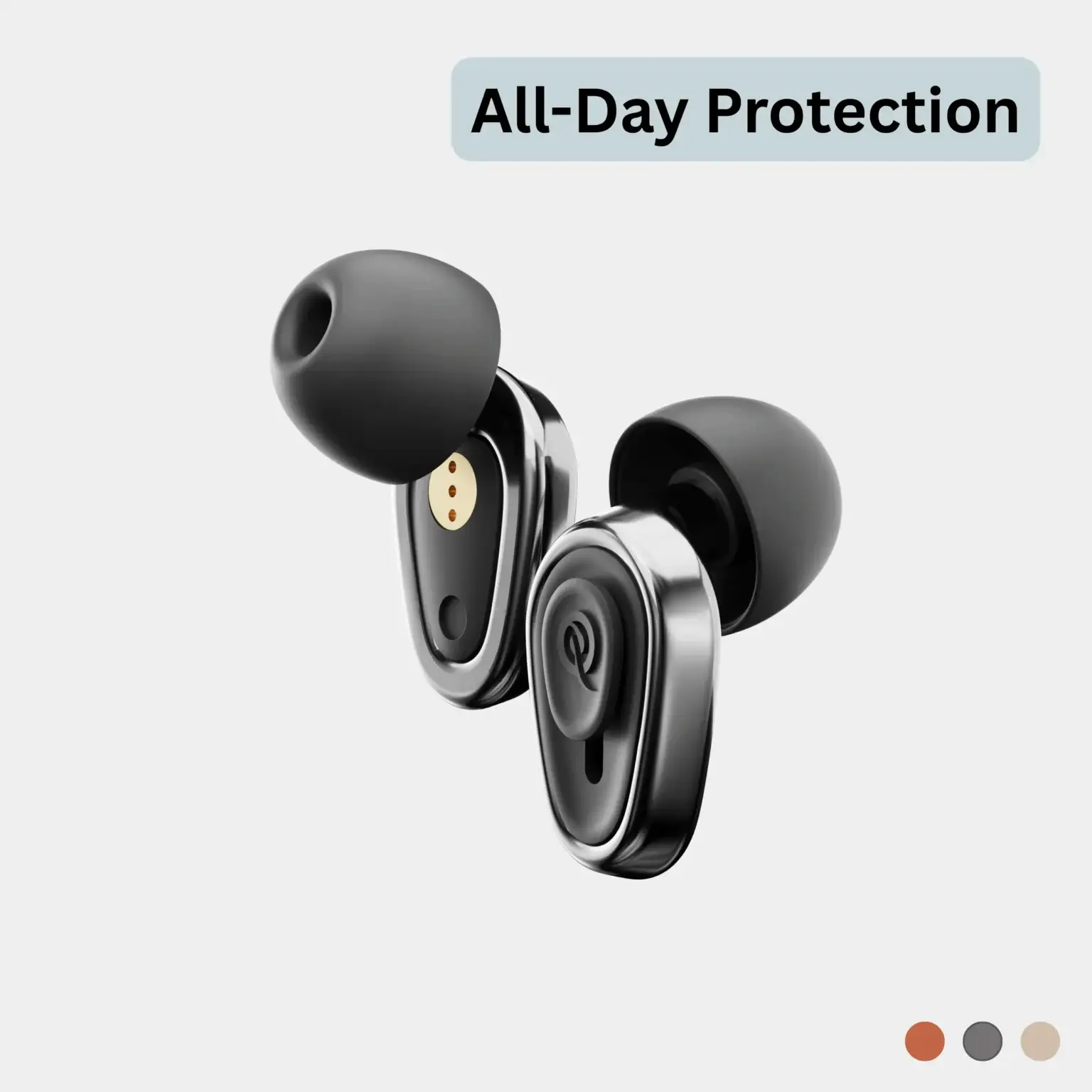
Earplugs are built for movement, discretion and long wear. If your day changes pace often, that matters. You might take the train to work, focus in an open-plan office, stop at the gym, then meet friends at a busy restaurant. Bulky hearing protection can feel out of place in these moments. A compact reusable earplug can stay close at hand, ready when the volume rises.
For focus without leaving the room
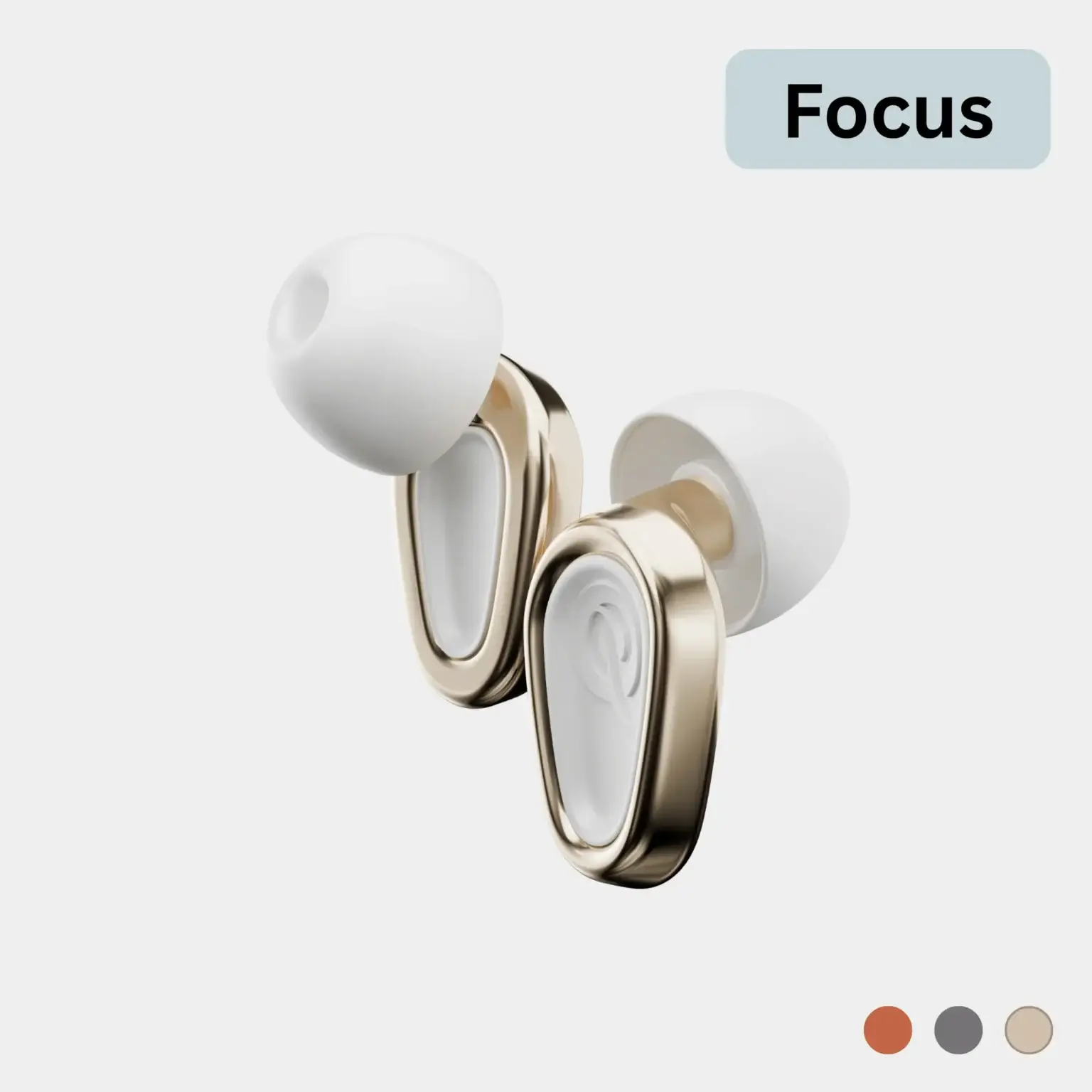
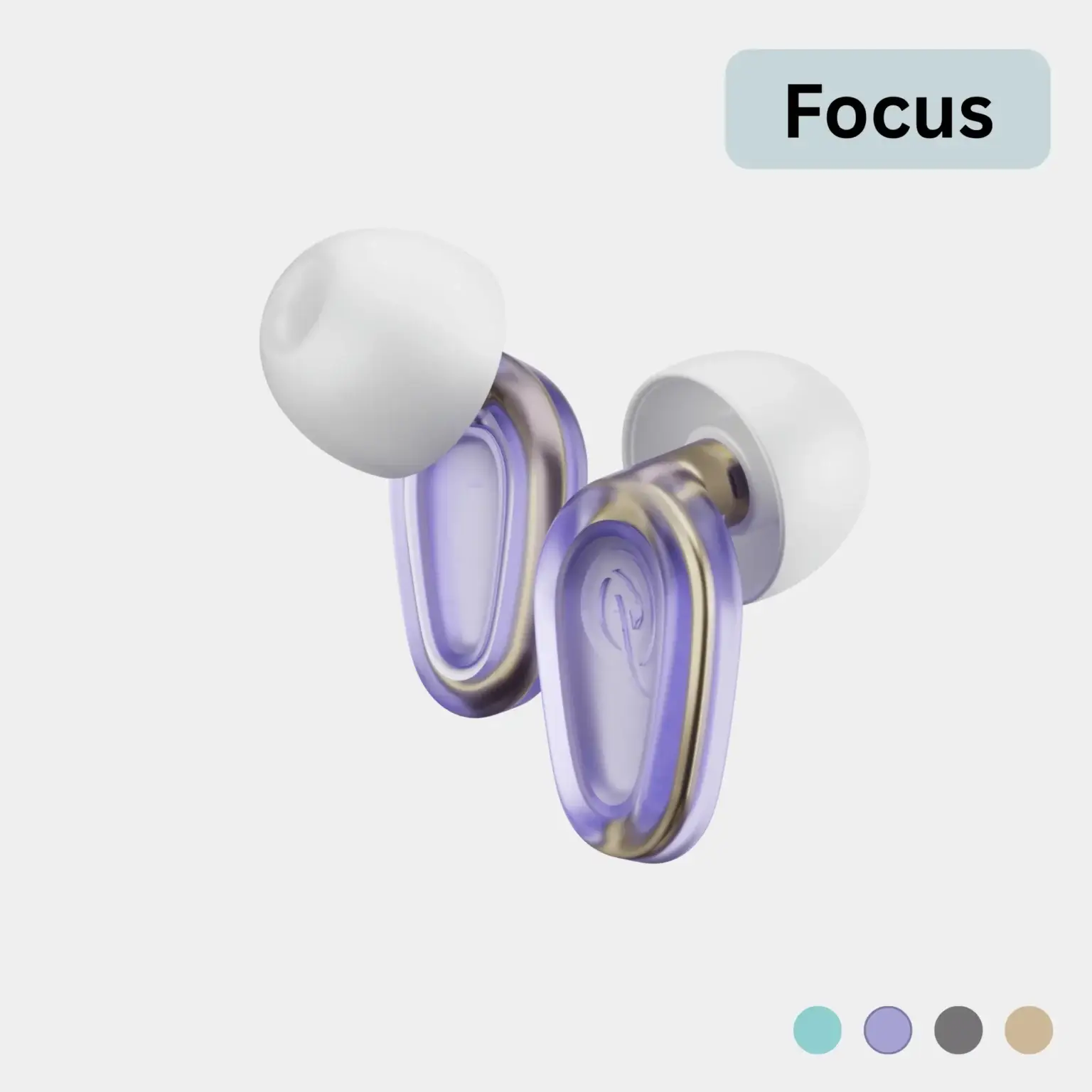
Constant office chatter, keyboard noise and calls from nearby desks can drain energy even when sound levels are not dangerous. Earmuffz may cut out too much sound and can look impractical in a collaborative workplace. Earplugs offer a more subtle way to take the edge off distractions while allowing you to remain present.
The goal is not silence. It is reducing the background noise that steals attention. If you need to hear a colleague, an announcement or your own music at a sensible level, choose earplugs designed for controlled everyday reduction rather than maximum industrial attenuation.
For sleep, travel and shared spaces
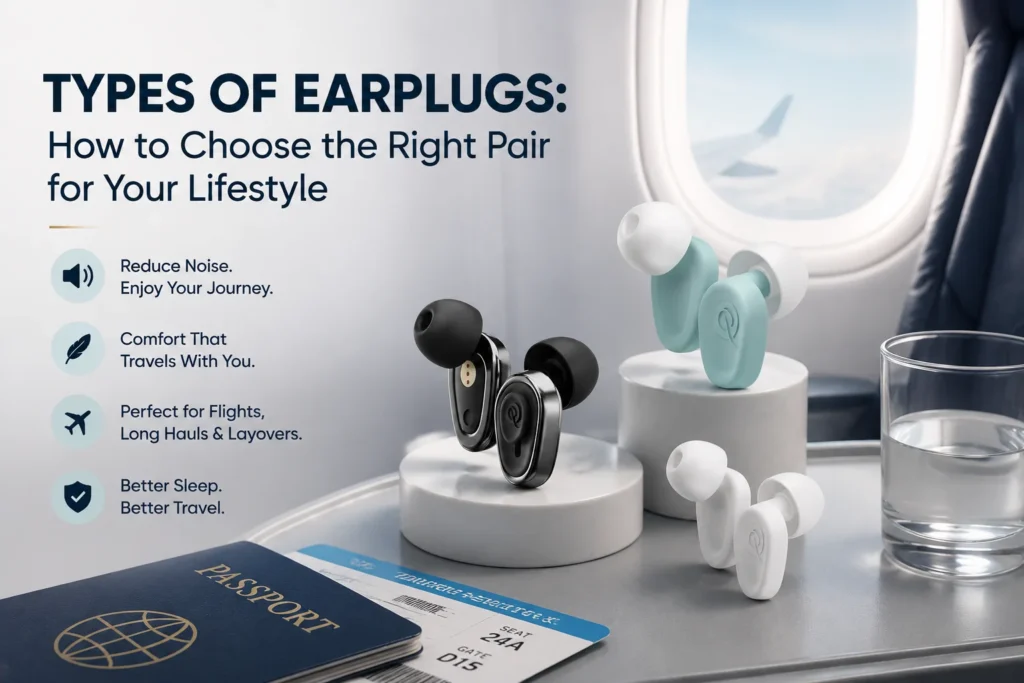
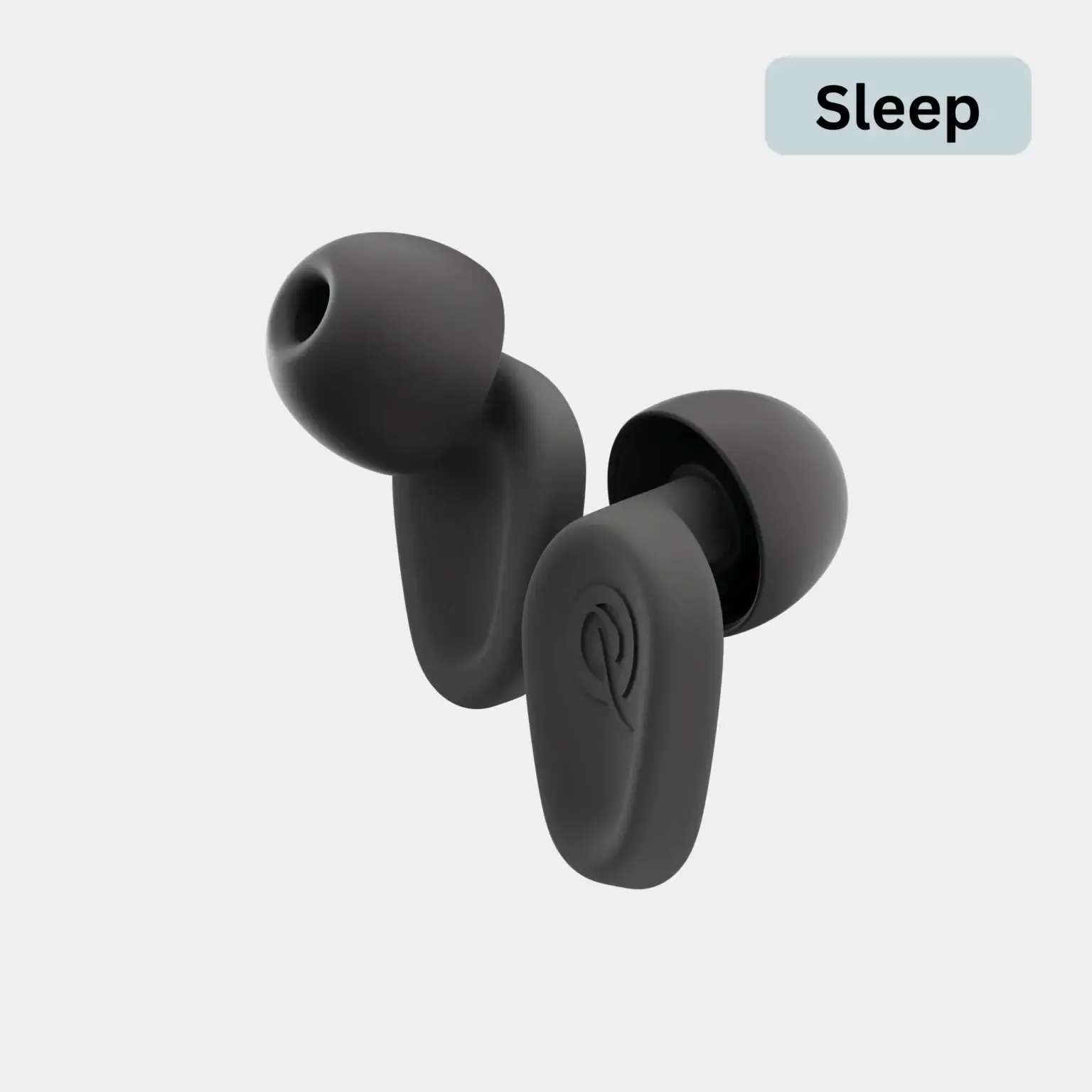
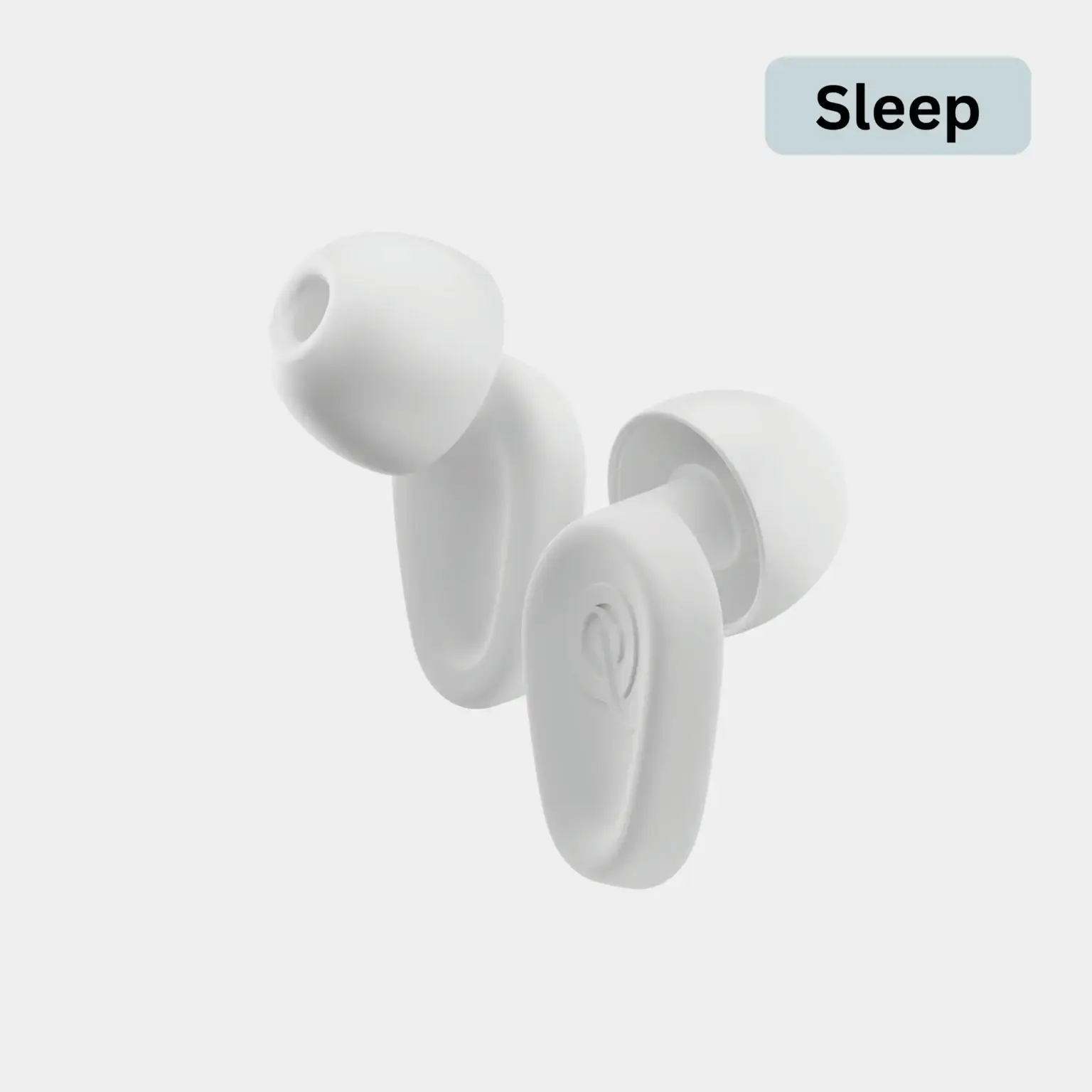
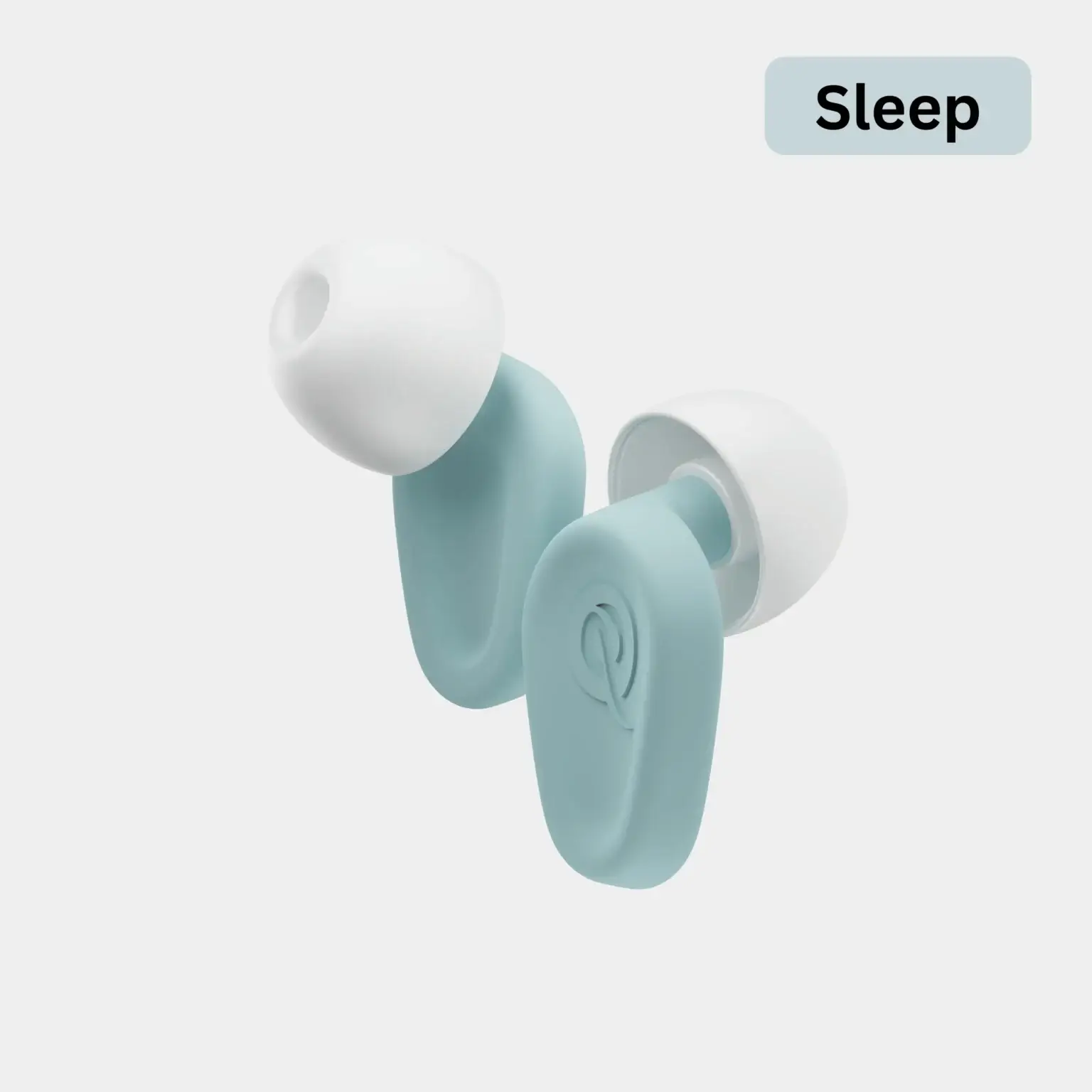
Sleeping in Earmuffz is impractical for most people. The headband can create pressure points, the cups add bulk, and side sleepers may find them impossible to wear. Soft, low-profile earplugs are the better match for bedtime, hotels, flights and noisy neighbours.
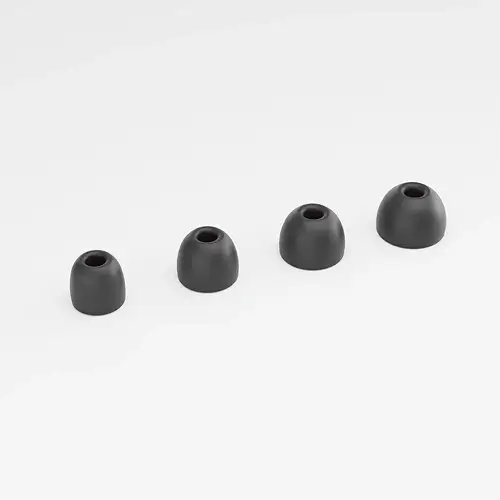
Fit is especially important here. An earplug should feel secure but not painful. Multiple eartip sizes are valuable because ears are not one-size-fits-all. The right tip creates a reliable seal without the urge to remove it at 3 am.
For helmets, events and daily carry
Motorcyclists, cyclists and commuters often need hearing protection that works beneath a helmet. Earmuffz simply cannot do that. Earplugs can reduce wind noise and road roar while taking up almost no space in a pocket or case.
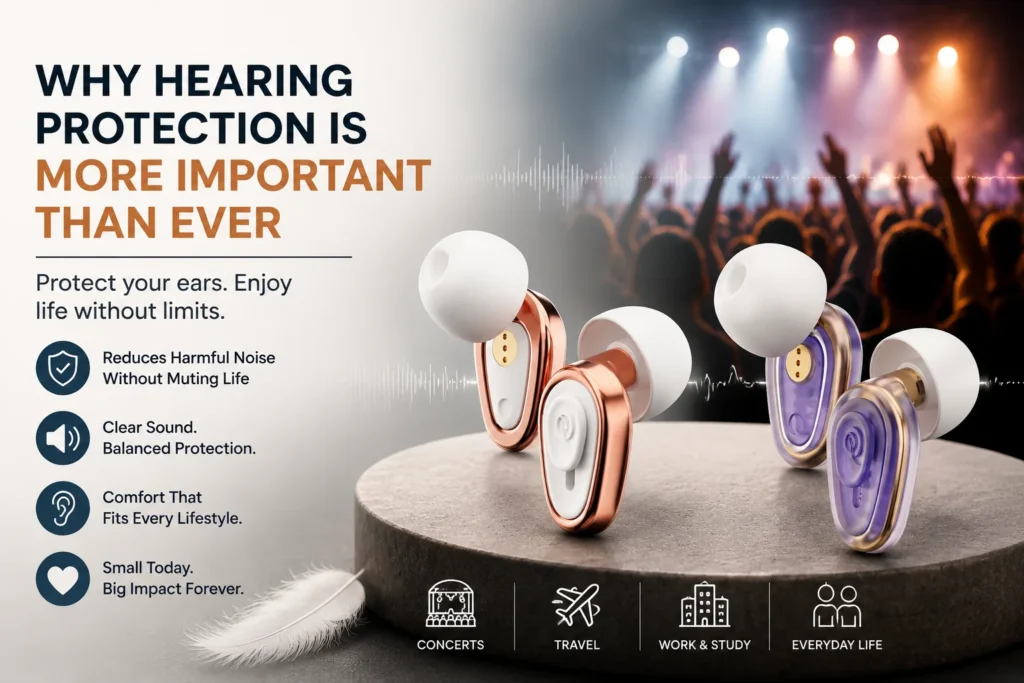
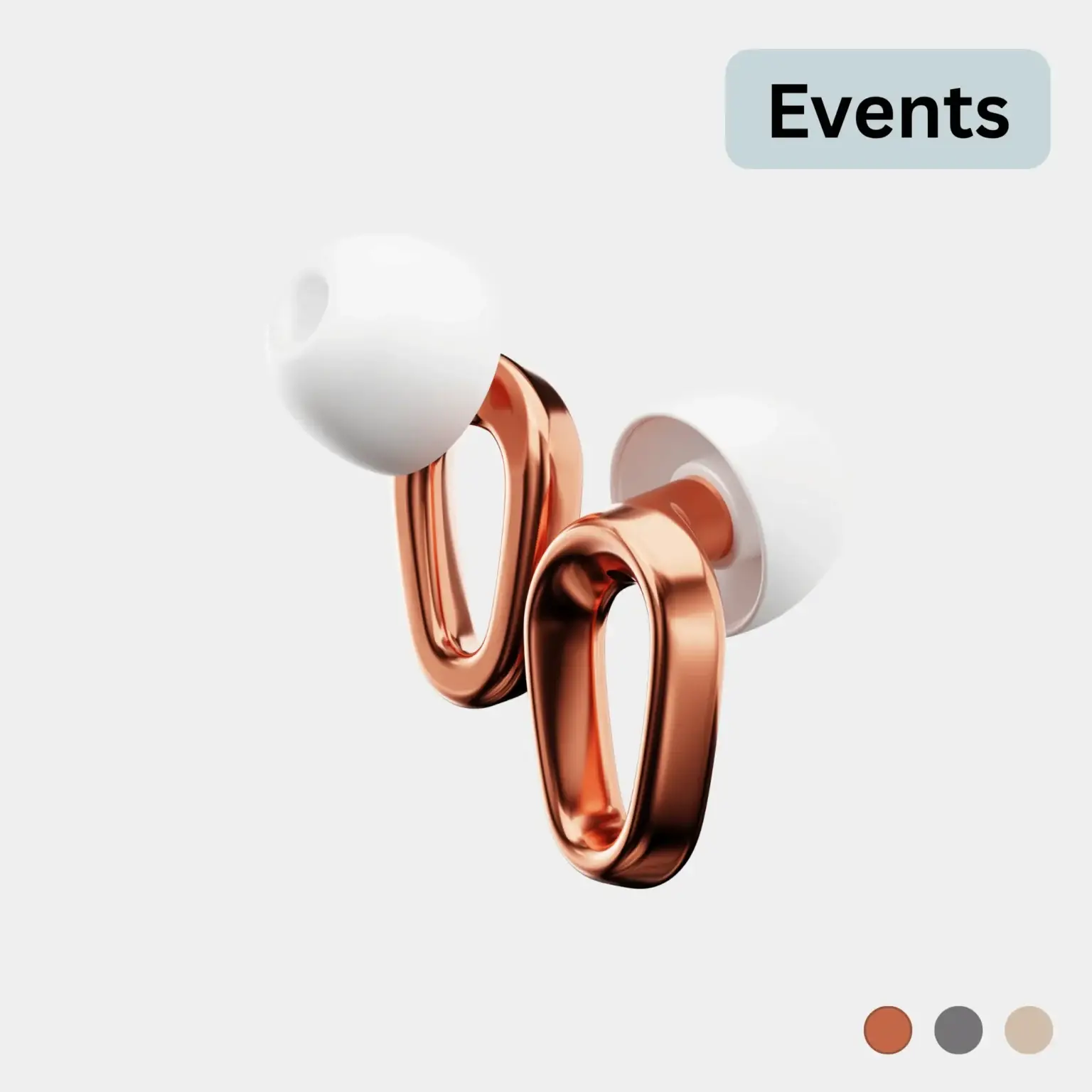
At concerts and sporting events, reusable earplugs also offer a smarter balance than stuffing tissue in your ears or enduring ringing afterwards. You can still enjoy the atmosphere, music and shared moment, just at a more manageable volume. If tinnitus or noise sensitivity is part of your life, having a discreet pair with you can make spontaneous plans feel possible again.
When Earmuffz are the stronger choice
Earmuffz have clear advantages in certain settings. They are fast to put on, which is useful where staff need to move in and out of loud areas regularly. They are also easy for supervisors to spot, and their simple visual presence can reinforce safe behaviour in a noisy workplace.
For very loud, short-duration tasks, well-fitted Earmuffz can be an excellent solution. Think power tools, machinery, grounds maintenance or DIY jobs where you want obvious protection that can be lifted off between tasks. They are also often easier for occasional users, as there is less technique involved than fitting an earplug correctly.
However, their size creates trade-offs. Earmuffz can trap heat, interfere with helmets or eyewear, feel awkward on public transport, and become tiring over a long shift. The ear cushions also need care. Dirt, ageing foam and cracked sealing surfaces can compromise comfort and performance.
Cold weather can change the equation too. Earmuffz provide a little warmth, while earplugs do not. In hot conditions, many people prefer the lighter feel of earplugs. Your environment matters as much as the stated noise reduction.
Protection ratings: read beyond the headline number
Do not buy hearing protection based only on the biggest number on the box. Ratings are measured under controlled conditions, and actual protection depends on the seal, fit and use. A gap around an earmuff cup or a shallow earplug insertion can greatly reduce effectiveness.
For work, follow the risk assessment and hearing protection requirements set by your employer. Products certified to recognised standards, such as CE, EN 352 and ANSI where applicable, provide useful assurance that they have been tested for their intended purpose. But certification does not replace correct wear or safe working practice.
For leisure, think about exposure rather than chasing total silence. A live gig, a motorbike ride and a busy flight each create different challenges. You may need a level of reduction that keeps sound comfortable while preserving situational awareness. In other cases, such as operating loud equipment, maximum appropriate protection is the priority.
Never use music or phone audio to mask dangerous noise. Turning the volume up through headphones in a loud place can add to your exposure rather than solve the problem.
Comfort decides what you will actually wear
The most effective hearing protection is the protection you will use consistently. That sounds obvious, but it changes how you should shop.
If you dislike pressure around your head, wear glasses, have long hair or need protection under a helmet, Earmuffz may become frustrating quickly. If you do not like the sensation of something in your ear, or need to remove protection repeatedly with gloves on, earmuffs may feel more natural.
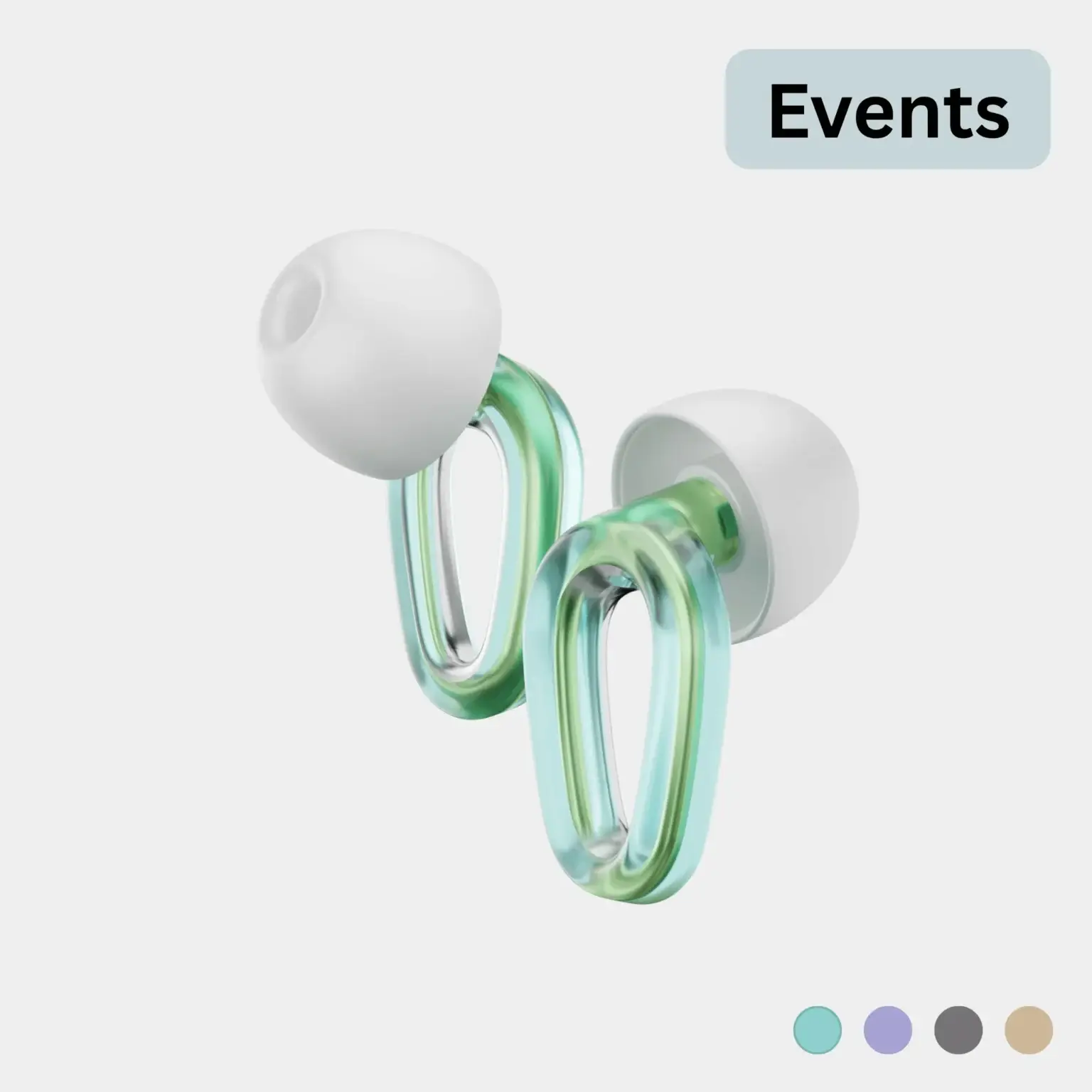
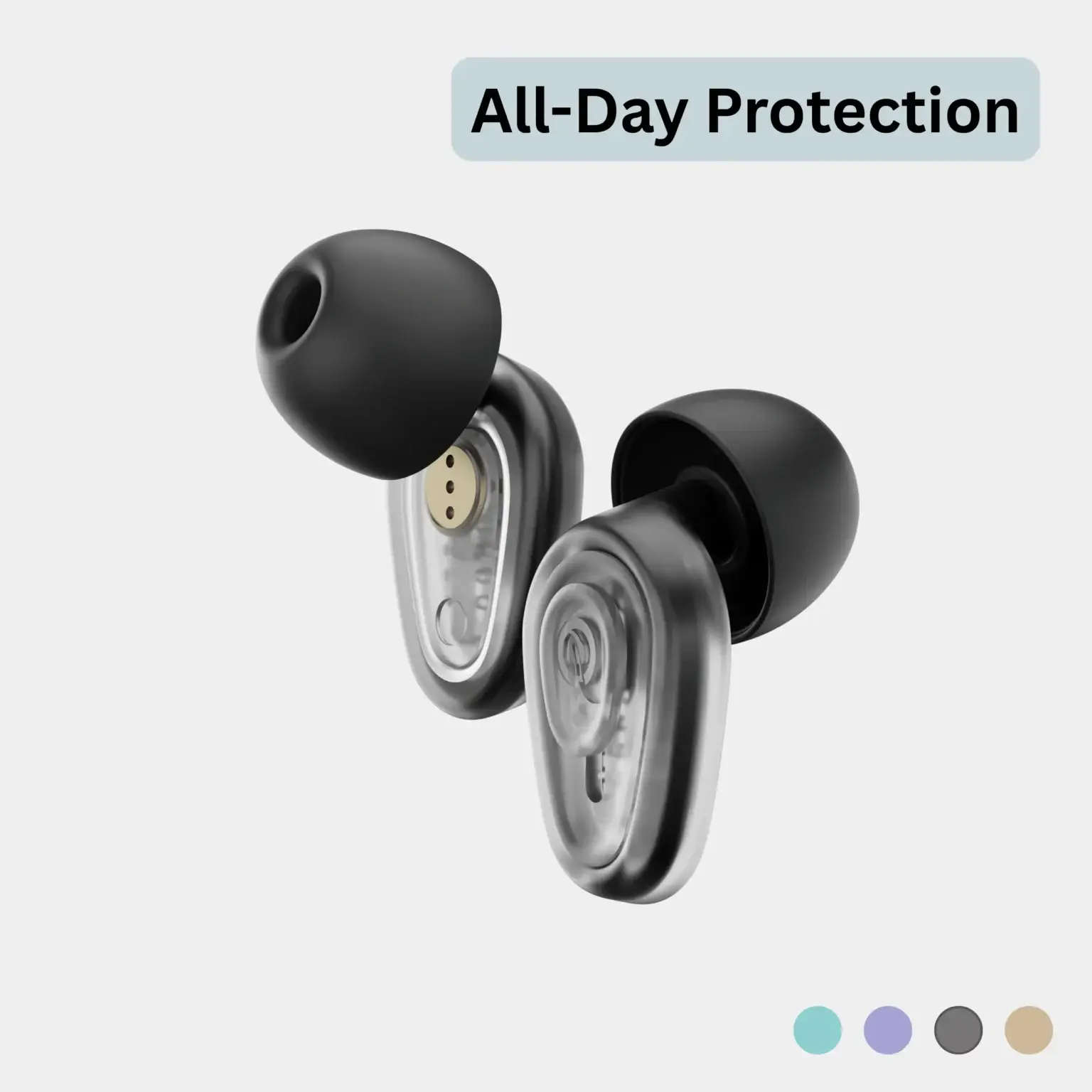
Reusable earplugs reward a little initial experimentation. Try the eartip sizes, learn the fit, and wear them for short periods before relying on them all day. Once you find a comfortable seal, they can become as routine as carrying keys. Earmuffz designs its reusable range around this low-profile, comfort-first approach, with options for sleep, focus, travel and higher-noise moments.
Keep either option clean and in good condition. Wash reusable earplugs according to their care instructions, store them in a protective case, and inspect earmuff cushions and headbands for wear. Hearing protection is personal equipment, not something to neglect at the bottom of a bag.
Can you wear earplugs and Earmuffz together?
Yes. In exceptionally loud environments, using earplugs beneath Earmuffz can provide additional protection. This is known as double protection, and it is often used for high-impact noise or tasks with extreme sound levels.
It is not necessary for ordinary commuting, office work or sleeping. Wearing both can be hot, restrictive and may make communication more difficult. Use it when the risk calls for it, not as a default response to everyday sound.
Choose for the moment, not the label
Choose Earmuffz when you need visible, easy-on protection around machinery or during occasional loud tasks. Choose reusable earplugs when your priority is all-day comfort, portability, helmet compatibility, sleep support or discreet noise control on the move.
You do not have to make every environment silent to feel better in it. A well-chosen pair lets you lower the noise, protect your attention and keep your plans on track. That is the kind of control worth carrying with you.