
How to Wear Earplugs Correctly for Comfort
A great pair of earplugs should not feel like a compromise. They should take the edge off a noisy train, a busy office, a neighbour’s late-night playlist or the relentless early-morning birds – without pinching, slipping out or making your own voice feel unbearable.
That result starts with fit. Learning how to wear earplugs correctly is the difference between useful noise control and a frustrating accessory you leave in its case. The goal is not to force an earplug as far in as possible. It is to create a comfortable seal at the entrance of the ear canal, using the right tip size and the right technique for the type of plug you wear.
Why the fit matters more than you think
Earplugs work by reducing the sound that reaches your eardrum. If there is a gap around the tip, sound can travel through it. Even a premium earplug cannot perform as intended when it is sitting loosely in the outer ear.
A correct fit also changes comfort. A plug that is too large may create pressure, soreness or a blocked-up feeling. One that is too small may work its way loose when you talk, chew, run for the bus or turn over in bed. The sweet spot is secure, low-profile and easy to forget.
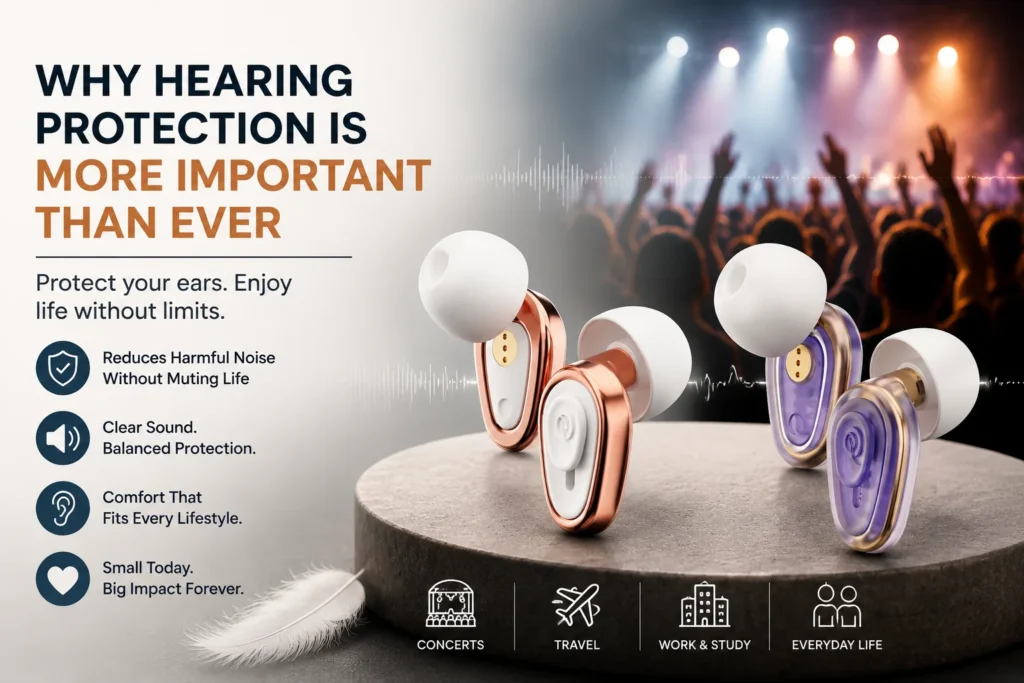
Noise reduction is never about making the world disappear completely. For commuting, work, concerts and parenting, many people prefer filtered reusable earplugs that lower harsh volume while keeping speech and the environment more usable. For sleep, a softer, secure fit may matter more than being able to hear every detail around you. Choose the level of reduction for the moment, then make the fit count.
How to wear earplugs correctly: reusable earplugs
Reusable earplugs usually have a soft silicone or elastomer tip attached to a body or acoustic filter. Their shape makes them quick to put in, but rushing is where most fit issues begin.
Start with clean hands and a clean earplug. Identify the left and right plug if your pair is marked. Hold the outer body rather than squeezing the tip, then gently pull the top of your ear up and back with your opposite hand. This straightens the ear canal slightly and makes insertion easier.
Place the tip into the ear canal opening and use a slow, gentle twisting motion until it seals. Do not push aggressively. The plug should sit securely, with the outer body resting neatly in the bowl-shaped part of your outer ear. It should not feel painful, and it should not disappear so far inside that you cannot remove it easily.
Release your ear, then pause for a fit check. Outside noise should sound softer and less sharp. Your earplug should stay put when you open and close your jaw. If it pops loose, feels as though it is hanging at the entrance, or provides very little reduction, try a larger tip or reinsert it with a little more rotation.
If you feel pressure or pain, take it out and try a smaller tip. Bigger is not automatically better. A comfortable seal wins every time.
Find your eartip size
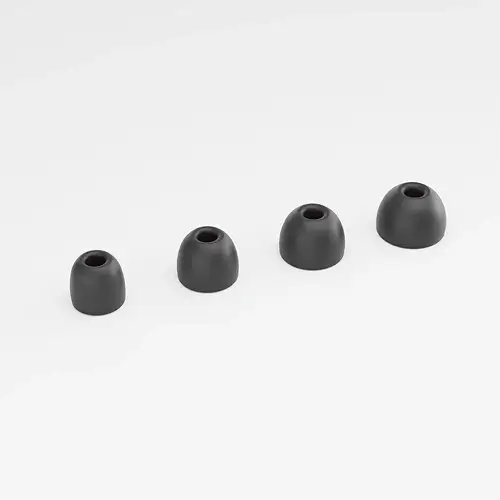
Most reusable earplugs include multiple eartip sizes for a reason: ears vary, and your two ears may not even need the same size. Begin with the medium tip if you are unsure, then test the small and large options.
The right size creates a light, even seal. You should not need to keep pressing it in, and it should not cause aching after 15 to 30 minutes. A slightly different size in each ear is completely normal. Fit for your ears, not for symmetry.
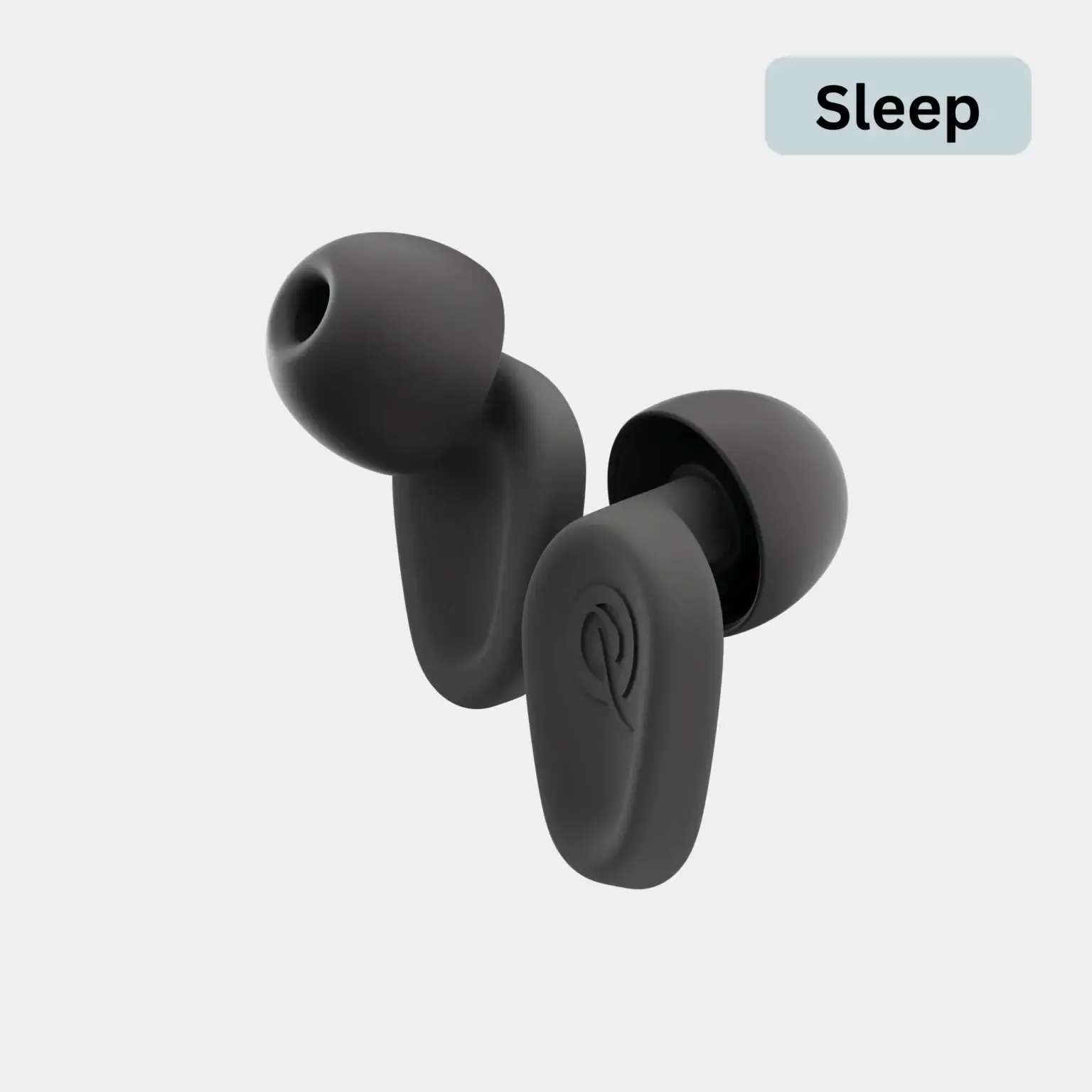
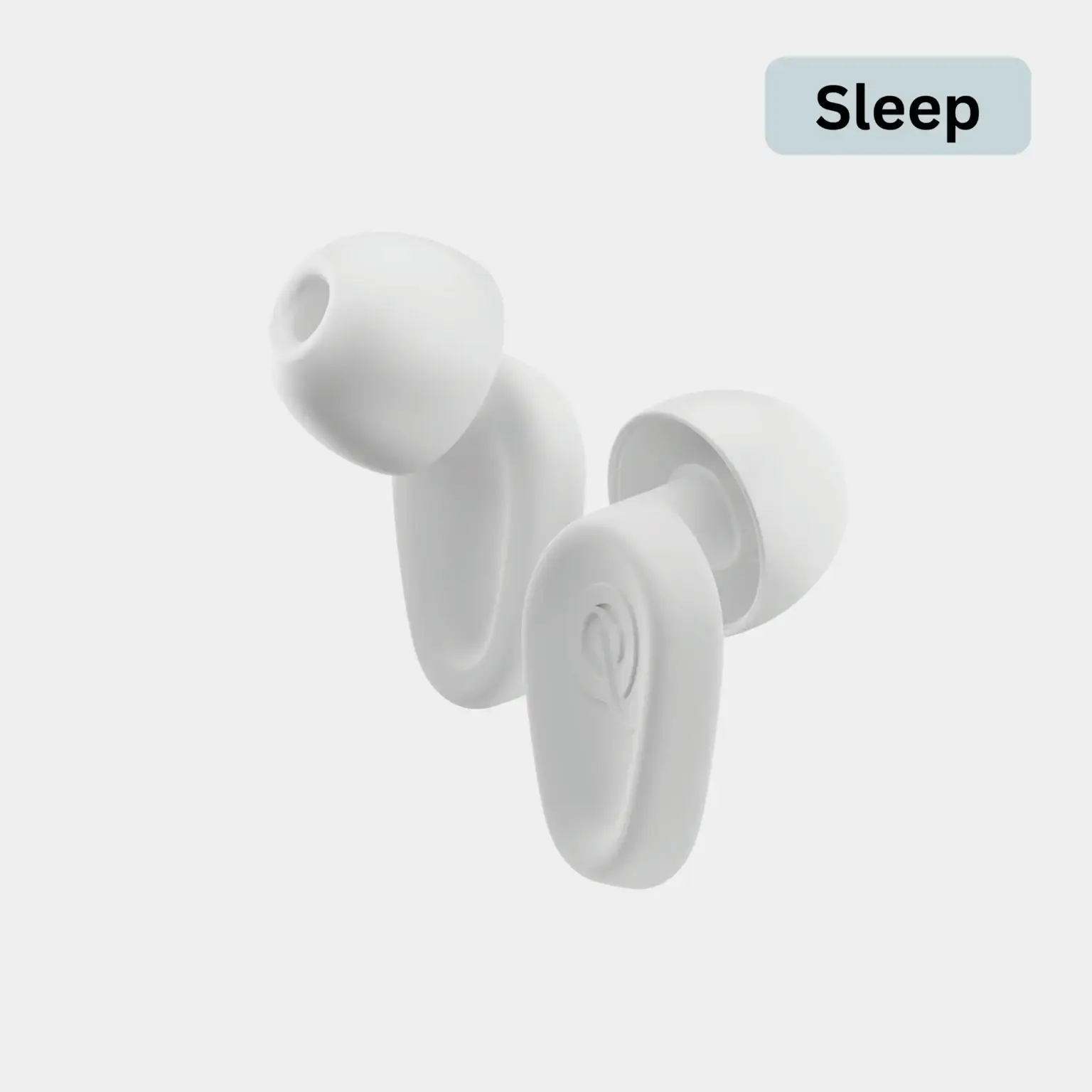
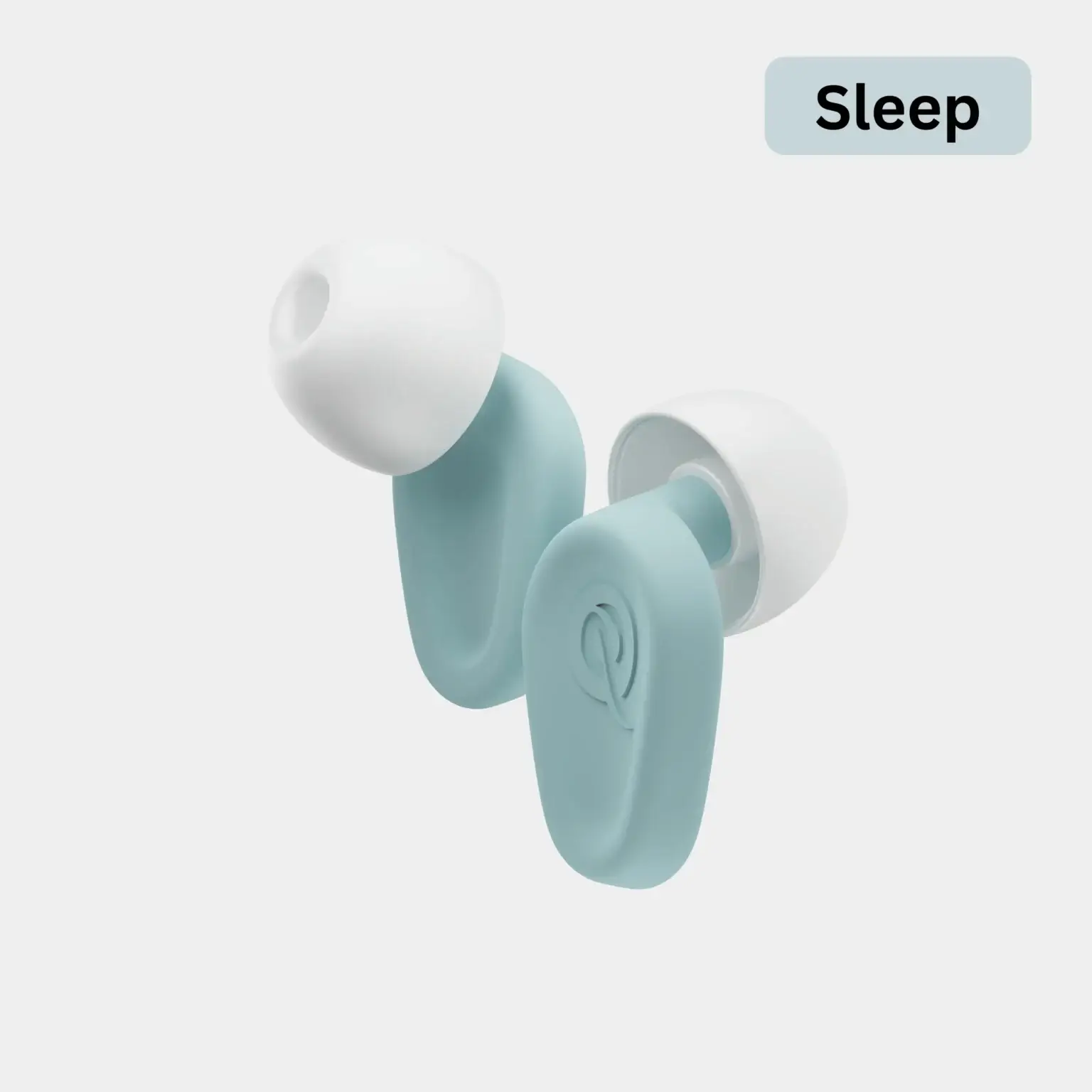
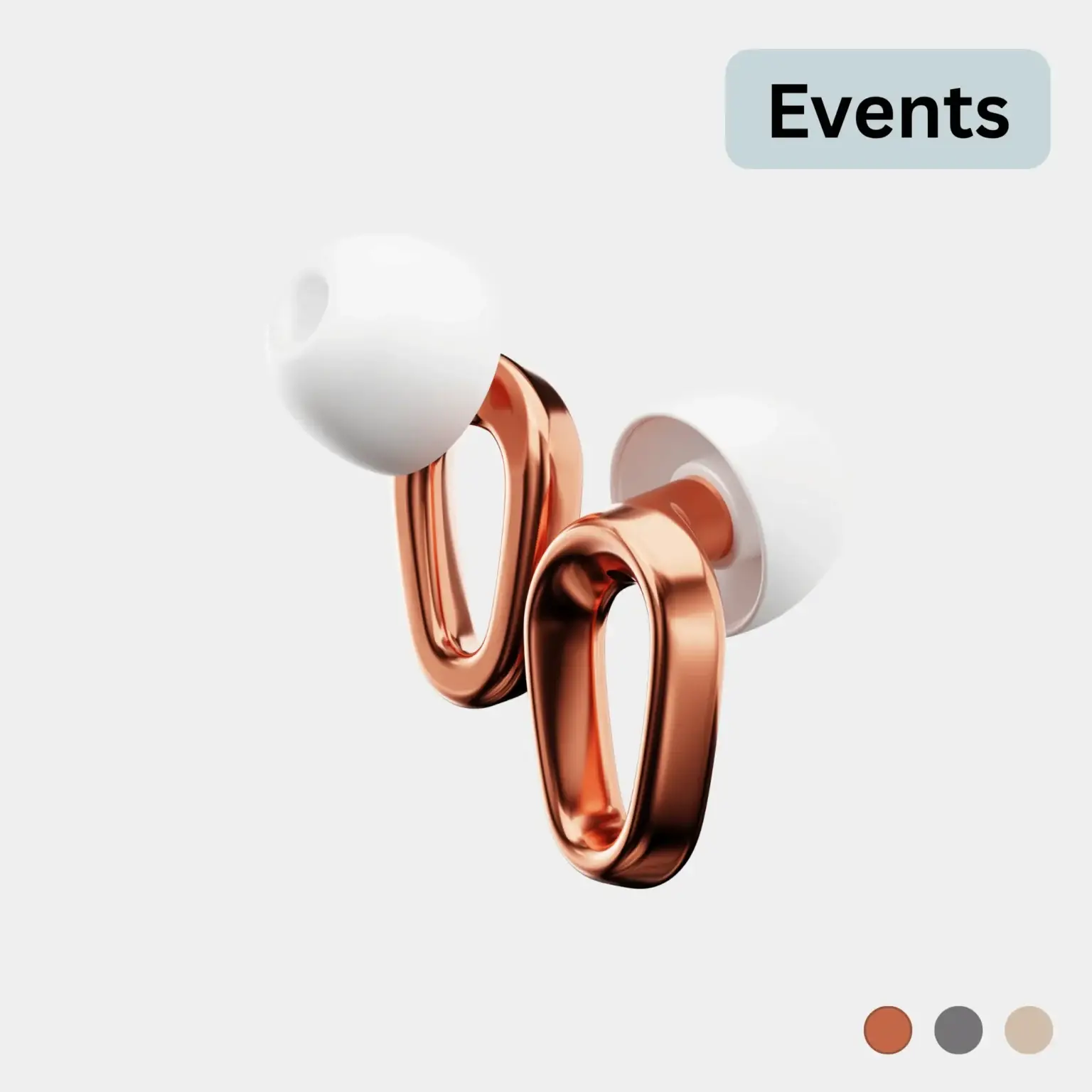
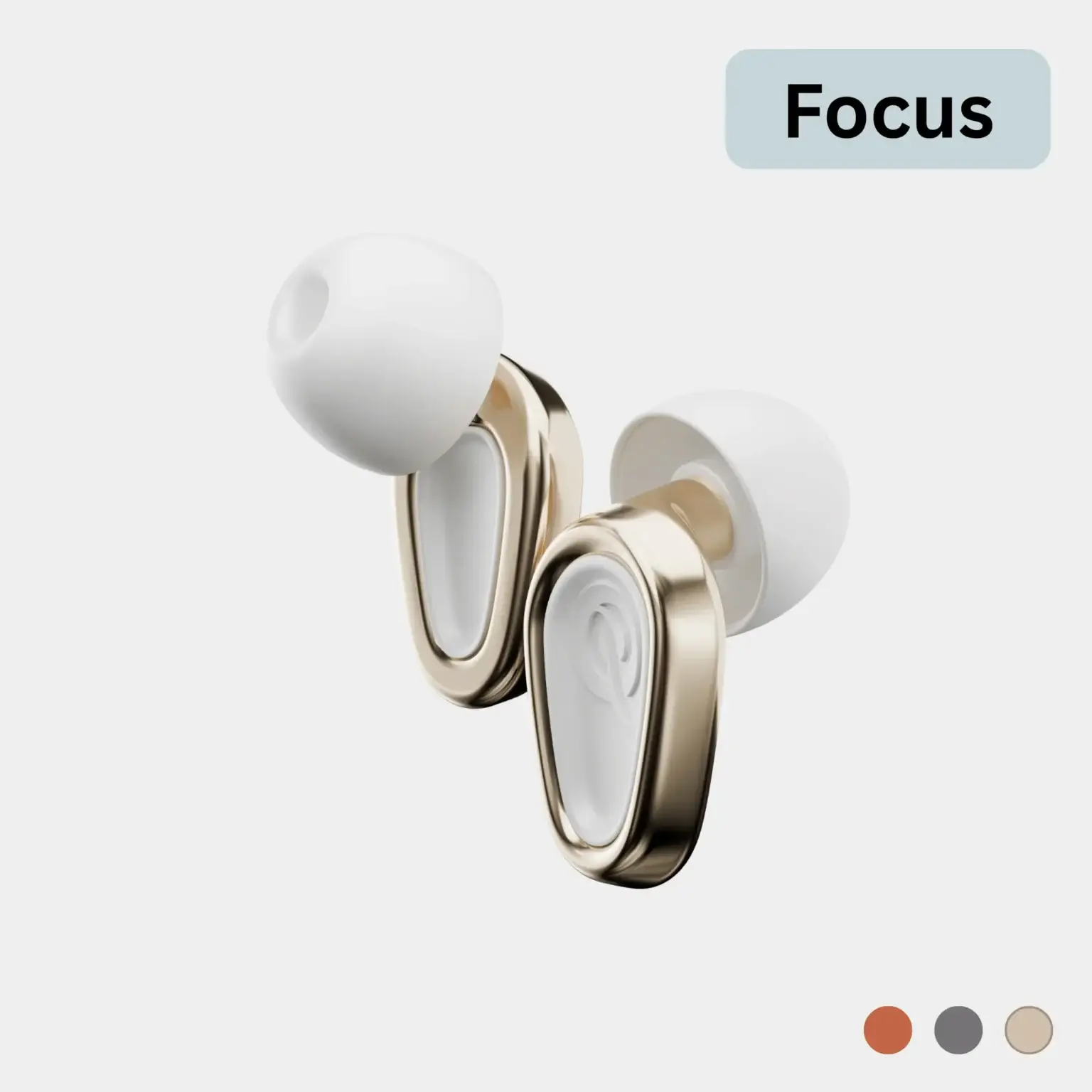
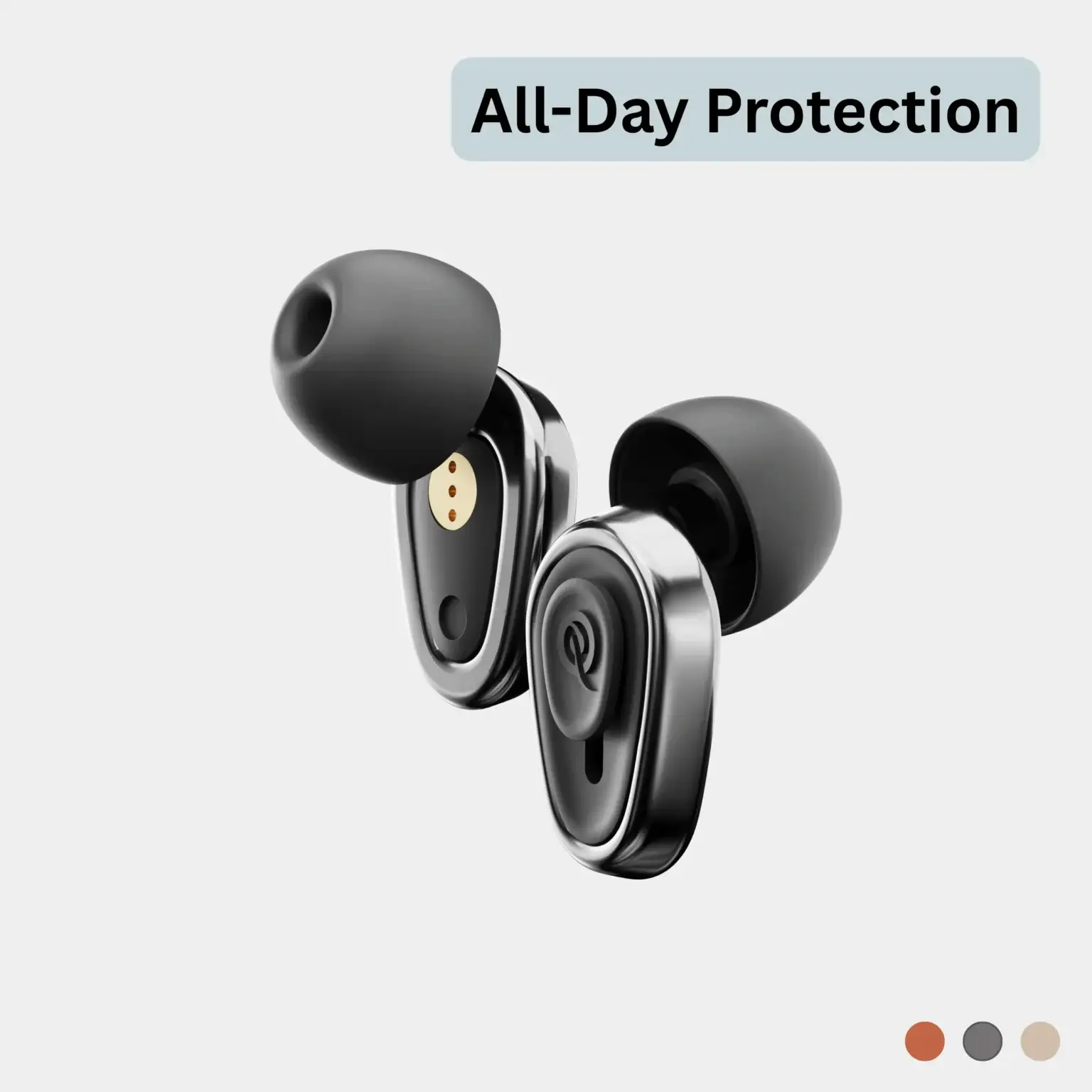
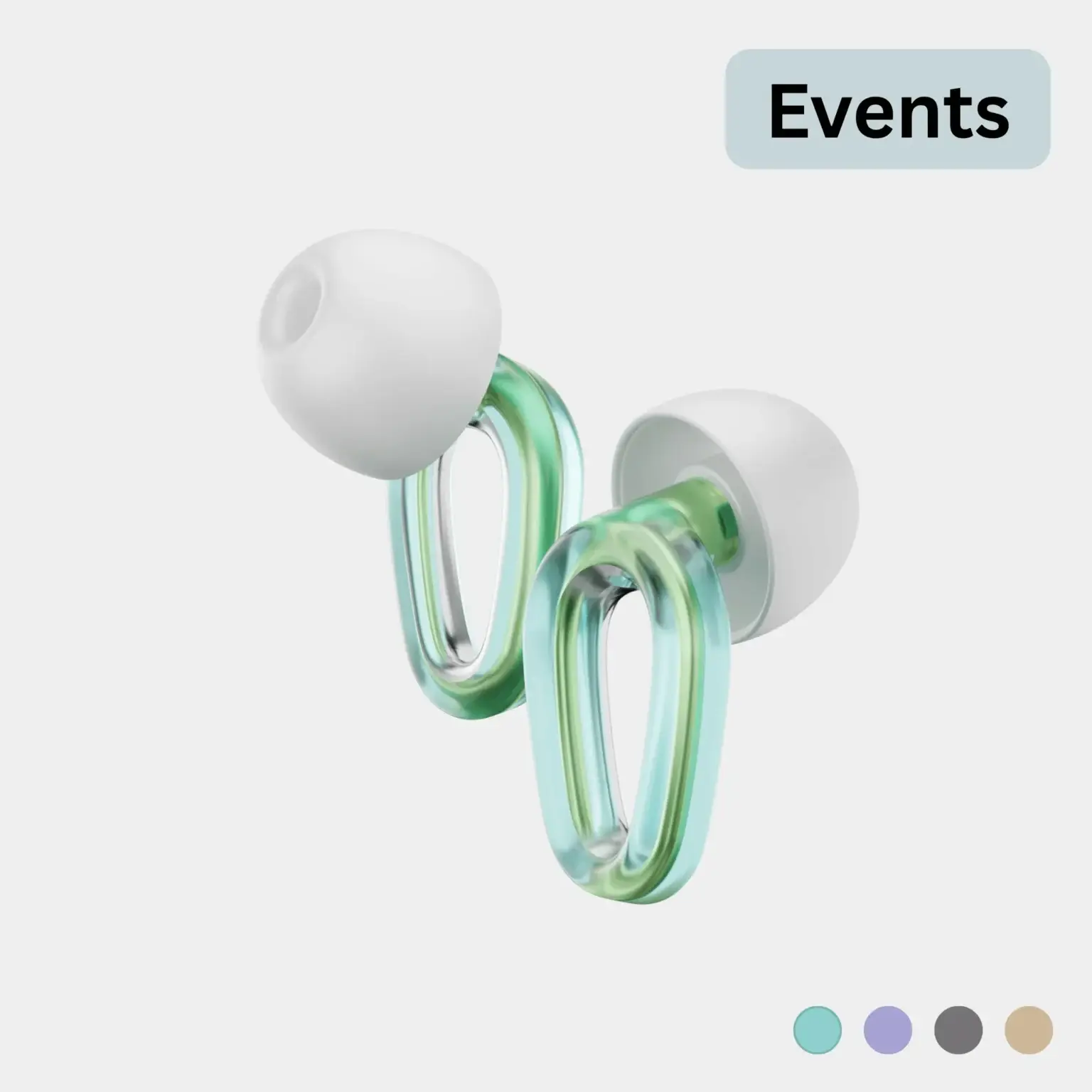
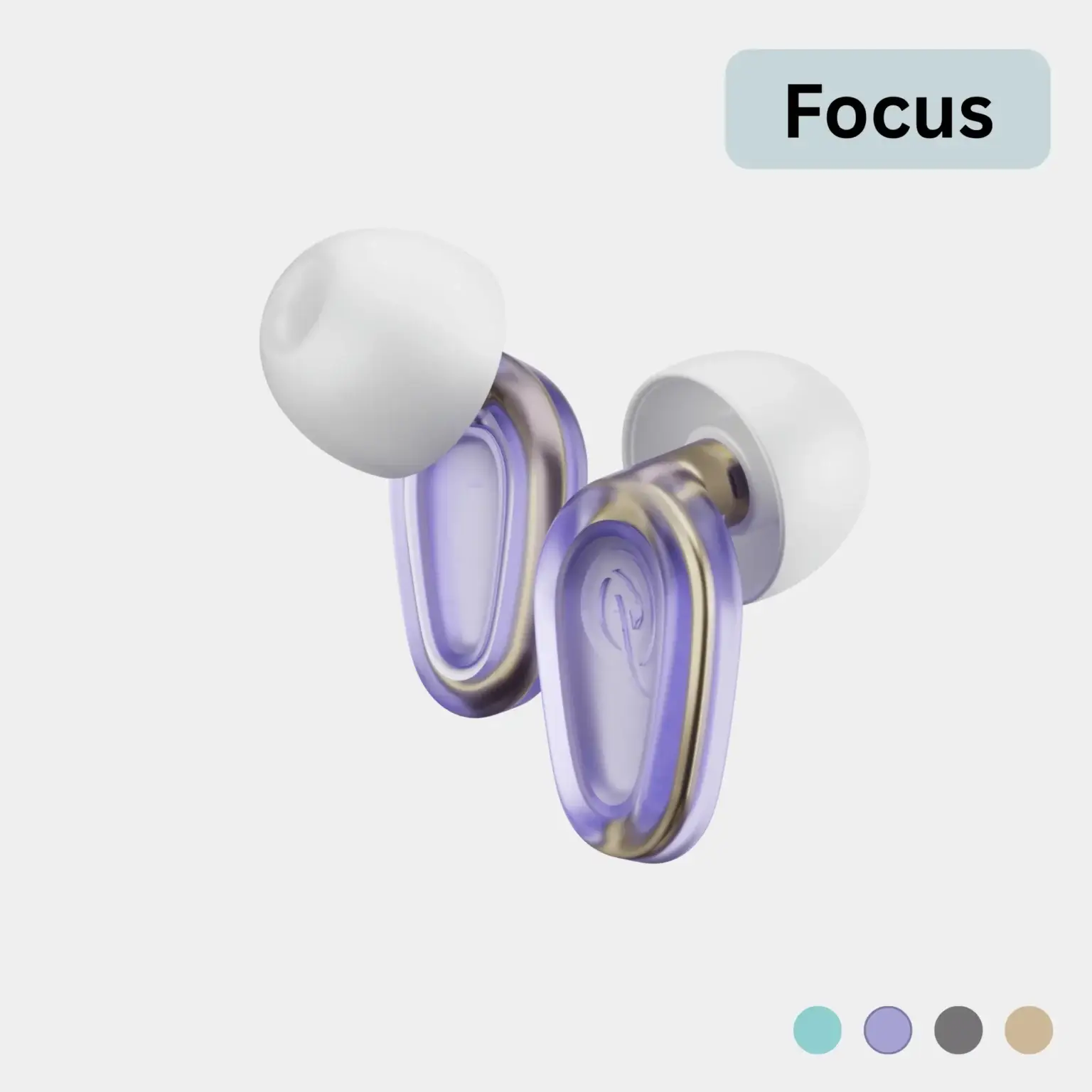
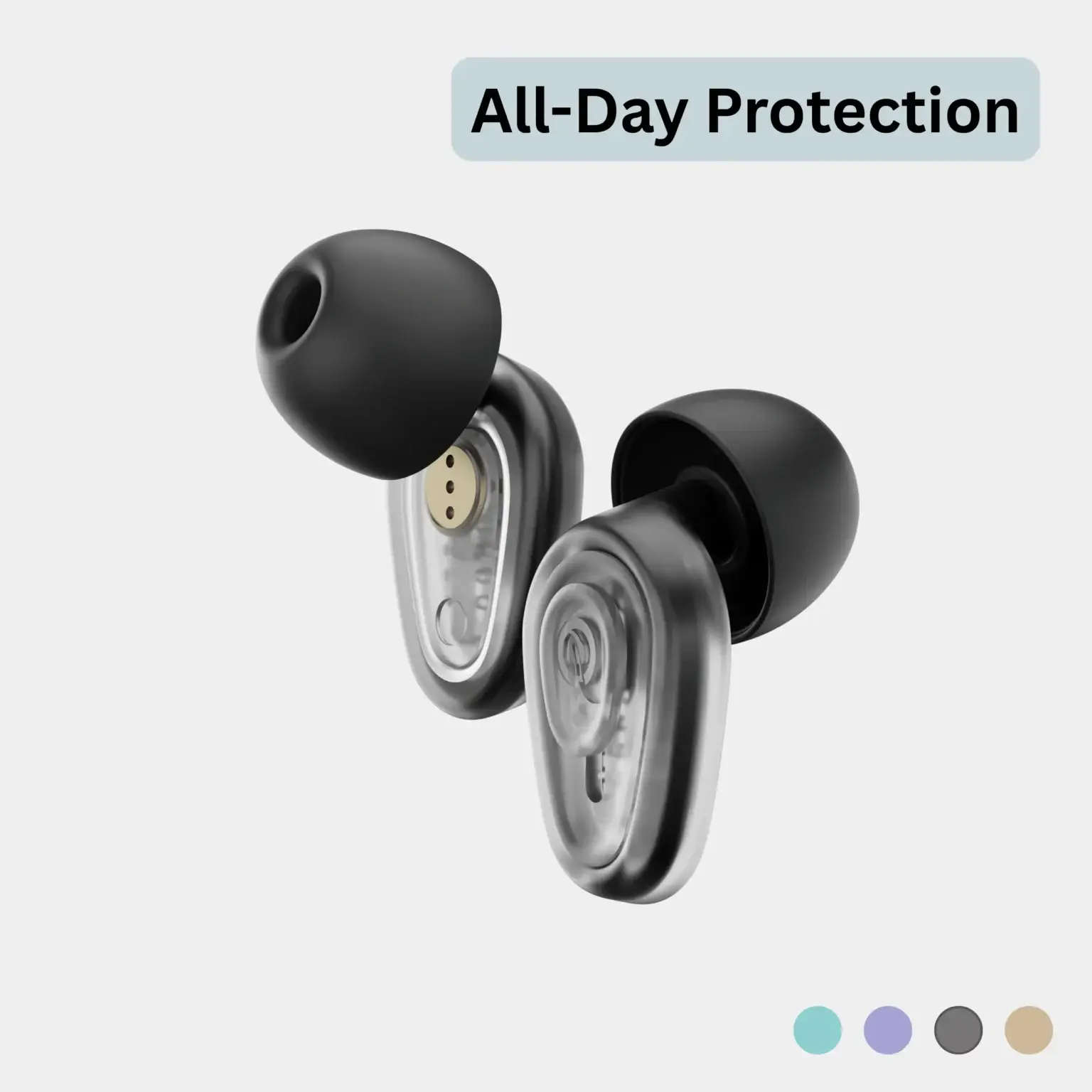
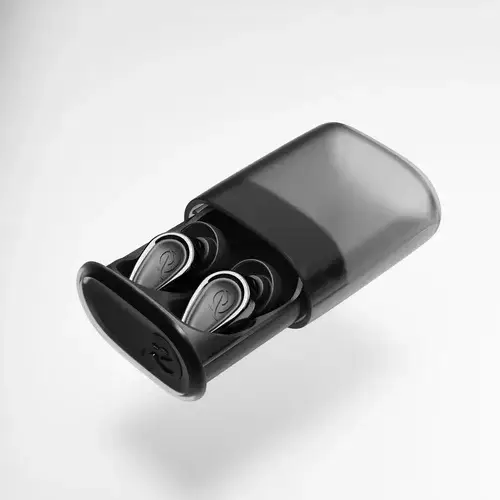
For low-profile designs such as Earmuffz, the right tip lets the earplug sit discreetly and comfortably through the day – whether you are concentrating at your desk, travelling, training or trying to wind down for sleep.
The correct way to insert foam earplugs
Foam earplugs need a different method. They expand after insertion, so placing them directly into the ear without compressing them first often leaves them sitting too shallowly.
Roll the foam plug between clean fingers into a narrow, smooth cylinder. Do not just squash it flat. With your other hand, pull the top of your ear up and back. Insert the compressed foam plug gently into the canal, leaving enough visible to remove it safely.
Hold it in place with one finger for around 20 to 30 seconds while the foam expands. Once it has expanded, it should seal the canal without protruding dramatically. If it slides out before it expands, roll it more tightly and try again.
Foam can provide substantial reduction when fitted well, but it is not always the most practical choice for everyday communication or repeated use. It can also be less convenient for people who want a more durable, easy-clean option. That is where reusable filtered earplugs can be a better match.
Check the seal without turning the volume off completely
You do not need specialist equipment to tell whether your earplugs are working. Put them in somewhere with steady background noise, such as an extractor fan, traffic through a window or conversation in another room. A good fit noticeably softens the sound.
Then speak a few words or move your jaw. A little change in how your own voice sounds is normal, especially with a fuller seal. But if your voice sounds painfully booming, the plug may be too deep, too large or simply unsuitable for the situation. Refit it first. If the feeling continues, try a different tip or a design with less attenuation.
For concerts, motorcycling and loud machinery, do not rely on a casual sound check alone. Use hearing protection designed and certified for the relevant level of exposure, and follow the product instructions. Earplugs are powerful tools, but the right product and correct usage both matter.
Common fit mistakes that reduce performance
The first mistake is inserting earplugs when you are rushing. A few extra seconds to straighten the ear canal and seat the tip properly can make a dramatic difference.
The second is choosing a tip that feels merely tolerable rather than genuinely comfortable. If you are planning to wear earplugs through a full workday, a flight, a gig or the night, pressure points will become obvious. Change the size before you decide earplugs are not for you.
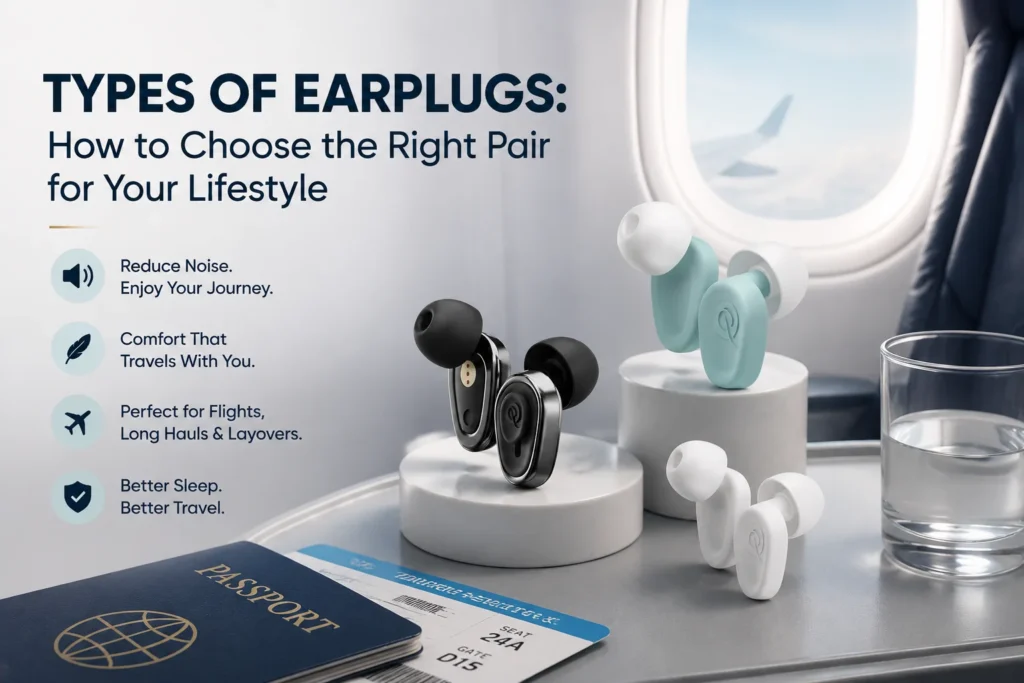
The third is expecting one style to handle every environment. Soft sleep earplugs may be ideal against bedtime disturbance but not the best choice when you need to communicate clearly. High-reduction plugs suit louder settings, while filtered designs can offer a more balanced experience for daily volume control.
Finally, do not ignore hygiene. Earwax, skin oils and dust can affect both comfort and fit. Clean reusable earplugs according to their care instructions, dry them fully and store them in their case. Replace disposable foam plugs when they are dirty, damaged or no longer spring back properly.
Wearing earplugs for sleep, focus and movement
For sleep, fit your earplugs before you are exhausted. Test them while sitting up, then lie on your preferred side. If one side presses uncomfortably into the pillow, a lower-profile design or smaller tip can help. Never force an earplug deeper to stop it touching the pillow.
For focus, aim for controlled reduction rather than total isolation. The right earplugs can soften office chatter, keyboard clatter and household noise while still allowing you to respond when needed. If you must hear alarms, colleagues, children or announcements, test that awareness in a safe setting before relying on the plugs.
For exercise, commuting and active days, check the seal after putting on a helmet, hat or headphones. Gear can shift the outer ear and disturb the fit. A properly seated plug should remain stable through normal movement, but it is worth checking before you set off.
When to remove your earplugs
Take earplugs out slowly. For reusable plugs, twist gently to break the seal before pulling. For foam plugs, ease them out gradually rather than yanking them free. This avoids an abrupt pressure change and protects the delicate ear canal.
Stop wearing earplugs if they cause pain, persistent irritation, discharge or a feeling of blockage that does not settle after removal. Do not insert earplugs into an ear with an infection, injury or recent ear surgery unless a qualified clinician has advised you to do so. If you have ongoing tinnitus, sound sensitivity or hearing concerns, earplugs may support comfort in certain settings, but personalised advice from a hearing professional can help you make the right call.
The best fit is the one that gives you control without demanding your attention. Take a moment to choose the right tip, seat it gently and check the seal. Then get back to the journey, the set, the sleep or the task in front of you – at a volume that works for you.