
What Is a Good Noise Reduction Rating?
A loud office can drain your focus faster than a full inbox. A snoring partner can wreck a full night of sleep. A concert can feel incredible in the moment and leave your ears ringing later. That is why so many people ask, ” What is a good noise reduction rating for earplugs? The short answer is this: a good rating depends on where you plan to wear them, how long you need them in, and whether you want maximum quiet or smarter volume control.
The number on the package matters, but it is not the whole story. If you want earplugs that actually fit your life, you need to know what that number does, what it does not do, and how to match it to the moment.
What is a good noise reduction rating for earplugs?
Lower- to mid-NRR earplugs are often the sweet spot for daily wear. They reduce sound without making you feel cut off from the world. That makes them especially useful for focus, parenting, travel, and general noise sensitivity. Higher NRR earplugs can be better for sleeping, very loud environments, or situations where you want stronger isolation.
Here is the key trade-off: more reduction is not automatically better. If earplugs block too much sound for your setting, they can feel disorienting, make conversations harder, and tempt you to take them out when you need them most. The best earplugs are the ones you will actually wear.
What the NRR number actually means
NRR stands for Noise Reduction Rating. It is a standardised number used in the US to show how much sound a hearing protection product can reduce under testing conditions.
That last part matters. Testing conditions are controlled. Real life is not. Your actual experience depends on fit, ear canal shape, insertion depth, material, and movement throughout the day. A poorly fitted earplug with a high NRR can protect less than a well-fitted earplug with a lower rating.
Think of NRR as a performance benchmark, not a promise of total silence. Earplugs reduce sound. They do not erase it. You may still hear voices, traffic, alarms, or bass at a concert, just at a lower and safer level.
This is one reason reusable earplugs have become such a strong everyday option. Comfort and low-profile design make consistent wear easier, which often matters more than chasing the highest possible number.
What NRR works best for different situations?
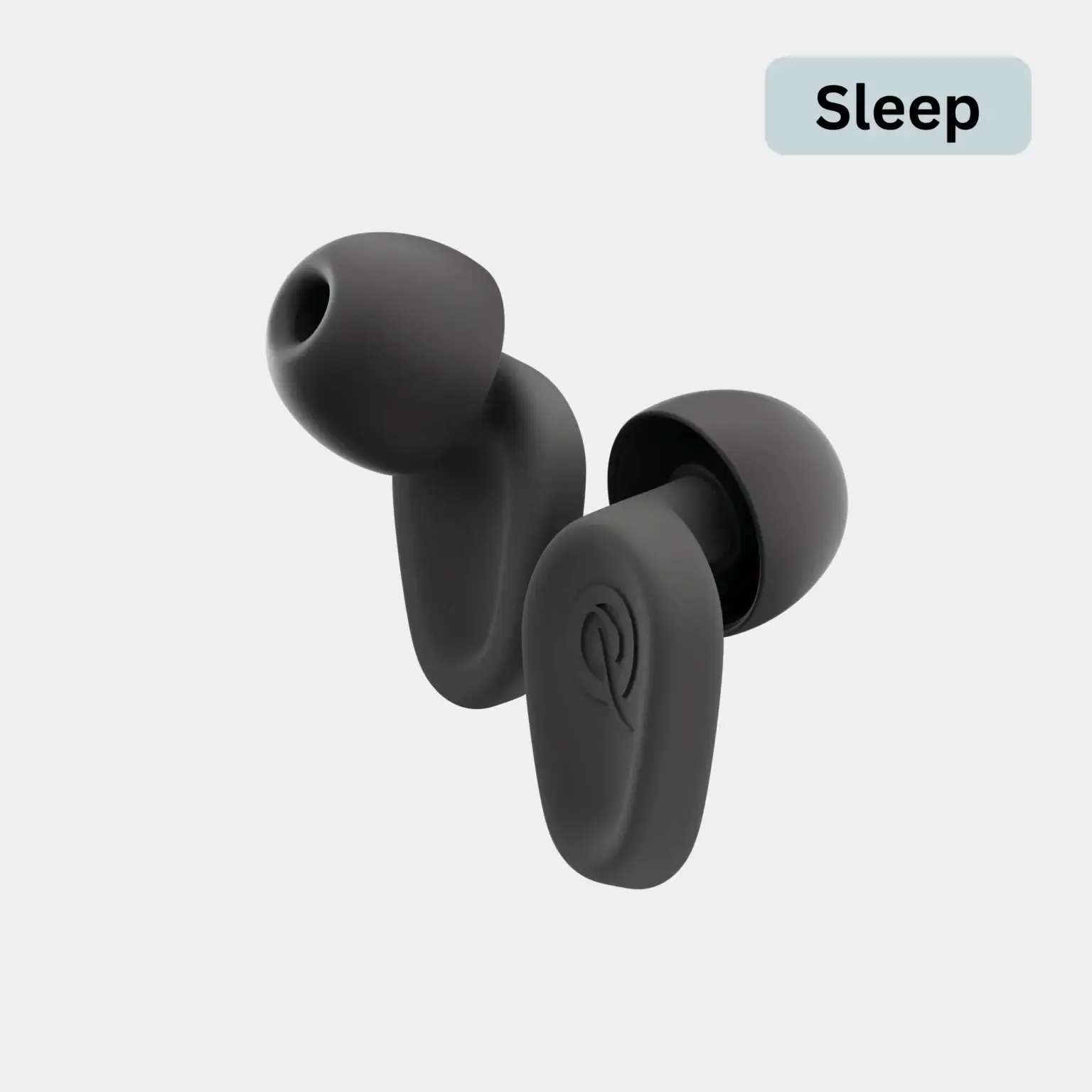
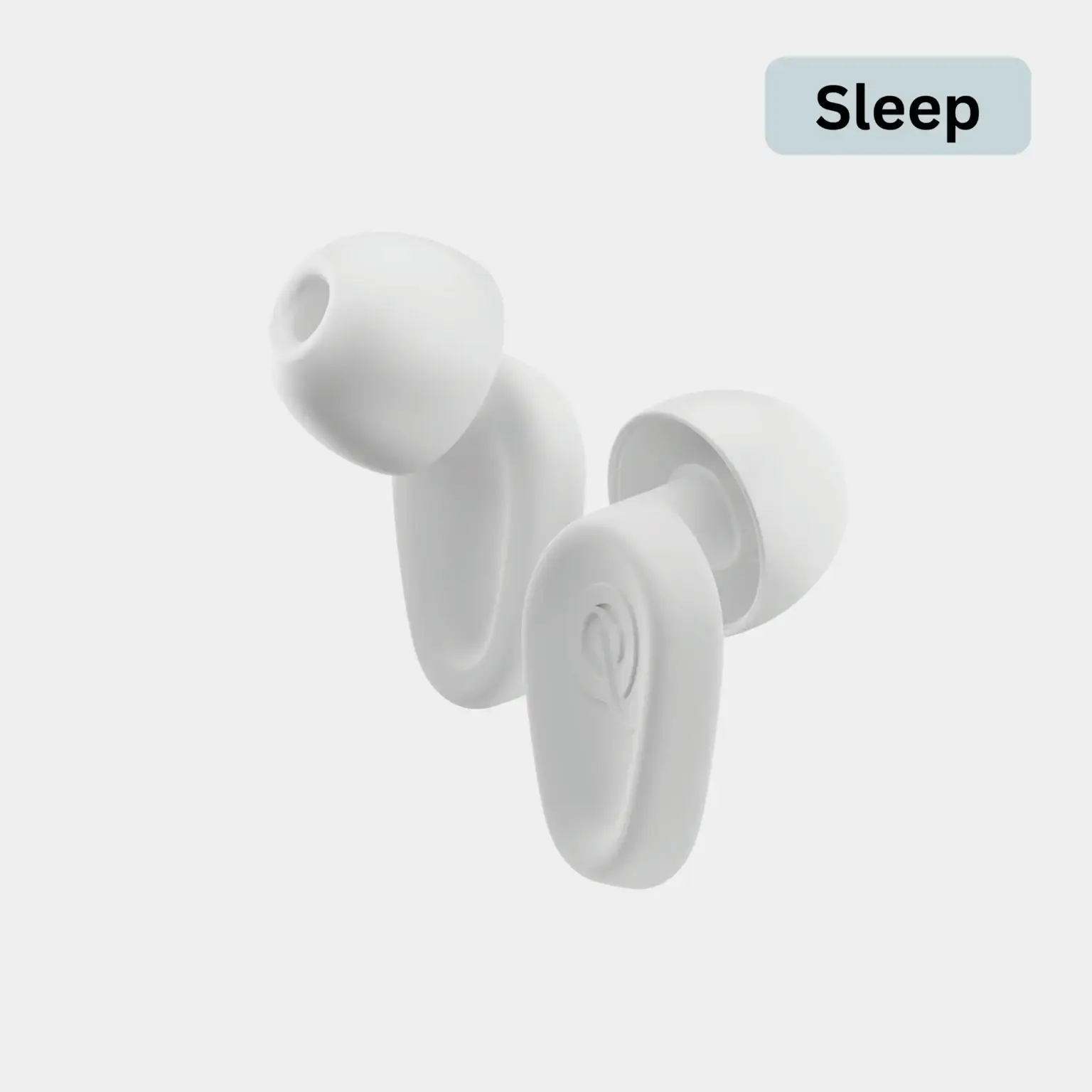
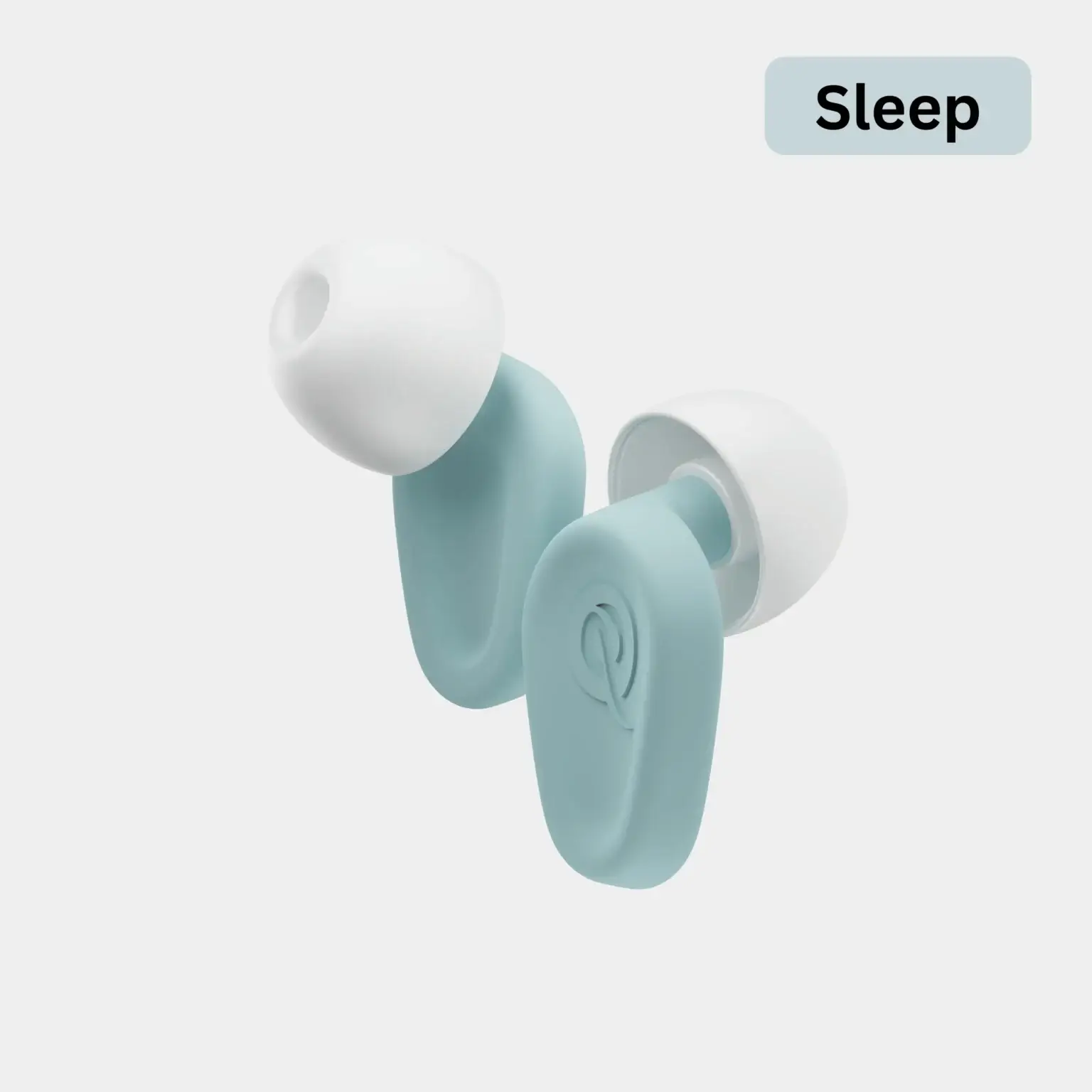
If your main goal is sleep, many people look for a higher level of reduction. A stronger NRR can help reduce snoring, street noise, apartment noise, or early-morning household activity. But sleep earplugs also need to be soft enough for side sleeping and comfortable enough to stay in all night. A high rating means very little if pressure wakes you up at 2 a.m.
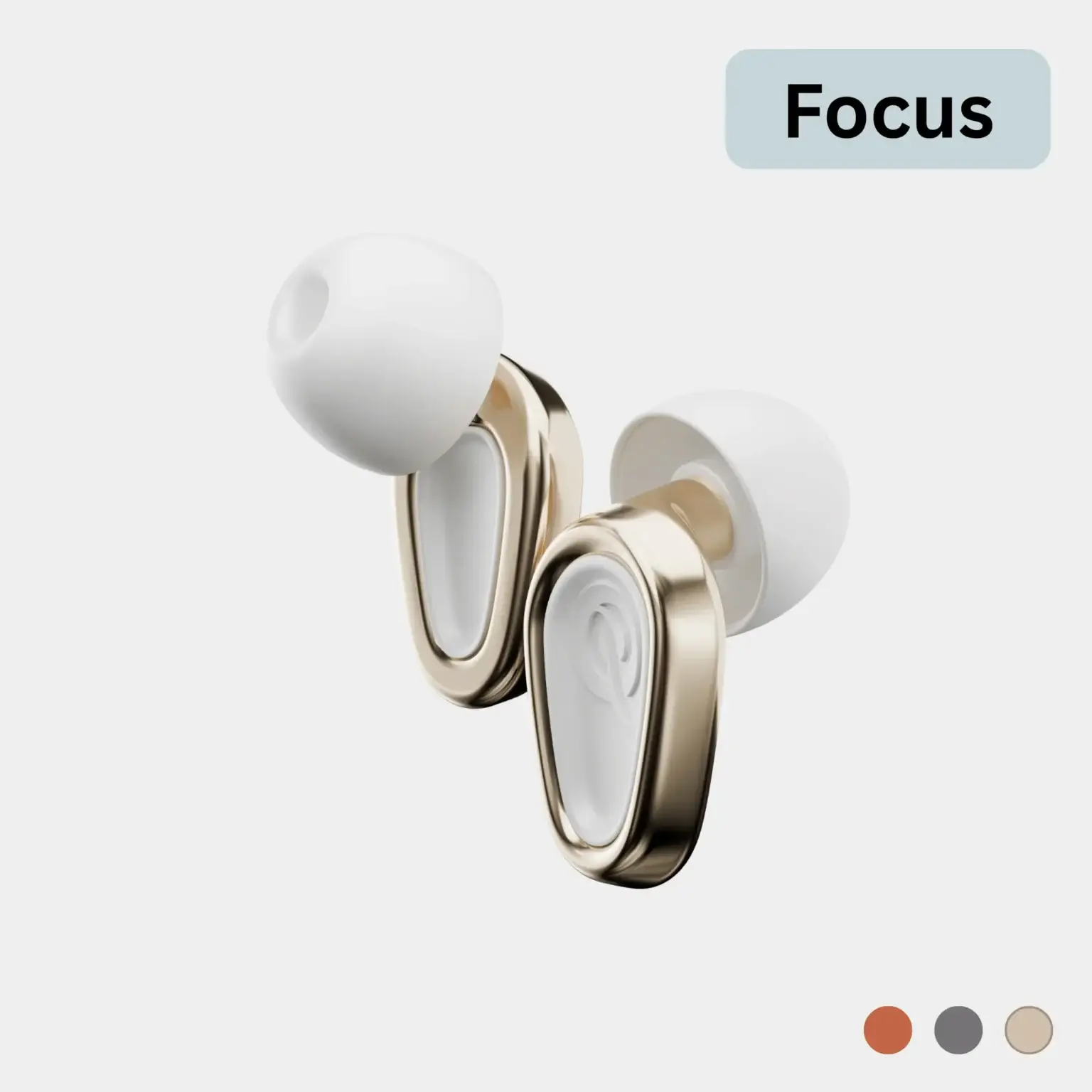
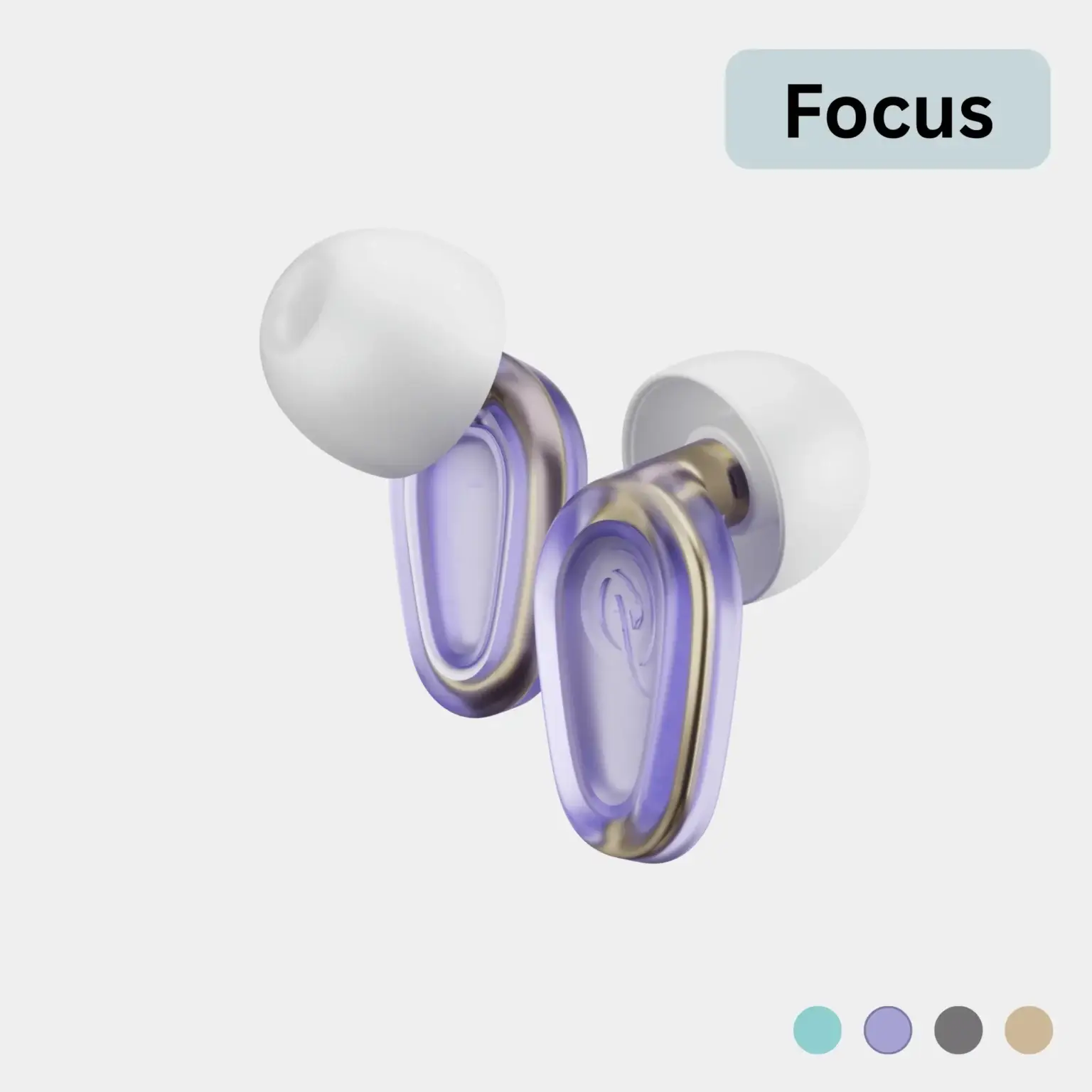
For work and focus, moderate reduction is often the smarter move. You want to crush distractions, not disappear from your environment. Earplugs in a moderate range can reduce keyboard clatter, office chatter, HVAC hum, and general overstimulation while still letting you stay aware.
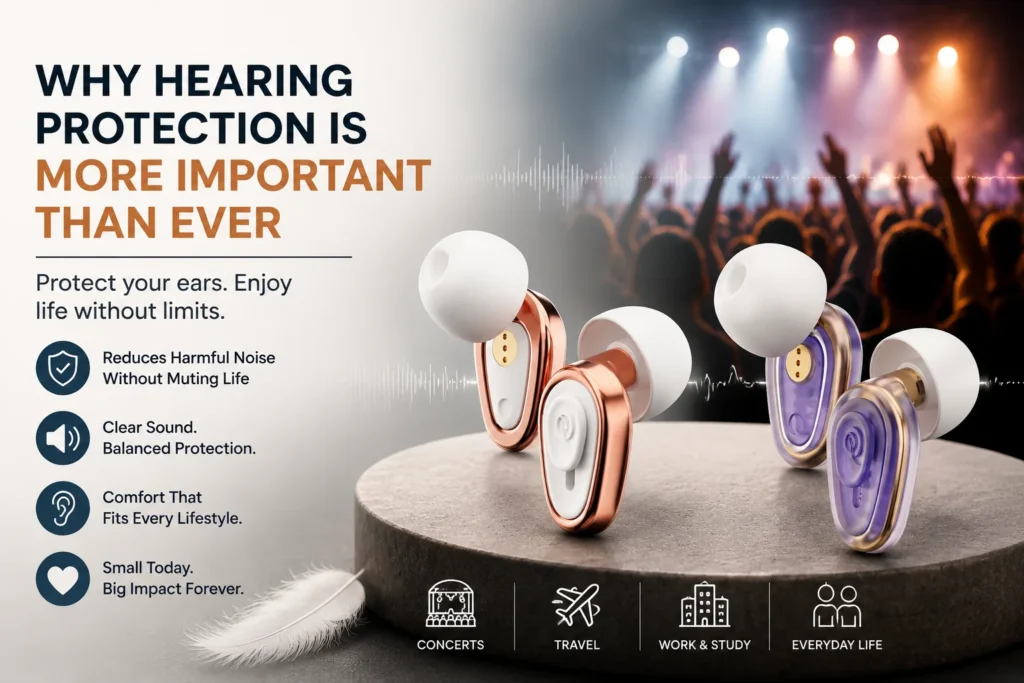
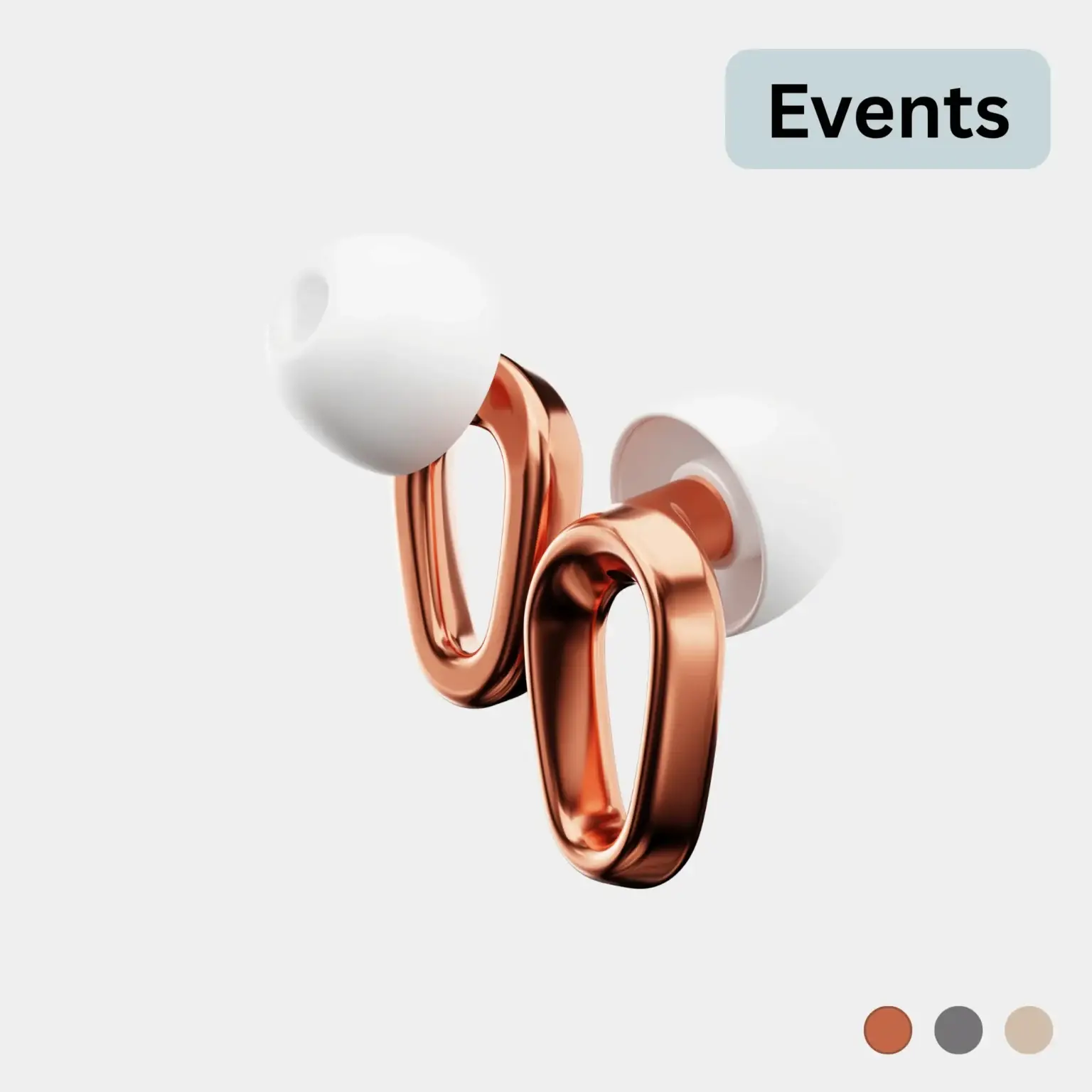
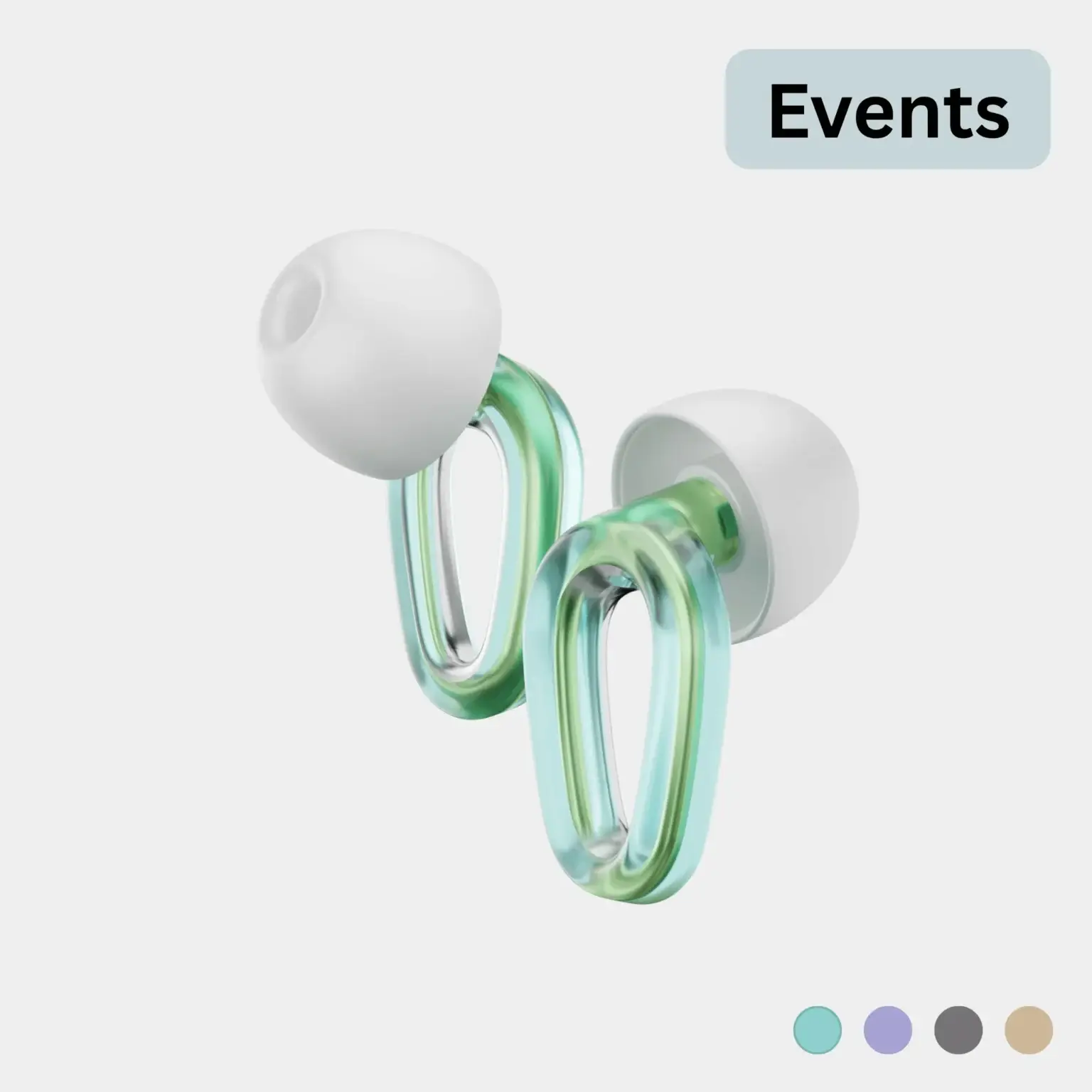
For concerts, festivals, clubs, and events, the goal changes. Here, you want hearing protection without destroying the experience. A moderate-to-strong NRR can help lower harmful volume while preserving more of the sound quality than basic foam plugs. That balance matters if you want both protection and performance.
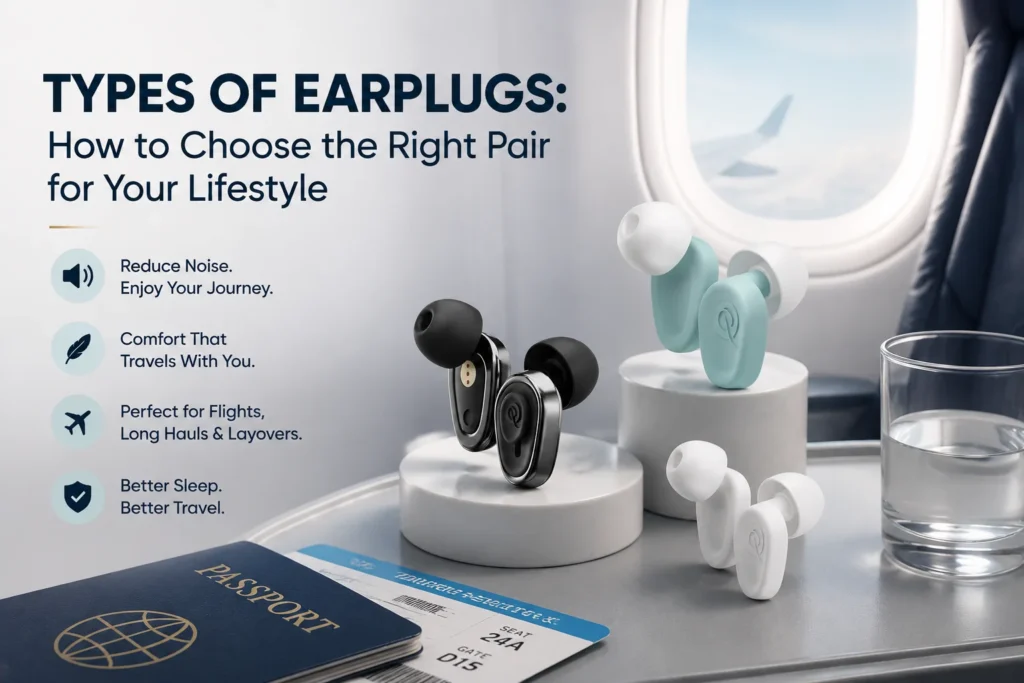
For commuting, travel, and everyday city noise, a mid-range NRR usually works well. It takes the edge off trains, buses, airplanes, traffic, and crowd noise without making you feel disconnected.
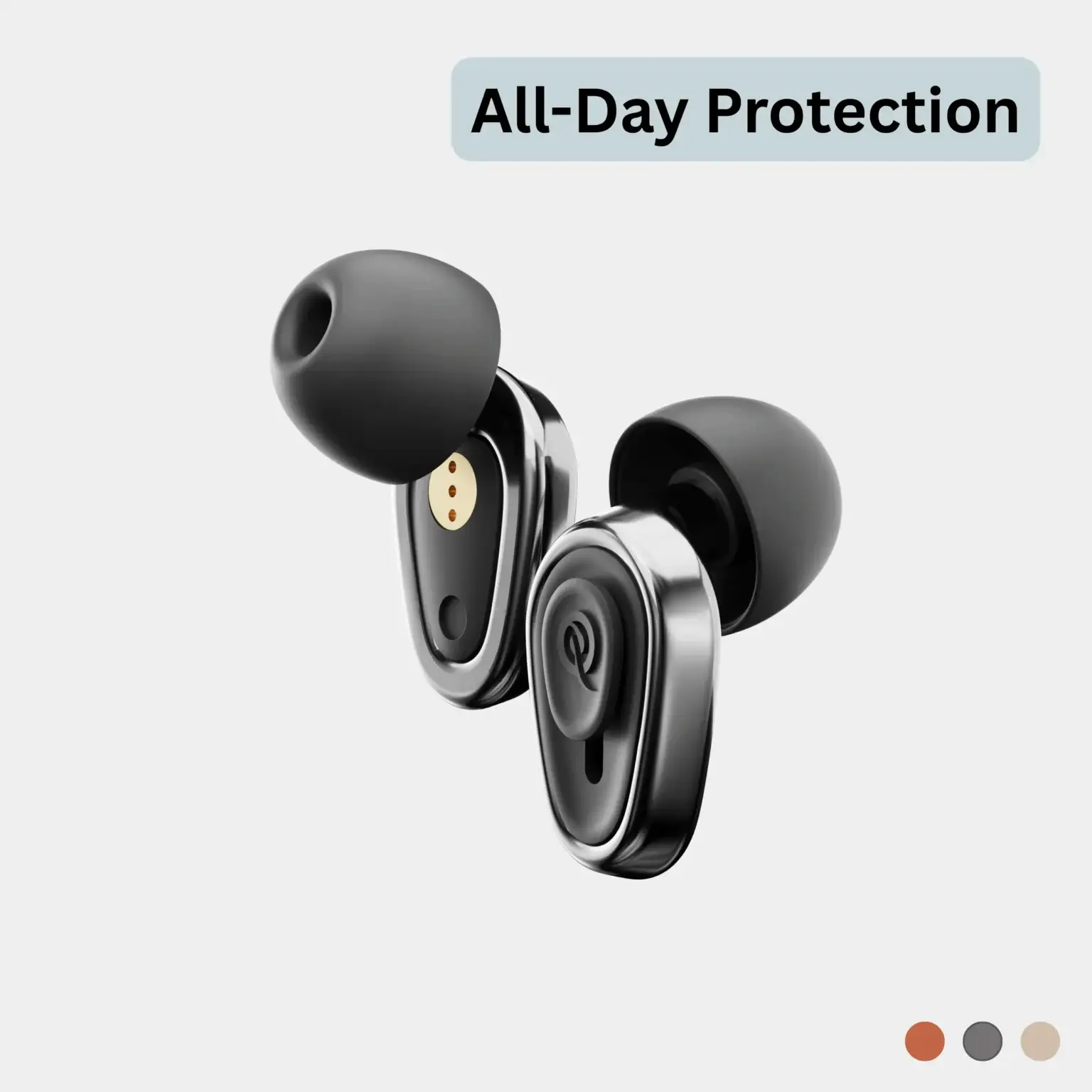
For motorcycles, loud tools, or consistently intense environments, stronger protection may be necessary. In those cases, noise exposure is not just annoying; it is harmful. It can become a hearing health issue. You want enough reduction to protect your ears, but you also need a secure fit that holds up during movement.
Why the highest NRR is not always the best choice
It is easy to assume the highest number wins. In practice, that can backfire.
If earplugs block too much sound during normal daytime activities, they may feel unnatural. You might hear your own footsteps, jaw movement, and voice more intensely. Some users find that uncomfortable. Others remove the plugs more often, which defeats the point.
There is also the issue of communication. If you need to hear announcements, coworkers, a child, traffic cues, or parts of a conversation, ultra-high reduction can create friction. For many people, the ideal setup is controlled reduction rather than total shutdown.
That is why a use-case-driven approach works better. Match the NRR to the environment. Match the fit to the length of wear. Match the design to your comfort needs. Control beats overkill.
Fit, comfort, and seal matter as much as the rating
A good noise-reduction rating for earplugs only matters if the earplugs seal properly. This is where many shoppers get tripped up.
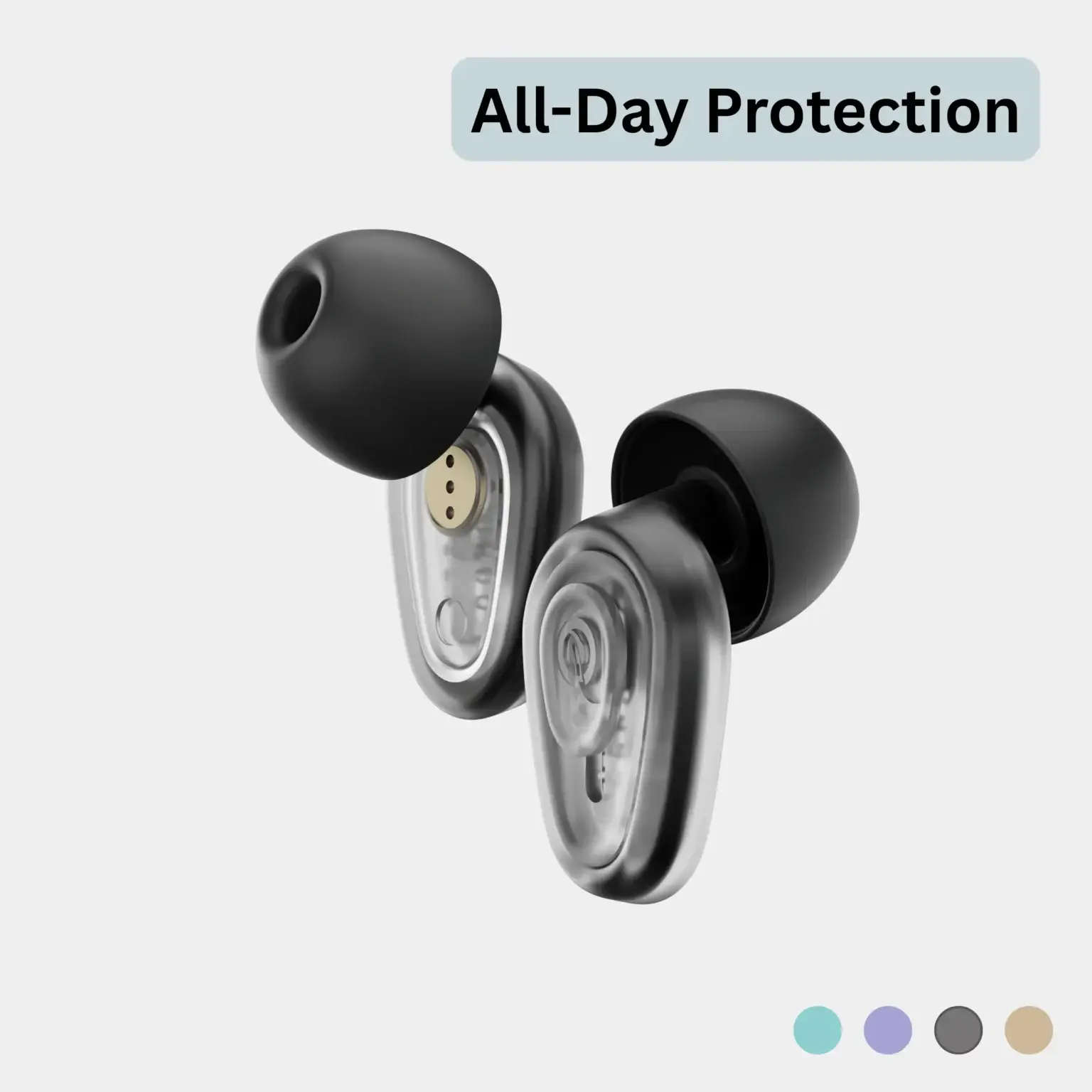
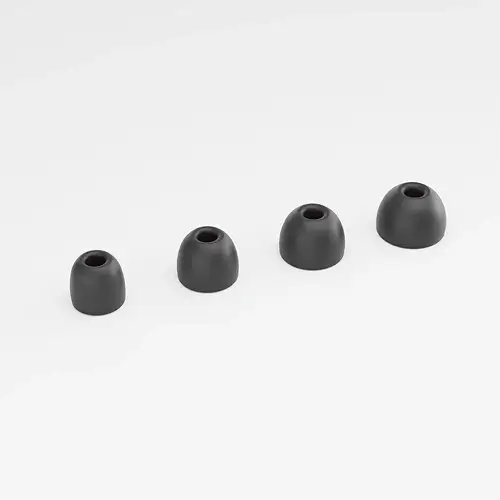
Reusable earplugs are often chosen for comfort, low-profile wear, and convenience. But they still need the right tip size and shape to perform well. Too loose, and sound leaks in. Too tight, and they become fatiguing. The best fit feels secure, stable, and easy to wear for hours.
Material matters too. Soft-touch designs tend to work better for extended wear, especially for sleep or long work sessions. A lighter, more discreet build can also make earplugs feel less intrusive, which is a big advantage if you want them to become part of your routine instead of an emergency-only product.
This is where modern hearing wellness brands have changed the category. Earplugs no longer need to feel bulky, medical, or industrial. Products built for daily wear can deliver real reduction with more comfort and confidence.
How to choose the right NRR for your needs
Start with your main problem. Is it sleep disruption? Sensory overload? Focus loss? Loud entertainment? Daily commuting? That answer should guide your target NRR more than anything else.
If you are trying to sleep through moderate household or urban noise, lean toward a stronger reduction with a comfort-first design. If you want earplugs for focus, productivity, or general noise sensitivity, moderate reduction is often the better everyday fit. If you go to concerts or events, choose earplugs designed to lower the intensity without flattening the entire experience.
It also helps to think about duration. Earplugs for two hours at a show and earplugs for eight hours of work or sleep are not the same purchase decision. Long wear demands better ergonomics, greater breathability, and a fit you can trust.
And if you are between options, go with the pair that is built around your actual lifestyle. That is usually smarter than buying one pair based on the biggest number on the box.
What is a good noise reduction rating for earplugs if you have tinnitus or noise sensitivity?
If you have tinnitus or noise sensitivity, the answer gets more personal. Too little reduction may leave you overstimulated. Too much may make internal sounds feel more noticeable in quiet settings.
For many people, moderate reduction works well because it lowers environmental stress without creating complete isolation. That balance can feel more natural during daily activities. In louder situations, stronger protection may still be the right move.
The goal is not to hide from sound forever. It is to take control of it. The right earplugs help you lower the volume when life gets too loud, protect your hearing when exposure levels spike, and get through the day with less strain.
The smartest way to read the label
When comparing earplugs, treat NRR as one signal, not the only one. Look at how the product is meant to be used. Look at whether it is built for sleep, focus, travel, events, or high-noise protection. Look at the design, the fit options, and whether you can realistically wear it long enough to benefit from it.
That is the real performance test.
A brand like Earmuffz builds around that idea – total volume control that fits your day, not just your drawer, because hearing protection works best when it feels intentional, comfortable, and easy to keep within reach.
If you are still asking what a good noise reduction rating for earplugs is, the best answer is this: choose the lowest rating that works for your environment comfortably and consistently. That is how you protect your hearing, stay in control, and make quiet feel like a power move instead of a compromise.