

The meeting room hums. Someone taps a pen. A colleague takes a call two desks away. By lunchtime, it can feel as though every sound has its own volume control – and someone else is holding it. This sound sensitivity management guide is built for taking that control back, without putting your life on mute.
Sound sensitivity can make ordinary situations feel disproportionately demanding: a packed train, a busy café, school pick-up, a concert, a motorway ride or the quiet-but-not-quite-quiet hours before sleep. The goal is not to avoid the world. It is to reduce unnecessary strain, protect your hearing and keep enough awareness to move through your day with confidence.
What Sound Sensitivity Can Feel Like
People use the phrase sound sensitivity to describe different experiences. You may find everyday noise physically uncomfortable, feel instantly tense around repetitive sounds, become drained after busy environments, or notice that tinnitus feels more intrusive when the room gets louder. Some people have a diagnosed hearing condition; others simply have a lower tolerance when stressed, tired or overstimulated.
That distinction matters. There is no single noise level, product or routine that suits everyone. Your best strategy depends on the sounds that affect you, the settings you cannot avoid and whether your priority is focus, rest, communication or hearing protection.
If sound suddenly becomes painful, affects one ear more than the other, arrives with dizziness or a change in hearing, speak with a GP, audiologist or hearing specialist. Earplugs can be a useful everyday tool, but they are not a diagnosis or a substitute for professional care.
Sound Sensitivity Management Starts With Patterns
Before reaching for a solution, notice the pattern. For one week, make a quick note on your mobile phone after difficult sound moments: where you were, what you heard, how long you had been there and how your body responded. You are looking for practical clues, not trying to document every decibel.
Perhaps open-plan office days are manageable until late afternoon. Maybe the Tube is fine, but platform announcements leave you on edge. Or perhaps you can enjoy a gig with the right preparation but struggle afterwards in the loud pub nearby. These details show where a small adjustment will make the biggest difference.
Also look beyond the sound itself. Hunger, poor sleep, illness, anxiety and a packed schedule can all lower your tolerance. A noisy environment may be the trigger, while depleted energy is the reason it hits harder that day. Managing both gives you more room to cope.
Build Your Personal Volume-Control Plan
A strong plan uses layers. You do not need to wear earplugs from morning to night or cancel every social plan. Instead, decide when you need to lower the volume, when you need recovery and when you need to stay fully alert.
Reduce the noise you can predict
Start with the repeat offenders. Keep reusable earplugs in the bag, jacket or case you actually take out with you. Use them on the commute, during a noisy gym session, at live music, while travelling or when the household gets lively. The best hearing protection is the protection you have when the noise appears.
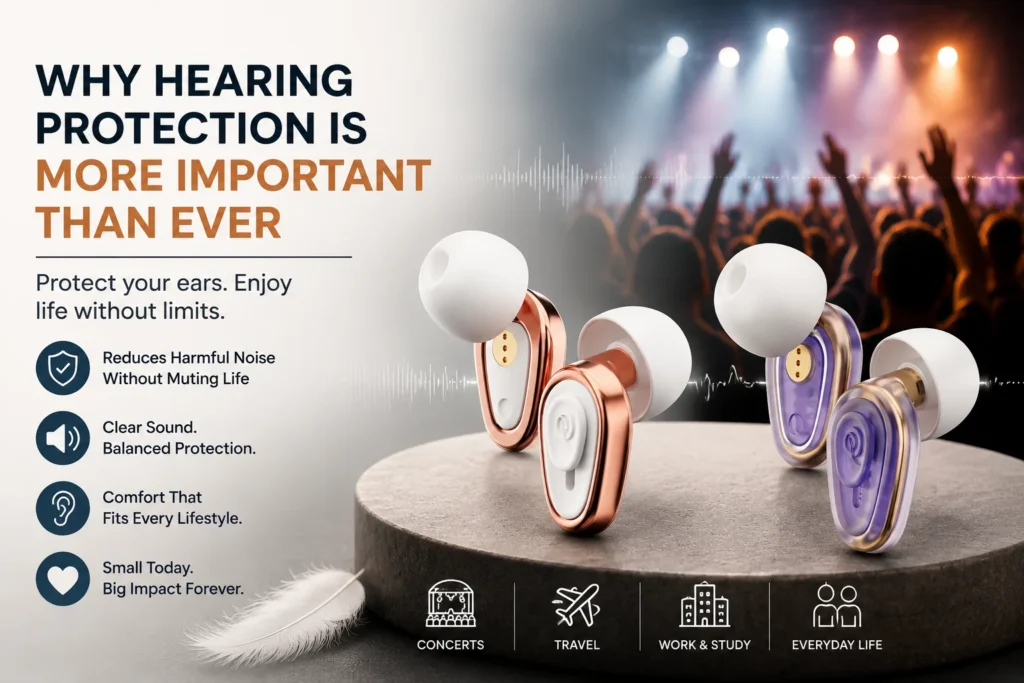
Choose earplugs designed for the environment, rather than treating all noise as the same. A low-profile, comfortable fit can make daily use much more realistic than bulky protection you leave at home. For concerts, motorsports and louder venues, prioritise suitable rated protection. For work or travel, you may prefer a solution that lowers background noise while letting you remain part of the conversation.
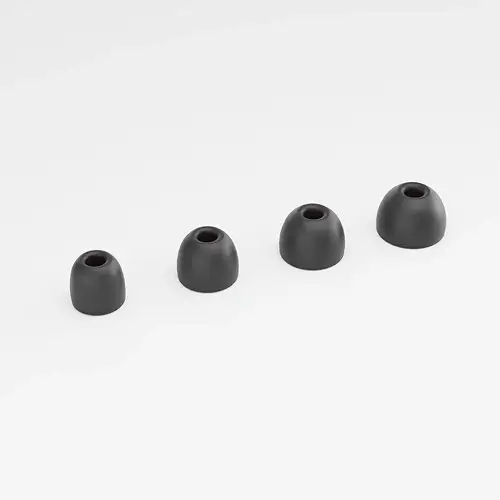
Fit matters as much as intention. Earplugs that feel painful, loose or overly muffled are less likely to become part of your routine. Try the supplied eartip sizes and give yourself a few short sessions to adjust. Comfort is performance.
Protect focus without cutting yourself off
Noise reduction is not always about silence. At work, the target may be fewer distractions while you finish a report, study for an exam or work through a complex task. At home, it may be enough to soften the edge of household noise so you can reset.
Be deliberate about awareness. Remove earplugs or use a lighter level of reduction when crossing roads, cycling in traffic, caring for children, listening for alarms or working in any setting where you need to hear instructions clearly. Volume control should support your day, not create a new safety risk.
If colleagues or family misunderstand your need for quiet, keep the explanation simple: “I focus better with less background noise,” or “I need ten quiet minutes to reset.” You do not need to justify every sensory boundary.
Create recovery before overload builds
A five-minute break before you hit your limit is often more effective than an hour of recovery after it. Step outside, sit in a quieter room, put your mobile phone away or take a short walk without another audio input. Think of it as protecting your capacity, not opting out.
At home, reduce the baseline noise where possible. Close a window during rush hour, move a buzzing charger, run the dishwasher when you are out, or choose softer background sound rather than competing television, music and conversation. Small changes add up because they lower the number of sounds your brain has to filter.
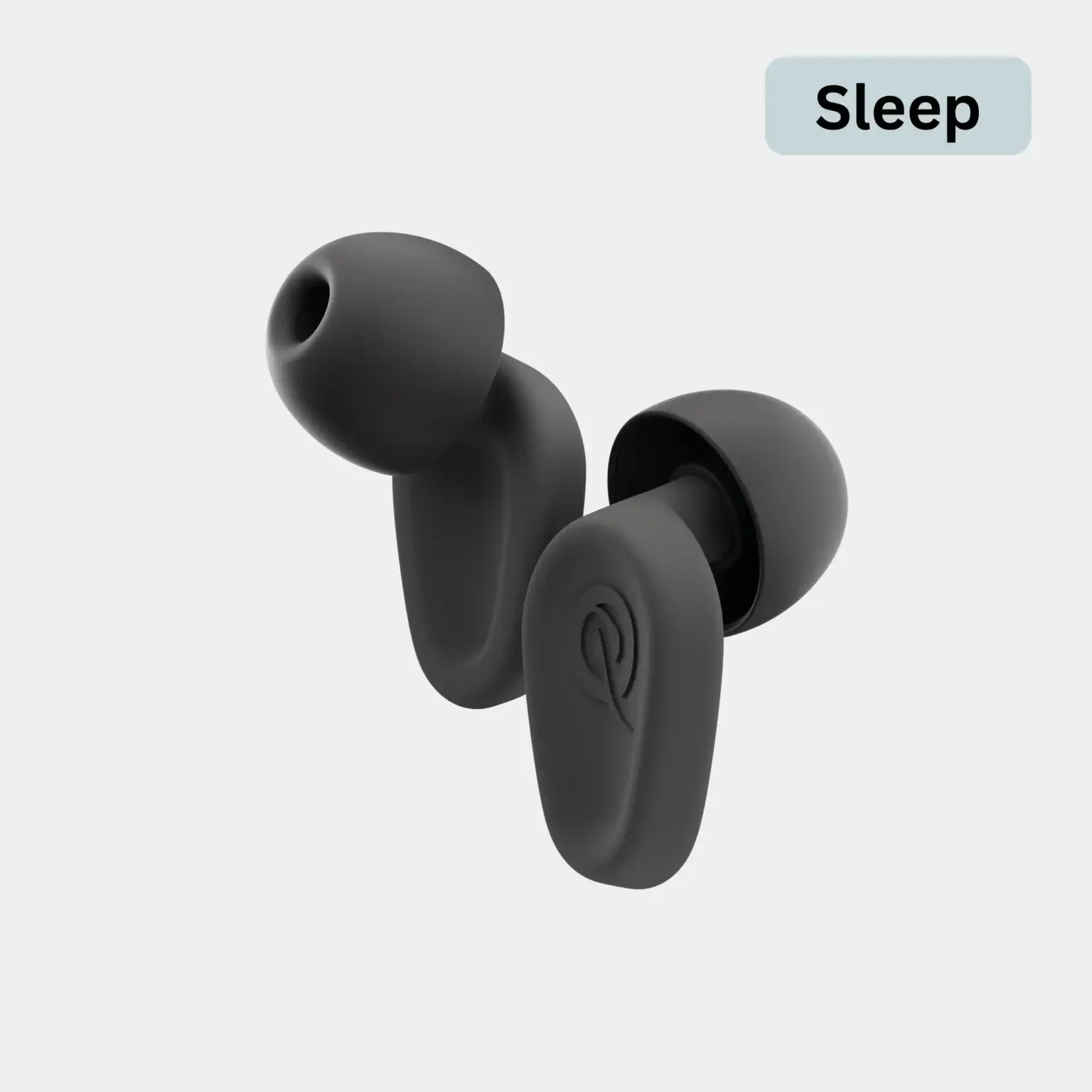
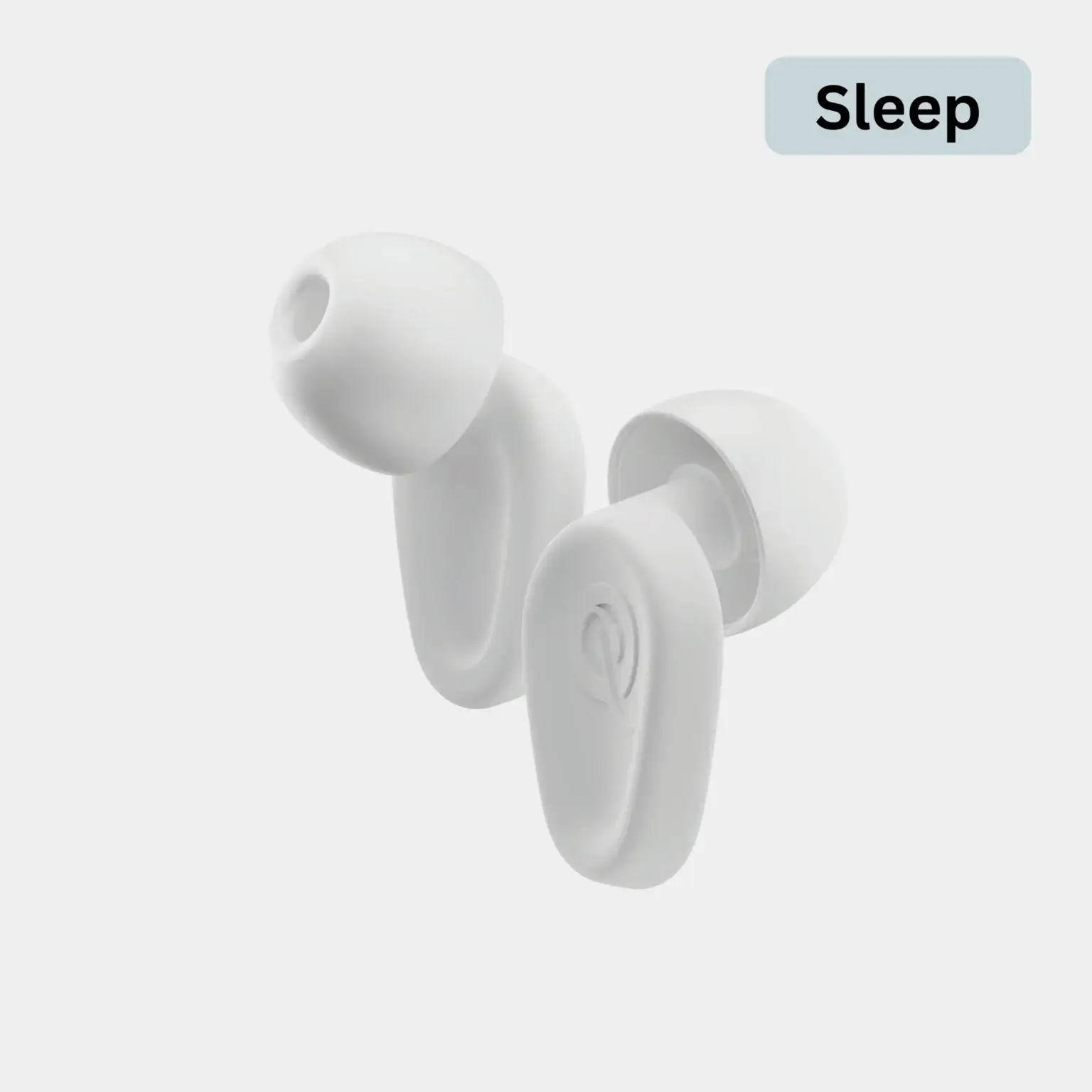
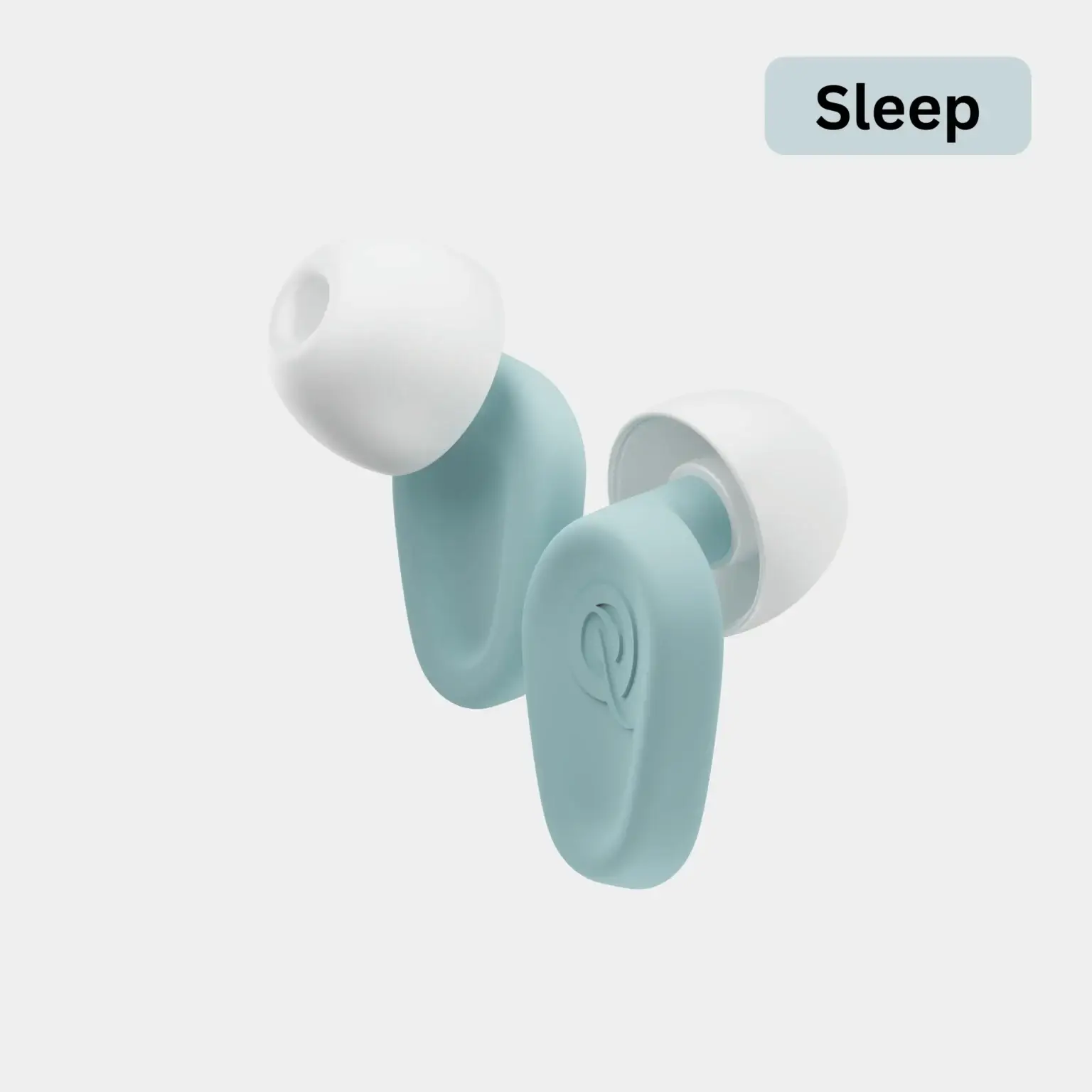
Sleep deserves its own strategy. Some people find a quiet bedroom best; others find sudden sounds more disruptive in total silence and prefer steady, low-level background sound. Test one change at a time. Consistency usually beats chasing the perfect setup every night.
Avoid the All-or-Nothing Trap
When sound feels unbearable, it is tempting to block everything all the time. But constant, heavy noise reduction in quiet settings can make normal sound feel even more noticeable for some people. The right balance is situational: use protection when noise is genuinely demanding, then allow safe, comfortable everyday sound when you can.
This is especially relevant if you experience hyperacusis, tinnitus or anxiety around sound. Gradual, supported exposure may be part of a clinician-led plan, and your approach should be individual. Do not force yourself through painful environments to “get used to it”, but do not assume complete isolation is the only answer either.
Use a simple check before putting earplugs in: is this noise loud, prolonged or draining enough to justify reducing it? Do I need to hear speech, alarms or traffic? What would help me leave this situation feeling better, not merely get through it? Those questions keep protection purposeful.
Make Noise Management Work in Real Life
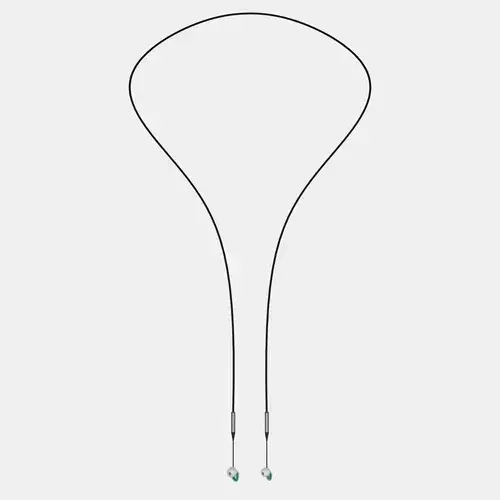
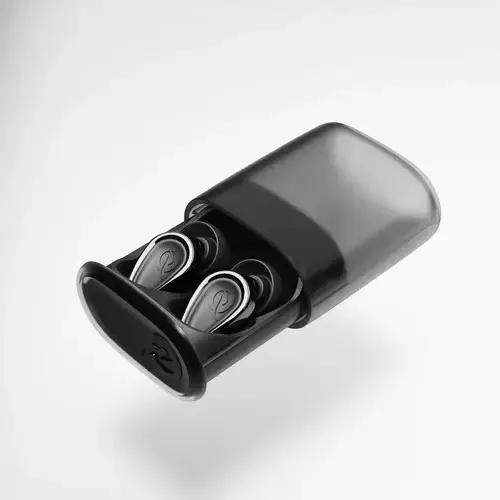
The most effective routine is the one that fits your actual calendar. Keep a pair of reusable earplugs by the front door for commuting, a pair in your work bag for office days and a protective option ready for events or motorcycling. A neck strap or compact case can remove the familiar problem of setting them down and losing them halfway through the day.
For parents, the aim is not to dampen your connection with your child. It is to take the sharpness out of sustained noise so you can respond more calmly. For concertgoers, it is about enjoying the detail of the music without treating ringing ears as the price of a good night. For professionals, it is about protecting attention in environments built for interruption.
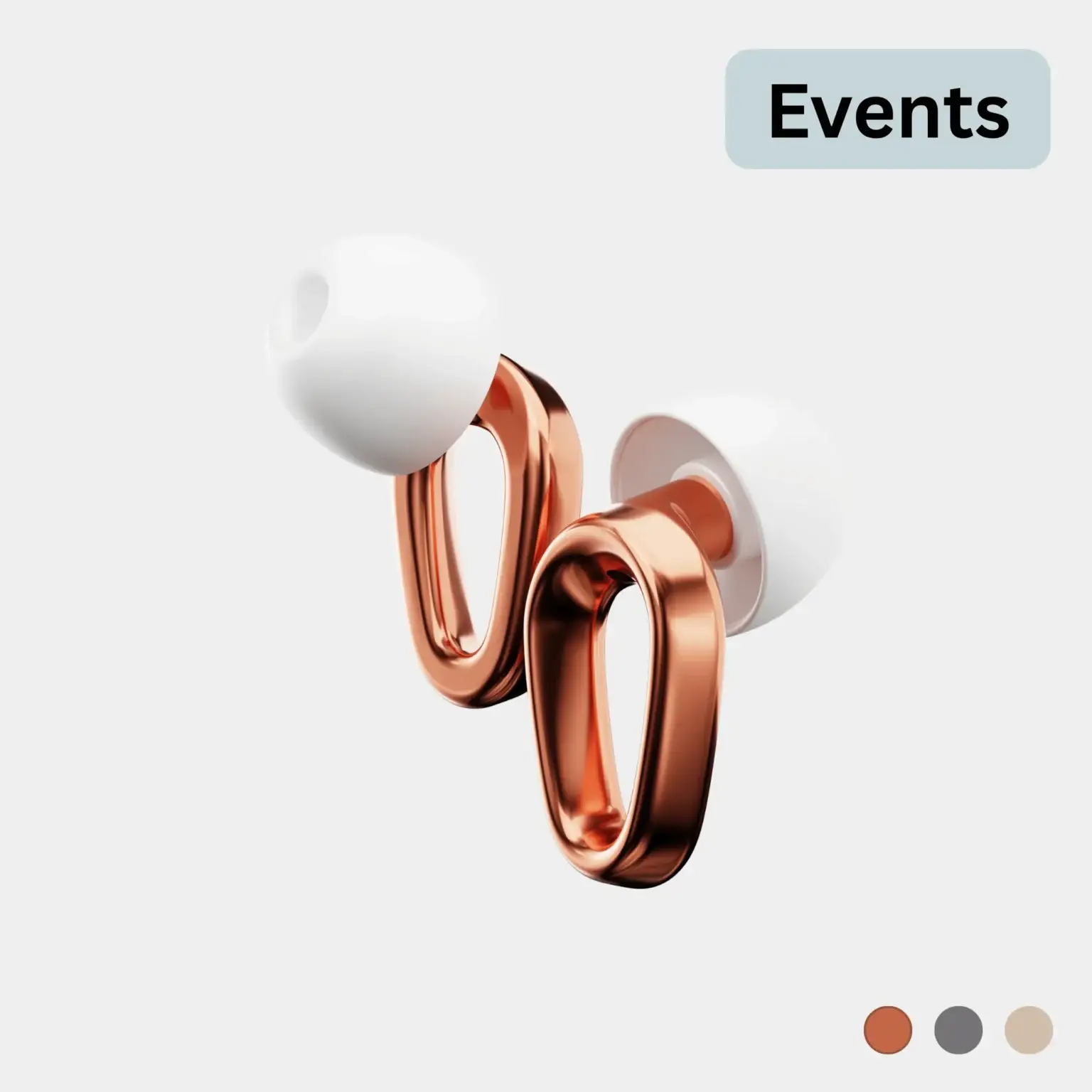
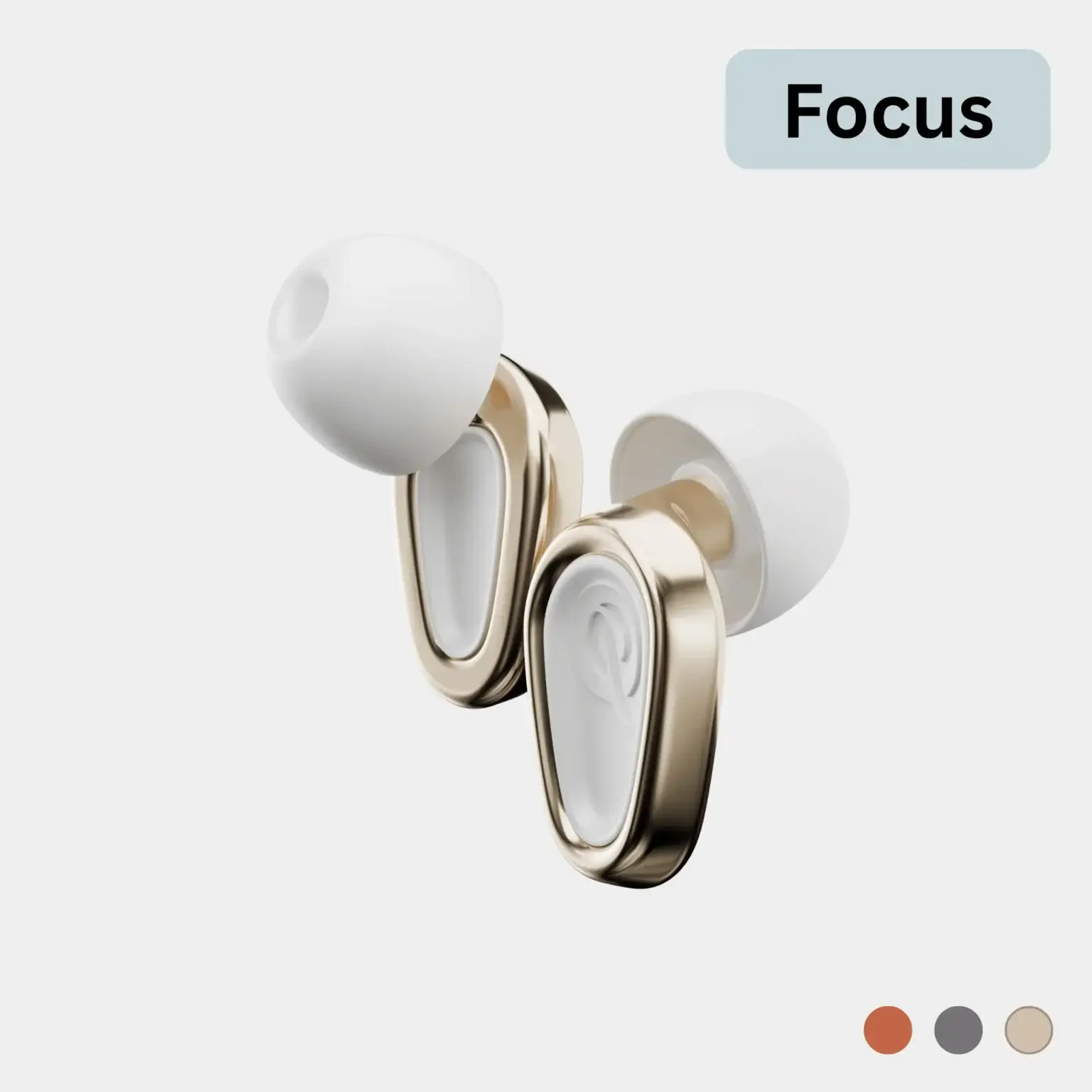
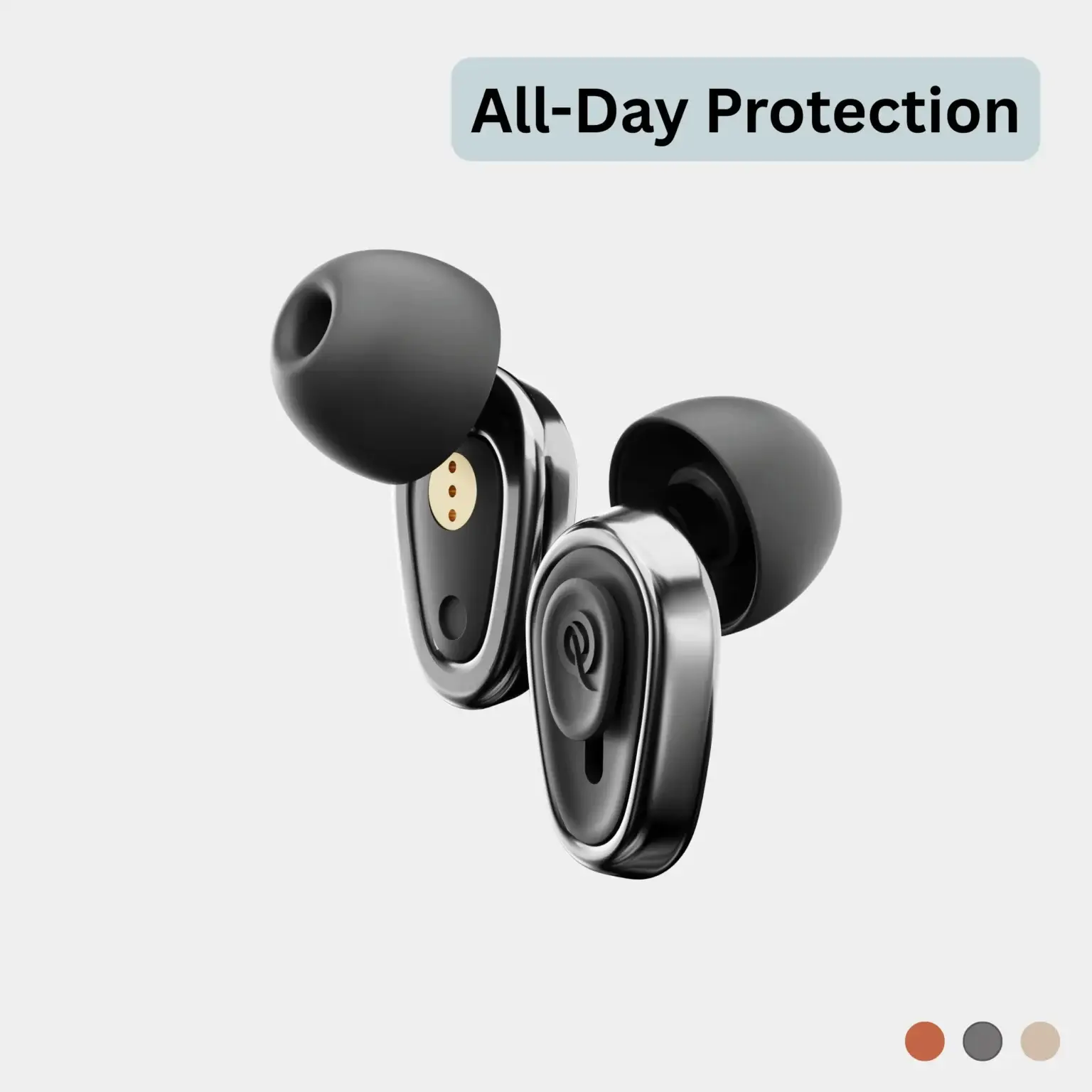
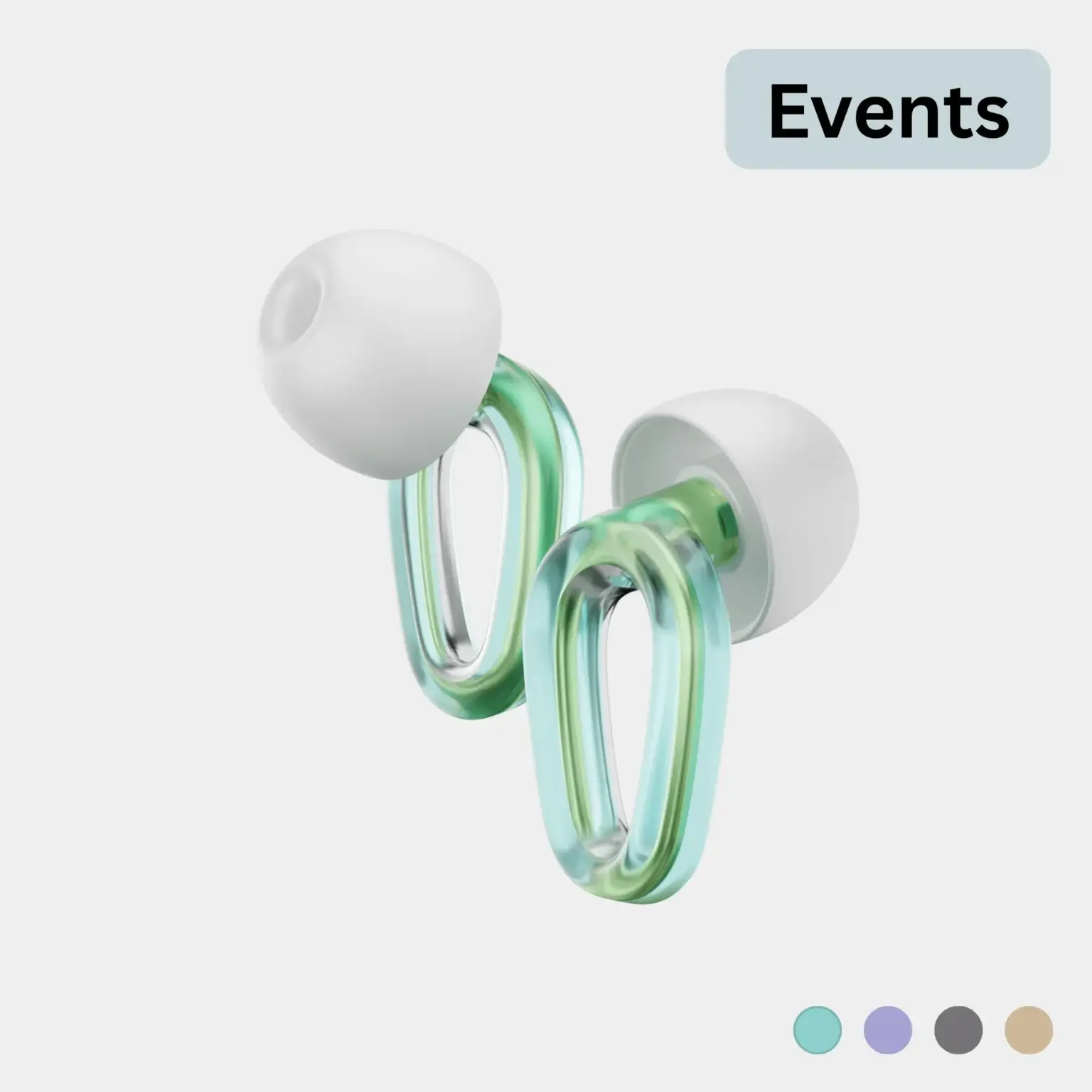
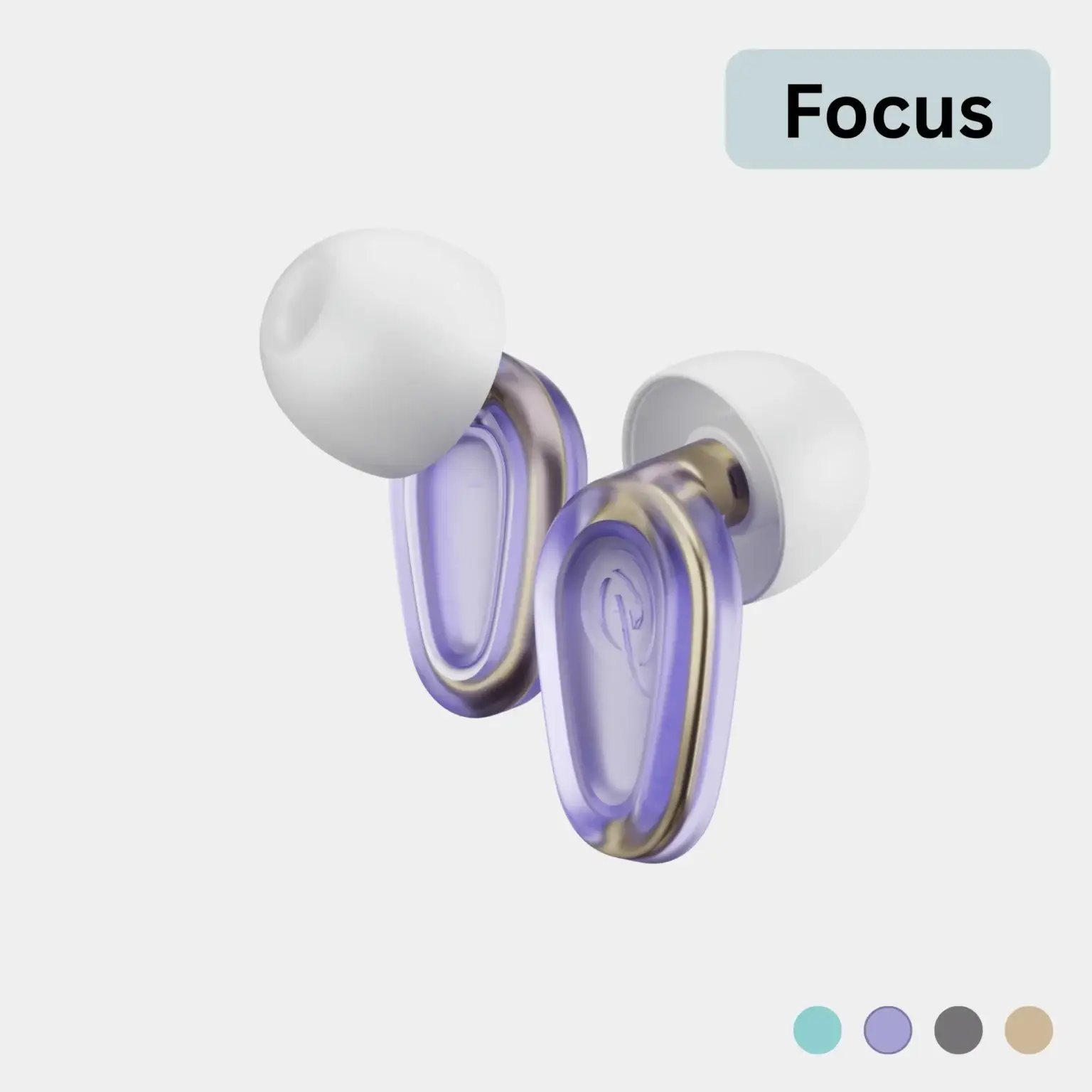
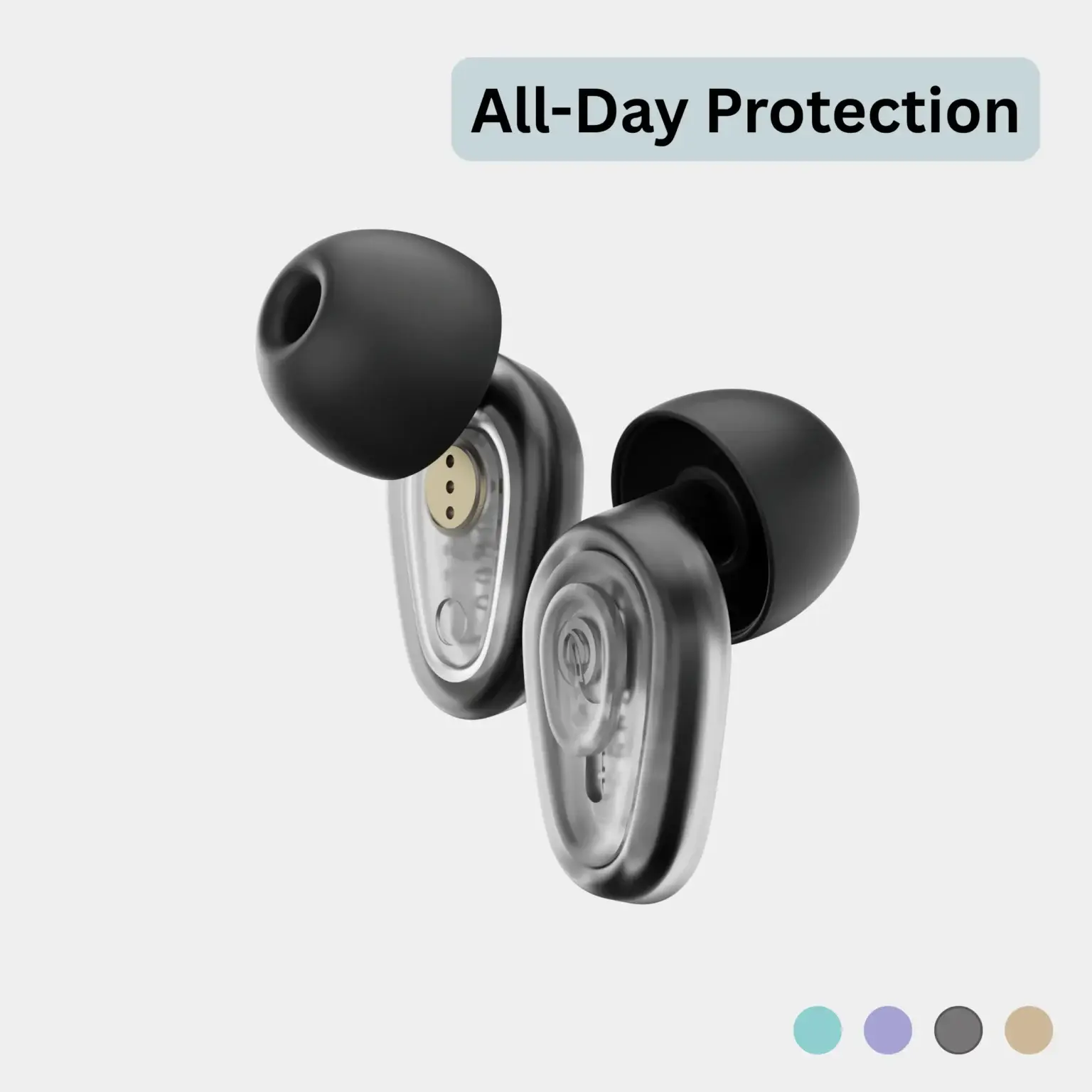
Earmuffz reusable earplugs are designed around that everyday reality: discreet, comfort-first noise control for sleep, focus, travel, events and demanding environments. Choose the level and style that matches the situation, use it consistently and let your routine do the hard work.
Sound sensitivity does not have to decide where you go, how long you stay or how much energy you have left afterwards. Give yourself permission to lower the volume early, take recovery seriously and leave space for the moments you actually want to hear.