
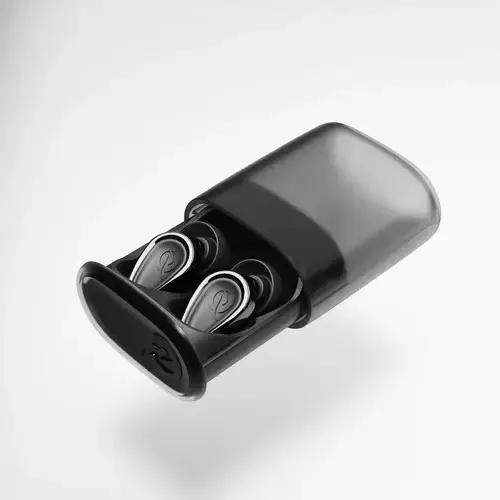

A concert that leaves your ears ringing. A train carriage that turns a focused commute into sensory overload. A partner’s snoring that steals another night’s sleep. Noise is part of life, but putting up with it is optional. Earplug certification gives you a way to look beyond bold packaging claims and choose protection built to perform.
The short version: certification and tested attenuation ratings help show that earplugs have been assessed against recognised requirements. They do not mean every earplug will feel the same, fit every ear, or make every environment silent. The right choice is about matching proven protection with the comfort and control your day demands.
What Earplug Certification Actually Proves
A certified earplug is not simply a product that blocks sound. It is a product assessed against a defined standard for hearing protection, with requirements that can cover its acoustic performance, construction, instructions and marking.
That matters when you need more than a vague promise to “reduce noise”. If you ride a motorbike, work around machinery, attend loud venues or want dependable attenuation in busy places, recognised testing gives the product claim a proper foundation.
For everyday users, the key distinction is simple. A noise-reduction figure should come from a relevant test method, not a guess. Certification can also indicate that the product is being placed on the market with the documentation, labelling and safety framework expected for protective equipment.
It does not turn earplugs into a force field. Fit remains crucial. An earplug that is technically capable of strong attenuation but sits loosely in your ear may offer far less real-world protection than the label suggests.
Earplug Certification Labels to Know
The labels can look technical, but you only need to understand what each one is designed to tell you. The most common names you may see are CE, EN 352, SNR and ANSI, with NRR often used alongside the latter.
CE marking and EN 352
In Great Britain and Europe, CE marking is widely recognised on personal protective equipment. Where it applies, it signals that a product has been assessed against relevant legal and safety requirements for its intended market. Depending on where and how a product is sold, UK conformity marking may also be relevant.
EN 352 is the European standard series for hearing protectors. Different parts of the series apply to different designs, including earplugs and earmuffs. For earplugs, EN 352-2 is the standard most commonly associated with non-electronic earplugs.
Seeing EN 352 referenced should prompt a useful question: is the product being presented as hearing protection, and is its performance backed by testing for that category? This is more meaningful than a generic claim that a product is “noise cancelling”, a phrase that can mean very different things across consumer products.
SNR: the European noise rating
SNR means Single Number Rating. It is a European measure, expressed in decibels, intended to indicate an earplug’s overall sound attenuation under laboratory conditions. A higher SNR generally means greater potential noise reduction.
That number is helpful, but it is not a volume dial. An SNR of 30 dB does not mean all sound becomes 30 dB quieter at your ear in every situation. Sound contains different frequencies, ears vary, and insertion technique changes results. Use it as a comparison tool between like-for-like products, not as a guarantee of silence.
Some technical information also separates attenuation into low, medium and high frequency figures. This can be useful because traffic rumble, speech and high-pitched equipment noise do not behave in the same way. For most shoppers, though, fit, comfort and a credible overall rating are the starting point.
ANSI and NRR
ANSI refers to standards developed in the United States. The rating most consumers encounter is NRR, or Noise Reduction Rating. Like SNR, it is measured in decibels and is designed to communicate laboratory-tested attenuation.
SNR and NRR are not interchangeable. They are calculated under different systems, so you should not compare the numbers as if they were identical. A higher number in one system does not automatically mean it outperforms a lower number in the other.
For UK buyers, an EN 352 reference and SNR rating will usually feel more familiar for hearing-protection decisions. ANSI and NRR details can still be useful, particularly when comparing products sold internationally. The smart move is to check which standard the figure relates to before judging it.
Why Fit Can Beat a Bigger Number
The most impressive test result loses value if you avoid wearing the earplugs. Bulky protection left in a drawer cannot help on the motorway, in the office or at a gig.
Comfort is performance. A low-profile design, soft eartips and a secure seal make it easier to wear earplugs consistently, whether you are concentrating through a noisy afternoon or trying to rest on an overnight flight. Reusable earplugs also need to hold that comfortable fit through repeated use and cleaning.
This is where your environment matters. For sustained high-noise exposure, choose protection with an appropriate certified attenuation rating and make sure it is fitted correctly. For a café, shared workspace or commute, you may want controlled reduction that takes the edge off without cutting you off from the world. For sleep, comfort against the pillow can matter as much as the headline figure.
A product that balances tested protection with all-day wearability gives you more chance of actually using it when noise shows up.
How to Read a Product Claim Before You Buy
Start with the use case, then read the claim closely. If you need earplugs for motorcycles, loud events or workplace noise, look for a clear reference to the applicable hearing-protection standard and a stated SNR or NRR. Check that the rating belongs to the earplugs themselves, not to a different product in the brand’s range.
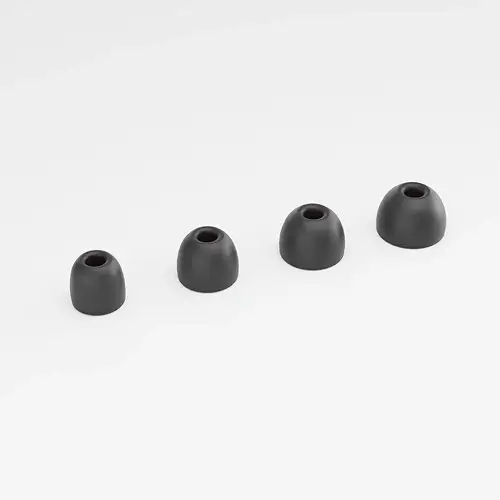
Next, look for practical details. Are multiple eartip sizes included? Is the earplug reusable? Does the brand explain how to insert and care for it? These details are not secondary. A secure, hygienic and comfortable fit supports the performance that testing measures.
Be cautious with claims that promise to block all noise, protect hearing in every setting, or solve tinnitus. No earplug can eliminate every sound, and earplugs are not a treatment for a medical condition. If you experience persistent ringing, sudden changes in hearing, pain or dizziness, speak with a qualified healthcare professional.
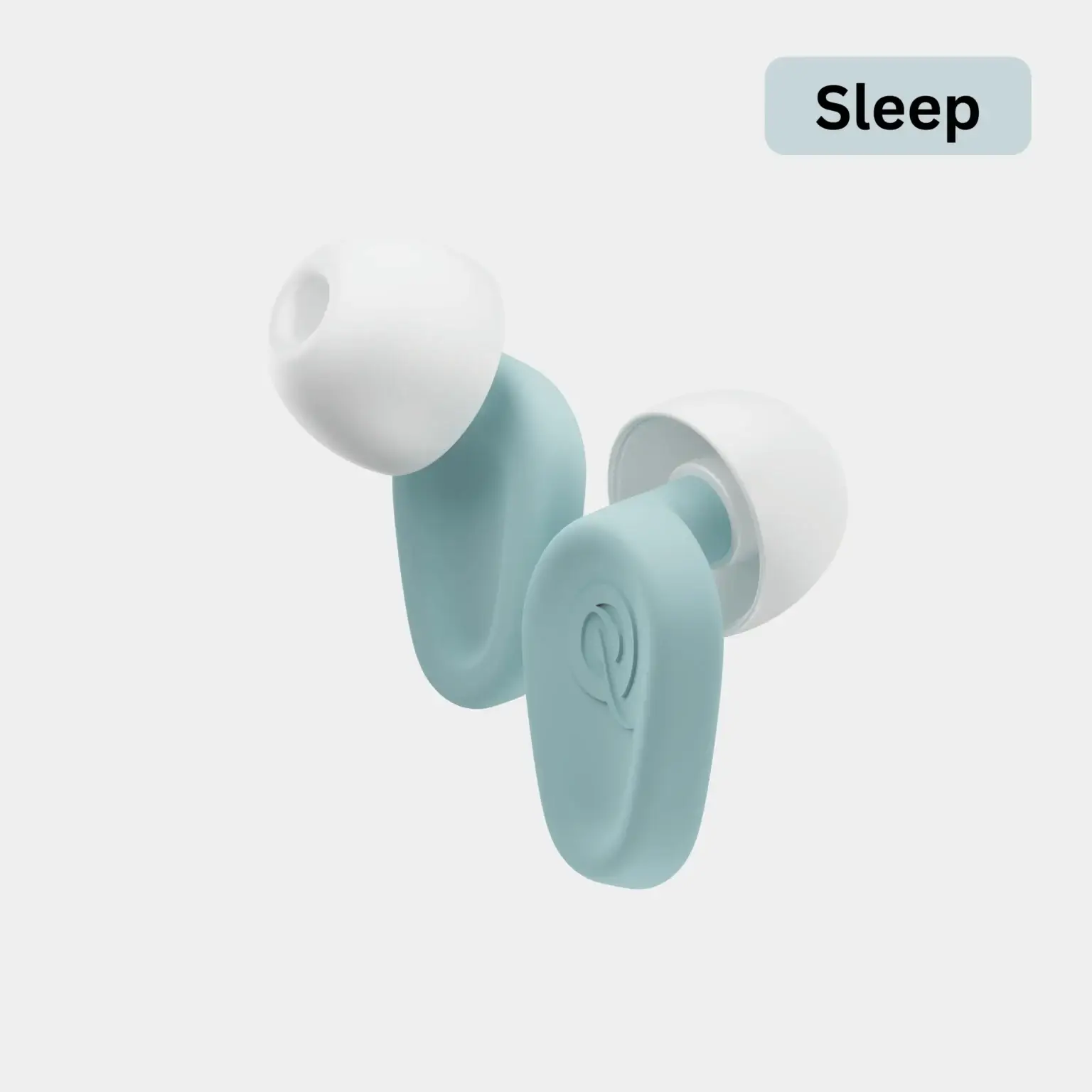
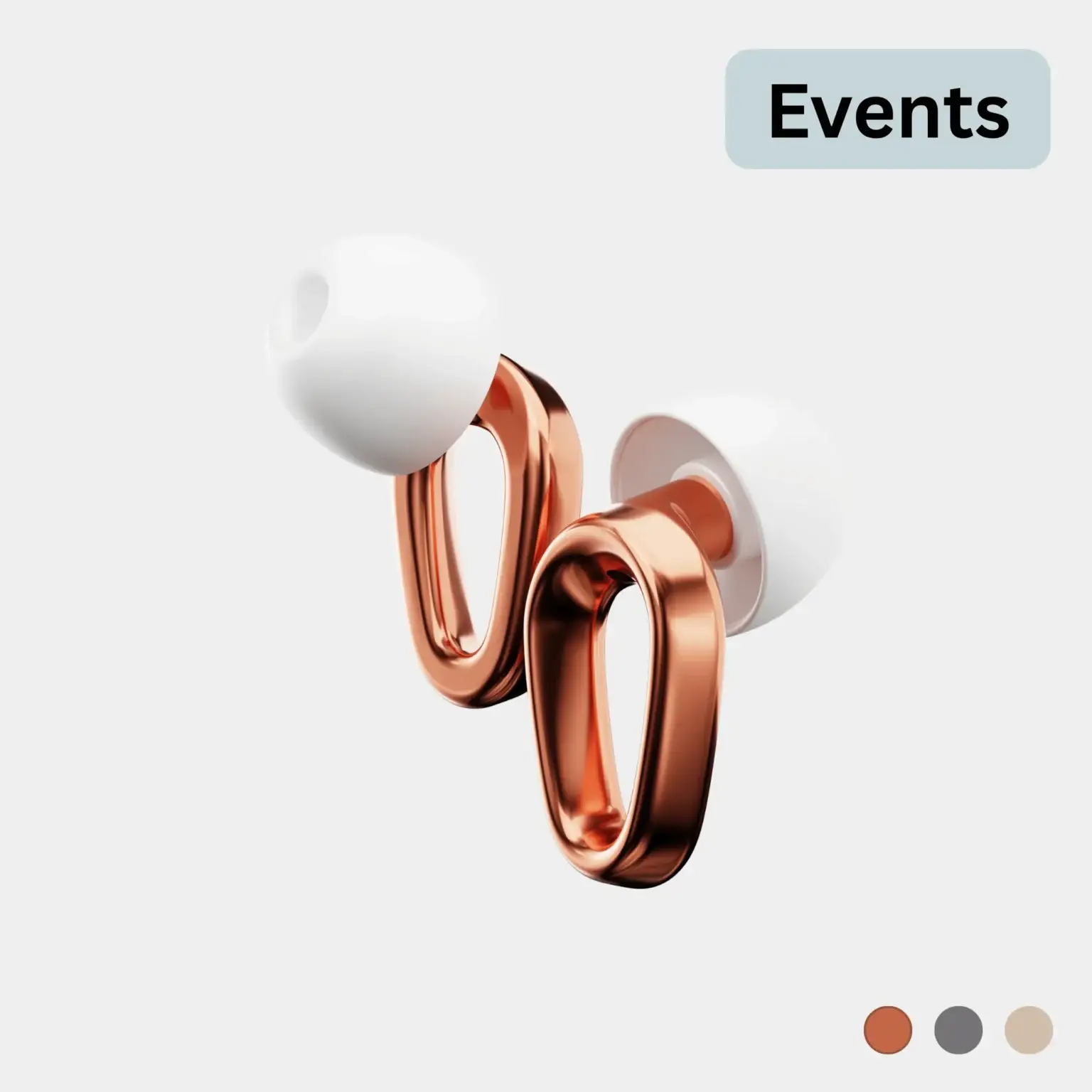
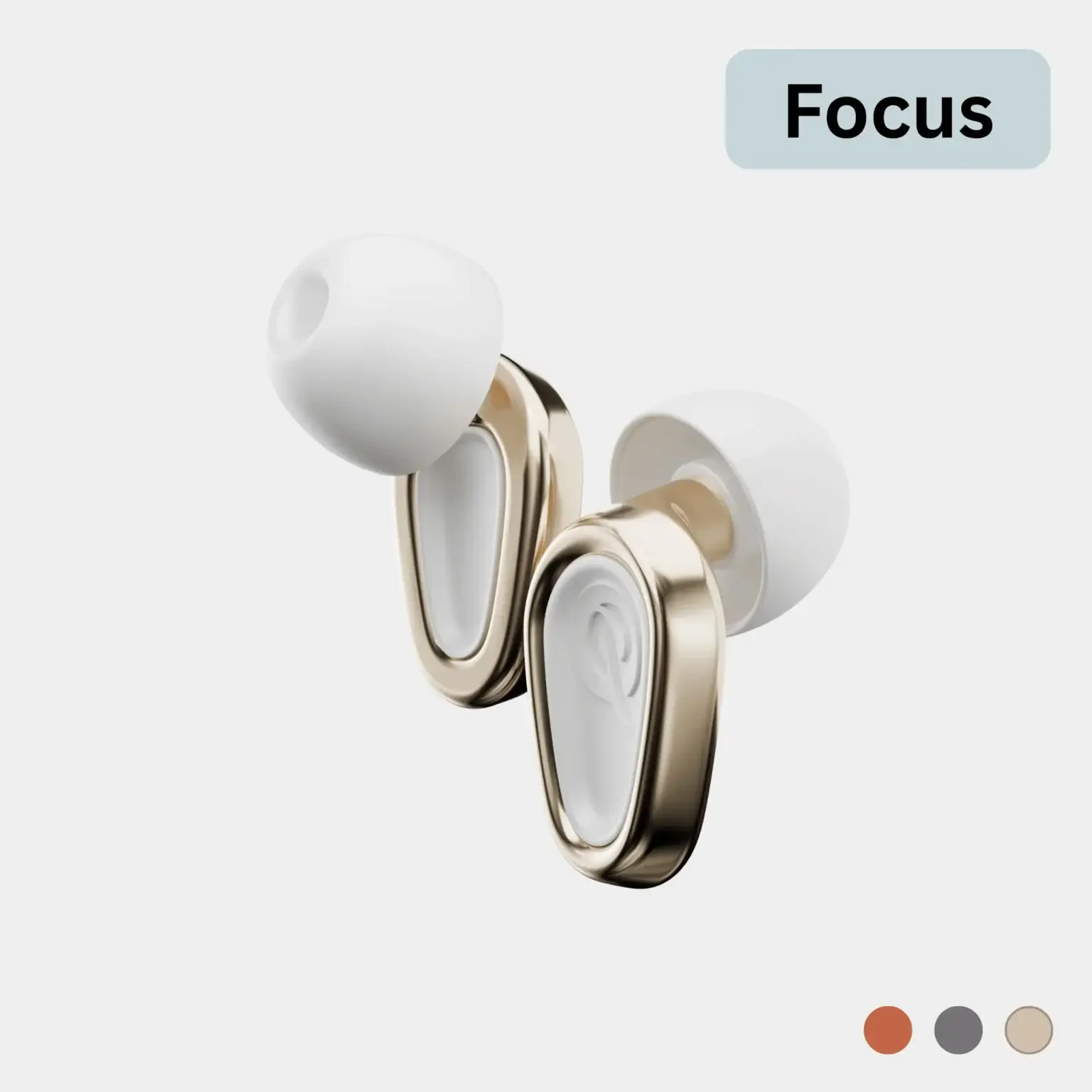
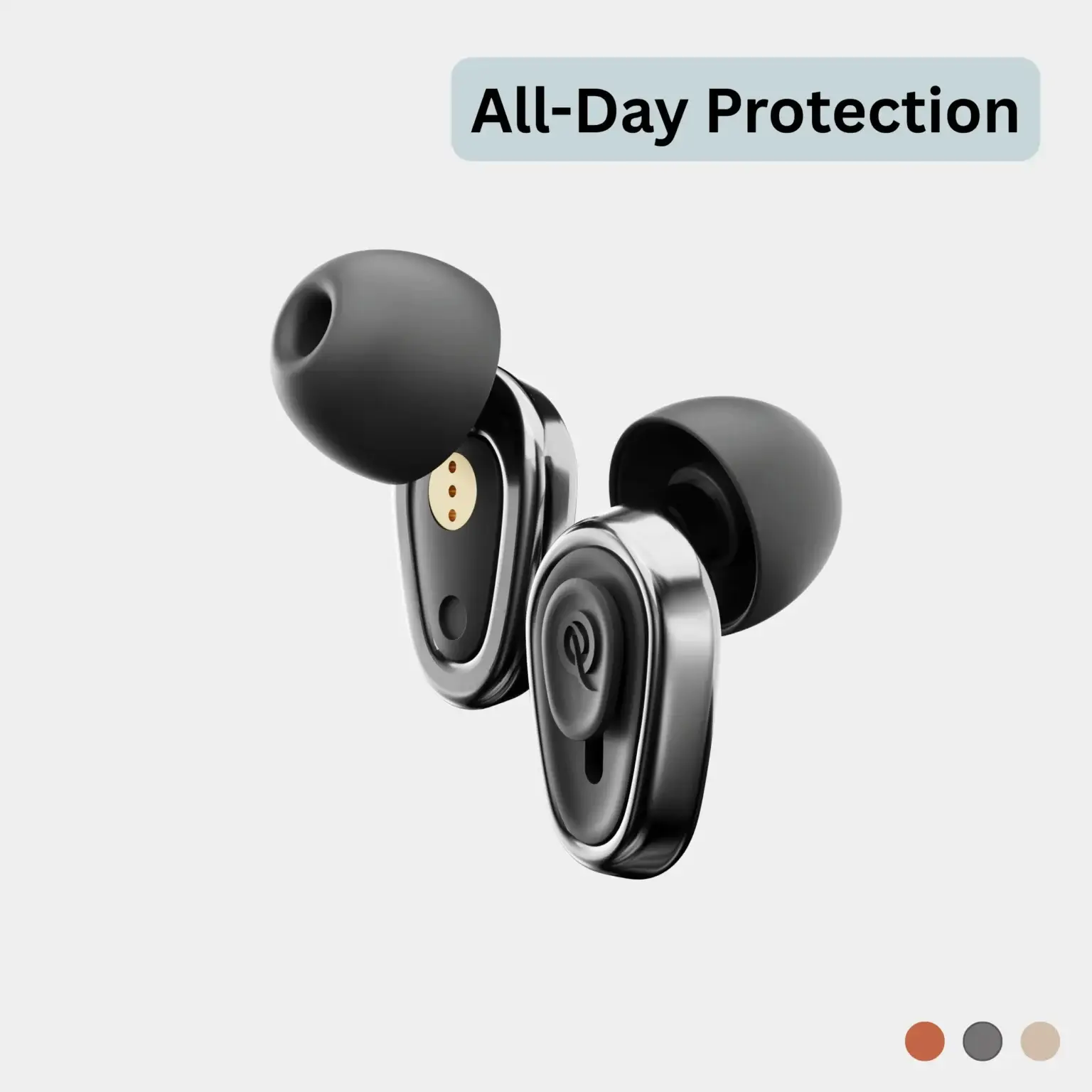
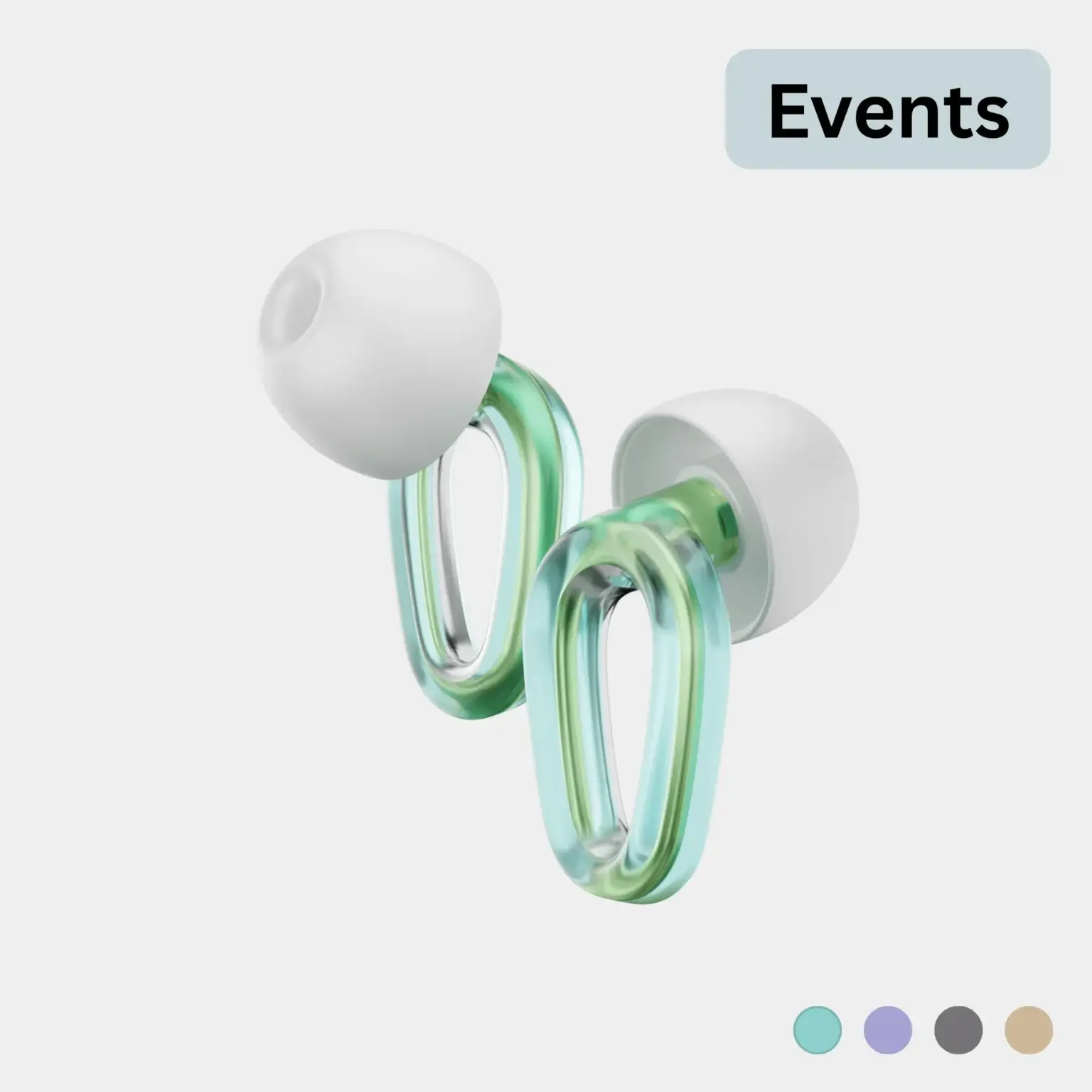
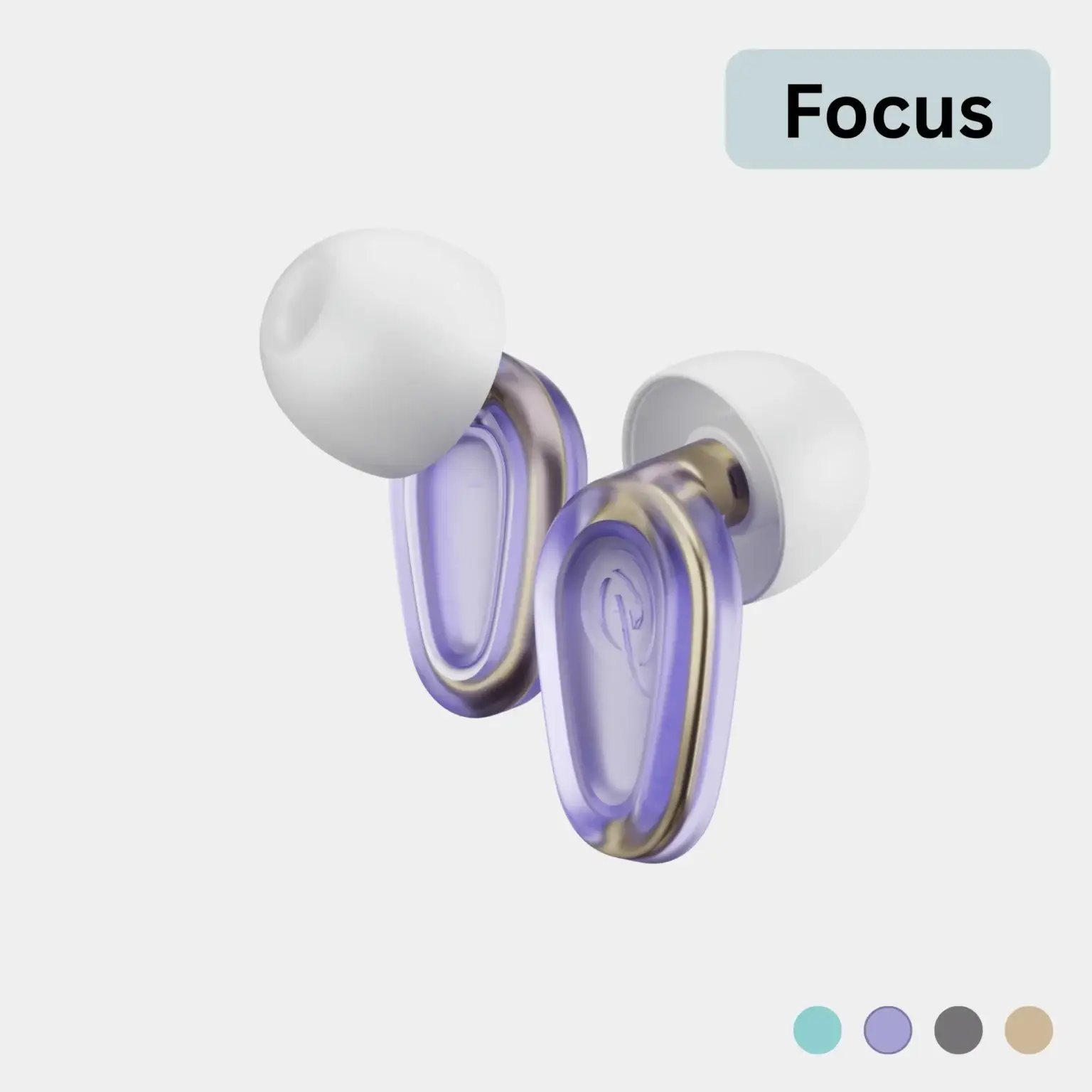
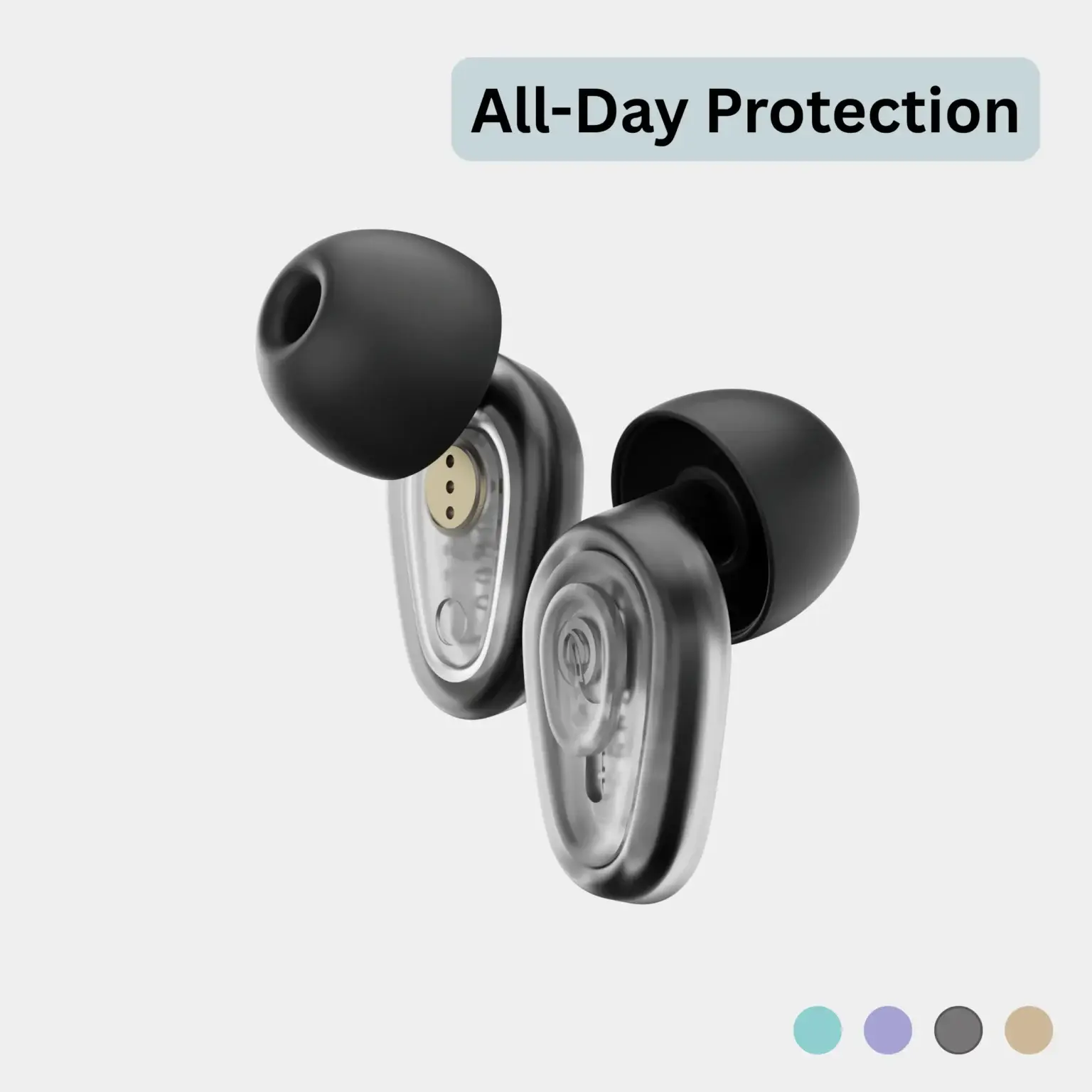
Earmuffz designs its range around real moments – sleep, travel, focus, commuting and louder adventures – while backing its hearing-protection positioning with CE, EN 352 and ANSI references. That combination is useful because it connects technical reassurance to the way people actually wear earplugs.
Certified Protection Still Needs Good Habits
Certification is part of the decision, not the finish line. Insert earplugs according to the instructions, test the seal before you head into a loud environment, and replace damaged or worn eartips. Keep reusable earplugs clean and stored in their case so they are ready when you need them.
Also give your ears recovery time. If a place feels painfully loud, move away from the speakers, take quiet breaks and leave before discomfort becomes ringing. Earplugs help you take control, but sensible exposure choices matter too.
The best earplugs are not the ones with the loudest claims. They are the ones with credible certification, the right rating for your setting and a fit you will choose to wear. Put them in before the noise takes over, and keep the moment yours.