
The train doors shut. A podcast starts. Someone takes a call beside you. By the time you reach work, your ears have already done a full shift. Learning how to protect hearing daily is not about living in silence or stepping back from the things you enjoy. It is about taking control of the volume around you, so you can focus harder, recover faster and keep doing more of what matters.
Hearing damage is often gradual. One very loud event can cause harm, but so can a steady build-up of noisy commutes, high headphone volume, busy cafés, power tools, fitness classes and weekends near speakers. Your ears do not get a reset button at the end of the day. Give them a smarter routine instead.
How to protect hearing daily with volume control
Start by paying attention to duration as well as loudness. A sound that feels manageable for five minutes may be too much over a two-hour journey. A useful rule is simple: if you need to raise your voice to speak to someone an arm’s length away, the environment is probably loud enough to deserve a hearing-protection plan.
This does not mean every noisy moment calls for maximum noise reduction. The right level depends on what you need to hear. At work, you may want to soften chatter and clattering keyboards while keeping conversations clear. At a gig, you want the energy of the music without the harsh edge and ringing afterwards. On a motorbike or train, reducing the constant roar can make the journey far less tiring.
Think of noise control as a dial, not an on-off switch. Lower the volume where you can, move away from speakers when you cannot, and wear appropriate ear protection when the noise is part of the experience.
Make your headphone habits work harder
Headphones are not the enemy. The problem is using volume to overpower the world around you. If you turn up your music to beat engine noise, office chatter or a crowded high street, your ears carry the cost.
Choose well-fitting headphones or earbuds that reduce outside noise, then set your listening volume lower than you think you need. Many phones offer volume-limit settings and listening notifications. Use them. They are not there to spoil your playlist. They are there to flag when a daily habit is becoming an unnecessary risk.
Give your ears breaks too. On a long journey, take ten quiet minutes between albums, calls or podcasts. If your ears feel tired, muffled or ring after listening, treat that as feedback. Lower the level next time and shorten the session.
Build hearing protection into real life
The best earplugs are the ones you will actually wear. Comfort matters. Fit matters. A low-profile design matters when you are commuting, sitting at a desk or trying to sleep on your side. Bulky protection that stays in a drawer offers no protection at all.
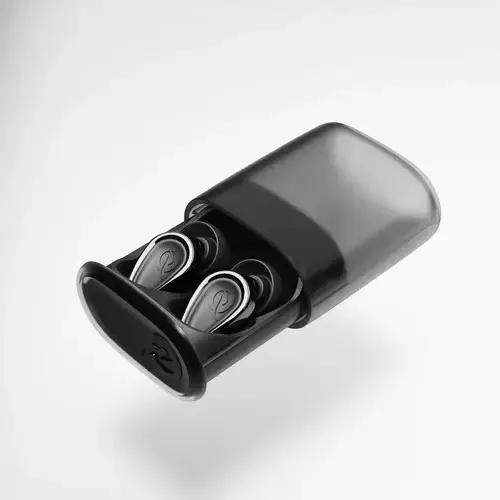
Reusable earplugs make daily protection easier because they can travel with you. Keep a pair in your work bag, jacket pocket or bedside case. That way, you are ready when a quiet co-working space turns into a renovation site, a late train gets packed, or your favourite venue starts pushing serious volume.
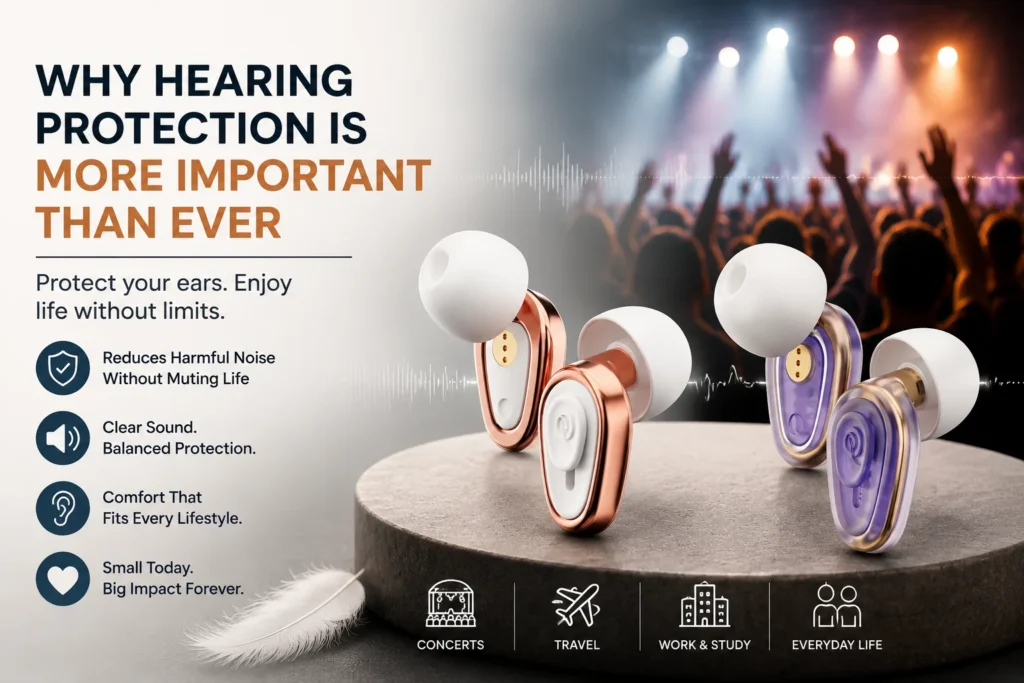
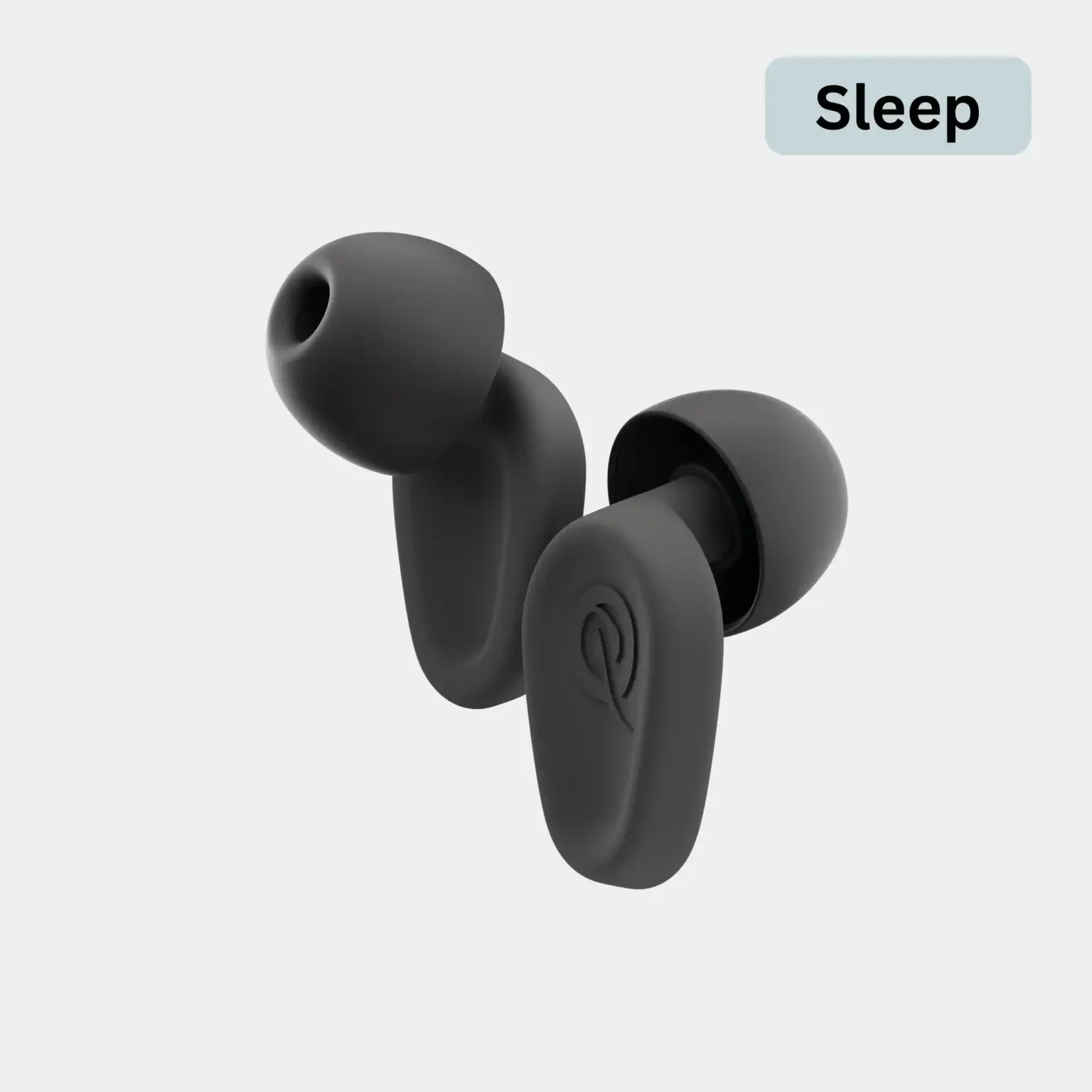
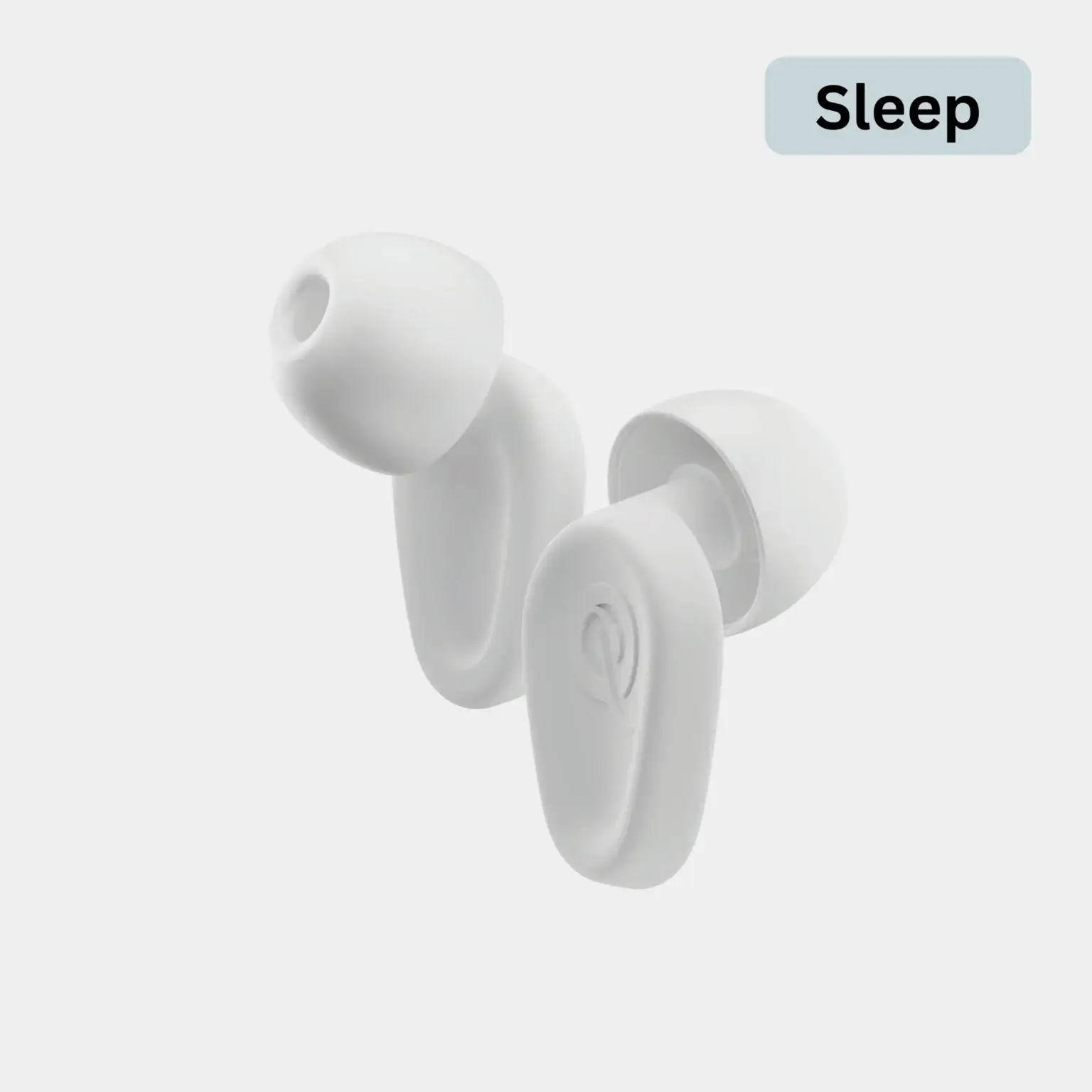
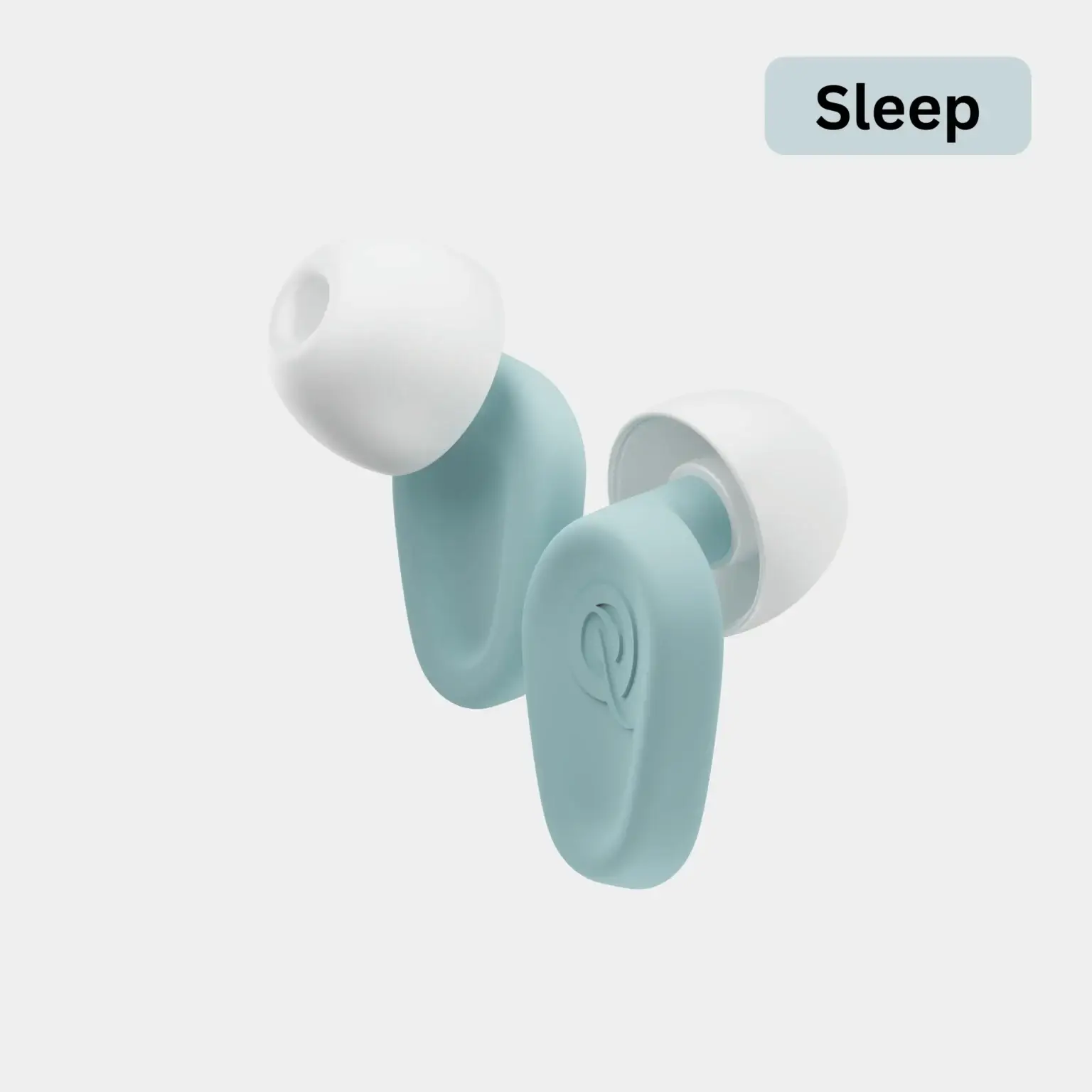
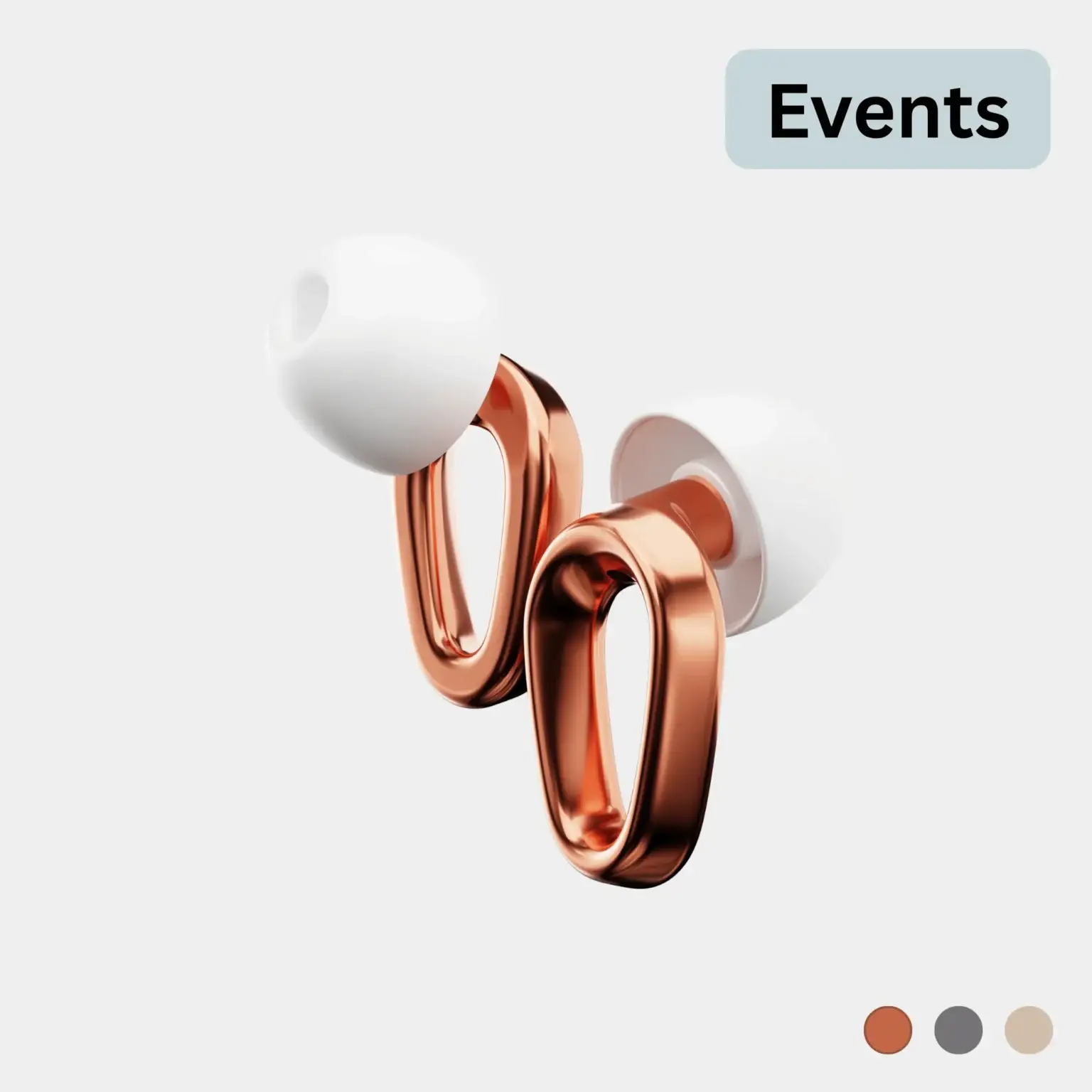
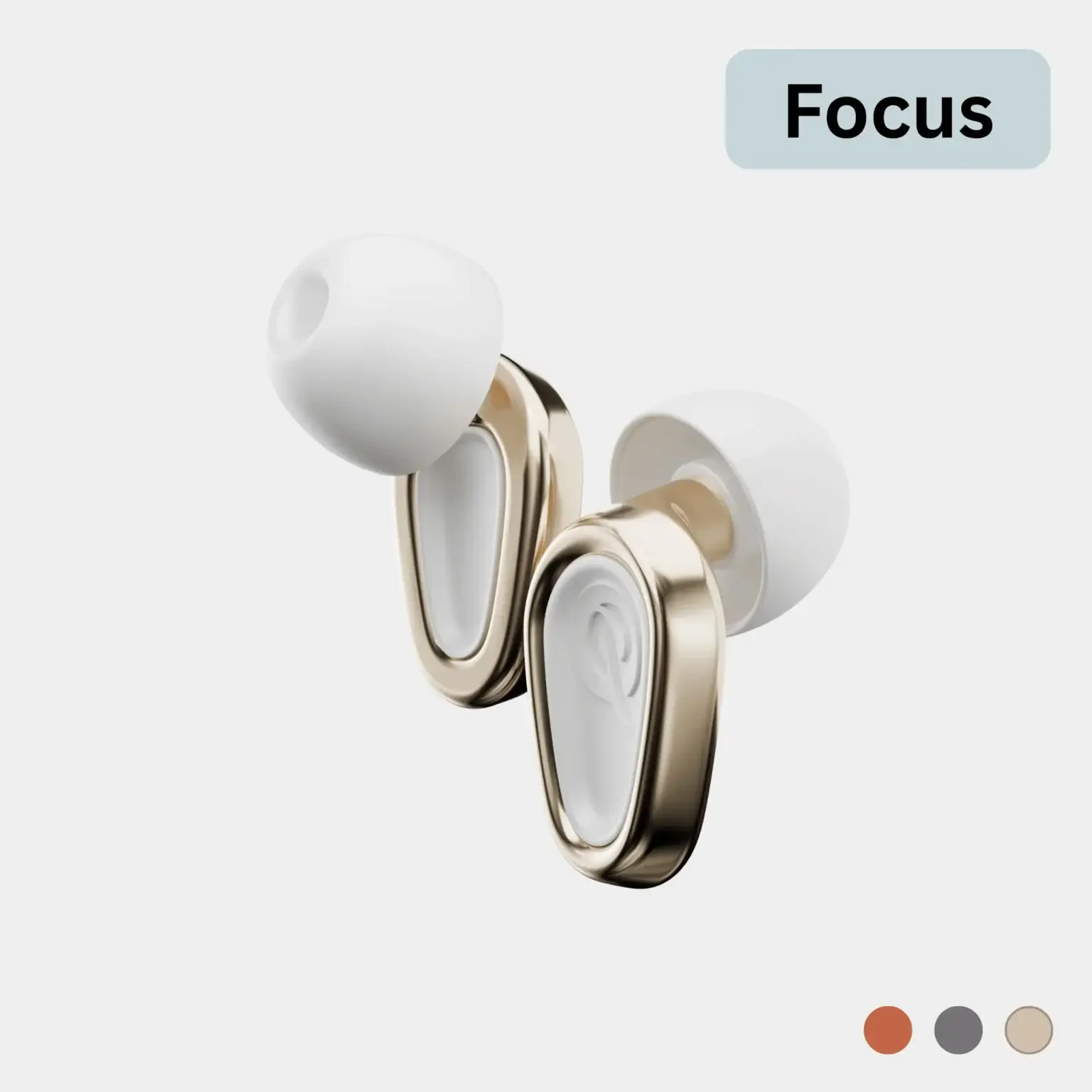
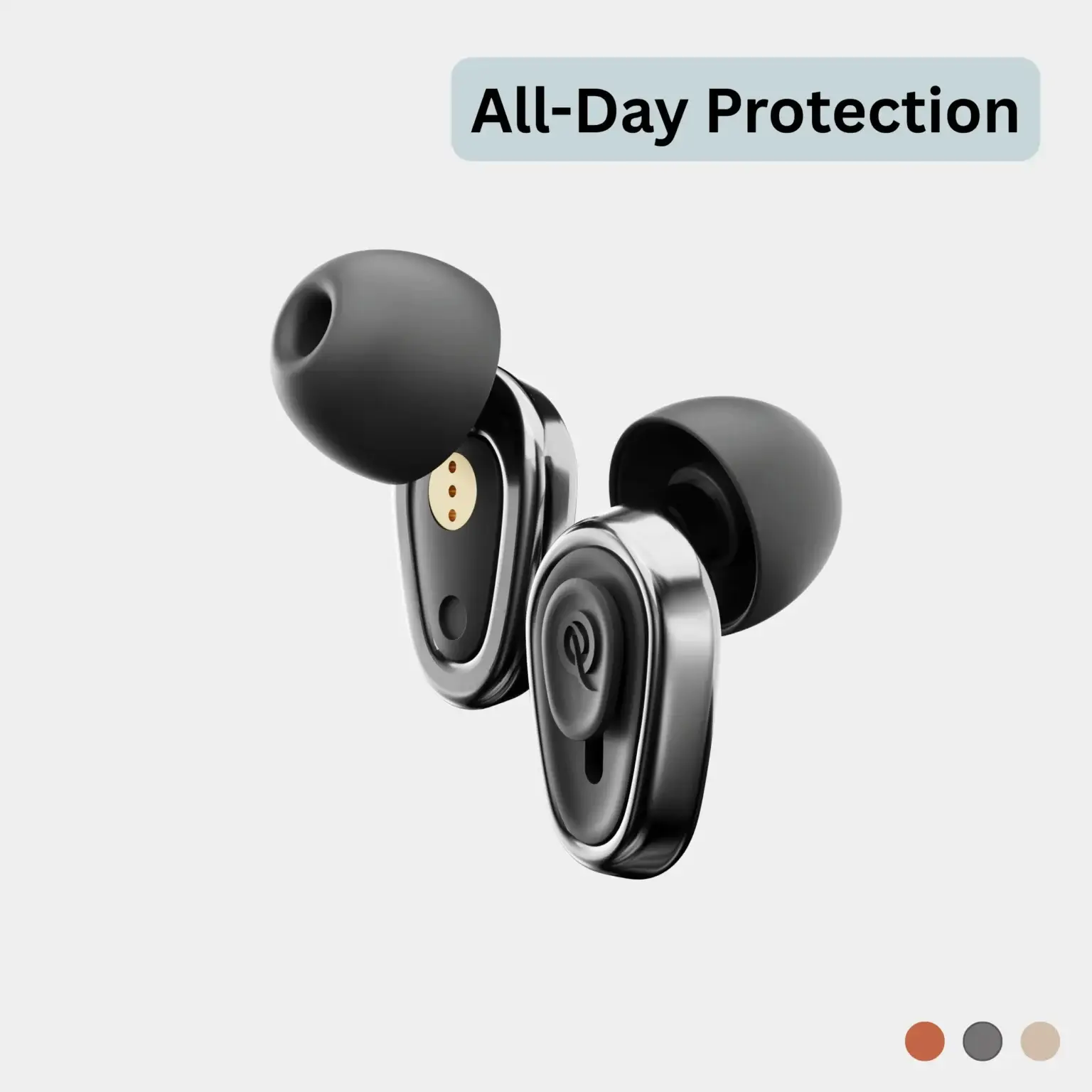
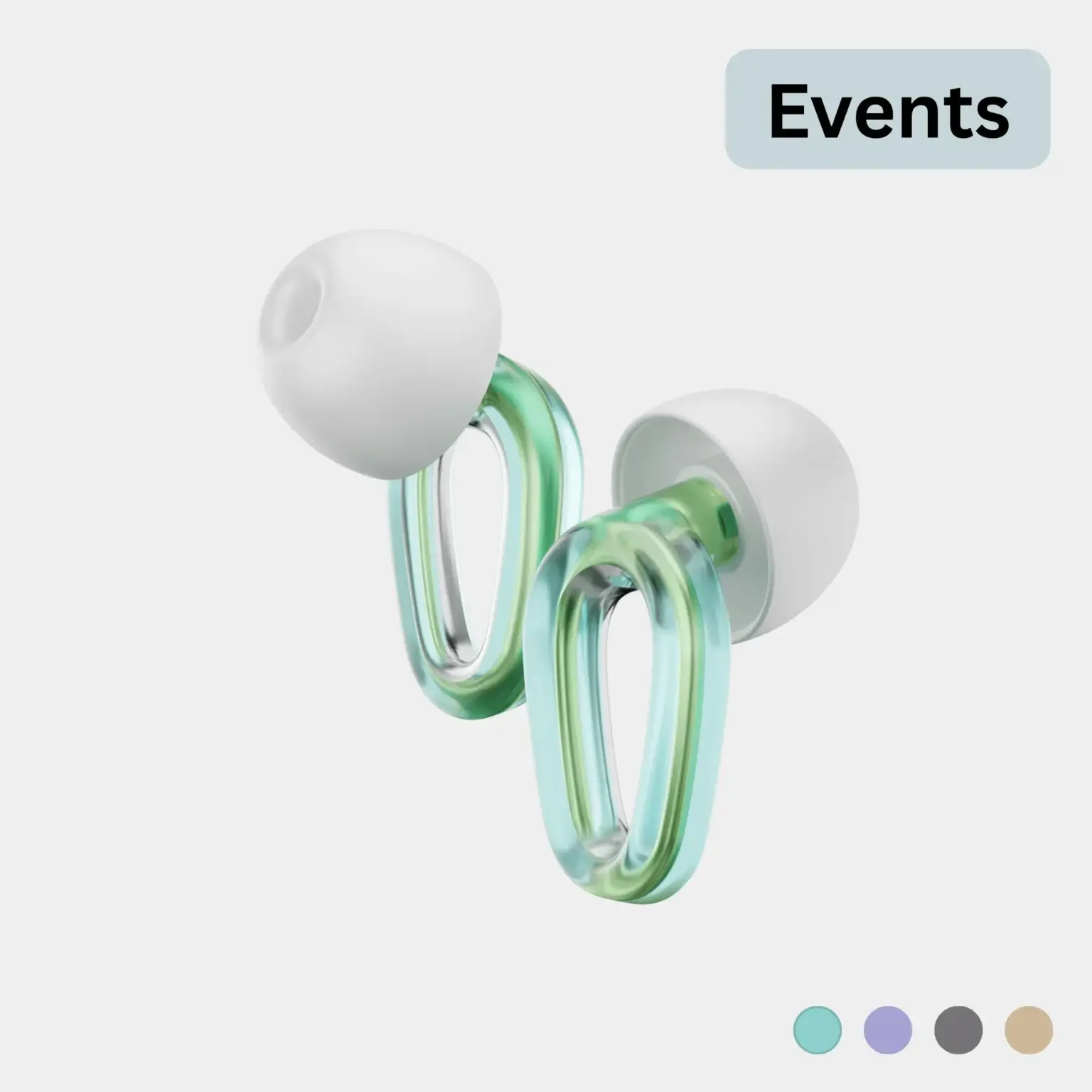
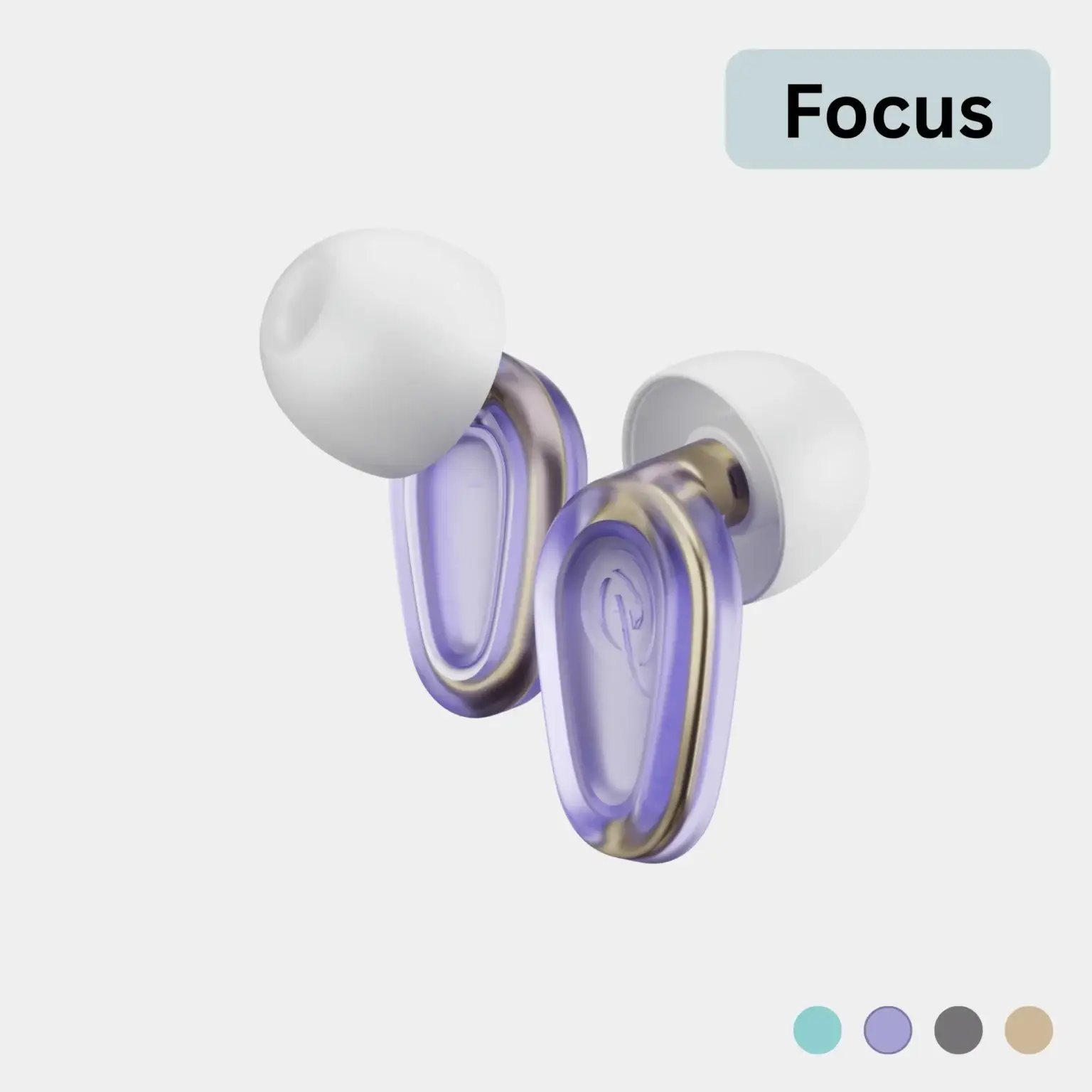
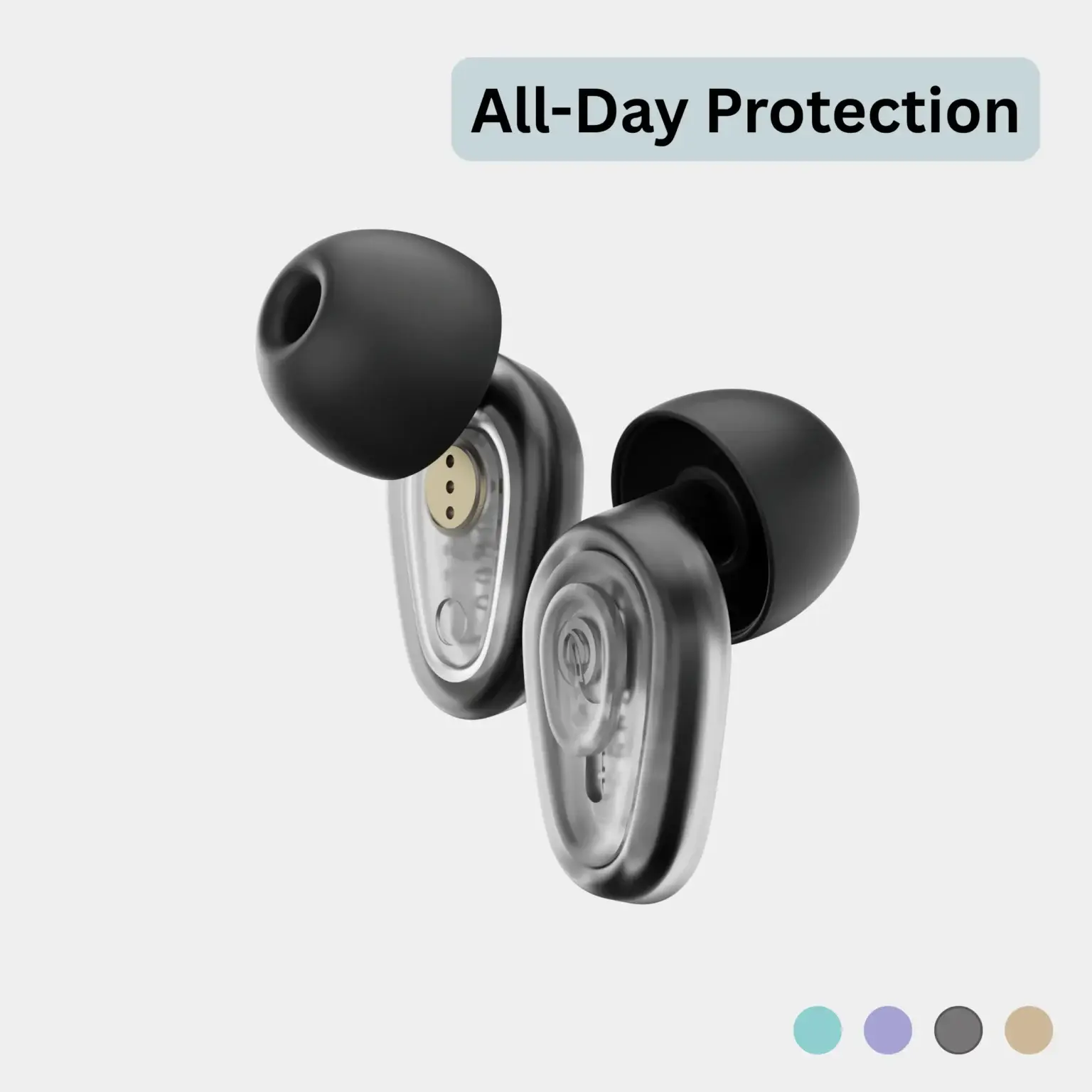
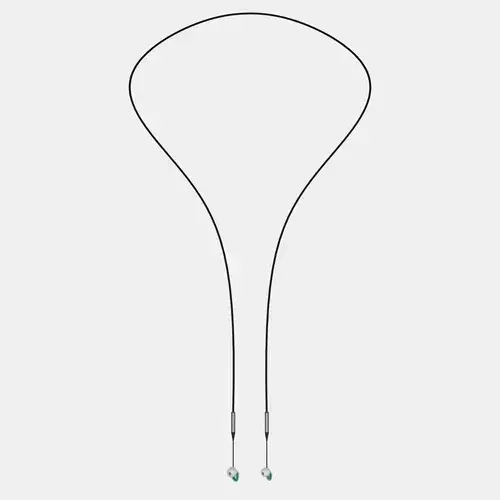
Earmuffz reusable earplugs are designed for that kind of everyday control: a discreet, comfort-first option for reducing noise across work, travel, sleep and loud leisure time. The key is matching the level of reduction and fit to the situation, rather than assuming one solution suits every environment.
Get the fit right
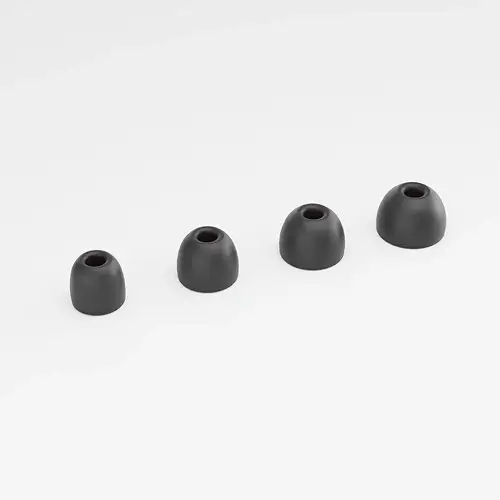
Even high-quality earplugs cannot perform properly if they are poorly fitted. Take a moment to choose the eartip size that seals comfortably without pressure or pain. Your voice may sound slightly different when they are in, which is normal, but you should not feel sharp discomfort, a constant urge to adjust them or a painful blocked sensation.
A good fit reduces sound evenly and stays secure while you walk, talk and move. If one side feels looser than the other, use different tip sizes if available. Ears are rarely identical, and there is no prize for forcing the same fit on both sides.
Clean reusable earplugs regularly, store them in their case and inspect them for wear. This is not just about hygiene. A clean, intact earplug is more comfortable, more likely to seal properly and far more likely to become part of your routine.
Protect your ears where noise sneaks up
Some noisy situations are obvious. Front-row concerts, motorsport and DIY with power tools should immediately put hearing protection on your mind. Other exposures are easier to dismiss because they are ordinary.
Commuting is one. Underground platforms, station announcements, traffic and brake noise can stack up before your working day begins. Open-plan offices are another. They may not be dangerously loud, but constant low-level noise can drain concentration and make you turn your headphones up later. Earplugs that take the edge off can create a calmer working zone without cutting you off from the room.
At home, consider the hidden load of appliances, gardening equipment, home improvements and noisy hobbies. If you use a lawn mower, drill, sander or other equipment that makes conversation difficult, wear suitable protection. For occasional short tasks, it can feel excessive. It is still a better trade-off than gambling with a noise level you cannot reverse.
Parents and carers face their own version of this challenge. You cannot mute family life, and you should not try to block important sounds. But reducing the intensity of prolonged household noise during the most demanding moments can make a real difference to comfort and calm. Choose protection that lets you remain present, rather than isolating yourself.
Do not wait for ringing to take action
Ringing, buzzing, muffled hearing or a feeling of fullness after a loud event are signs to take seriously. Often, they improve with time and quiet, but they are not a badge of a good night out. Give your ears a recovery window: avoid more loud sound, keep headphone volume low and prioritise rest.
If sudden hearing loss, persistent ringing, pain, discharge, dizziness or one-sided symptoms occur, seek medical advice promptly. Earplugs can reduce exposure, but they are not a treatment for an ear condition and they cannot make unsafe conditions safe indefinitely.
This is where context matters. Earplugs are useful for sleep when outside noise is disruptive, but you may need to hear an alarm, a child or a household safety alert. For cycling, walking near traffic or working around hazards, make sure you can stay aware of your surroundings. Protection should support your awareness, not remove it.
A daily routine that is easy to keep
You do not need to analyse every decibel to make a difference. Make a few high-value decisions automatic. Set a sensible headphone limit. Carry reusable earplugs. Step back from speakers at live events. Take quiet breaks after loud exposure. Use proper protection for noisy tools.
Most importantly, stop treating ear protection as something reserved for factories or festivals. Your hearing supports your work, your music, your conversations, your sleep and your sense of ease in the world. Protecting it is not sitting out the moment. It is owning the moment at a volume that works for you.
Next time noise starts competing for your attention, do not just push through it. Turn down what you can, protect against what you cannot, and give your ears the same everyday care you give the rest of your performance.