
Are Earplugs Safe Daily? Wear Them Smarter

A busy train carriage. An open-plan office. A neighbour starting DIY at 7am. Noise does not need to be painfully loud to drain your energy. If you are asking, are earplugs safe daily, the short answer is yes – for most people, when they fit properly, stay clean and are used for the right job.
Daily earplugs can be a practical way to lower the volume on distractions, protect your hearing in noisy places and create more breathing room when sound feels relentless. The goal is not to block out life. It is to take control of the noise that is competing for your focus, rest and comfort.
Are Earplugs Safe Daily for Your Ears?
Earplugs do not usually damage healthy ears simply because you wear them often. Your ear canals are designed to tolerate soft objects, provided those objects are clean, inserted gently and removed without force. Many people wear reusable earplugs daily for commuting, concentrated work, sensory comfort, sleep or regular exposure to loud environments.
The trade-off is that earplugs change the ear canal environment. They can hold in warmth and moisture, collect wax and transfer bacteria from your hands if they are not cleaned. A poor fit can also create pressure, rubbing or soreness. Those issues are avoidable for most wearers, but they are a signal to adjust your routine rather than push through discomfort.
The safest approach is simple: use earplugs that suit the activity, choose the right eartip size, keep them clean and give your ears attention if anything feels off. Comfort is not a luxury feature. It is part of safe daily wear.
What Daily Use Can and Cannot Do
Well-fitted earplugs reduce the sound reaching your ears. That can lower your exposure to potentially harmful noise, especially around traffic, power tools, motorsport, live music and loud machinery. They may also make everyday environments feel less exhausting if you are sensitive to unpredictable sound or managing tinnitus.
They do not make you invincible around noise. Sound reduction is not sound elimination, and a product’s rating does not mean every situation is safe for unlimited time. Extremely loud work environments may require purpose-built hearing protection, workplace procedures and, in some cases, earmuffs worn with plugs. Follow the safety rules for your job and never rely on lifestyle earplugs where specialist protection is required.
Earplugs can also make your own voice, breathing and chewing seem louder. This is called the occlusion effect. It can feel strange at first, particularly when speaking in meetings or eating lunch. It is not normally harmful, but a lower-profile fit or a different level of attenuation may feel more natural.
Earwax is not the enemy
Earwax protects the ear canal by trapping debris and helping maintain healthy skin. Earplugs do not create wax, but regular insertion can compress existing wax or stop it working its way out as easily. If sounds become muffled even without earplugs, or your ears feel blocked, wax may be involved.
Do not dig into your ears with cotton buds, hairpins or anything else. That can push wax deeper and irritate the canal. A pharmacist, GP or qualified hearing professional can advise on safe wax management, particularly if blockages keep returning.
The Daily Routine That Keeps Earplugs Comfortable
The easiest habit is to treat reusable earplugs like a toothbrush or water bottle: personal, regularly cleaned and stored properly. Wash your hands before handling them. After use, wipe or wash the earplugs according to the manufacturer’s care instructions, allow them to dry fully and put them back in their case.
Never insert an earplug that is visibly dirty, damp, split or misshapen. Moisture trapped against the skin can raise the chance of irritation, particularly after exercise, swimming or a long humid commute. If you have been sweating heavily, clean and dry both your outer ear and the plugs before wearing them again.
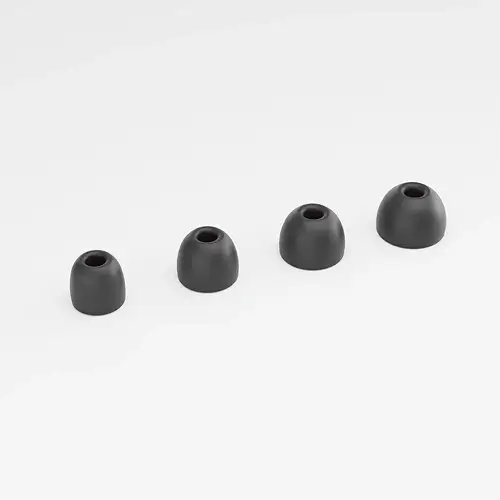
Fit matters just as much. An earplug should sit securely without stabbing, pinching or needing to be forced. If it aches after a short time, feels loose, or creates an intense pressure sensation, try a smaller or larger eartip. A seal should feel stable, not aggressive.
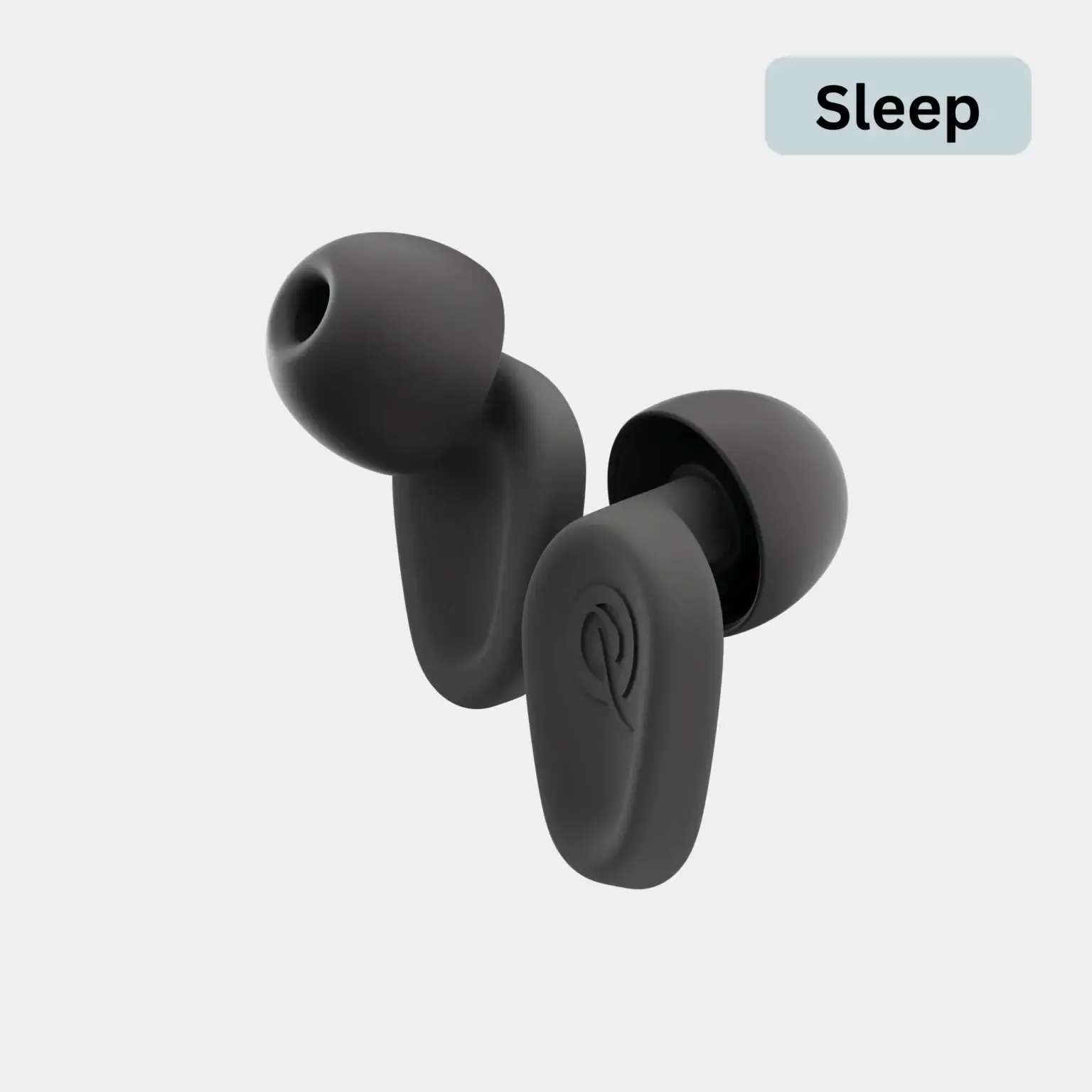
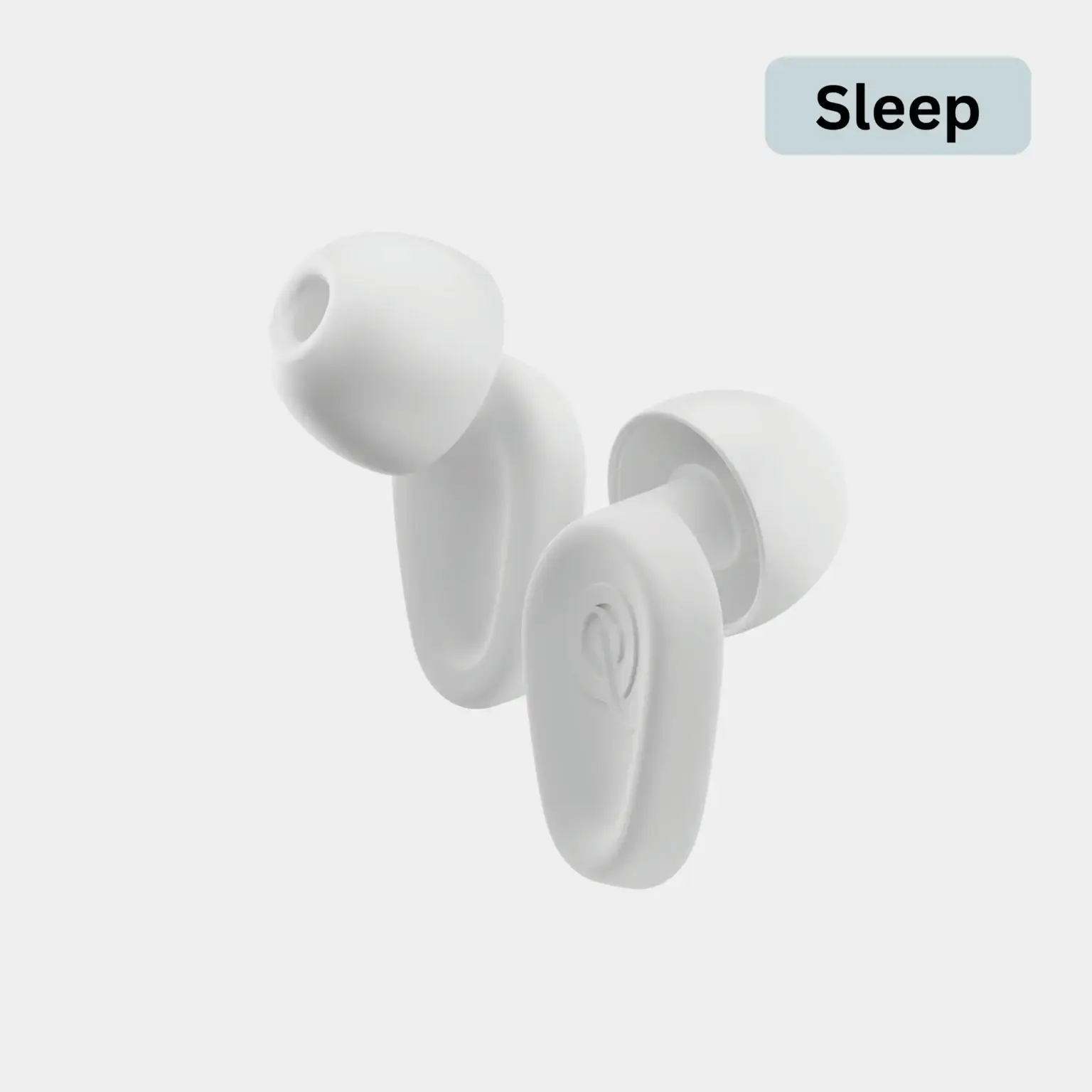
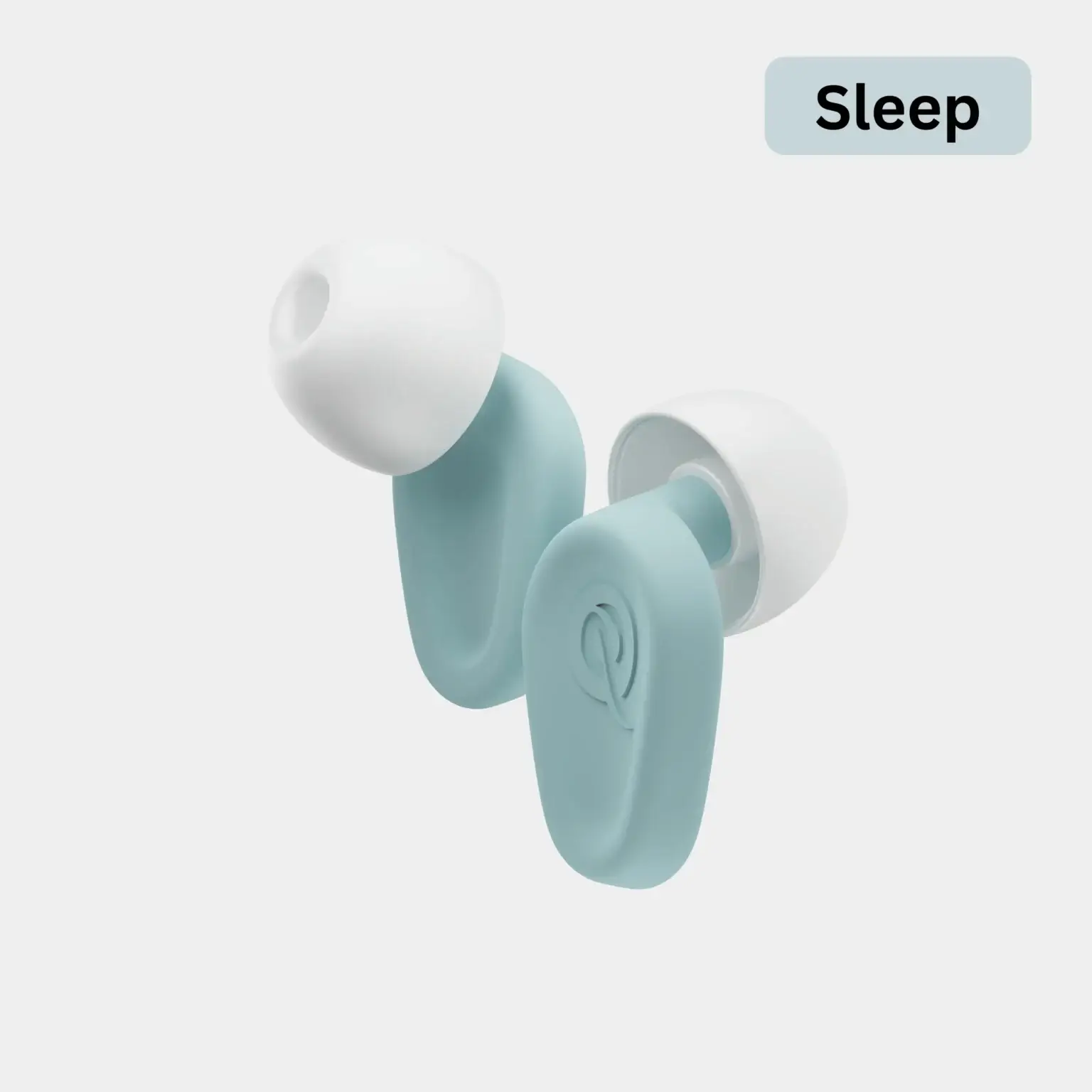
For sleep, side sleepers should favour a low-profile design that does not press hard into the pillow. Even a comfortable plug may become uncomfortable after several hours if it protrudes too far. Test the fit for an evening before relying on it for a full night’s sleep.
Match Your Earplugs to the Moment
One pair can be versatile, but not every noise problem needs maximum reduction. The best daily setup preserves awareness when you need it and reduces sound when it counts.
For focused work, moderate sound reduction can soften keyboard clatter, chatter and building noise without leaving you cut off from colleagues. On public transport, earplugs can take the hard edge off wheels, brakes and crowded platforms while you remain alert to announcements. For concerts, motorsport or riding, use hearing protection designed for those higher-noise conditions and fit it before the volume rises.
At night, the priority is stable comfort and enough noise reduction to make sleep possible. Earplugs can help with snoring, street noise and shift-work rest, but they cannot solve every sleep issue. If you are regularly waking with ear pain, headaches or a blocked feeling, reassess the fit and speak to a health professional if it continues.
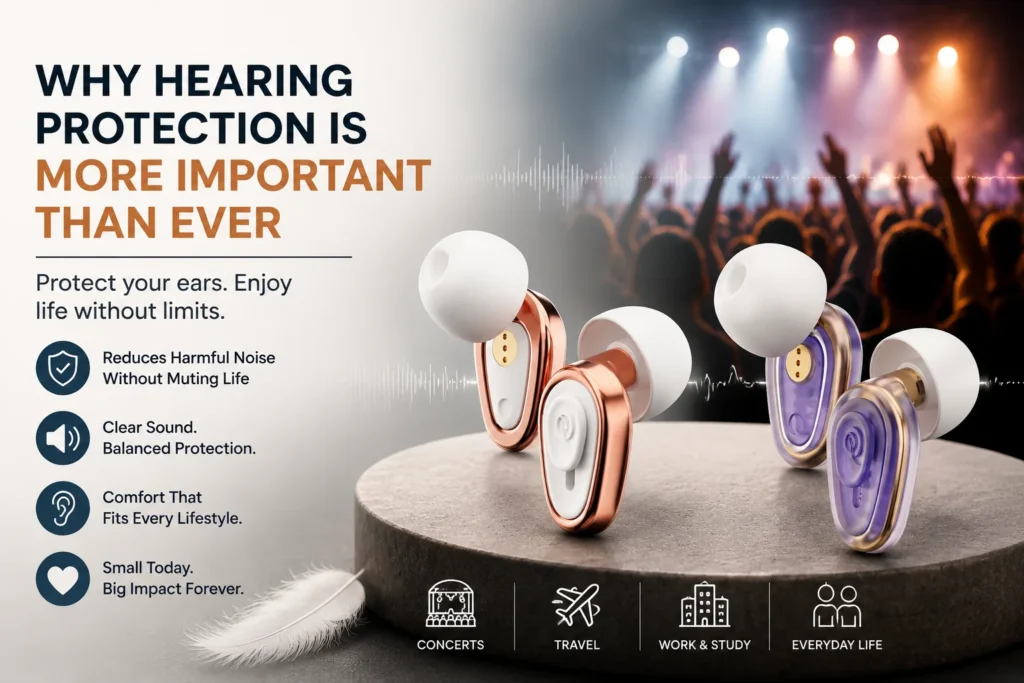
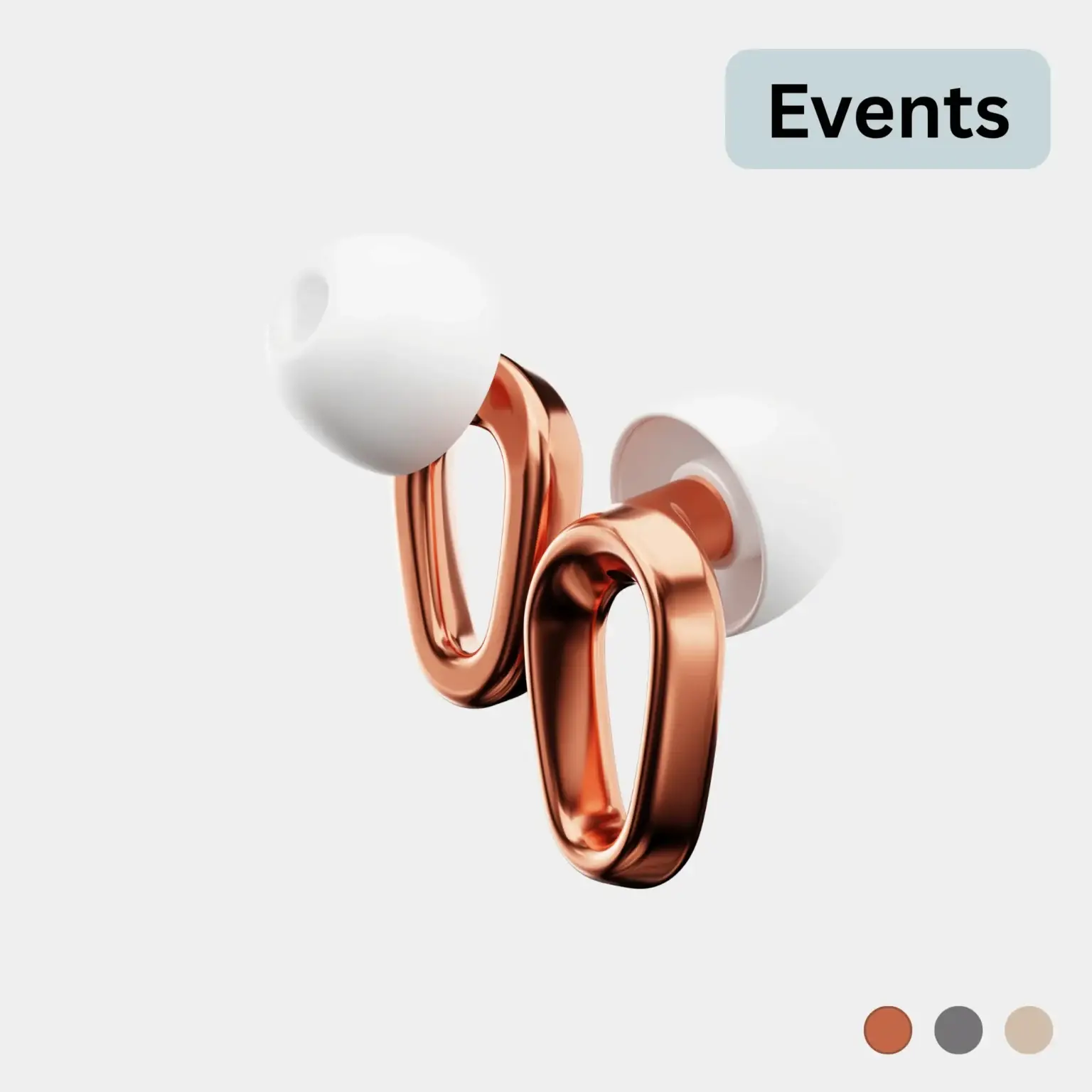
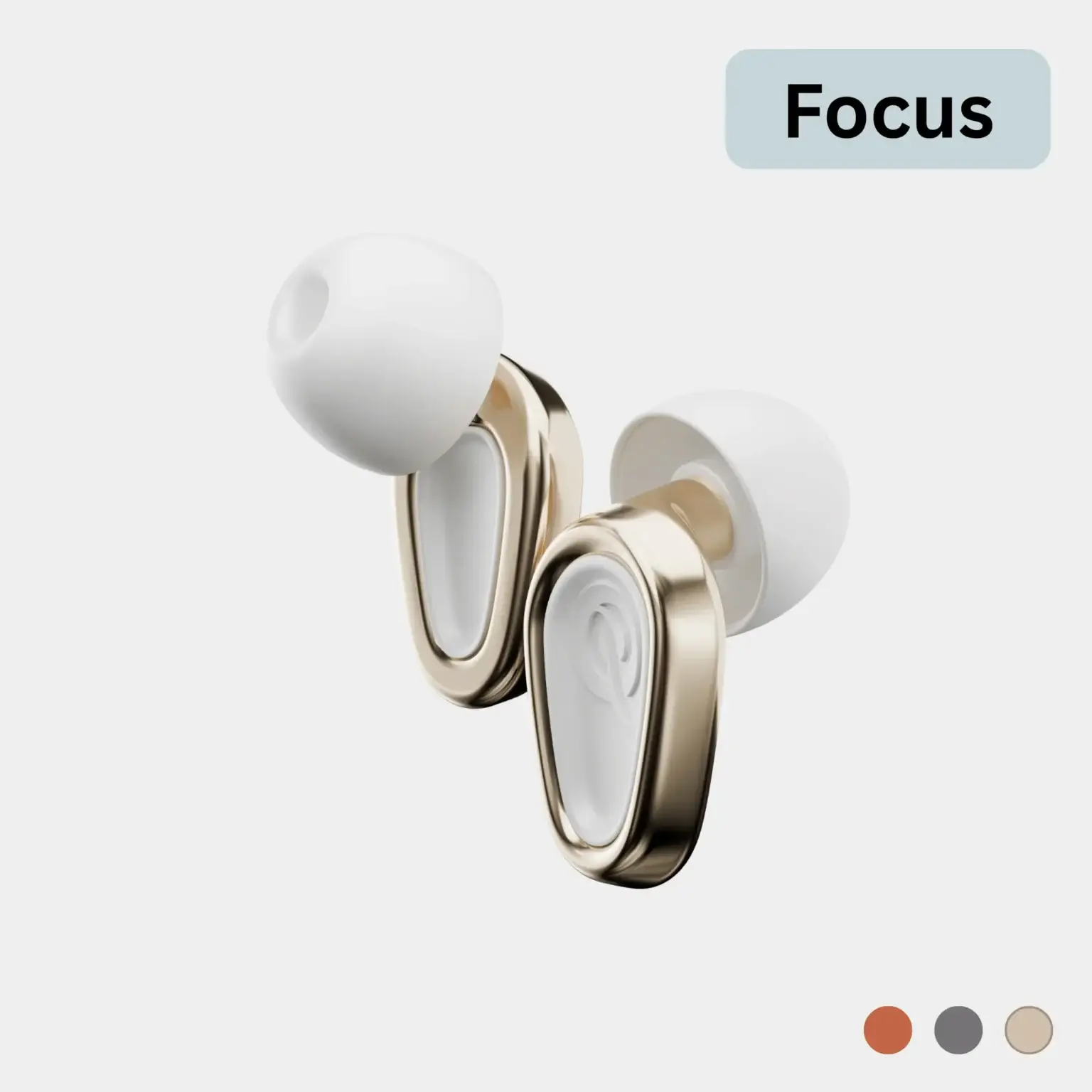
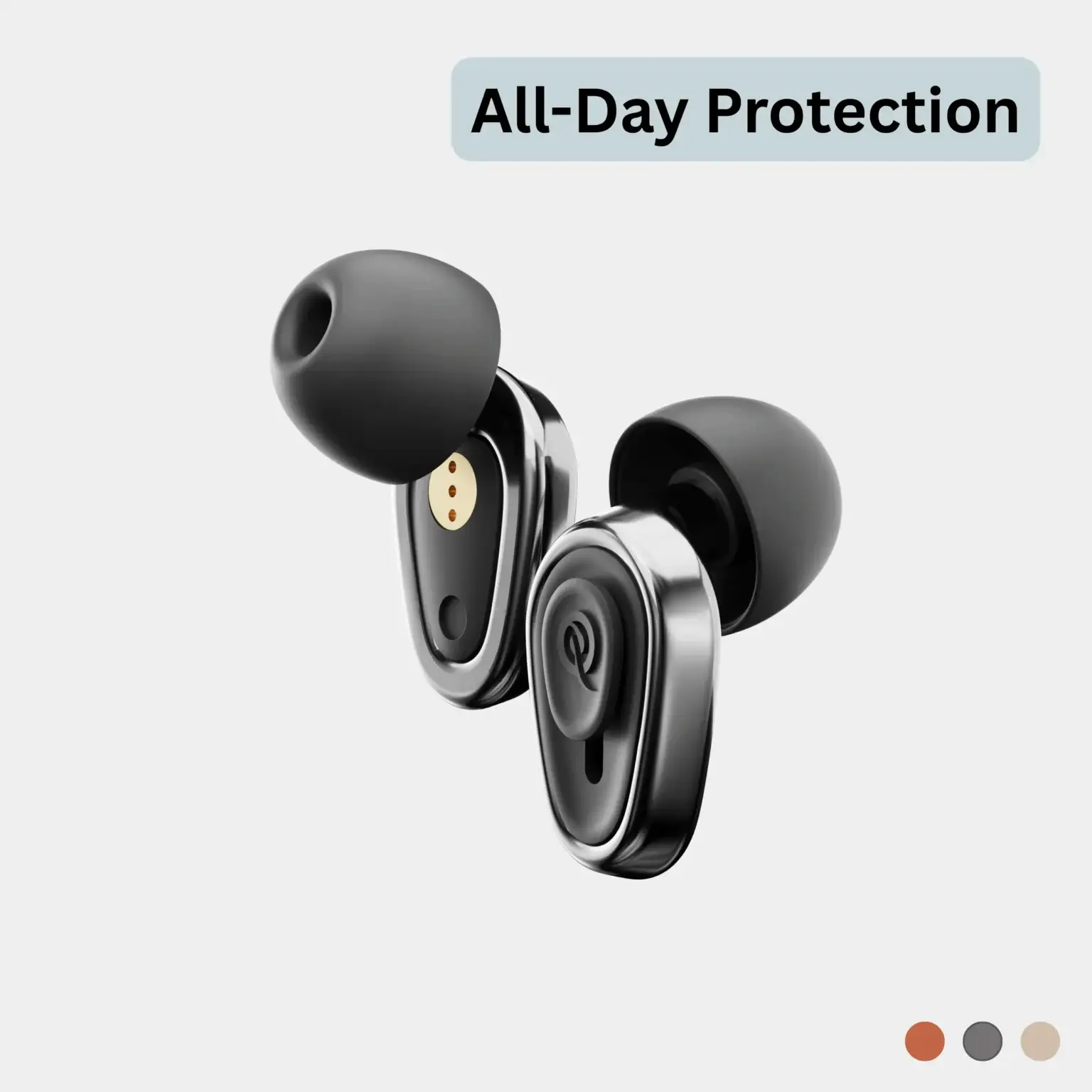
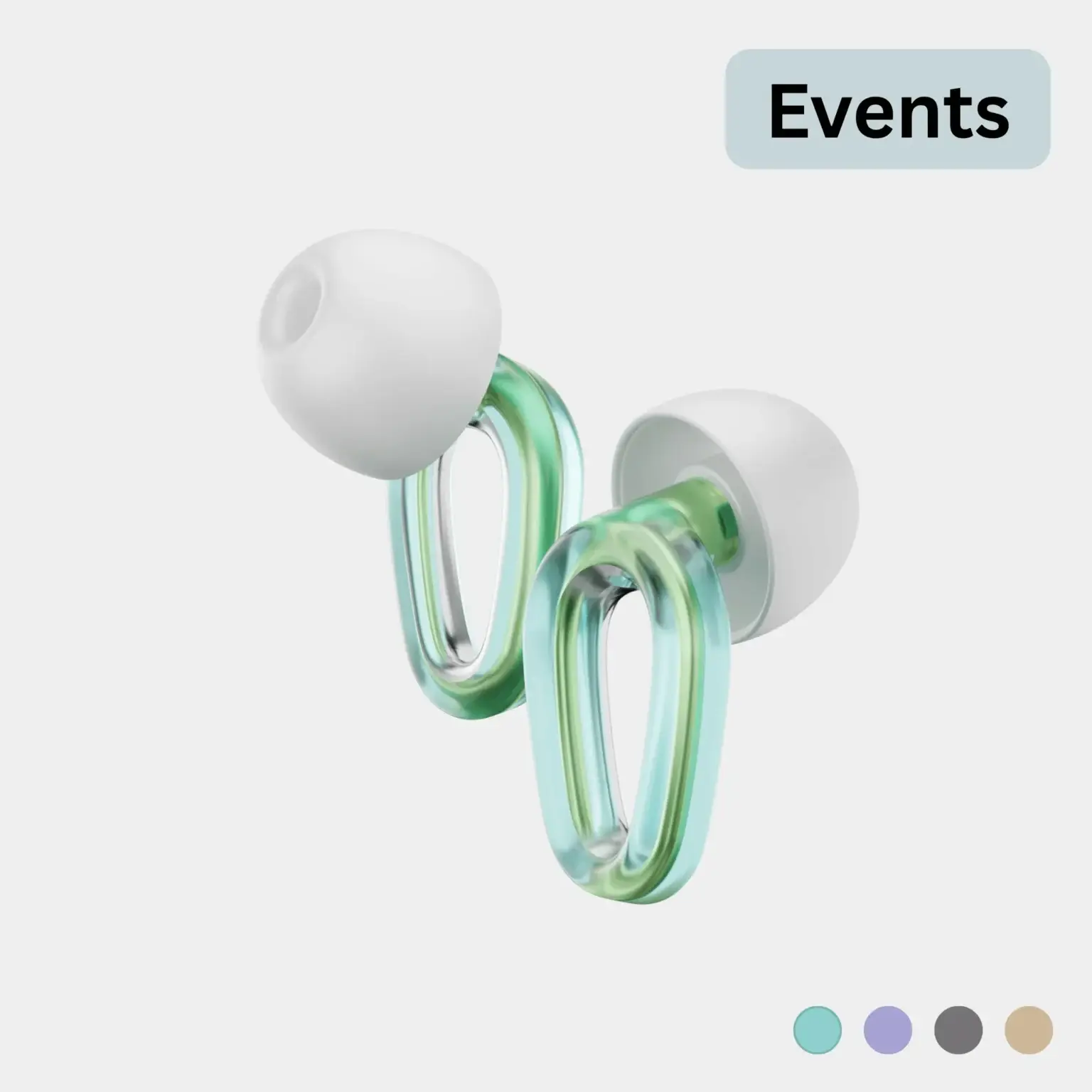
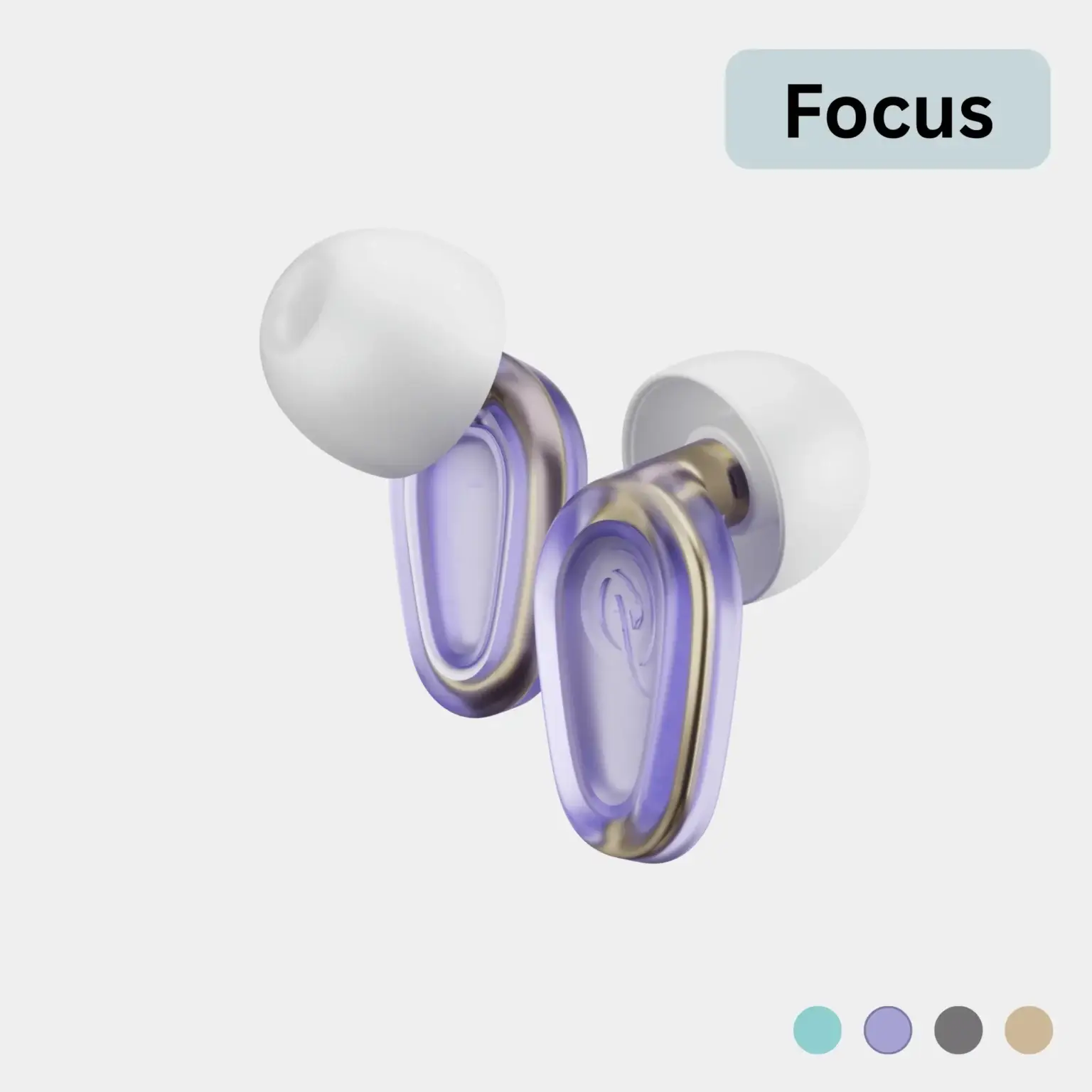
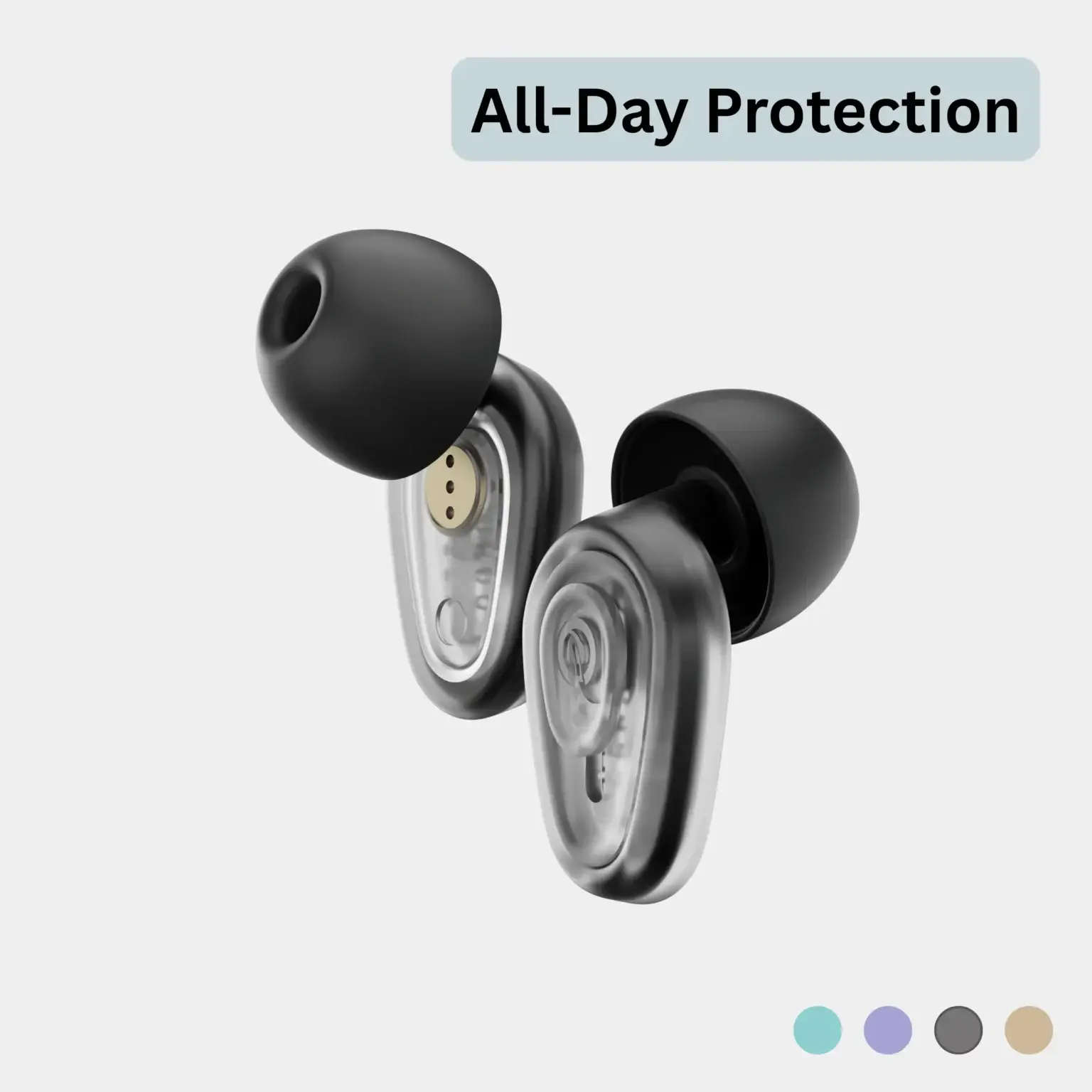
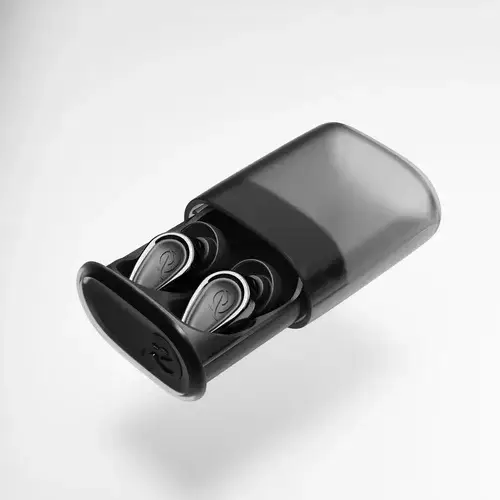
For everyday total volume control, reusable options such as Earmuffz are designed to bring a discreet, comfort-first approach to commuting, focus, rest and life on the move. The right pair should feel like part of your kit, not an obstacle you cannot wait to remove.
When You Should Take a Break
Stop wearing earplugs and seek advice from a pharmacist, GP, audiologist or hearing professional if you develop persistent pain, discharge, bleeding, significant itching, swelling, dizziness or sudden hearing changes. These can point to irritation, infection, wax impaction or another issue that needs proper assessment.
It is also wise to pause daily use if you have an active ear infection, recent ear surgery, grommets, a perforated eardrum or unexplained ear symptoms. Your clinician can tell you what is appropriate for your situation. People who use hearing aids should check that their earplug routine does not interfere with their fitting, comfort or wax management plan.
If you experience tinnitus, earplugs can be useful in genuinely loud settings because protecting your ears matters. Wearing heavy noise reduction all day in quiet environments, however, can make internal sounds feel more noticeable for some people. Experiment with the lightest level of reduction that gives you comfort, and get personalised support if tinnitus is worsening or distressing.
Keep Safety and Awareness in Balance
Daily earplug use should never remove your ability to respond to risk. Avoid wearing high-noise-reduction plugs when you need to hear alarms, traffic, workplace instructions or someone in your care. This is especially relevant when cycling, walking near busy roads, operating equipment, supervising children or working in environments with safety alerts.
That does not mean you must choose between comfort and awareness. It means choosing your setting carefully. Use stronger protection where noise exposure demands it. Use moderate reduction where concentration and calmer surroundings are the priority. Take them out when clear hearing is the safer option.
Build a Better Relationship With Noise
The question is not whether you should tolerate every sound your day throws at you. It is whether your hearing protection supports the way you live. If your earplugs are clean, properly fitted and matched to the environment, daily wear can be a smart, comfortable habit.
Start with the moments that drain you most: the commute, the shared office, the noisy café, the restless night. Turn down what does not deserve your attention, keep your ears comfortable and save your energy for what does.