
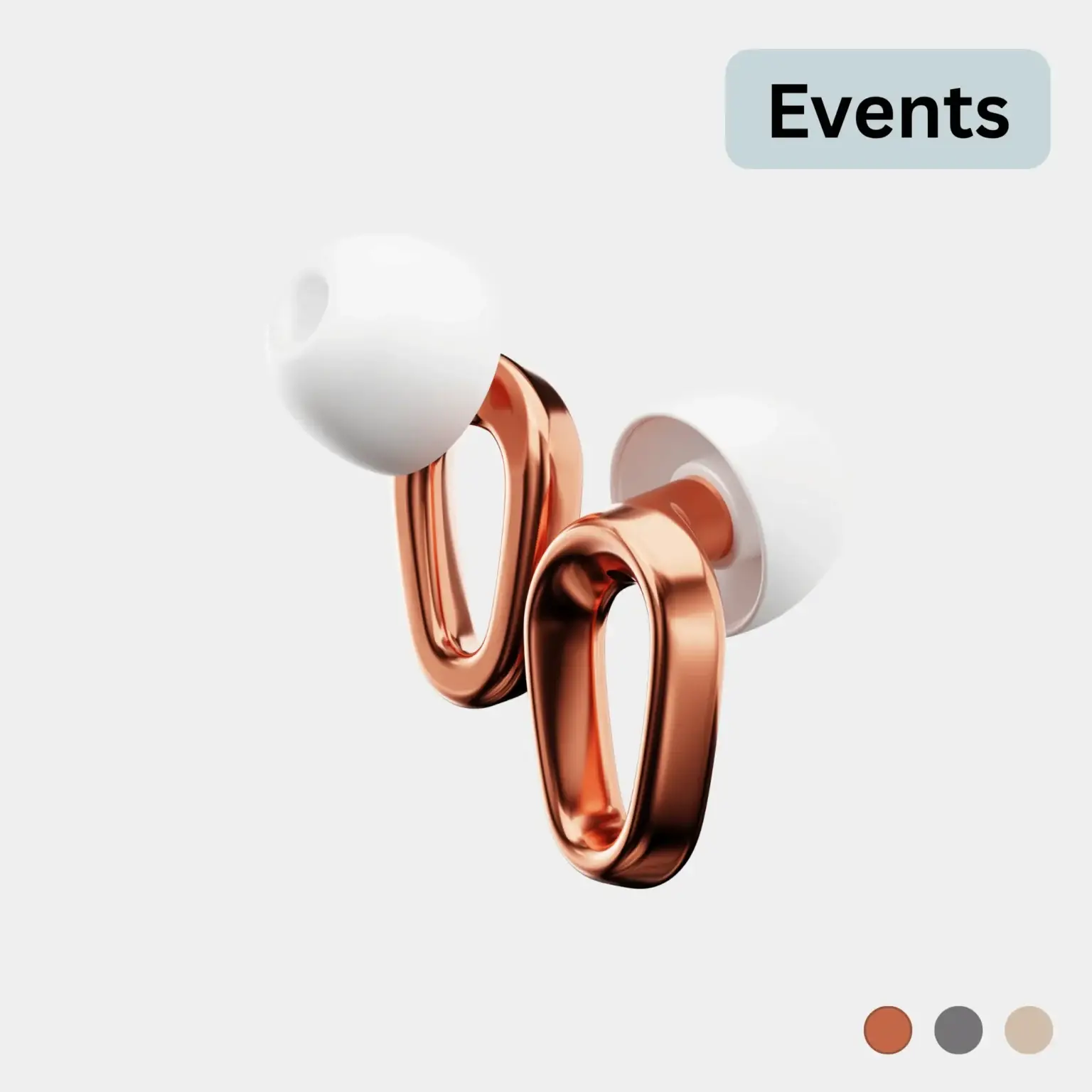
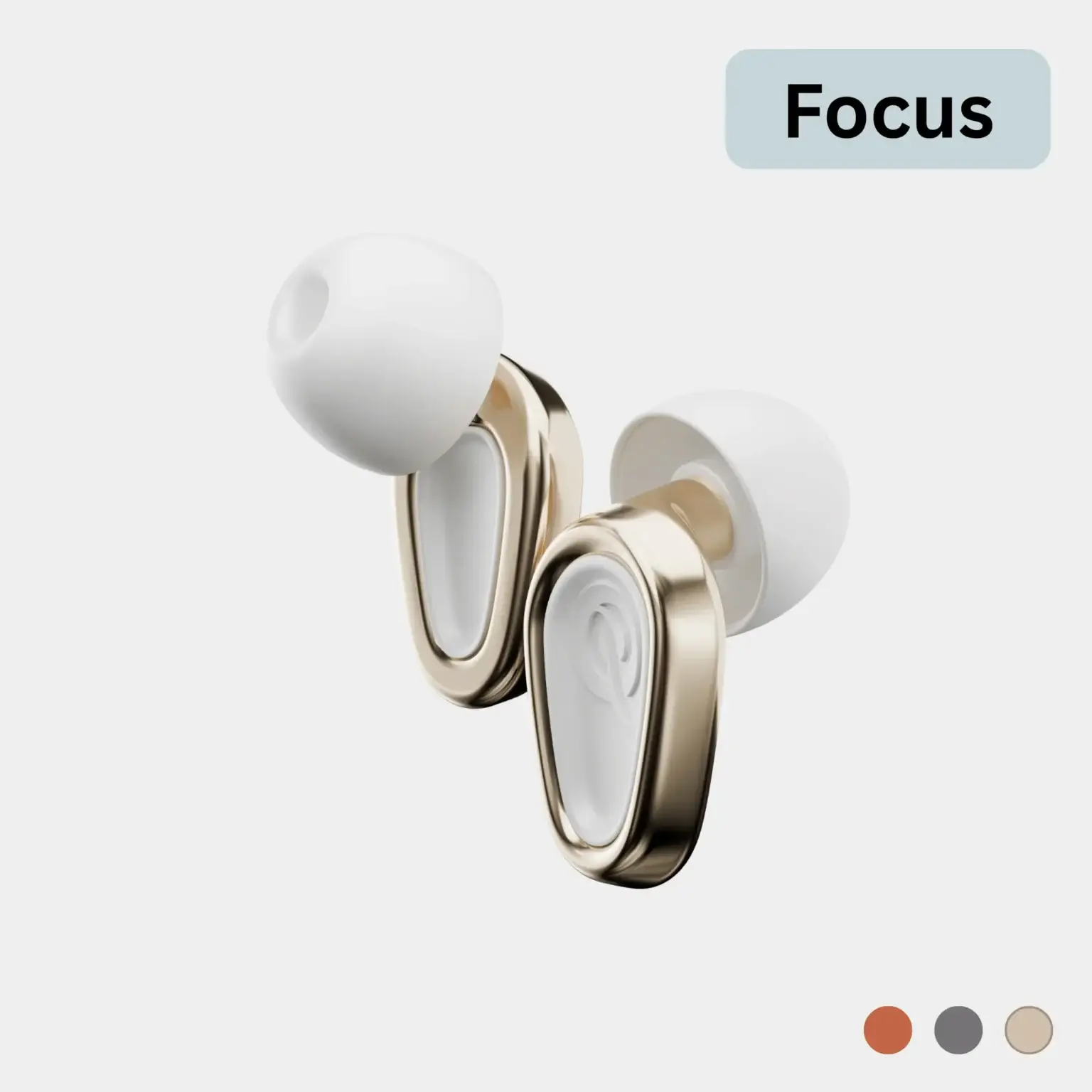
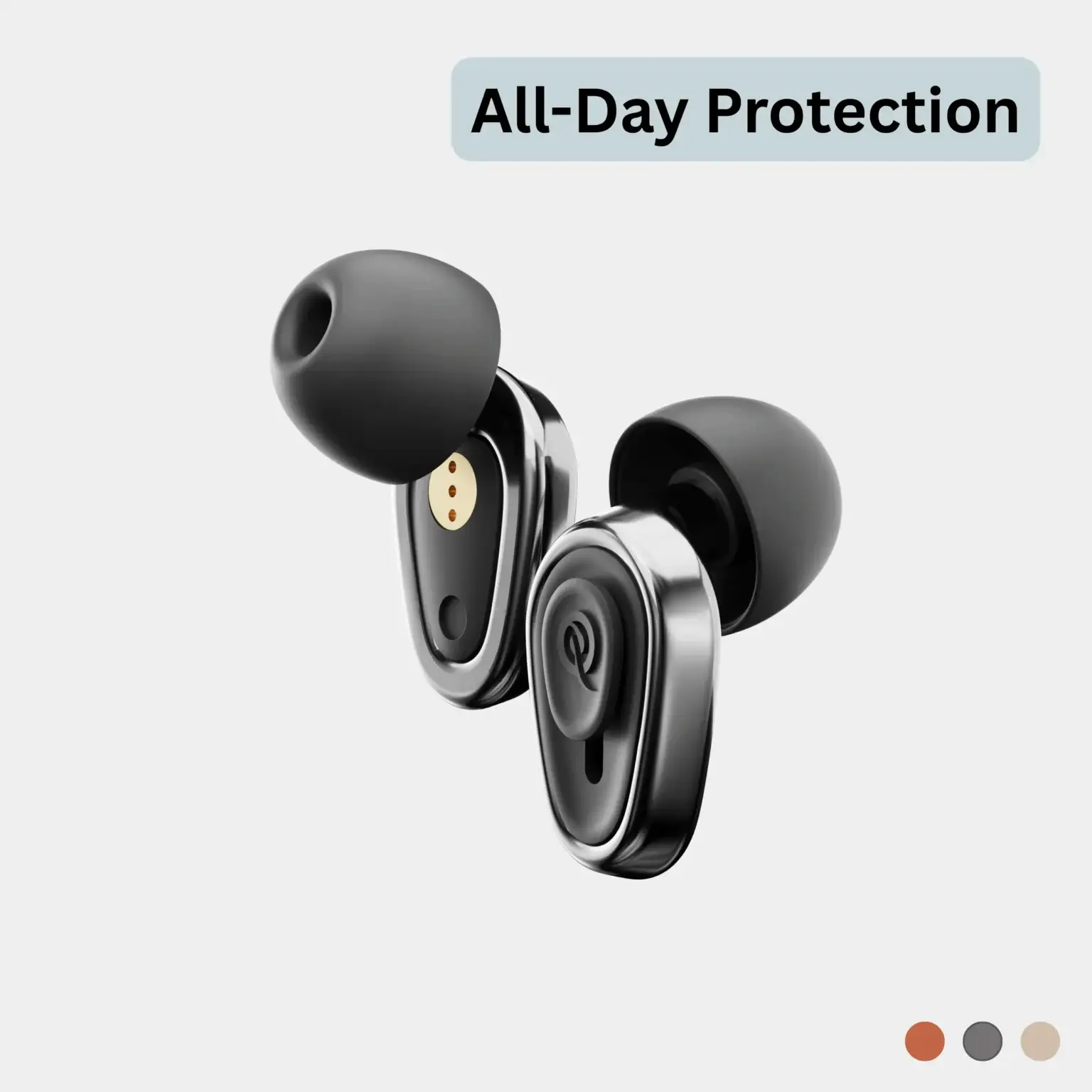
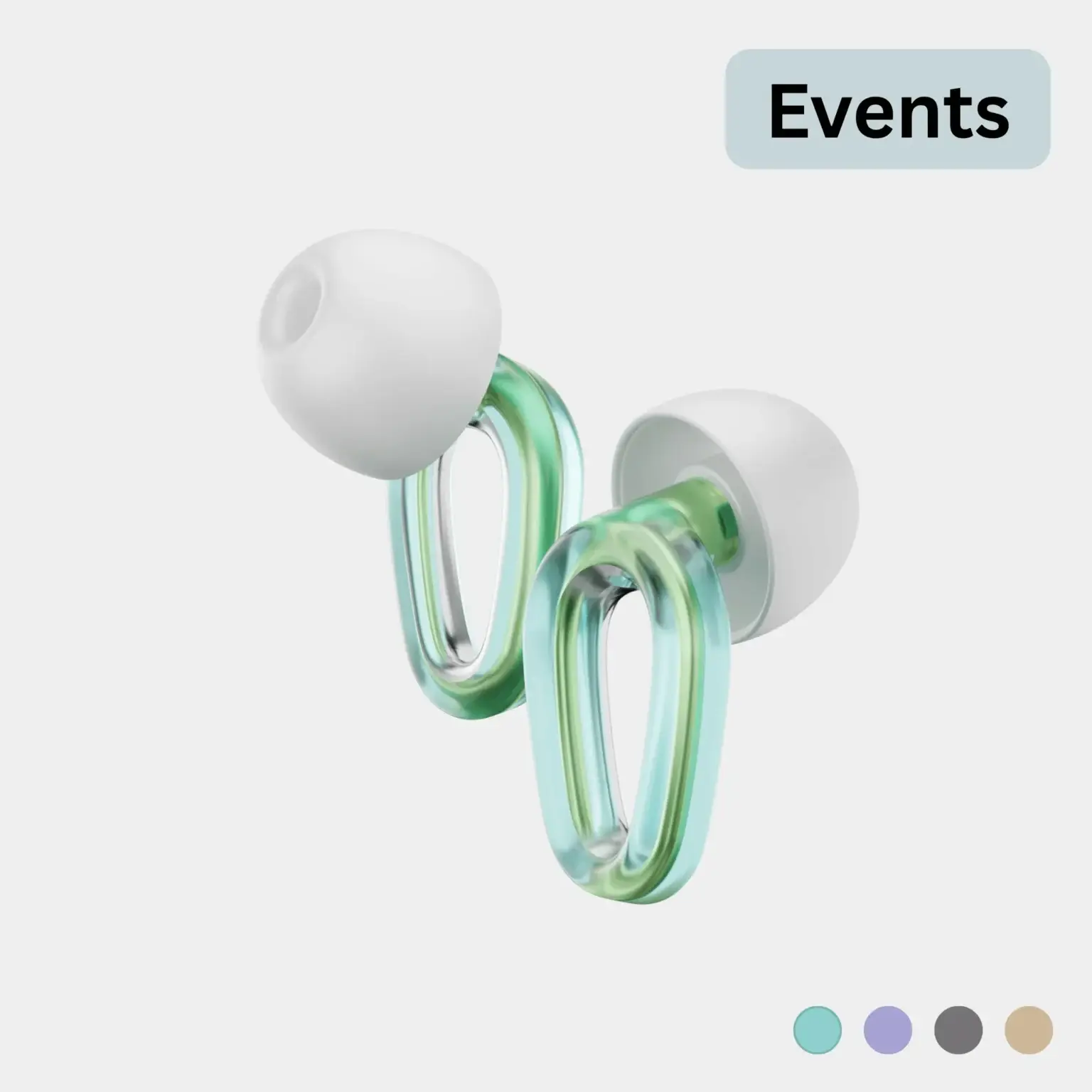
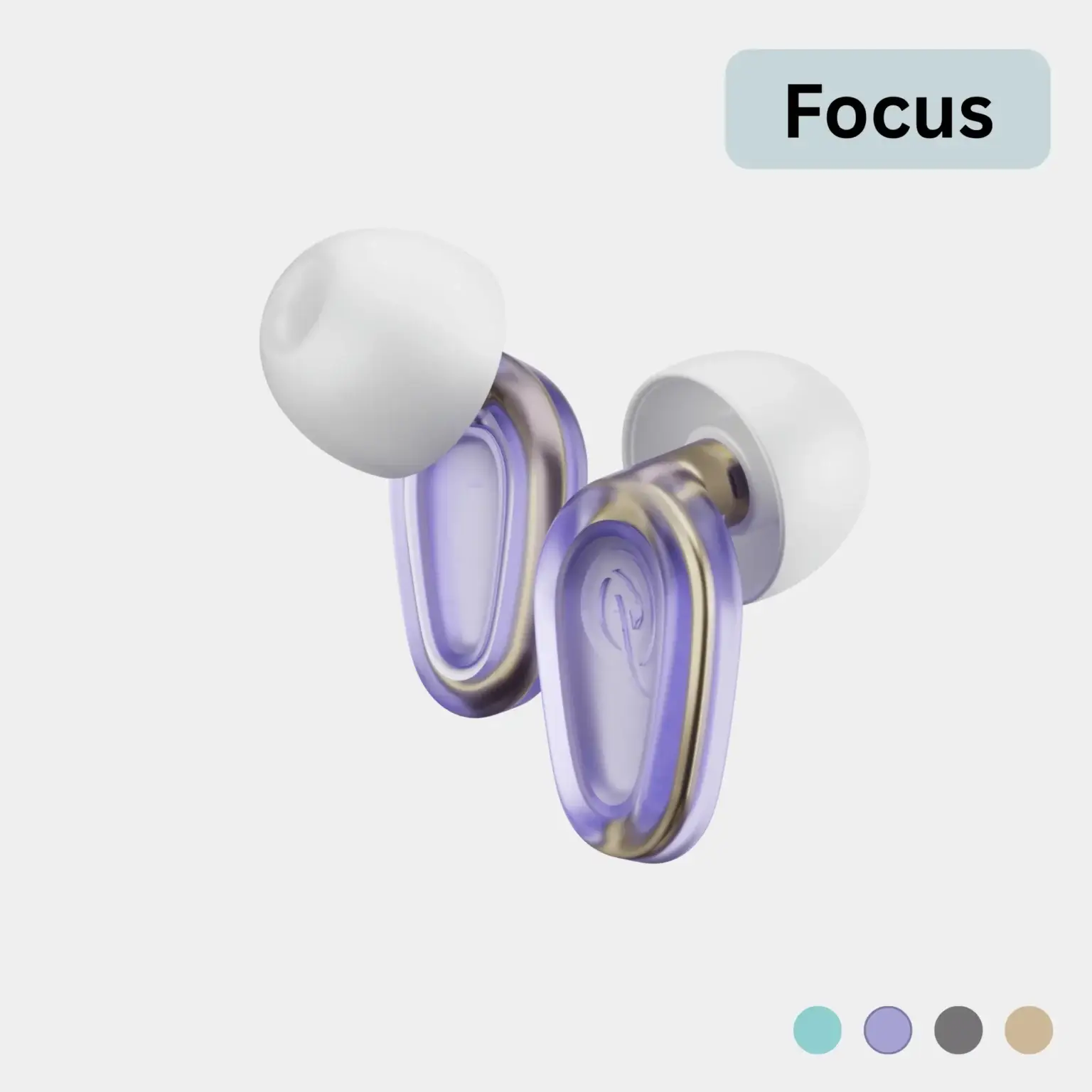
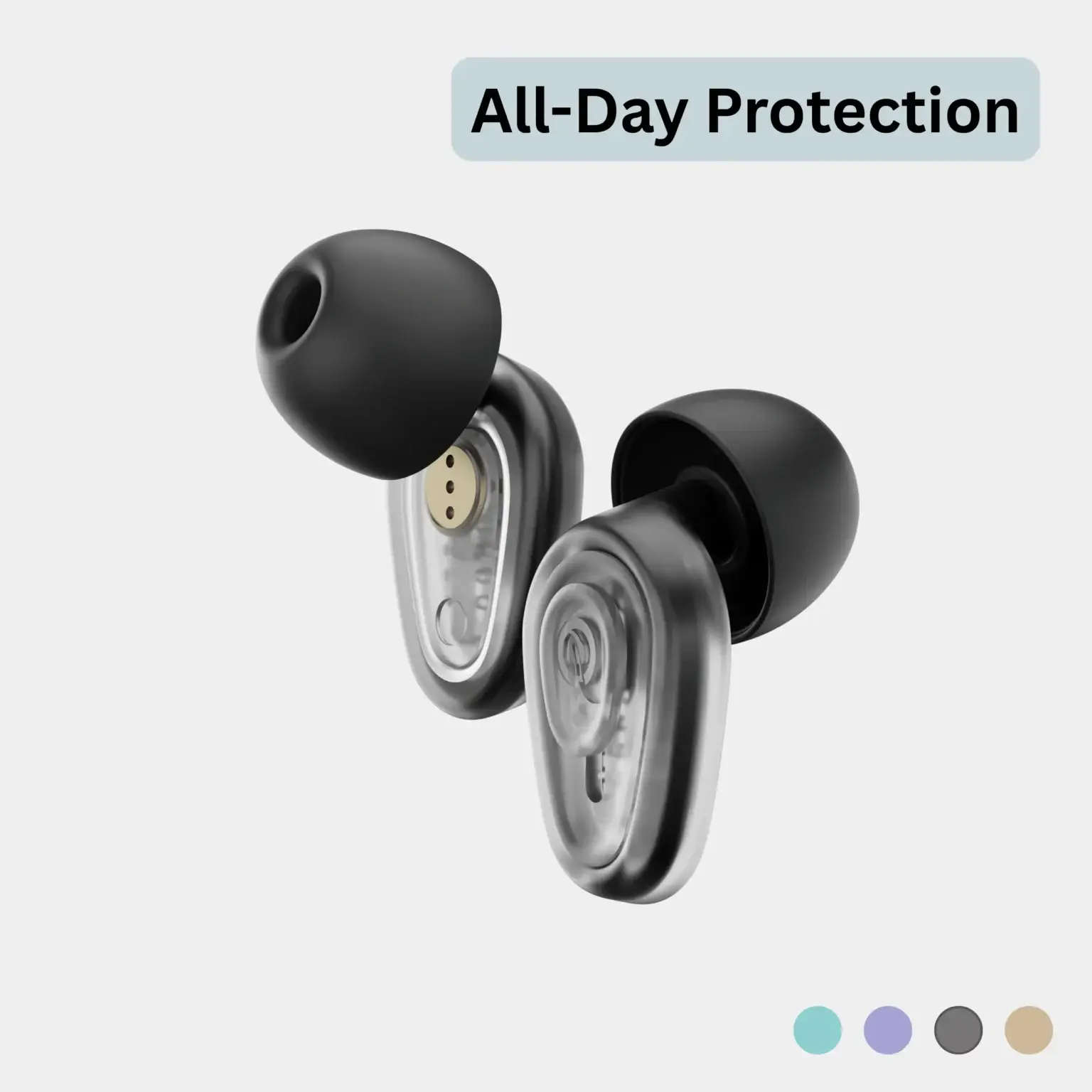
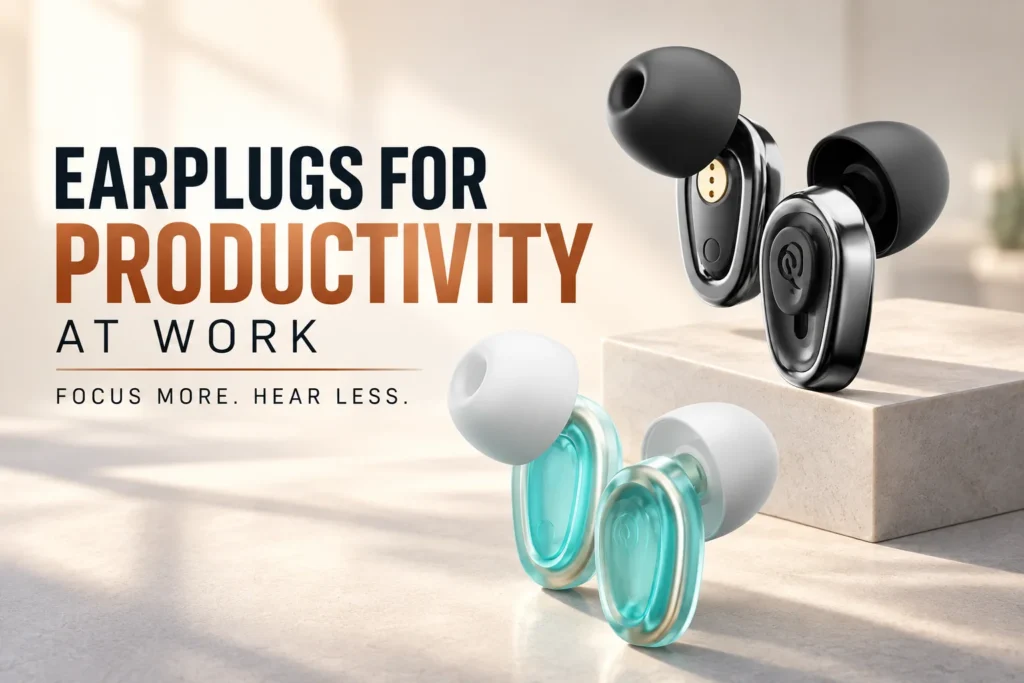
The colleague taking calls two desks away. The hum of ventilation. Traffic outside. A notification sound that pulls your attention just as you reach the difficult part of a task. Most focus problems are not a motivation issue. They are a noise-control issue. Knowing how to use earplugs for productivity gives you a practical way to lower the volume, protect your mental bandwidth and get through meaningful work with less friction.
Earplugs are not about shutting out the world. They are about choosing what gets your attention. Used well, they can turn an overstimulating office, co-working space, train journey or busy home into a more workable environment – without needing perfect silence.
Why less noise can mean better work
Your brain is constantly deciding what deserves attention. Sudden conversations, keyboard clatter and background music all compete with the report, design, spreadsheet or study material in front of you. Even when you think you are ignoring that noise, part of your attention is still working to filter it.
That filtering has a cost. You may reread the same paragraph, lose your train of thought after every interruption or feel disproportionately tired by mid-afternoon. Reducing unnecessary sound creates more room for the work that matters.
The goal is not always maximum noise reduction. For deep work, more reduction can be helpful. For a role that involves colleagues, customers or safety signals, the right level is one that softens the distractions while leaving you able to respond when needed. Total volume control means making the environment work for you.
How to use earplugs for productivity without missing what matters
Start by matching your earplugs to the task, not simply the loudness of the room. A quiet library with intermittent whispering may be more distracting than a consistent café hum. Likewise, a home office may need enough sound reduction to take the edge off household noise, but not so much that you miss a child calling or the doorbell.
Set a clear focus block
Put earplugs in at the start of a defined work session rather than wearing them reactively every time a noise annoys you. This builds a useful mental cue: earplugs in means it is time to concentrate.
Try a 25- to 50-minute block for reading, writing, coding, analysis or other concentration-heavy tasks. Keep your mobile phone face down and choose one measurable outcome, such as drafting an introduction or clearing a set of figures. When the block ends, remove the earplugs for a short reset if you need to reconnect with people around you.
For longer tasks, you may prefer 60 to 90 minutes with a proper break afterwards. The right duration depends on your work and energy, but a boundary matters. Earplugs support focus. They do not replace rest, food, movement or a realistic workload.
Get the fit right first
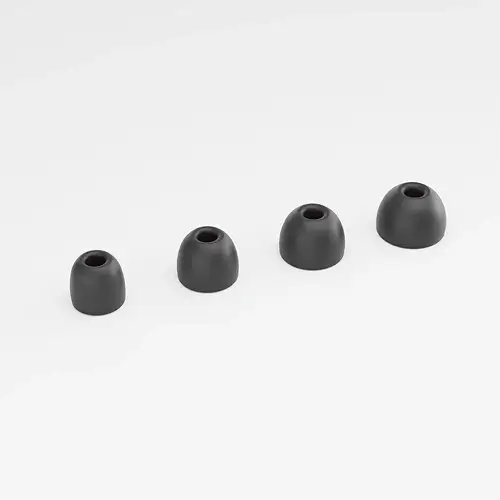
An uncomfortable seal will distract you more than a noisy room. Reusable earplugs should sit securely and comfortably, without pressure or soreness. If your pair includes different eartip sizes, test them rather than assuming both ears need the same size. Ear canals vary, and a better fit can improve both comfort and noise reduction.
Insert them with clean hands, following the design instructions for your specific pair. A good fit usually produces a noticeable softening of background sound rather than a painful blocked sensation. Your own voice may sound fuller at first, which is normal with in-ear protection, but sharp discomfort is not something to push through.
Wear them at home for a short session before relying on them in a busy workplace or on your commute. You will quickly learn whether you prefer a lighter reduction level for calls and collaboration or a stronger seal for concentrated solo work.
Choose sound reduction according to the environment
Think in terms of control, not silence. In a noisy open-plan office, earplugs can reduce the tiring edge of conversations and equipment noise while you work through a demanding task. At home, they can soften washing machines, neighbours, television noise or street works. On public transport, they can make the journey a useful planning or reading window instead of an overstimulating drain.
If you need to take video calls, remove your earplugs or use a lower-reduction option before speaking. Earplugs can change how loudly you perceive your own voice, causing you to speak too quietly or too loudly. Test this before an important meeting.
For work involving alarms, announcements, traffic, machinery or direct responsibility for other people, stay alert. Earplugs are not a reason to ignore safety procedures or essential communication. If hearing warning signals clearly is part of the job, follow workplace guidance and use hearing protection designed and approved for that environment.
Build earplugs into your work routine
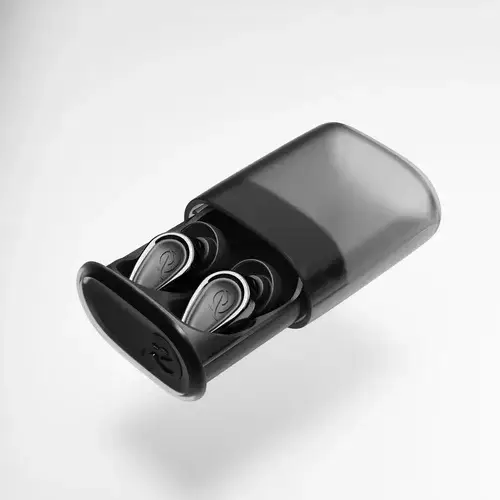
The most effective productivity tools are the ones you actually use. Keep your earplugs in a protective case in the place where distraction begins: your laptop bag, desk drawer, coat pocket or bedside table. If they are buried at the bottom of a bag, they will not help during the five minutes when a noisy environment threatens to derail your momentum.
Use them deliberately during predictable pressure points. Perhaps that is the first hour after arriving at work, the afternoon slump when the office gets busier, a train commute before a presentation or the half hour after the school run. Repeating the same cue helps your brain associate reduced noise with focused action.
You can also pair earplugs with a simple visual signal. A closed laptop chat app, a status set to focus time or a note on your desk lets colleagues know you are in a concentration block. Earplugs work best when your environment supports the boundary too.
Do not use them to avoid every interruption
There is a trade-off. Constantly blocking sound can make spontaneous collaboration harder, especially in smaller teams. It may also leave you feeling disconnected if you are already working remotely or spending long hours alone.
Instead, separate work that needs isolation from work that benefits from access. Use earplugs for the hard thinking, then take them out for meetings, check-ins and shared problem-solving. This approach protects your focus without turning your workday into a wall between you and everyone else.
If you find yourself wearing earplugs because normal everyday noise feels unbearable, take that signal seriously. Noise sensitivity can have many causes, and persistent discomfort, ringing or changes in hearing deserve advice from a qualified hearing professional.
Pick a pair you can wear comfortably
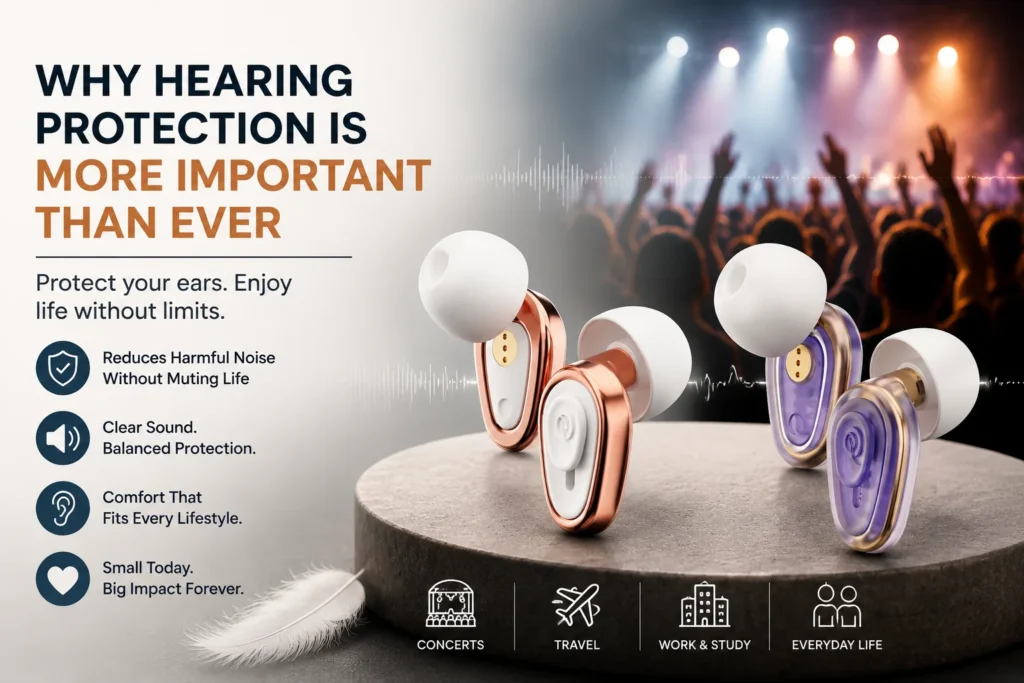
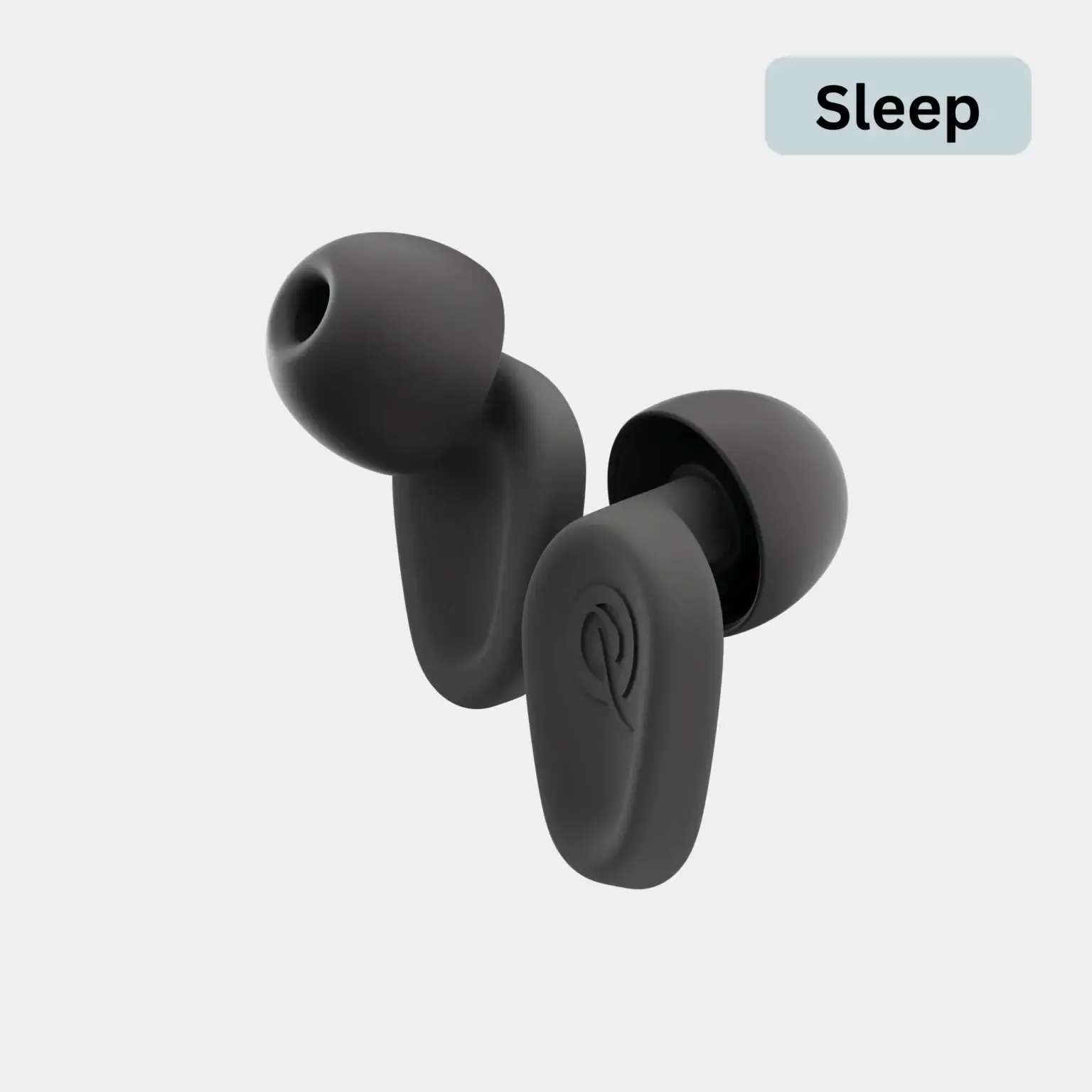
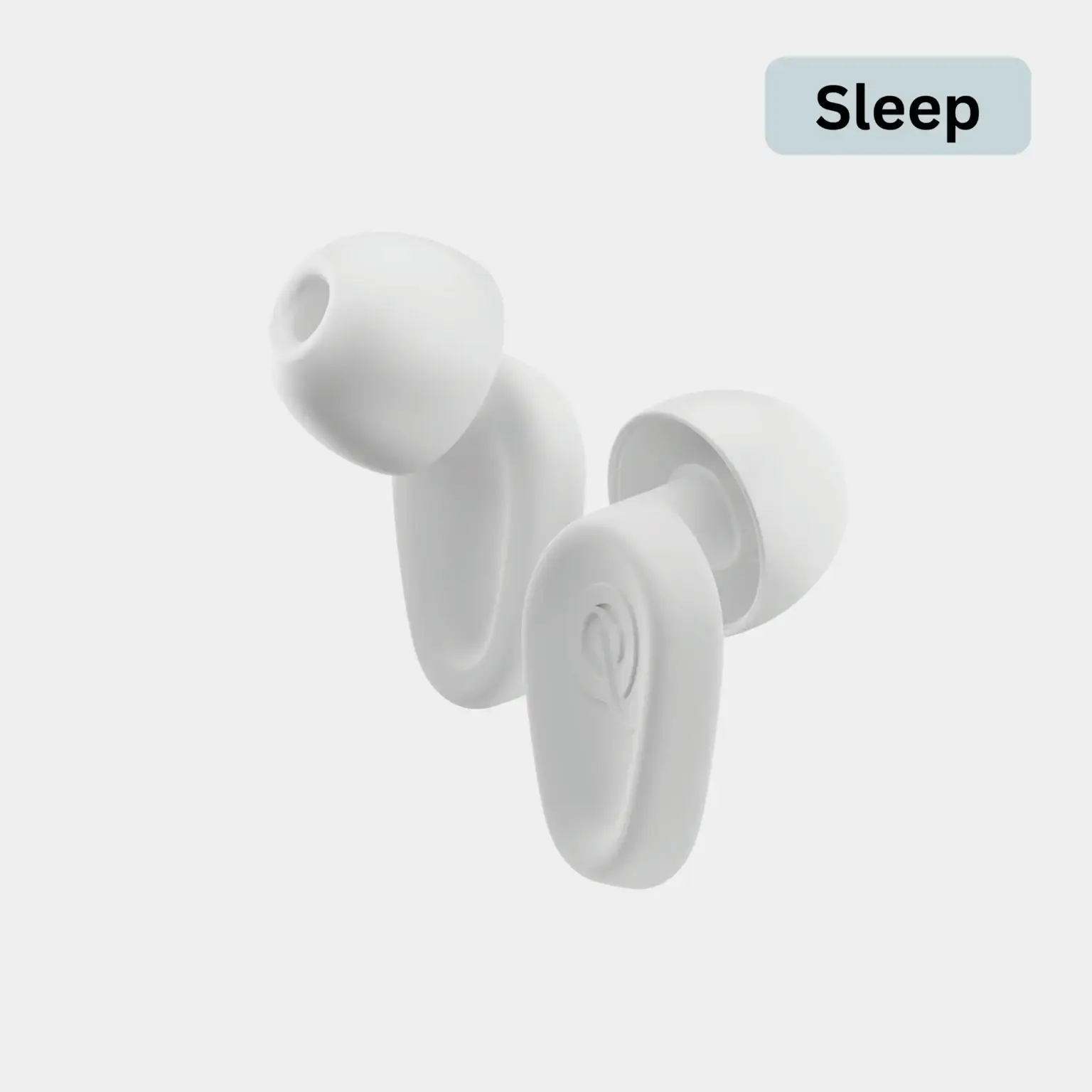
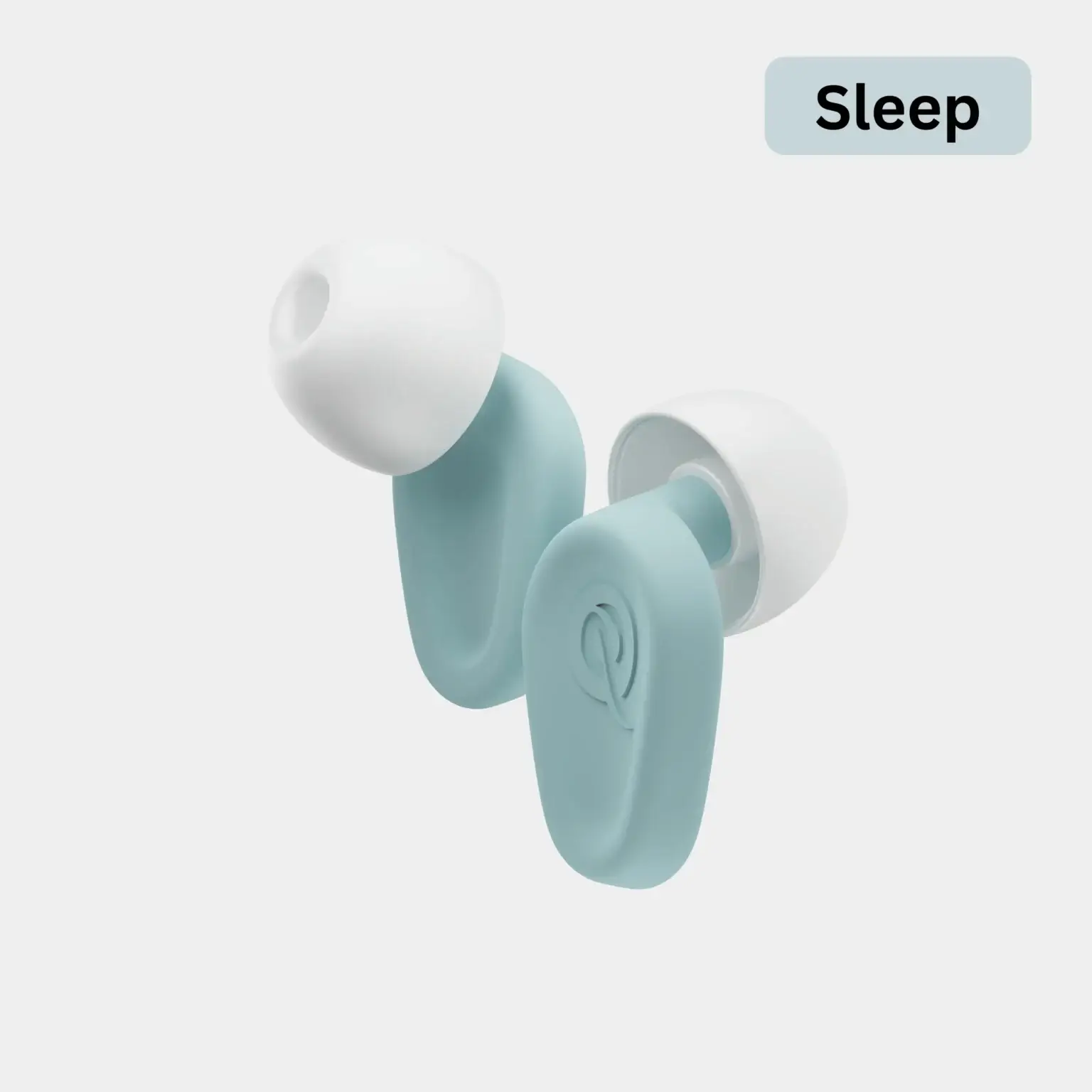
For productivity, comfort is performance. Bulky protection may offer strong reduction but be impractical for several hours at a desk. A low-profile reusable pair is easier to carry, easier to wear around glasses or headphones, and more likely to become part of your daily kit.
Look for a secure fit, washable materials and a case that protects the earplugs between uses. If you move between work, commuting, exercise and sleep, reusable earplugs make more sense than treating every noisy moment as a disposable problem. Earmuffz designs its reusable range around everyday situations, so you can choose a level of comfort and noise control that suits your routine rather than forcing one solution into every setting.
Clean your earplugs regularly according to their care instructions. Earwax, dust and pocket debris affect hygiene and can reduce comfort over time. Let them dry fully before storing them in their case, and replace eartips if they lose their shape or no longer fit securely.
Make your focus louder than the noise
Earplugs are most useful when they support a decision you have already made: this next block of time belongs to your most important work. Put them in before the room gets under your skin, choose one task worth protecting and let the unnecessary noise fade into the background. You do not need a silent life to perform at your best. You need the confidence to set your own volume.