
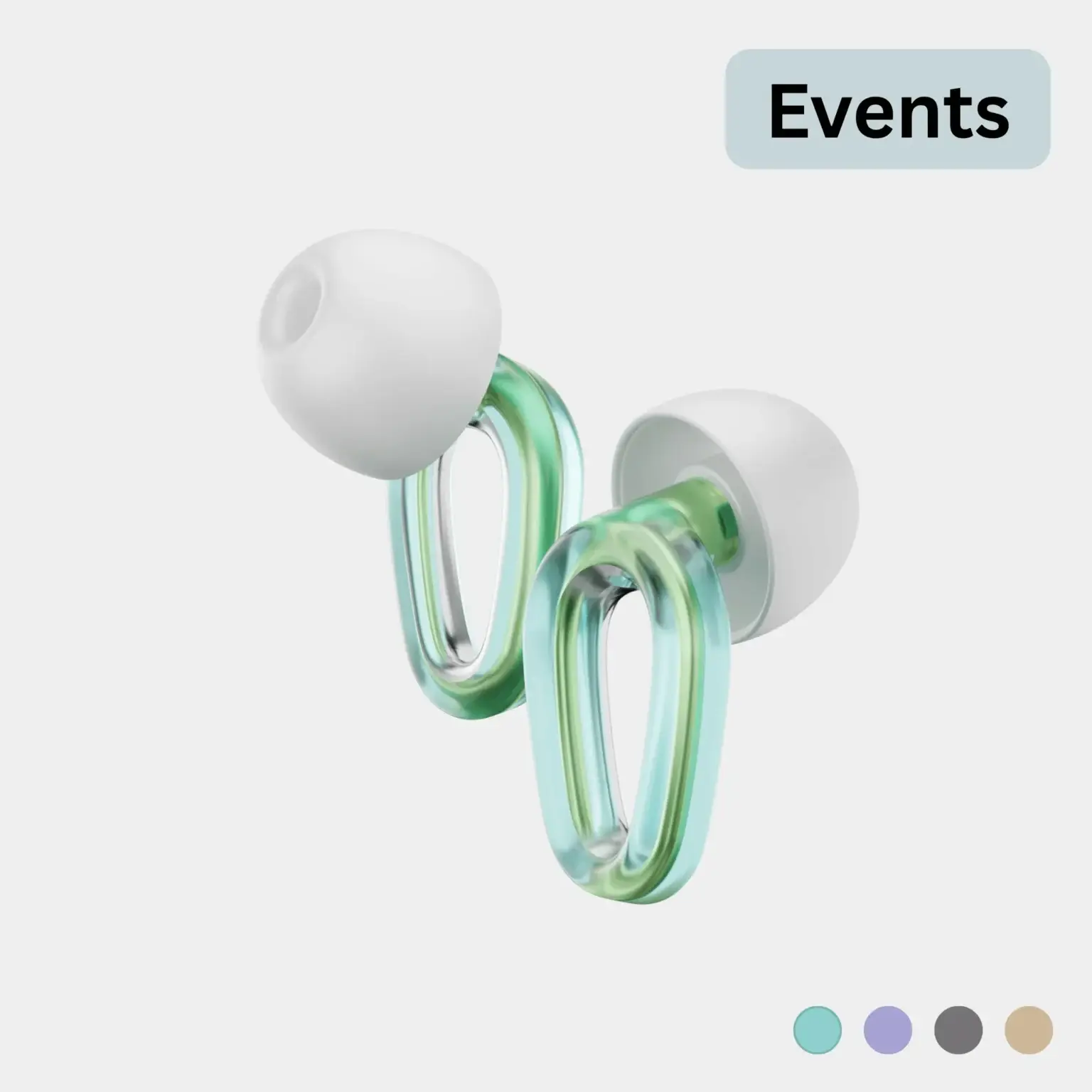
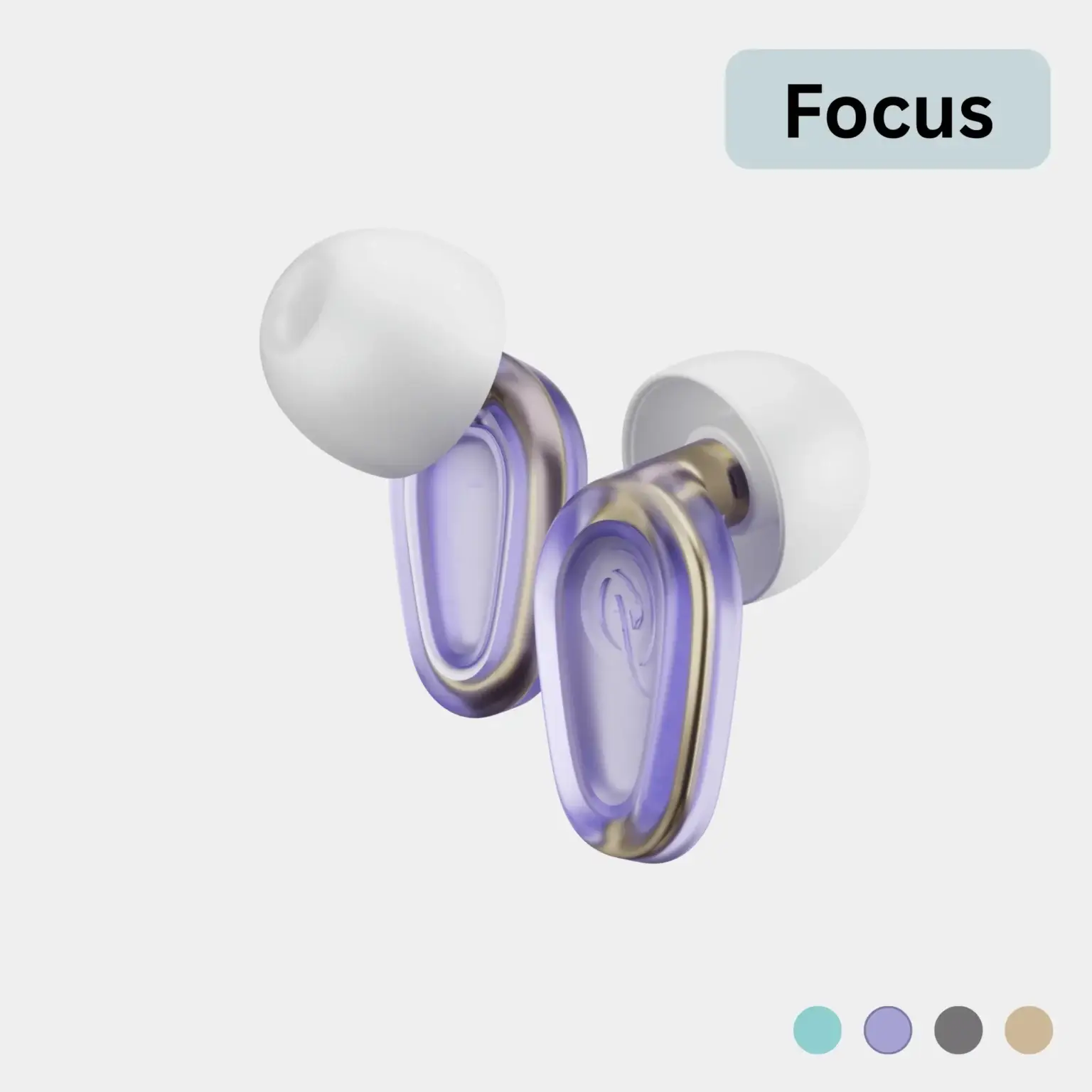
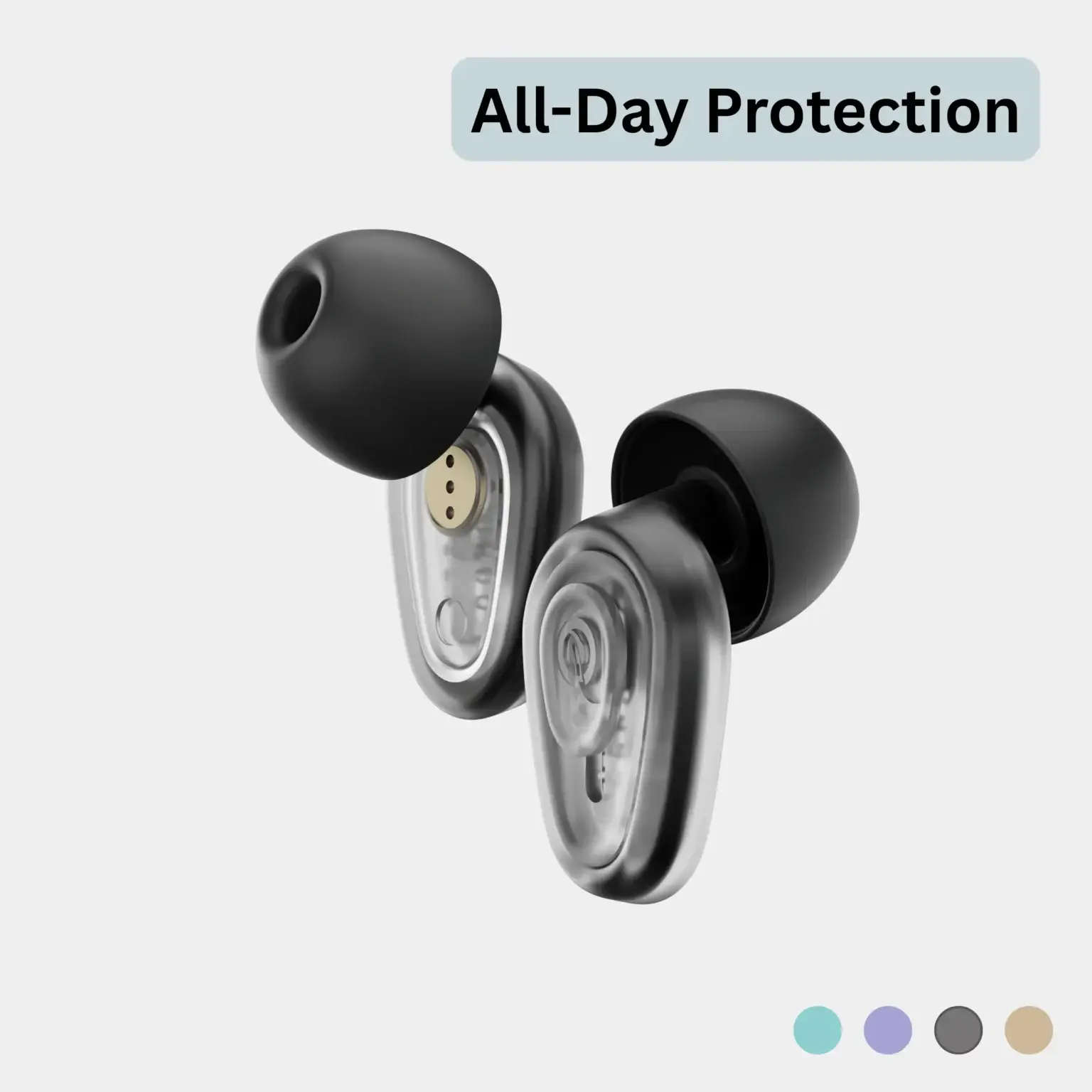
Your train is delayed, someone is taking calls on speakerphone, and the carriage doors keep chiming. By the time you reach work, your focus has already taken a hit. Hearing protection is not only for building sites or front-row gigs. It is a practical way to turn down the noise that drains your energy, without stepping away from the life you want to live.
The right earplugs can make a busy day feel more manageable. They can soften the edge of a packed commute, reduce the fatigue of a loud gym, help you settle near a snoring partner, and keep a concert enjoyable rather than punishing. That is total volume control: less unwanted noise, more room for your concentration, comfort and confidence.
Hearing protection is an everyday performance tool
Noise is not always dangerous because it is dramatic. Often, it is the constant layer of sound that wears you down: office chatter, traffic, appliance hum, neighbours, children playing, public transport and venue sound systems. Your brain works to sort useful signals from everything else. When that effort never stops, concentration can slip and stress can rise.
Everyday hearing protection reduces the amount of sound reaching your ears. It does not need to mean shutting out the world. For many situations, the goal is moderation. You may still want to hear a colleague asking a question, an announcement on the platform or the music at a show. You simply want it at a level that feels controlled.
That distinction matters when choosing earplugs. Maximum noise reduction is useful in some environments, but it is not automatically the best answer for every moment. A low-profile reusable pair that is comfortable enough to wear for hours is often more useful than bulky protection you leave in a drawer.
When should you wear hearing protection?
Use your ears as the first signal. If you have to raise your voice to speak to someone an arm’s length away, the environment may be loud enough to justify protection. Ringing after an event, muffled hearing, sore ears or a sense of being mentally spent by sound are also signs that your current noise exposure deserves attention.
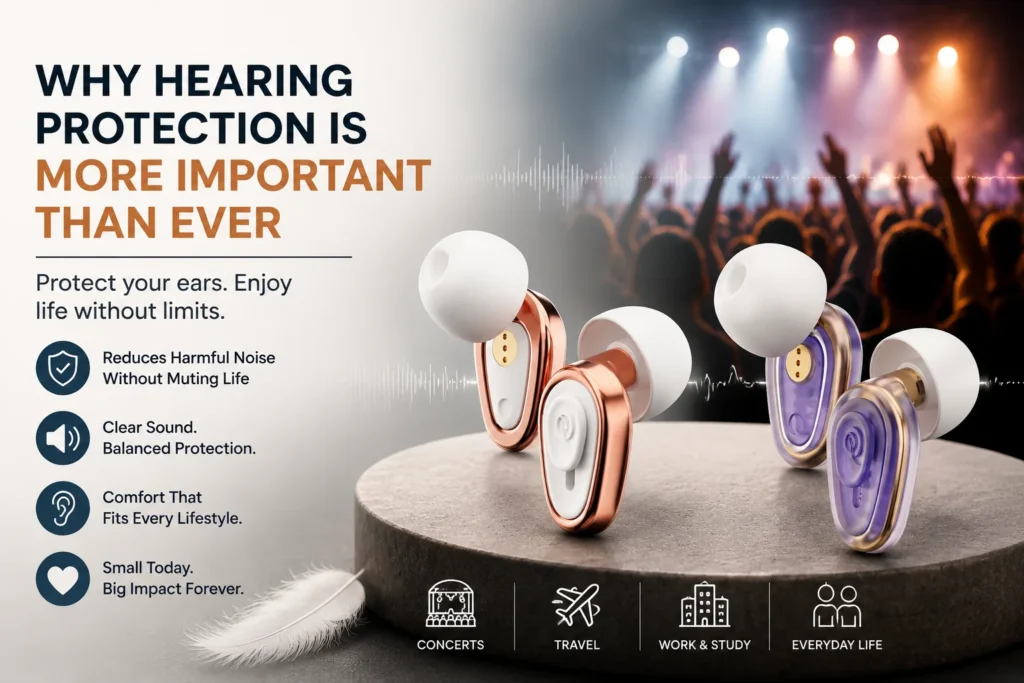
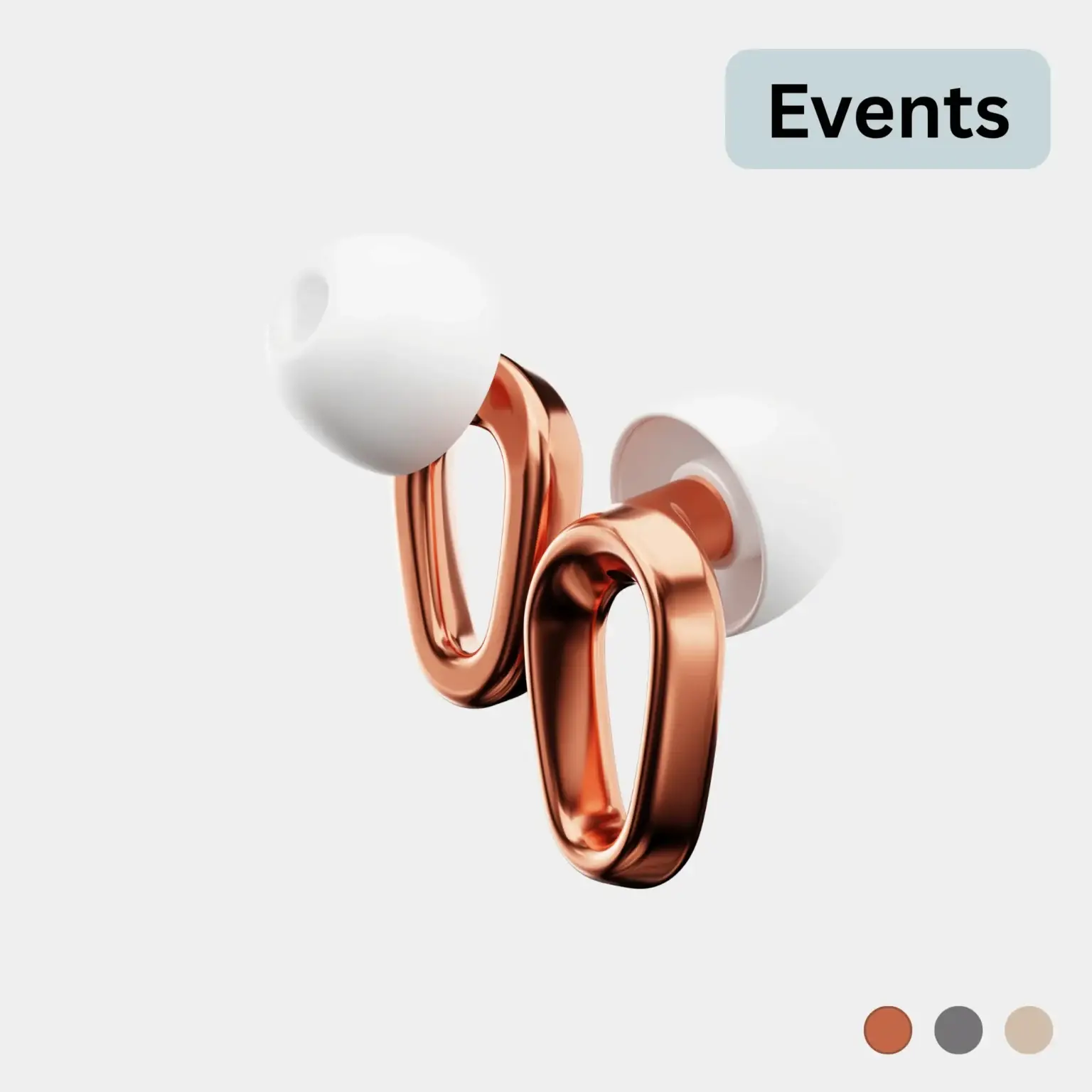
Concerts and clubs are obvious cases. Sound can be intense, especially near speakers, and a reusable earplug lets you stay for the set while taking the edge off the volume. Musicians, crew and regular gig-goers benefit from making protection part of their kit, just like carrying a charger or water bottle.
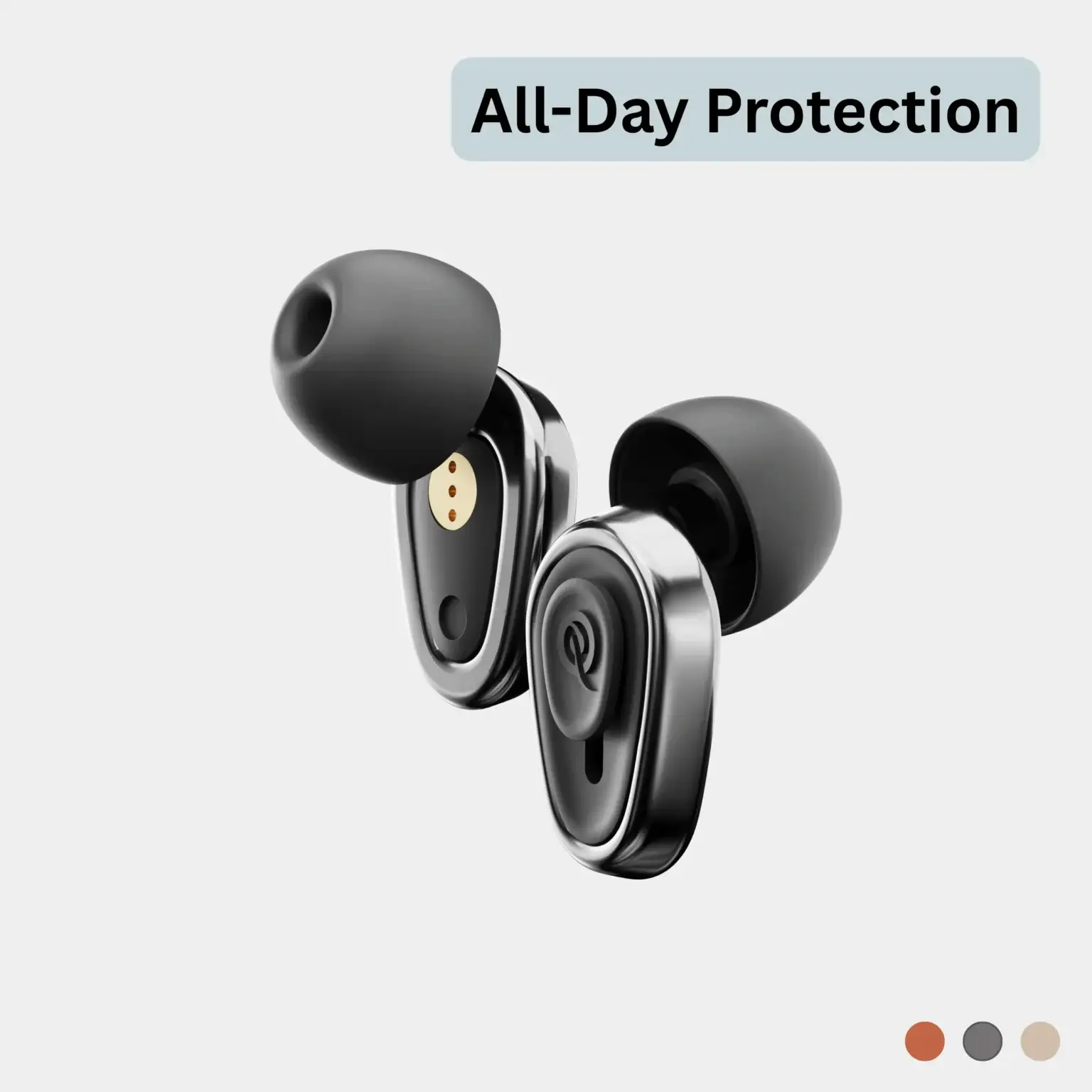
Motorcycling brings a different challenge. Wind noise builds quickly at speed, even when the engine does not feel excessively loud. Earplugs can reduce fatigue over a long ride and make journeys feel less relentless. They should fit securely under your helmet and never interfere with safe riding or your ability to notice relevant road sounds.
Workplaces vary. If your role involves machinery, tools or repeated high noise, follow your employer’s hearing-safety procedures and use suitable certified protection. In an open-plan office or shared workspace, the need is usually less about occupational safety and more about attention. A moderate reduction can help you finish a proposal, study for an exam or reset between meetings.
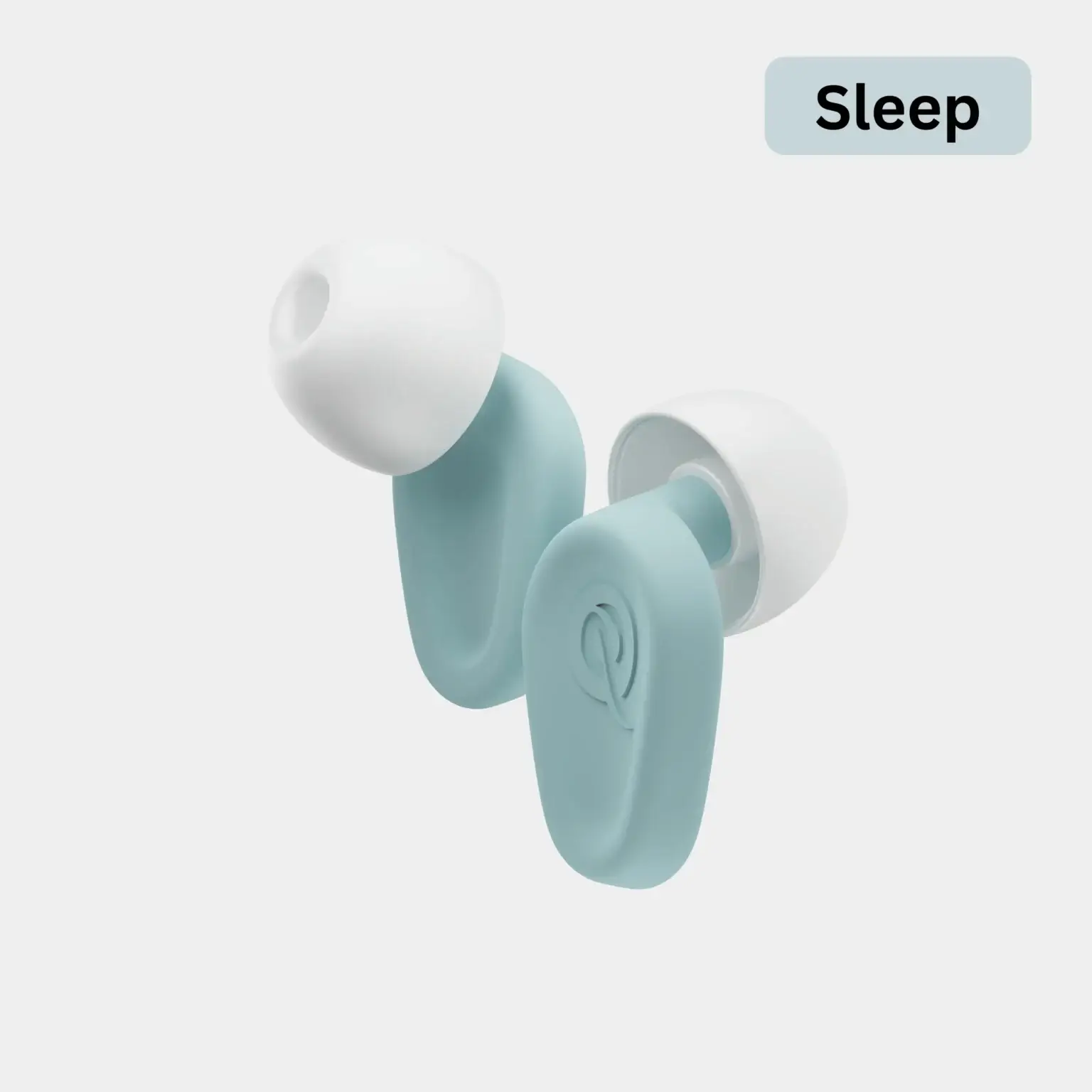
At home, sleep is one of the most personal use cases. A partner’s snoring, road noise or late-night household sounds can make bedtime feel like a negotiation. Earplugs can help, but comfort is the deciding factor. If they create pressure, heat or pain when you lie on your side, you are unlikely to keep wearing them.
Choose hearing protection for the environment
Start with the sound you are trying to manage, then consider how long you will wear your earplugs. There is no single best option for every person or setting.
For concerts, sport and busy social spaces
Look for earplugs that lower volume while keeping sound clear enough to enjoy the experience. Excessively muffled sound can make conversation frustrating and music feel flat, which leads people to remove their earplugs halfway through the event. A secure, discreet design makes consistency easier. If you attend gigs regularly, keep a pair in your jacket, bag or key case so protection is never an afterthought.
For focus, travel and overstimulation
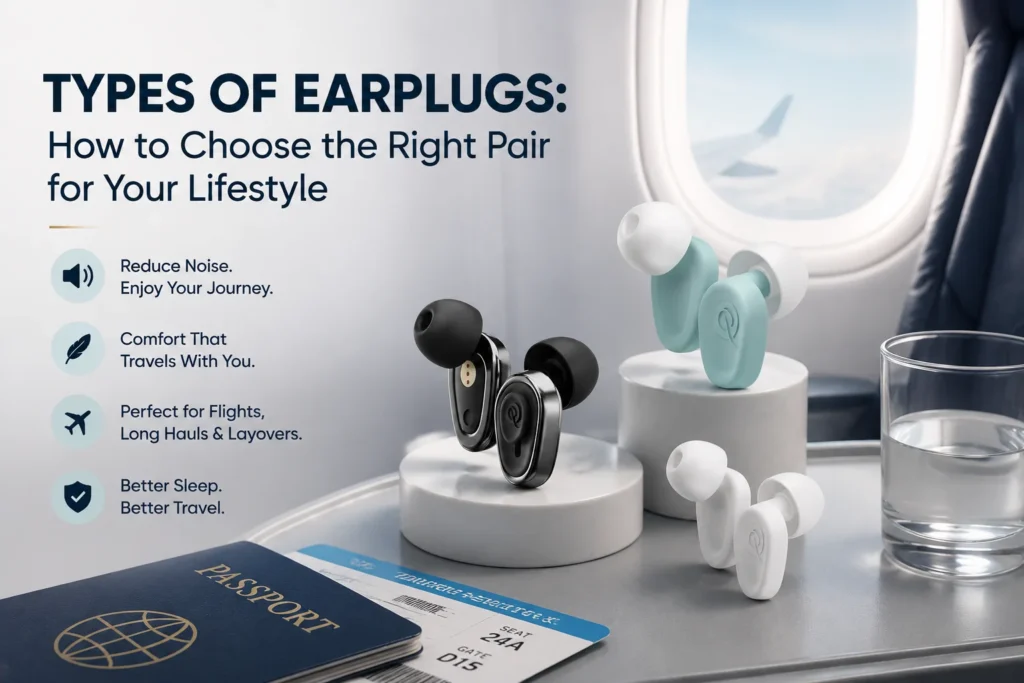
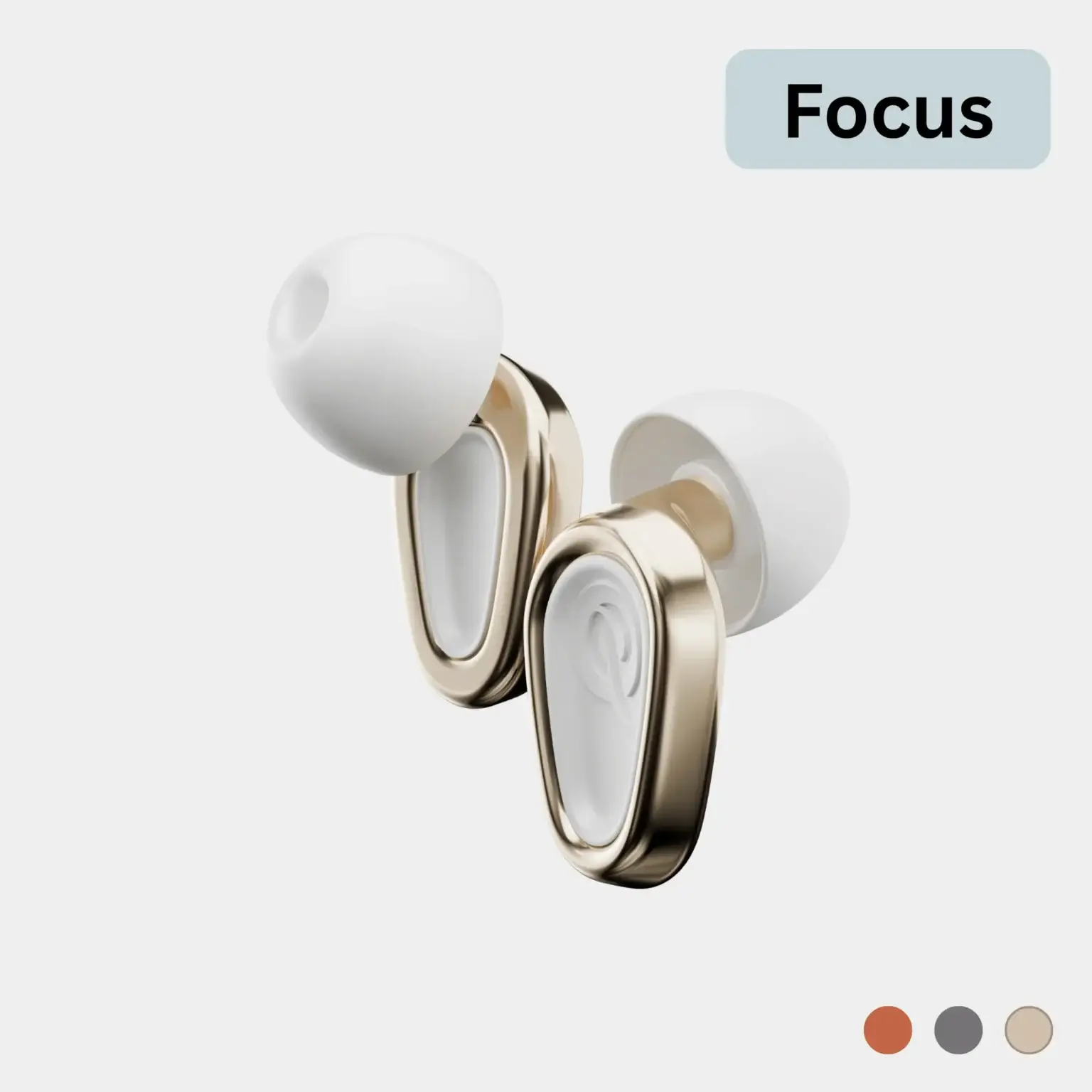
Here, the win is reduced distraction. You may not need the highest possible attenuation. You need enough reduction to make keyboard clatter, conversation and transport noise less demanding. Reusable earplugs with a subtle profile are particularly useful when you want to stay present and approachable rather than visibly checked out.
For sleep and recovery
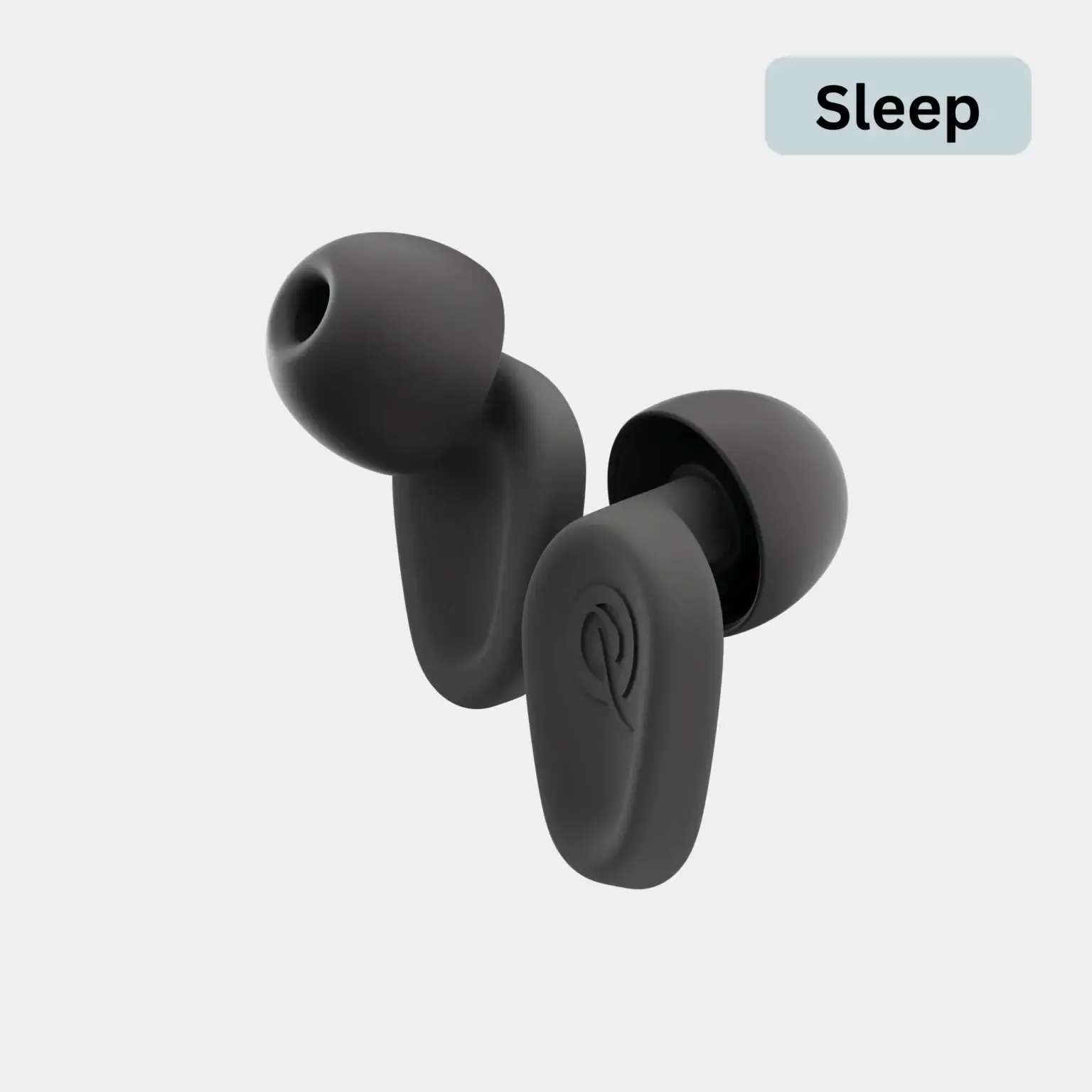
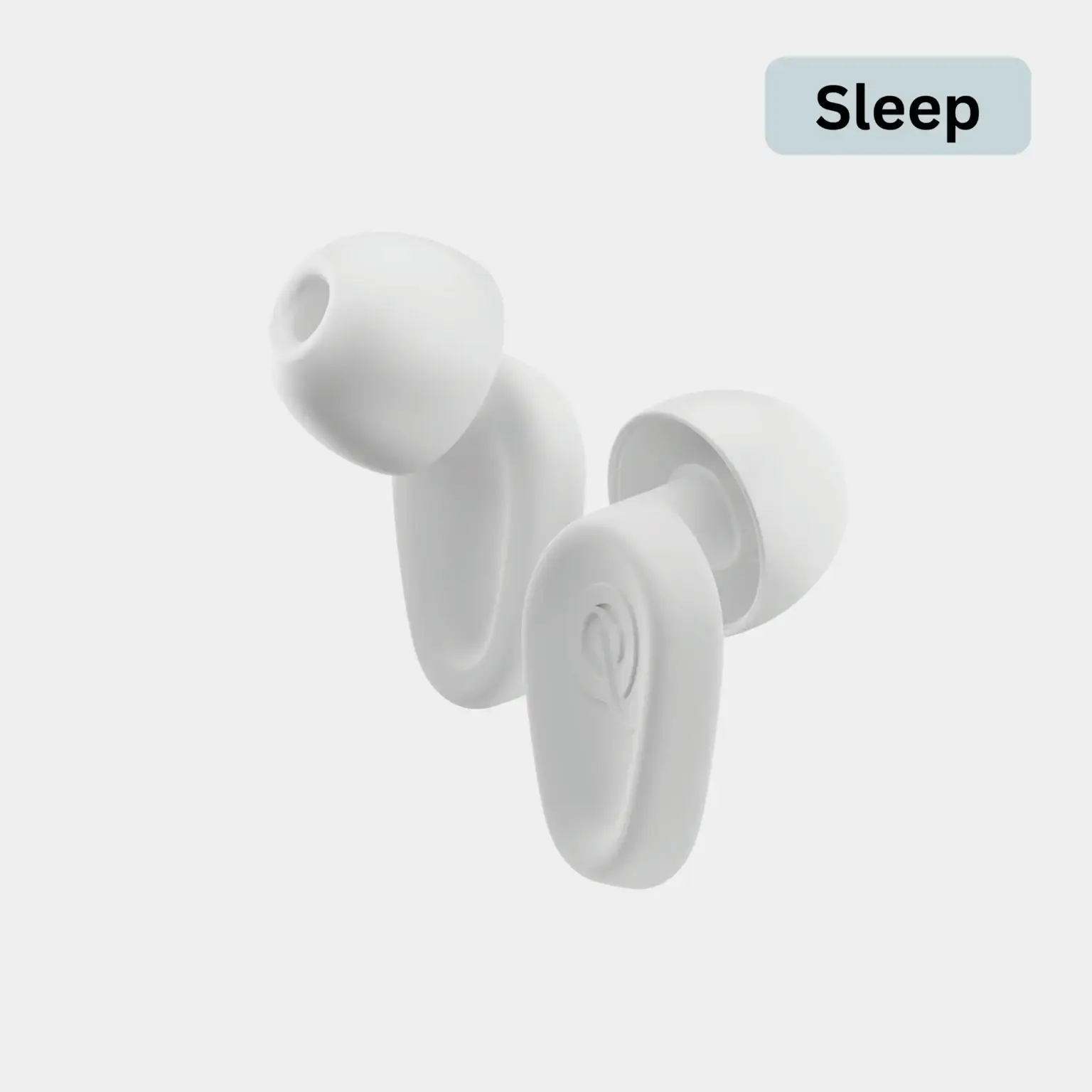
Prioritise softness, fit and side-sleeping comfort. A good seal matters, but pressure points matter too. Choose the ear tip size that sits securely without needing to be forced deep into the ear canal. If your sleep is regularly disrupted by extreme noise, persistent tinnitus or changes in hearing, seek advice from an appropriate health professional rather than relying on earplugs alone.
For motorcycling and louder work
Noise reduction and stability take priority. Check the product’s stated performance and certification, and make sure it is intended for your setting. CE, EN 352 and ANSI references can provide valuable reassurance, but they are not interchangeable labels to glance at and forget. The right rating depends on the exposure, the fit and the relevant safety requirements. Your workplace rules always come first.
Fit is where protection becomes useful
An earplug only works properly when it seals correctly. Even a highly rated design cannot deliver its intended reduction if it is loose, badly positioned or the wrong size. Fit is also what separates an earplug you tolerate from one you genuinely use every day.
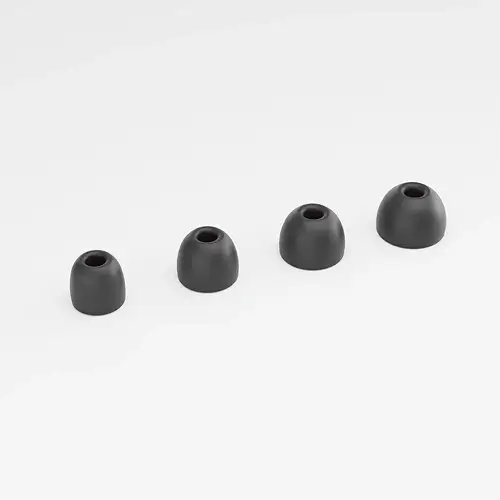
Try different ear tip sizes if they are supplied. The right size should feel snug, not painful. Insert the earplug gently, following its specific instructions, and give it a moment to settle. You should notice the surrounding sound reduce, especially low-frequency background noise, without feeling sharp discomfort.
Do not push earplugs too far into your ears or use damaged tips. If one ear feels different from the other, it may simply need a different tip size. Ear canals are not always symmetrical, and a mixed-size fit is completely normal.
Comfort also changes with context. A pair that feels perfect for a 40-minute commute may not suit an eight-hour shift or a full night’s sleep. Test your earplugs in the situations that matter to you before deciding they are your go-to solution.
Reusable earplugs need simple care
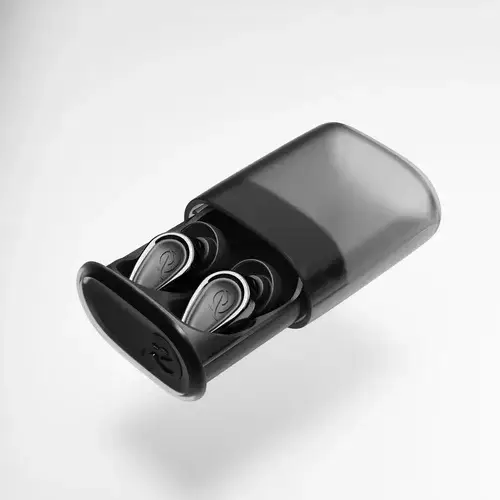
Reusable hearing protection earns its place by being ready when life gets loud. A small case is not just an accessory. It keeps earplugs clean, protected and easy to find before a show, journey or busy day.
Clean reusable earplugs according to the manufacturer’s instructions, usually with mild soap and water where appropriate, then allow them to dry fully before storing. Avoid sharing them. Check ear tips and filters regularly for wear, debris or damage, and replace components when they no longer fit securely or clean properly.
A simple habit makes a bigger difference than a perfect intention: return them to their case after every use. Keep another pair where noise catches you most often, such as your work bag, bedside table or riding kit.
Do not confuse comfort with complete silence
Earplugs reduce sound. They do not make every environment safe, and they should not remove awareness where you need it. Avoid using them in situations where you must hear alarms, instructions, approaching hazards or emergency signals. If you are cycling, walking alone near traffic or working around moving equipment, assess the environment carefully and follow local rules and workplace guidance.
It is also worth knowing that hearing protection is only one part of protecting your ears. Step away from speakers when possible, take quiet breaks during loud events and give your ears recovery time after prolonged exposure. If you experience sudden hearing loss, ongoing ringing, pain, dizziness or a feeling of fullness that does not pass, arrange professional medical advice promptly.
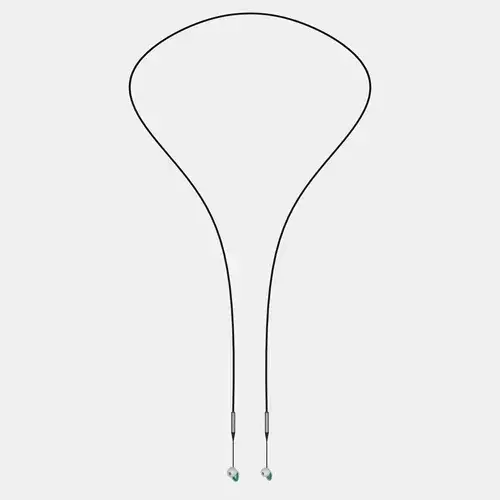
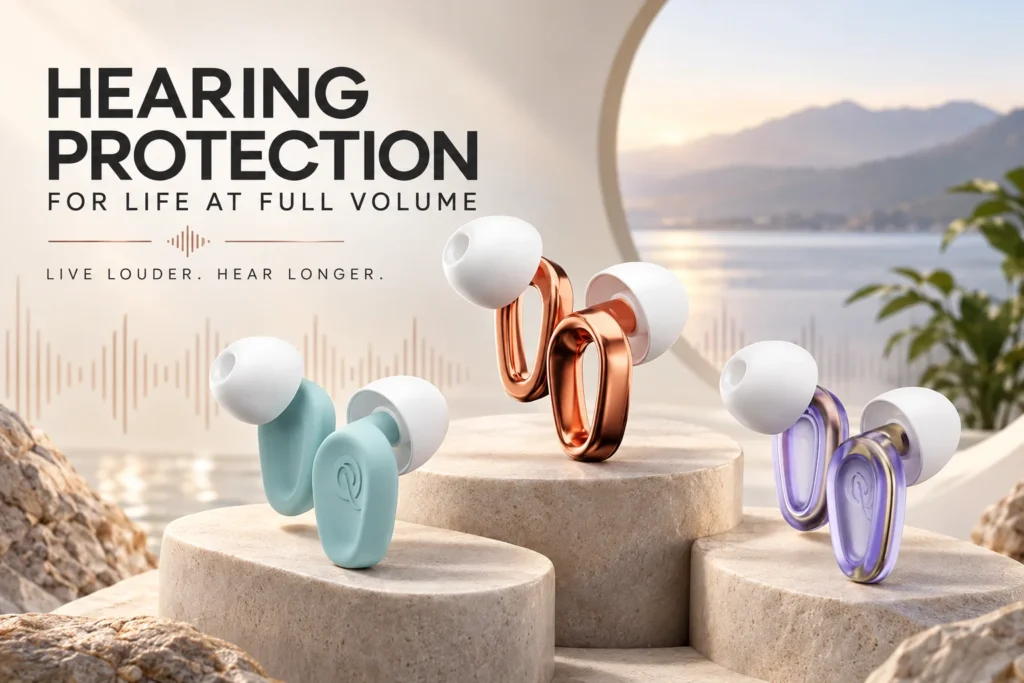
For daily noise control, the best solution is the one you will actually wear. Earmuffz reusable earplugs are designed around that reality: low-profile comfort, practical noise reduction and options for the moments that demand more focus, better rest or a calmer ride.
You do not need to wait for a painfully loud moment to take control. Put hearing protection where you can reach it, use it before the volume becomes overwhelming, and make more space for the things worth hearing.