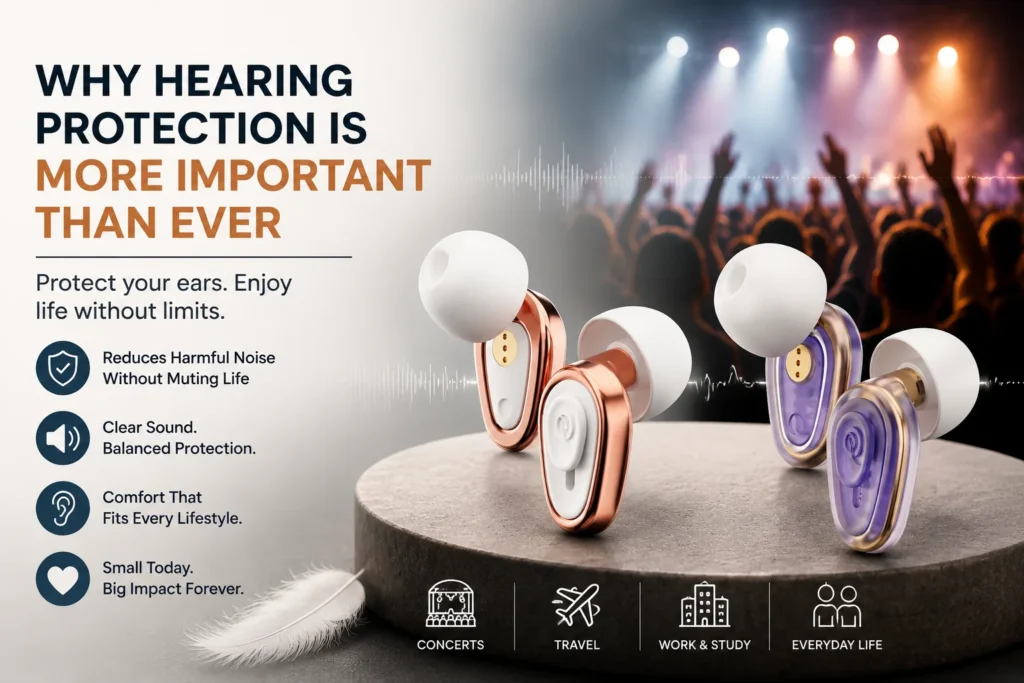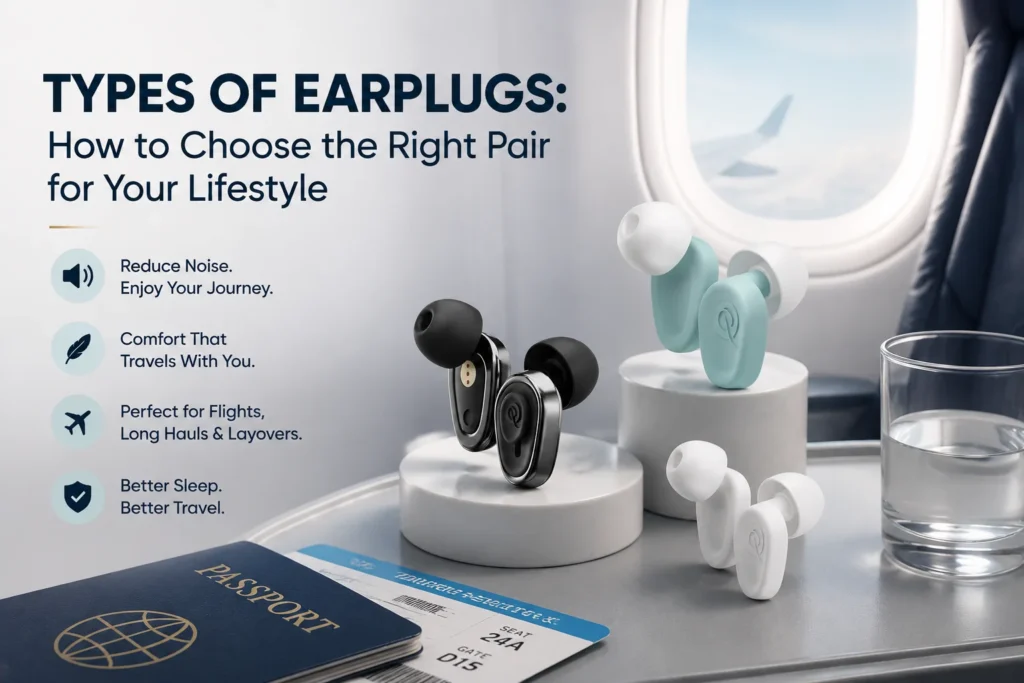

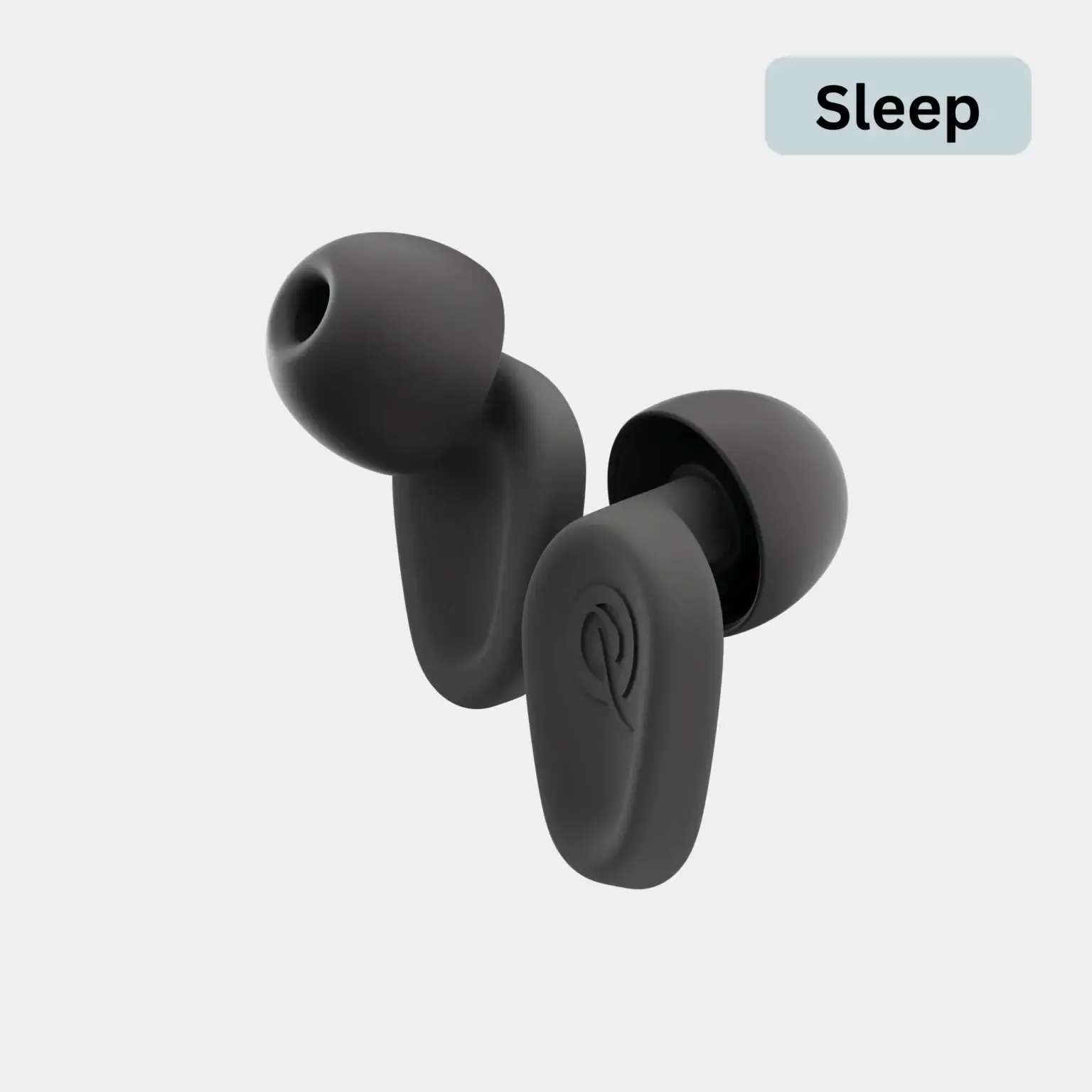
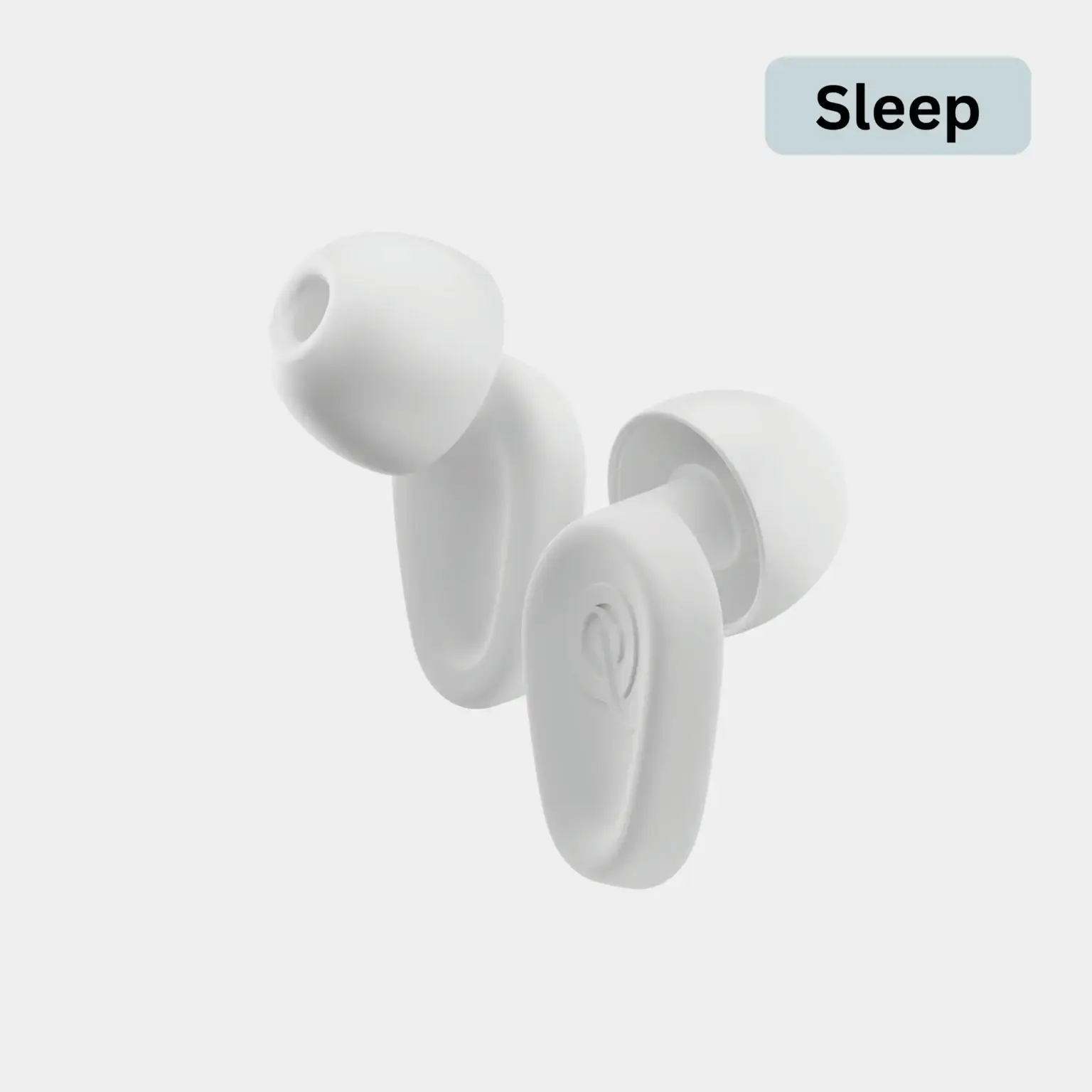
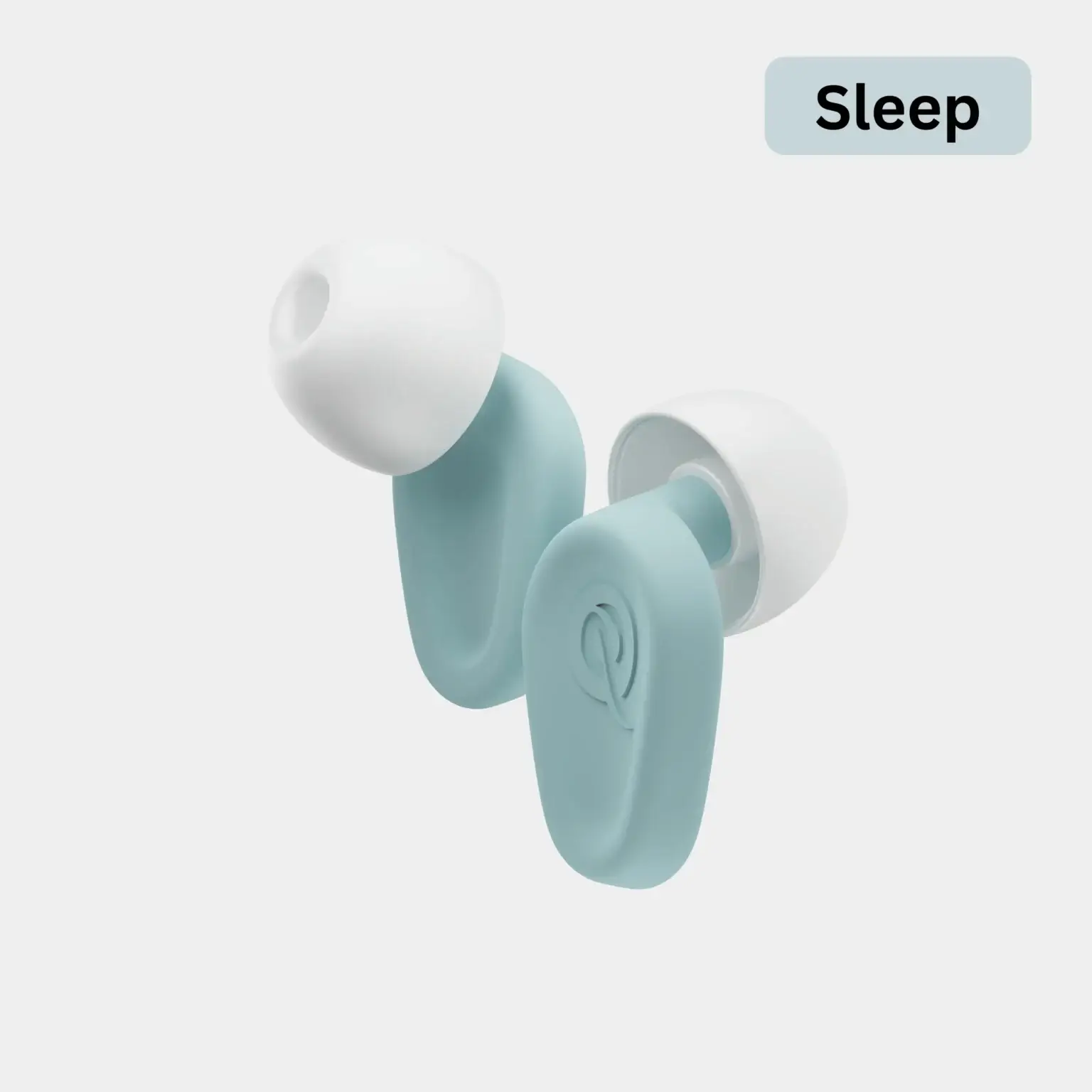
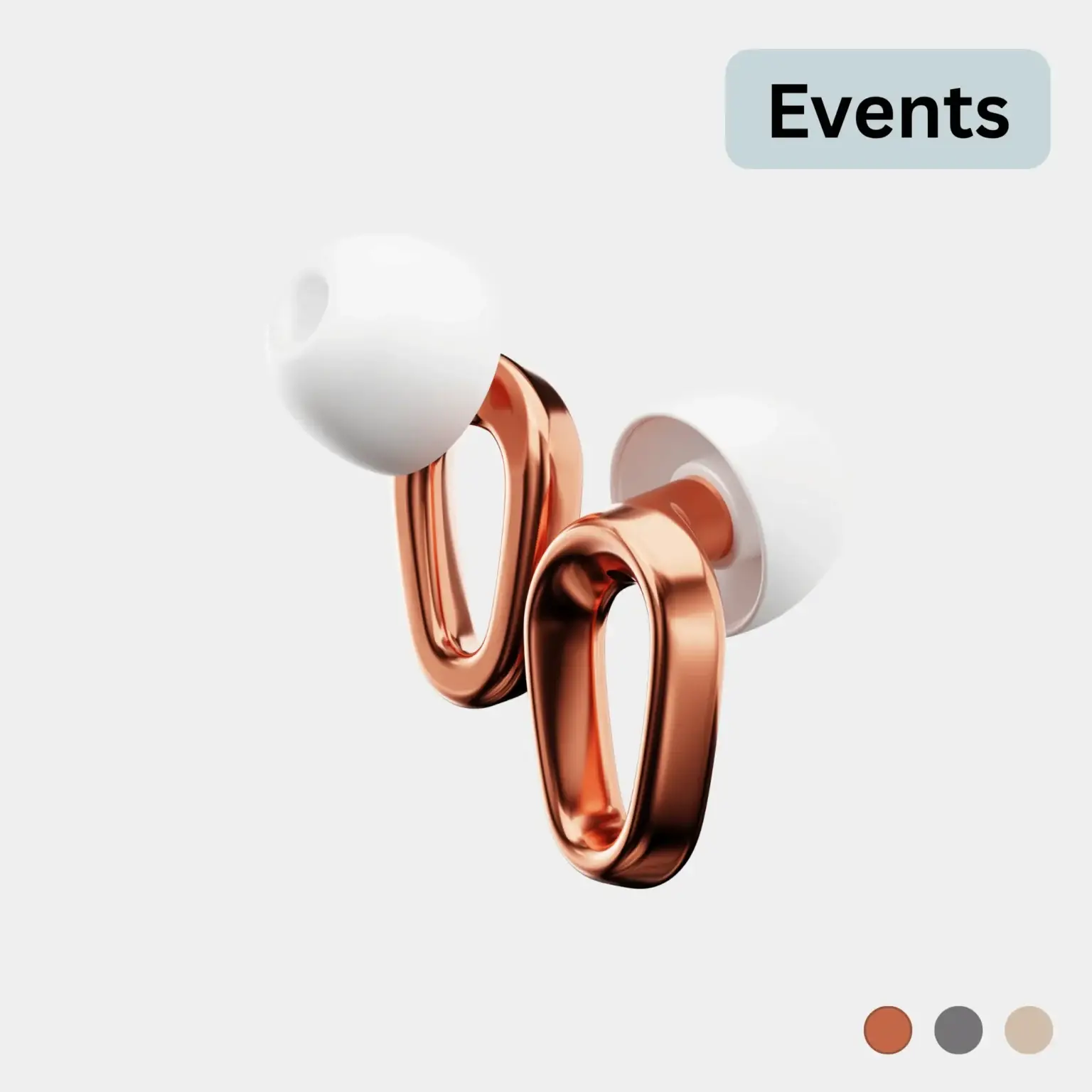
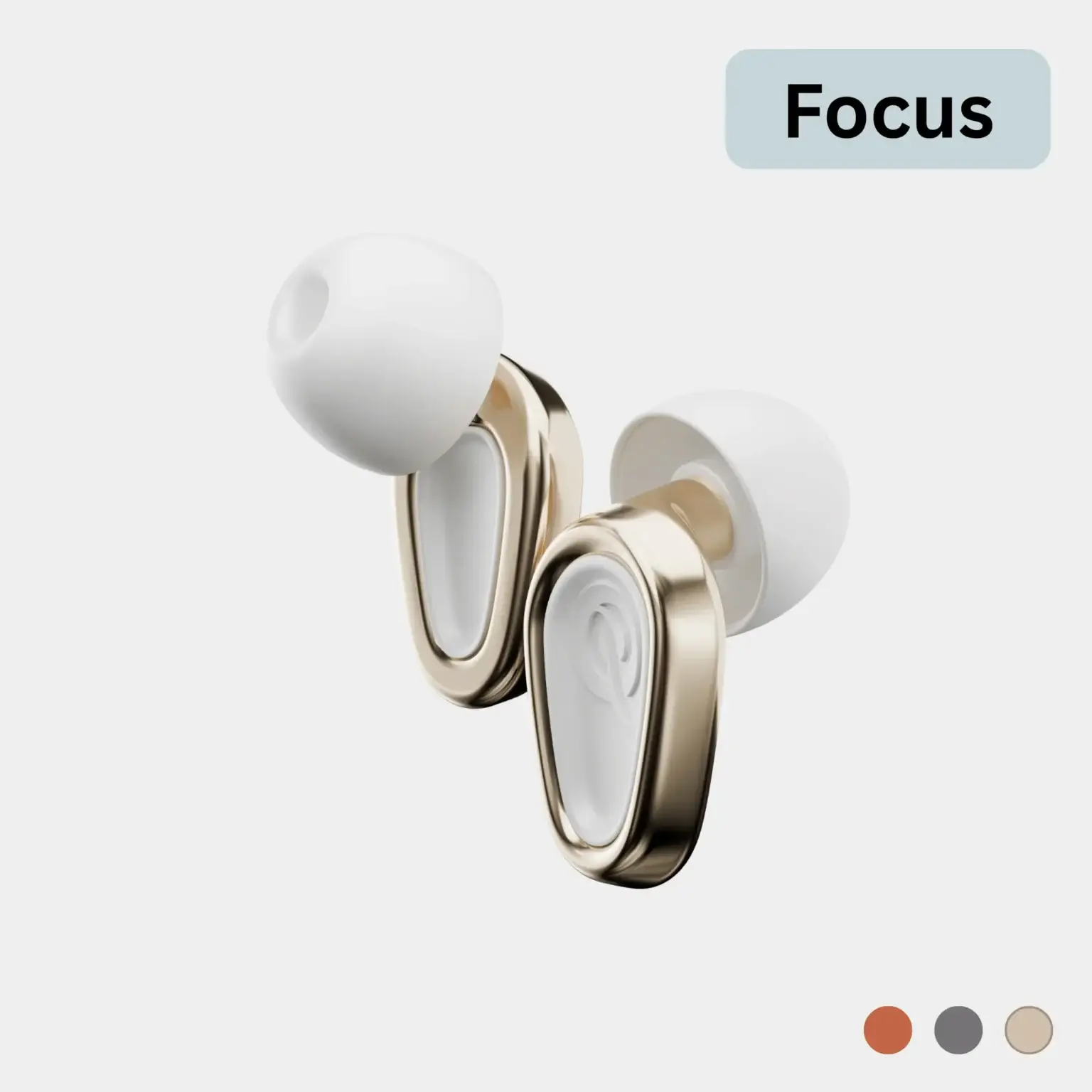
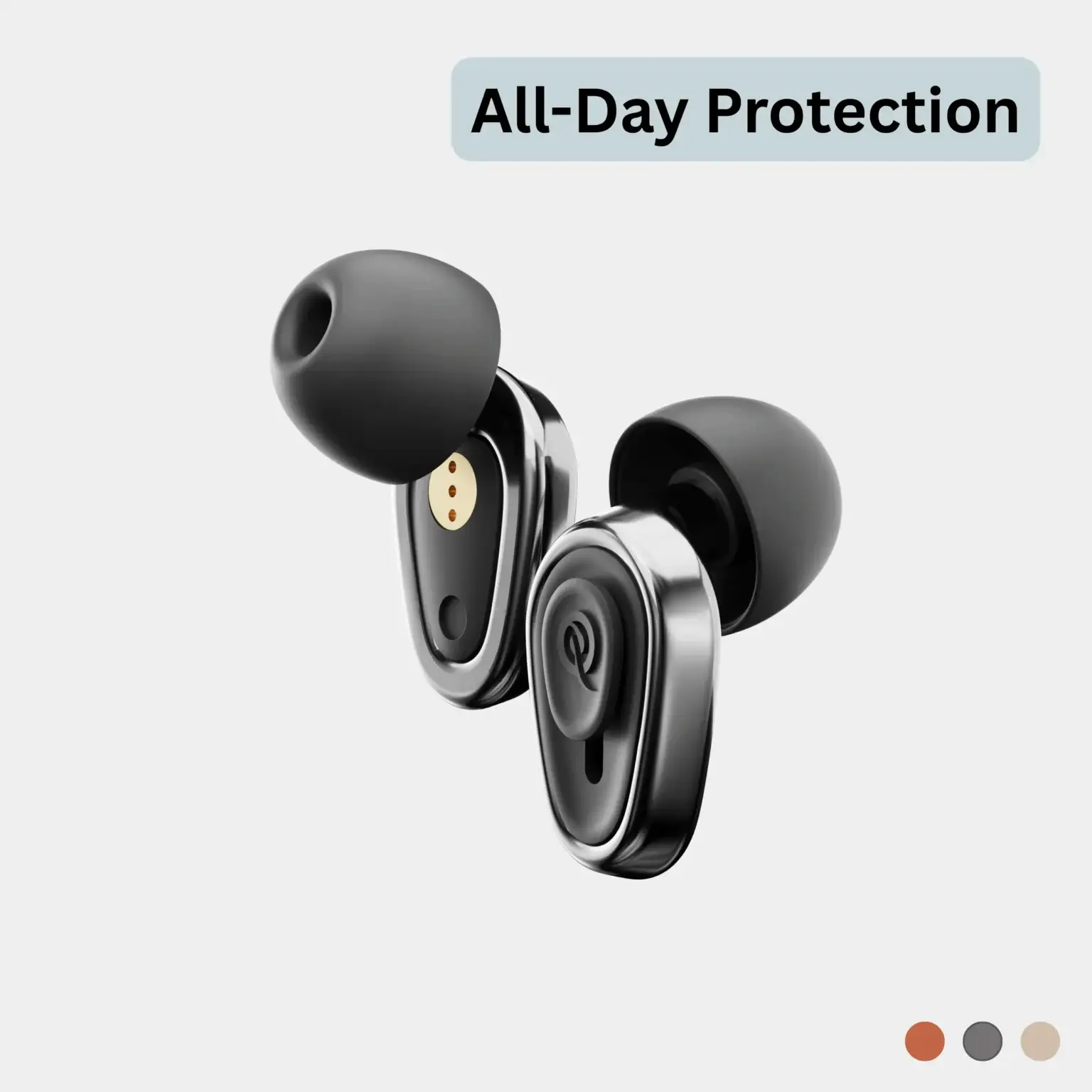
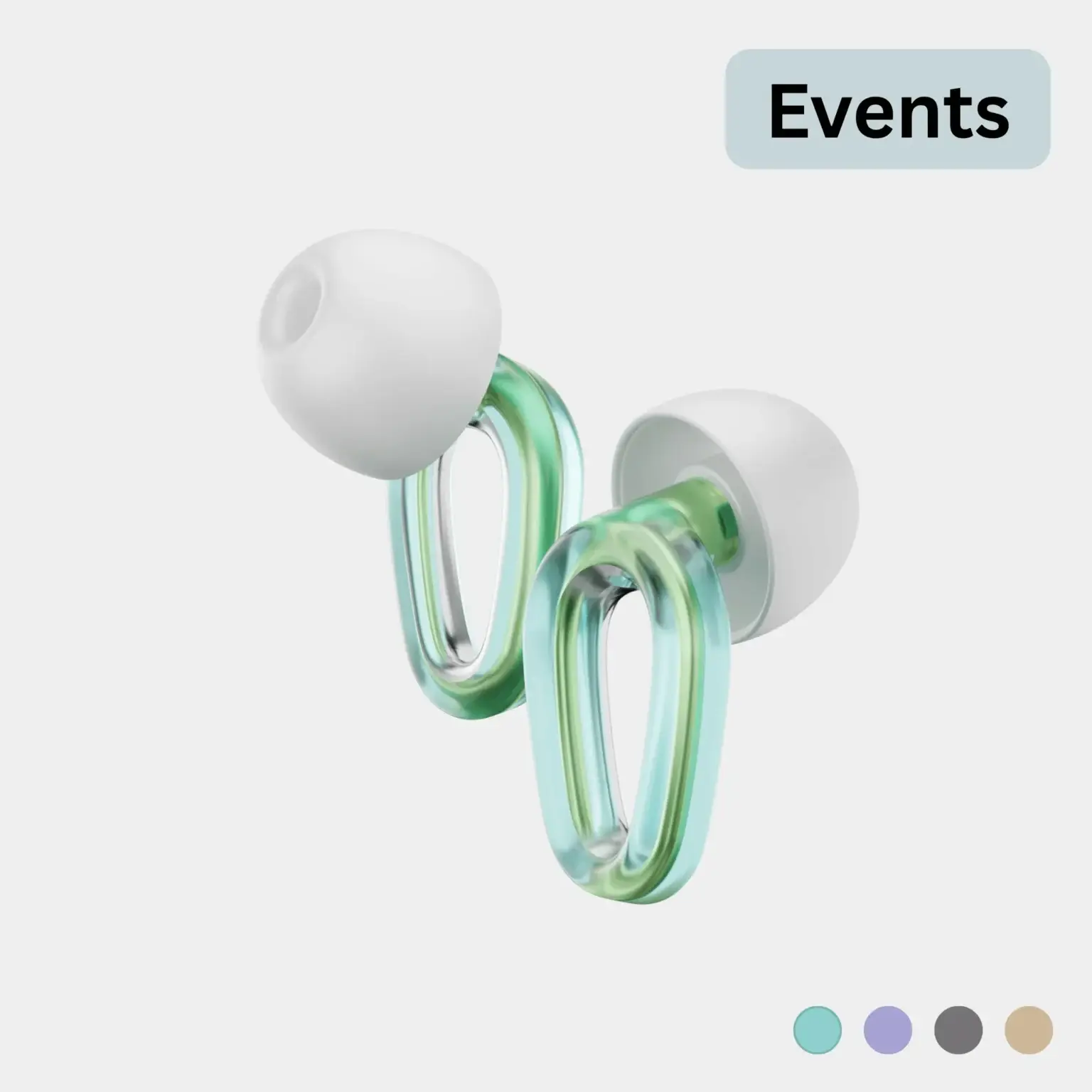
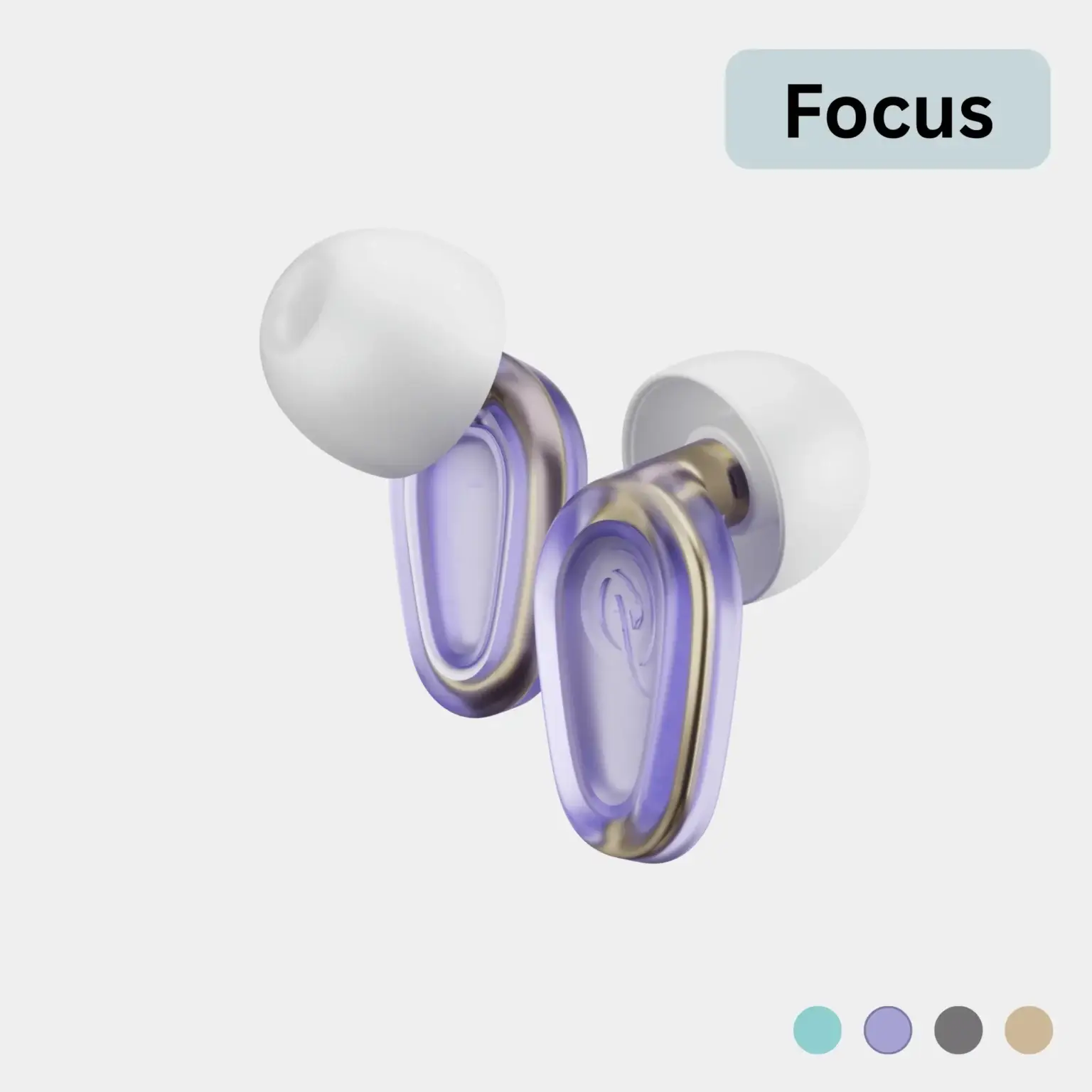
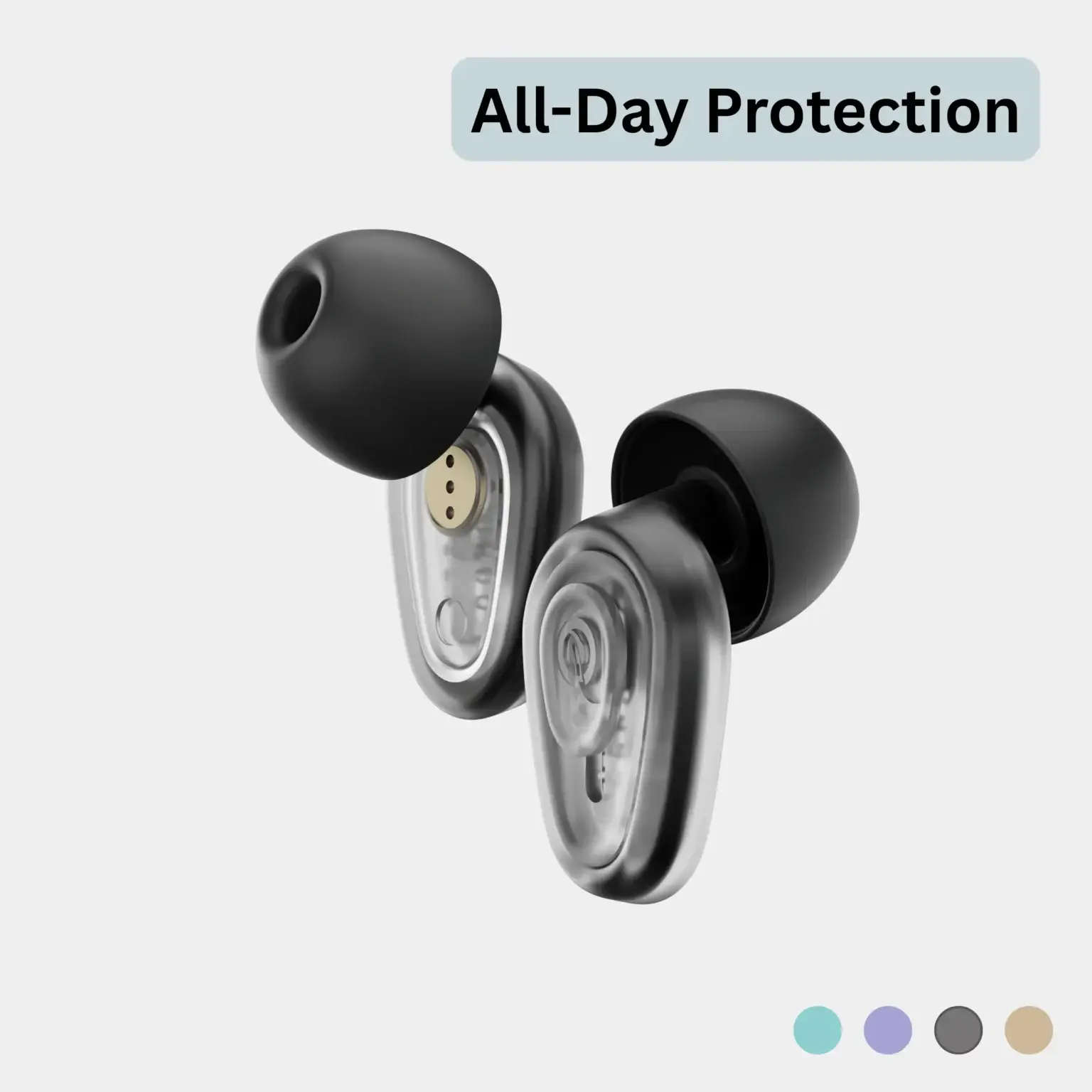

The 08:12 train is rarely just a train. It is brakes screeching, announcements bouncing off glass, someone’s video call on speaker and a carriage full of end-of-day energy before your day has properly begun. The best earplugs for commuting do not make you disappear from the world. They turn the volume down enough for you to arrive calmer, sharper and more in control.
That distinction matters. A daily commute is not a construction site, and it is not bedtime. You may still need to hear your stop, follow a platform announcement or speak to a colleague. The right pair reduces the exhausting edge of noise without making every journey feel disconnected.
What makes earplugs right for a commute?
Commuting earplugs need to earn their place in your pocket. They should be discreet, quick to fit and comfortable enough to wear through a train journey, a crowded bus or a walk beside traffic. If they press, slip or make your own voice boom inside your head, they will end up in a drawer.
The sweet spot is controlled reduction rather than maximum blockage. Filtered reusable earplugs can soften the constant low-level roar of engines, wheels and crowds while keeping speech and important environmental sound more natural than solid foam plugs. That is a better match for someone travelling through public spaces, then heading straight into a meeting, gym session or café.
Noise reduction ratings still matter, but they are not the whole story. A higher figure may suit a particularly loud route, such as a regular underground journey or a motorbike commute. For most rail, bus and walking commutes, comfort, a secure seal and clear situational awareness deserve equal weight. The pair you can wear every day is more useful than the pair with the biggest number on the box.
Choose by your journey, not the loudest claim
Your route tells you more than a generic product label ever can. Start with the noise you want to reduce and the sound you still need to keep.
For trains, tubes and packed platforms
Rail commuting combines sharp, unpredictable sounds with a steady background rumble. Look for low-profile reusable earplugs with acoustic filters. They take the sting out of braking, rail squeal and crowded carriages while allowing you to hear enough of an announcement when you pay attention.
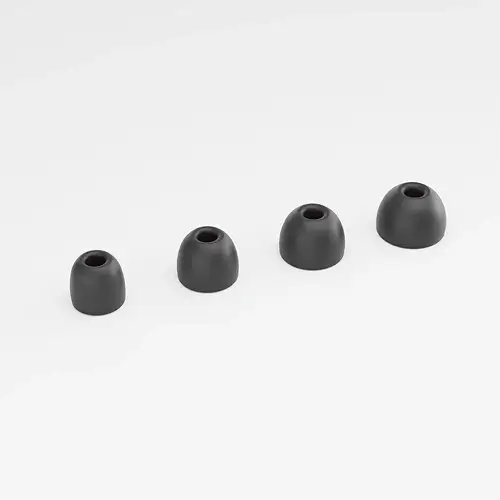
A secure fit is essential here. If an earplug loosens every time you pull on a scarf, adjust your glasses or take off a coat, it will interrupt the very calm you bought it for. Multiple eartip sizes are not a nice extra. They are how you create a reliable seal without forcing a one-size-fits-all fit.
For buses, traffic and walking routes
Road noise is relentless rather than dramatic. Tyres on wet tarmac, sirens in the distance, lorries idling at junctions and the general wash of a busy high street can leave you overstimulated before work. Moderate filtering works well because it reduces the fatigue of that background noise without removing the cues that keep you alert.
Do not use earplugs as a reason to switch off around roads. Keep music low or skip it, stay visually aware and remove your earplugs if conditions demand more attention. Hearing protection supports awareness. It should never replace it.
For motorbike commuters
Wind noise can be one of the biggest drains on a ride, particularly at speed. Here, stronger certified protection and a slim profile that works comfortably under a helmet are priorities. The fit must stay stable when you turn your head and should not create painful pressure over a longer journey.
For this use, choose earplugs designed for hearing protection rather than ordinary earbuds. Certification to recognised standards such as CE, EN 352 or ANSI provides useful reassurance that the product has been assessed for its intended protective role. You still need to hear what is happening around you, but you do not need to absorb every decibel of wind.
Filtered reusable earplugs versus foam
Foam earplugs are inexpensive and can offer strong attenuation, but they are often better suited to sleep or short-term high-noise tasks than the everyday commute. They can muffle voices heavily, need careful insertion to work properly and create more waste when used once and discarded.
Reusable filtered earplugs cost more upfront, yet they are built for repeat wear. Their value is in control: softer noise, more natural sound and a design you can carry from platform to office. They also look less like industrial kit, which matters when you want a practical wellness tool that fits the rest of your day.
There is no universally perfect choice. If your commute is exceptionally loud and you need maximum reduction, foam may be the stronger option. If you want a comfortable, considered solution for public transport and everyday sensory relief, reusable filters usually make more sense.
Comfort is a performance feature
An earplug can have excellent noise reduction on paper and still fail you by 08:30. The most common reason is poor fit. Ear canals vary in width, angle and sensitivity, so a choice of soft eartips is key. Start with the smallest size that seals comfortably, then move up only if outside noise still feels too present.
A good seal should feel secure, not aggressively tight. You should not need to keep pushing the earplug deeper, and there should be no ache after twenty minutes. Test them at home first: walk around, talk, yawn, put on your coat and wear them while sitting at a desk. These small checks reveal whether the fit will hold up during real travelling.
Low-profile designs are especially useful for people who wear glasses, hats or helmets. They are also more comfortable if you lean your head against a window or take a call with one ear free. Small details make the difference between occasional use and a commute essential.
How much sound should you reduce?
Think in terms of your goal. Are you trying to concentrate on a podcast? Take the pressure off a packed carriage? Protect your hearing on a motorbike? Or stop arriving at work already worn down? Each goal calls for a slightly different level of reduction.
For a typical office commute, you want enough attenuation to take harshness out of the environment while preserving speech. For sensory overload, you may prefer a greater reduction, especially during the busiest part of the journey. For high-speed riding or consistently loud routes, prioritise certified protection and compatibility with your helmet.
Be wary of chasing silence. Total isolation can feel uncomfortable in public and may make ordinary sounds, including your own footsteps or voice, feel strangely amplified. Controlled quiet is usually the better target. You want room to think, not a bubble that leaves you disorientated.
A practical commuter checklist
Before choosing, make sure your earplugs meet these real-world demands:
- Reusable construction that can handle daily carrying and regular cleaning.
- Soft eartips in more than one size for a secure, pressure-free seal.
- A low-profile shape that works with glasses, hats or a helmet.
- Acoustic filtering that lowers noise without making speech completely unintelligible.
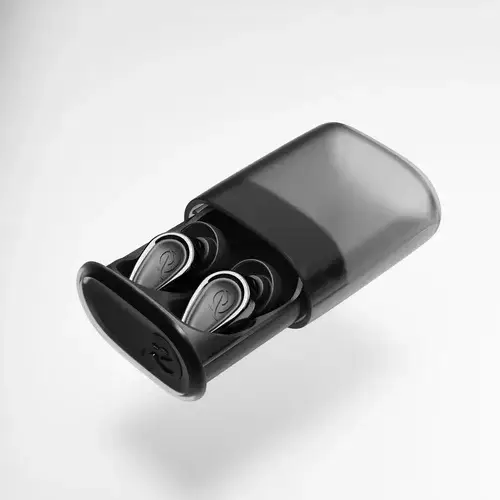
- A protective case, so they are clean, easy to find and less likely to be lost at the bottom of a bag.
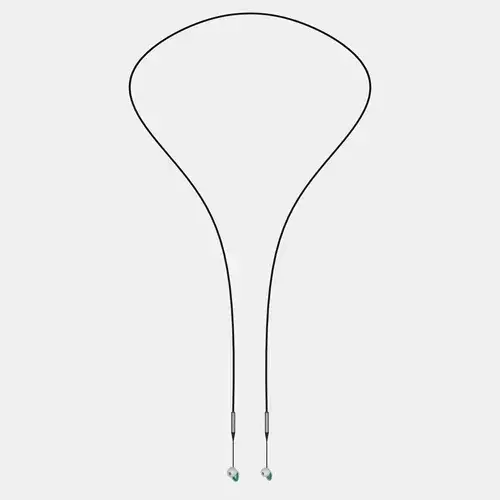
A neck strap can also be useful if you move between noisy and quiet spaces throughout the day. It is a simple upgrade for anyone constantly taking earplugs in and out between the station, office and lunch break.
Make earplugs part of your commute routine
The best result comes from using them before the noise gets under your skin. Put your earplugs in before you step onto the platform or start your engine, rather than waiting until the carriage is packed and your stress level has climbed. Keep the case where your hand naturally goes – coat pocket, work bag or key tray – so they become as automatic as your travel card.
Clean reusable earplugs regularly with the method recommended for their material, and check the eartips for wear. A damaged or dirty tip will compromise comfort and hygiene. Replacing eartips when needed is a small bit of maintenance that protects the whole experience.
Earmuffz offers reusable options across different noise-control needs, so the useful question is not simply which earplug is best. It is which level of control fits the way you travel. Choose for your loudest regular moment, make comfort non-negotiable and give yourself a quieter runway into the rest of your day.