

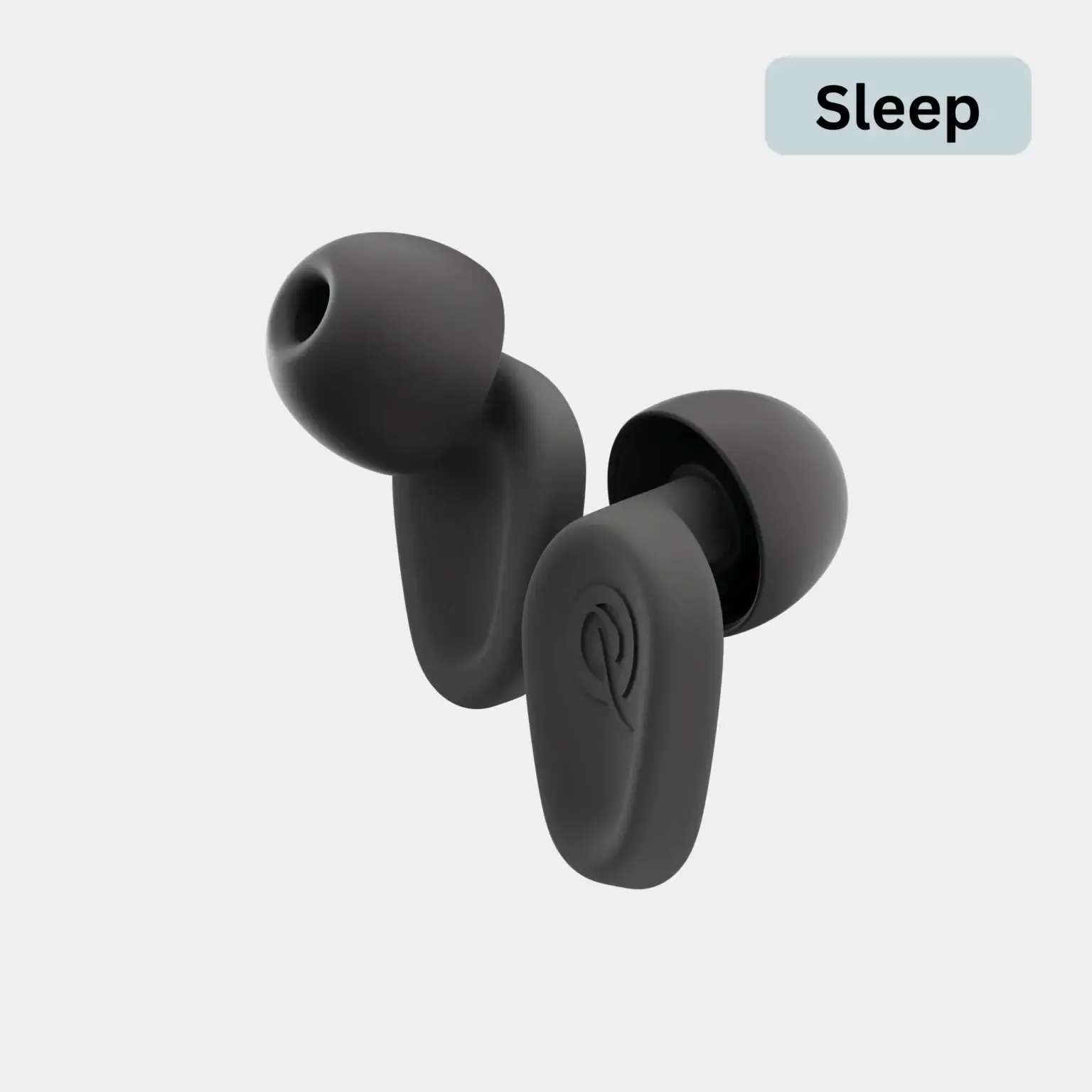
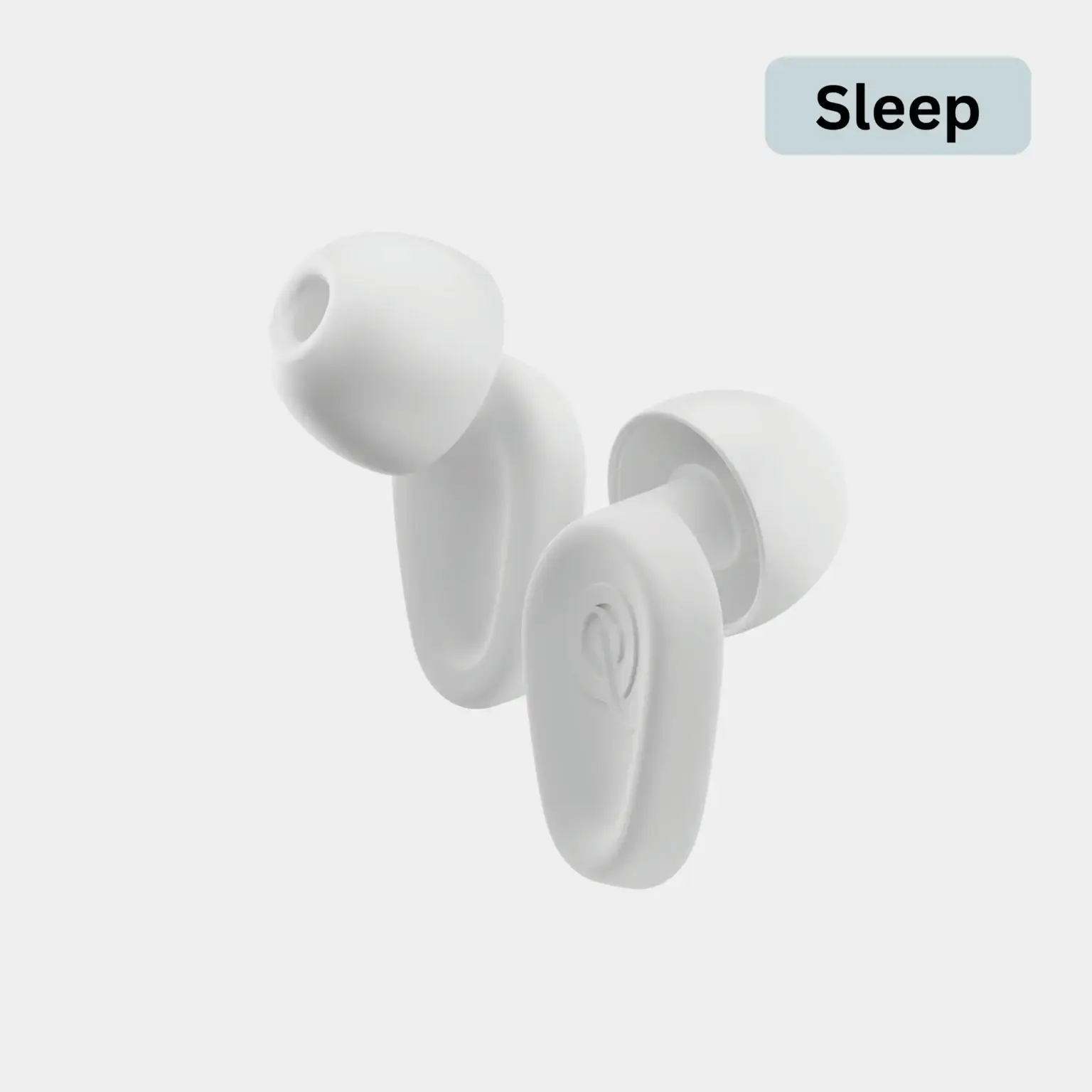
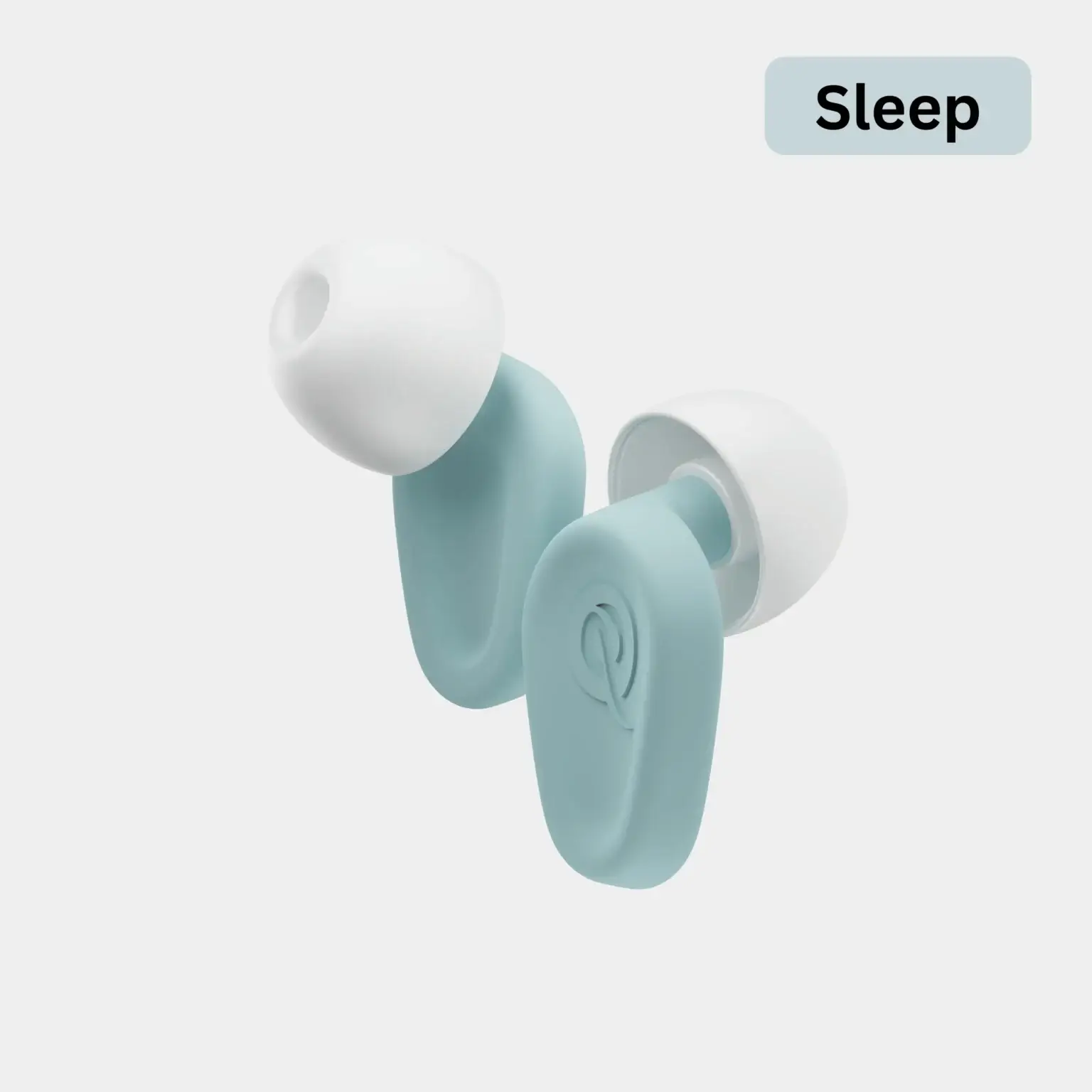
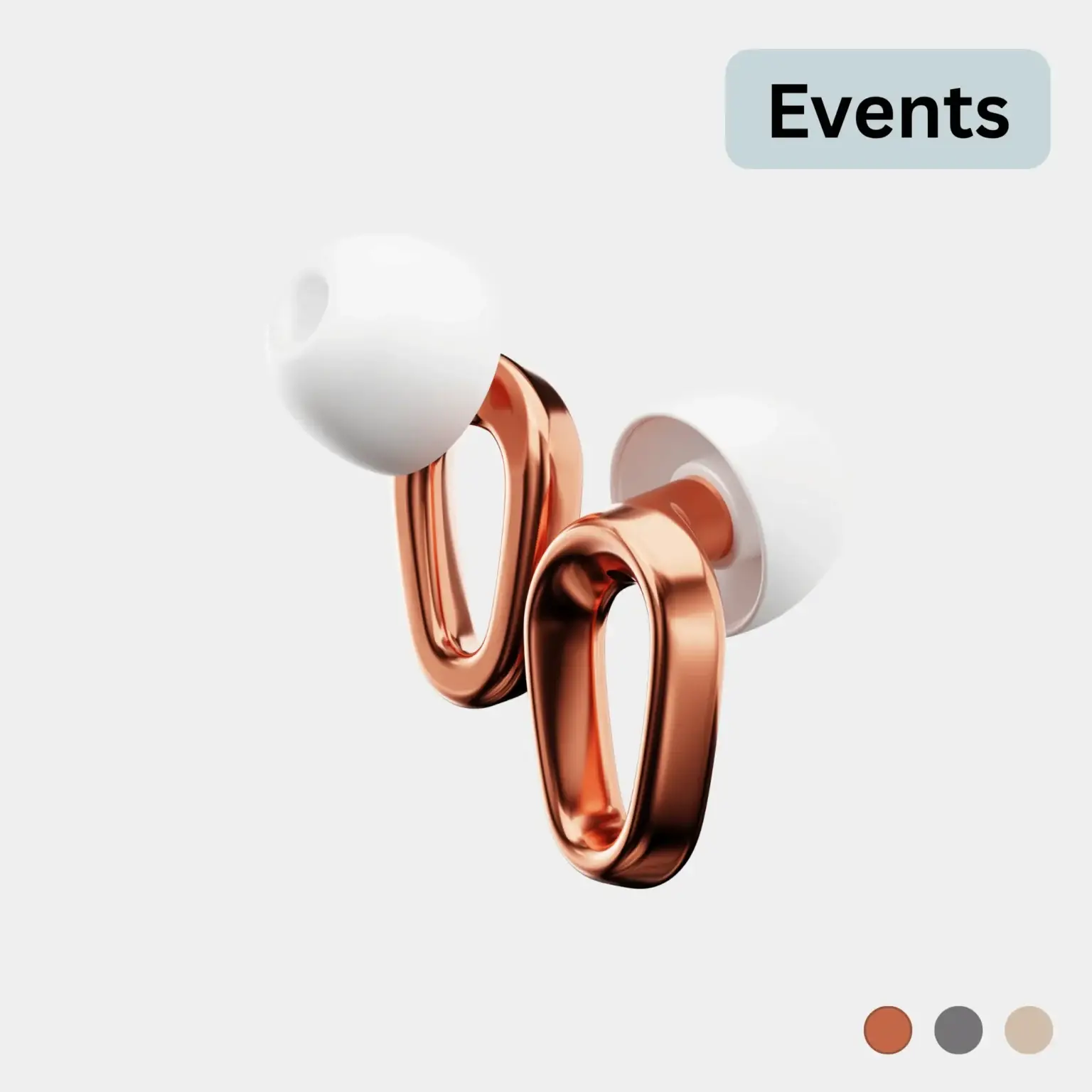
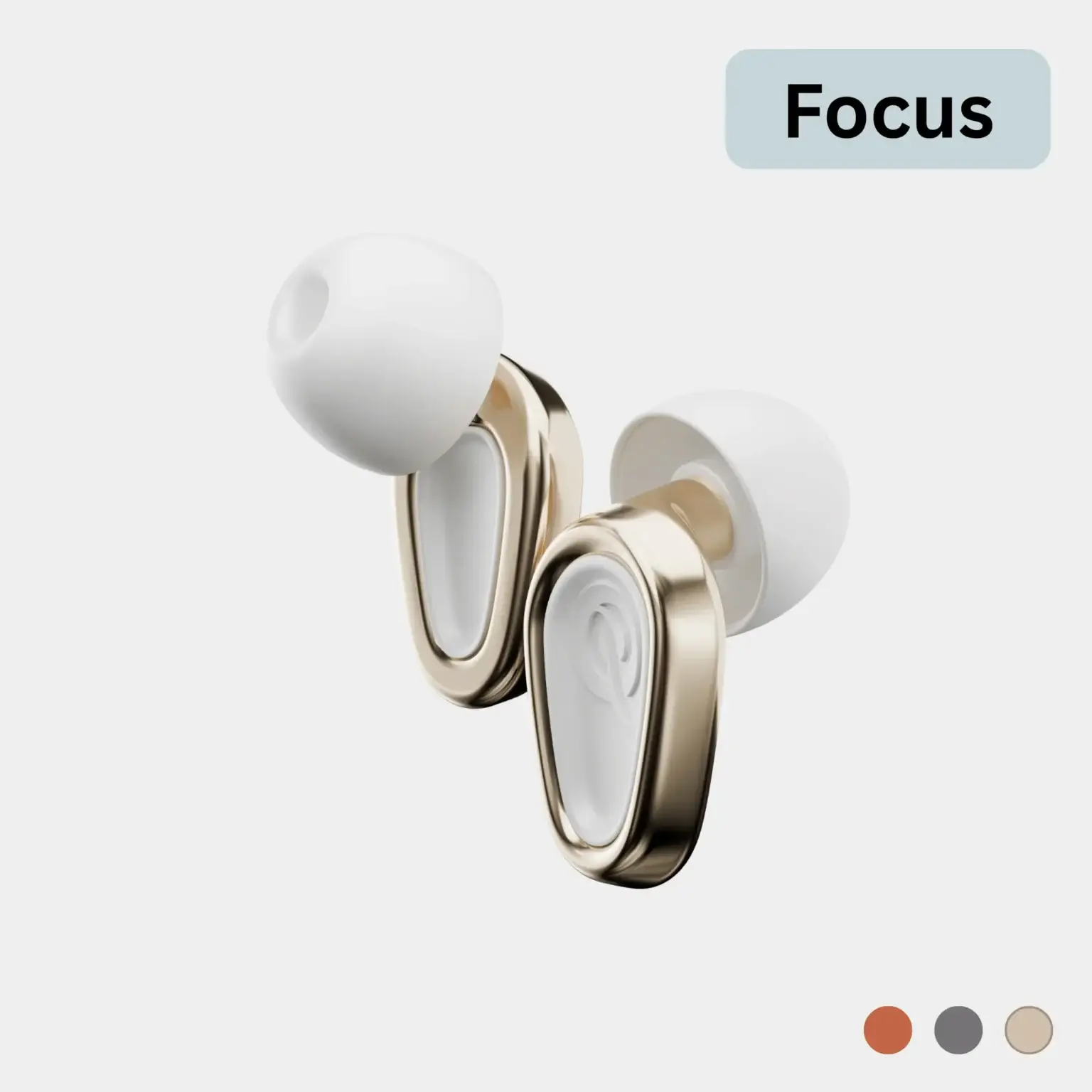
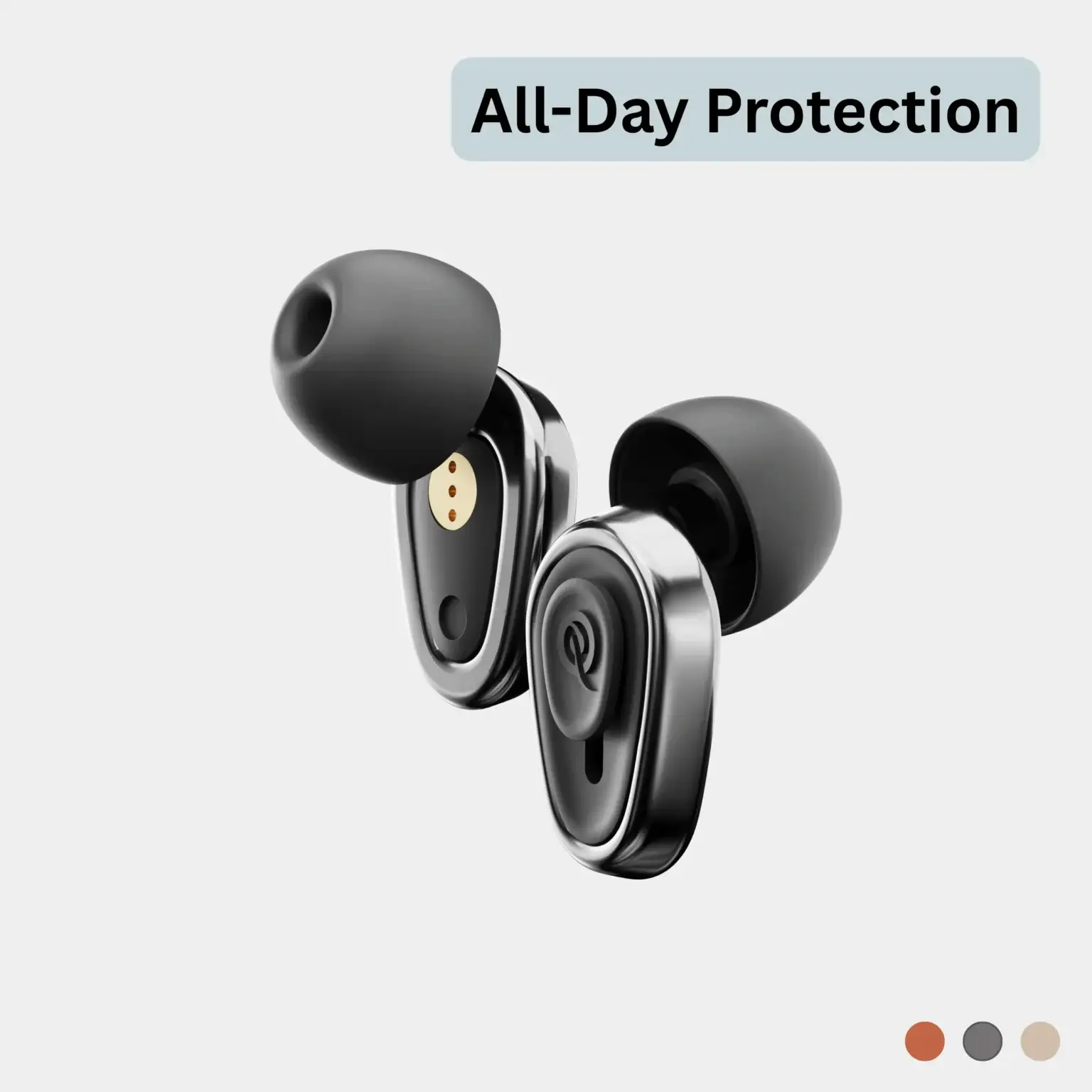
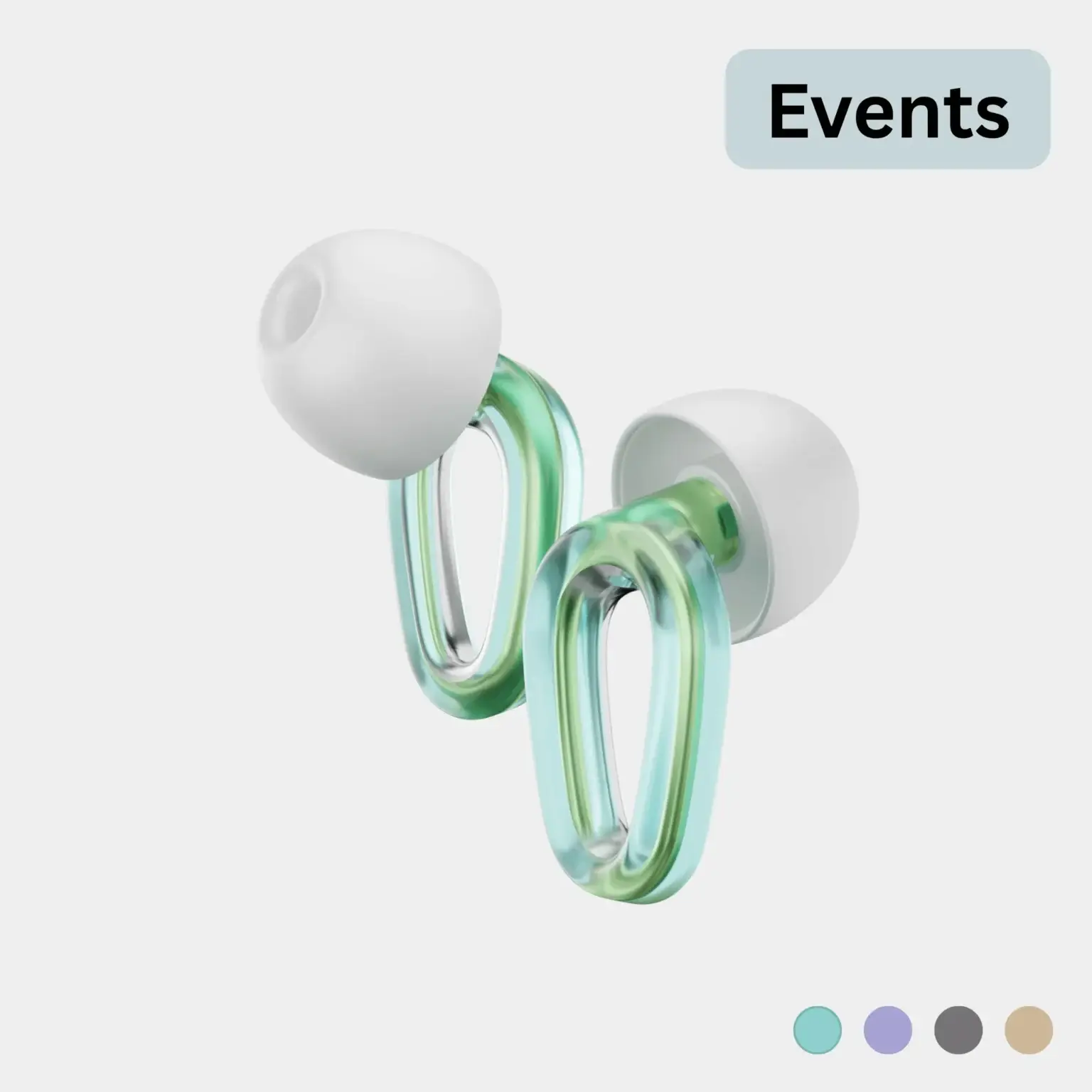
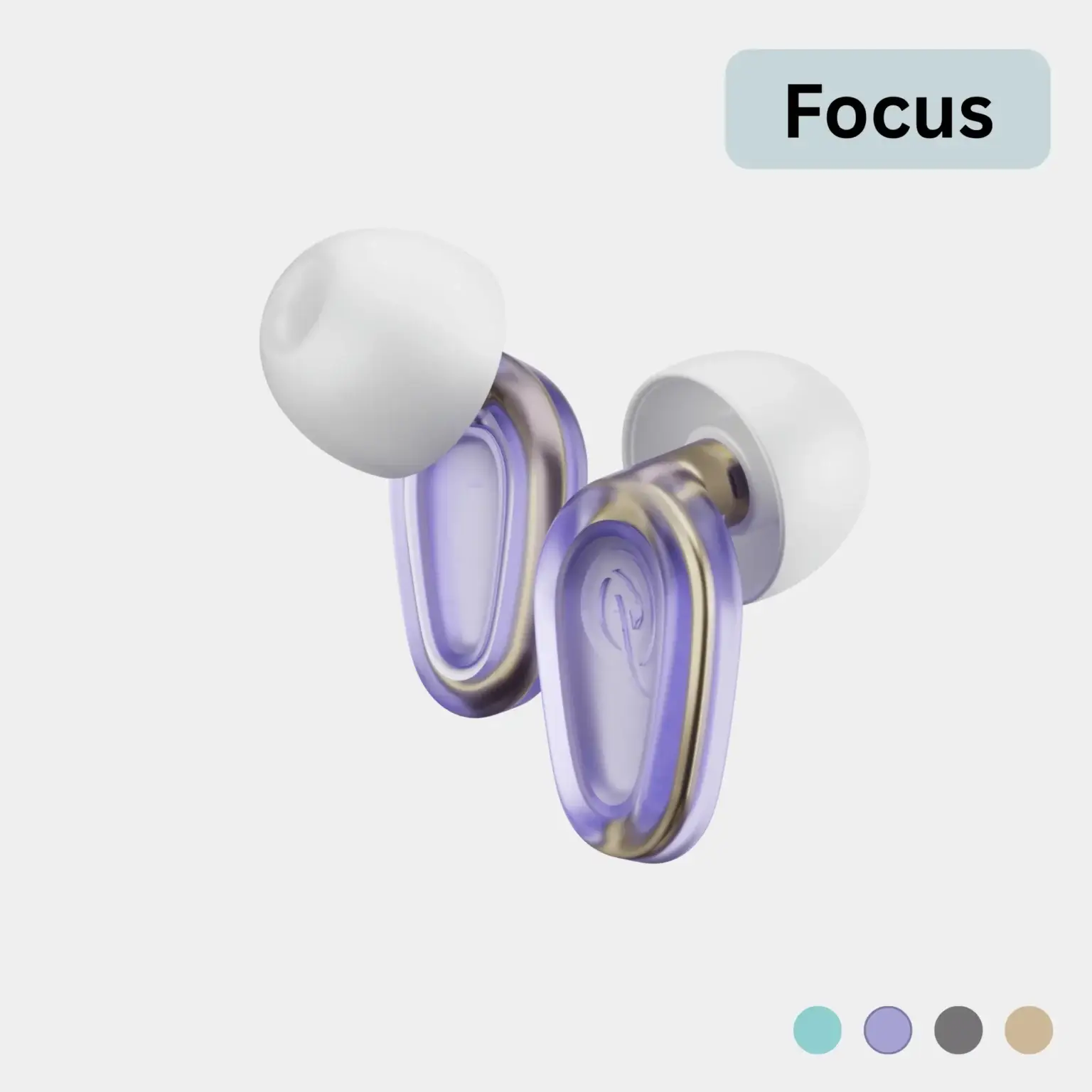
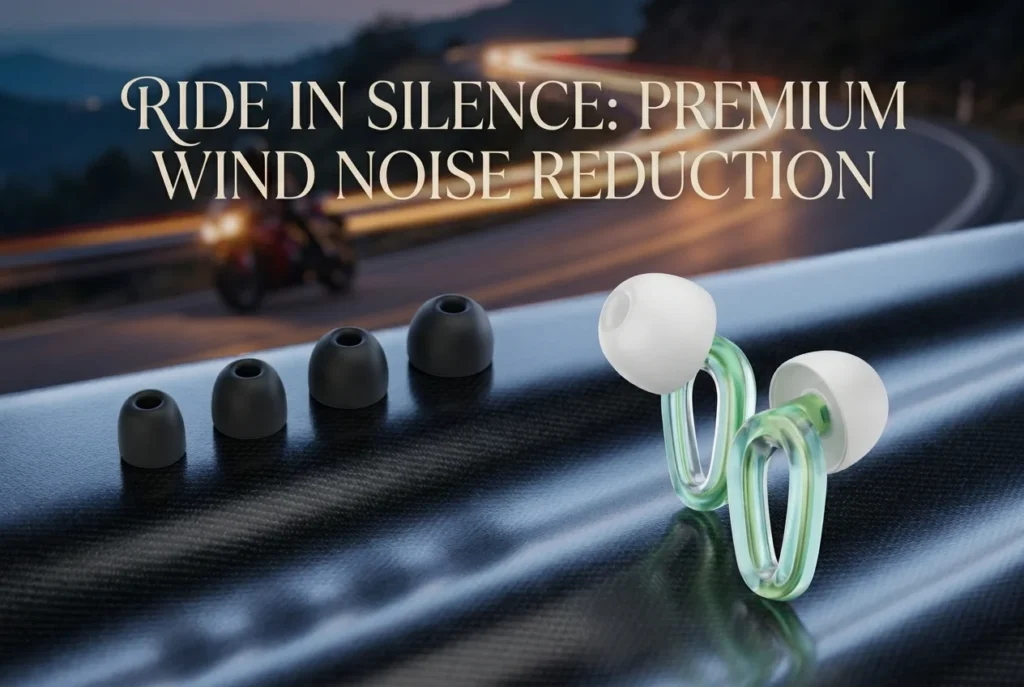
That exhausting roar inside your helmet is not just part of the ride. At motorway speed, turbulent air around the helmet can create enough wind noise to leave your ears ringing, your concentration drained and your arrival less enjoyable than it should be. The right earplugs for motorcycle riding wind noise give you a calmer cockpit, so you can focus on the road, the machine and the next bend.
This is not about shutting the world out. It is about taking control of the volume. A good pair reduces the harsh, fatiguing frequencies that build over a long ride while helping you remain aware of the sounds that matter, including traffic, sirens and changes in your bike.
Why motorcycle wind noise deserves attention
Many riders assume that a quiet exhaust means quiet riding. In reality, wind is often the bigger issue. Air striking your helmet, passing the visor seal and rolling around your neck creates turbulent noise that can become intense surprisingly quickly. It rises with speed, so even a short dual carriageway stretch can feel far louder than town riding.
The immediate effect is fatigue. Your shoulders tense, conversations at fuel stops feel harder and you arrive feeling as though your head has been switched on at full volume for hours. Repeat exposure can also contribute to temporary ringing or muffled hearing after a ride. That is a poor trade for a Sunday blast, a daily commute or a touring holiday.
A better helmet, a properly fitted visor and a wind-deflecting screen can all help. But they do not eliminate the noise created around your ears. Earplugs are one of the simplest upgrades a rider can make because they work inside the helmet, whatever bike you ride.
What to look for in earplugs for motorcycle riding wind noise
The best earplugs are not necessarily the ones that make everything completely silent. Motorcycling demands awareness, and total isolation is neither realistic nor desirable. Look for controlled noise reduction that takes the edge off wind roar without making the ride feel detached.
Low-profile comfort under a helmet
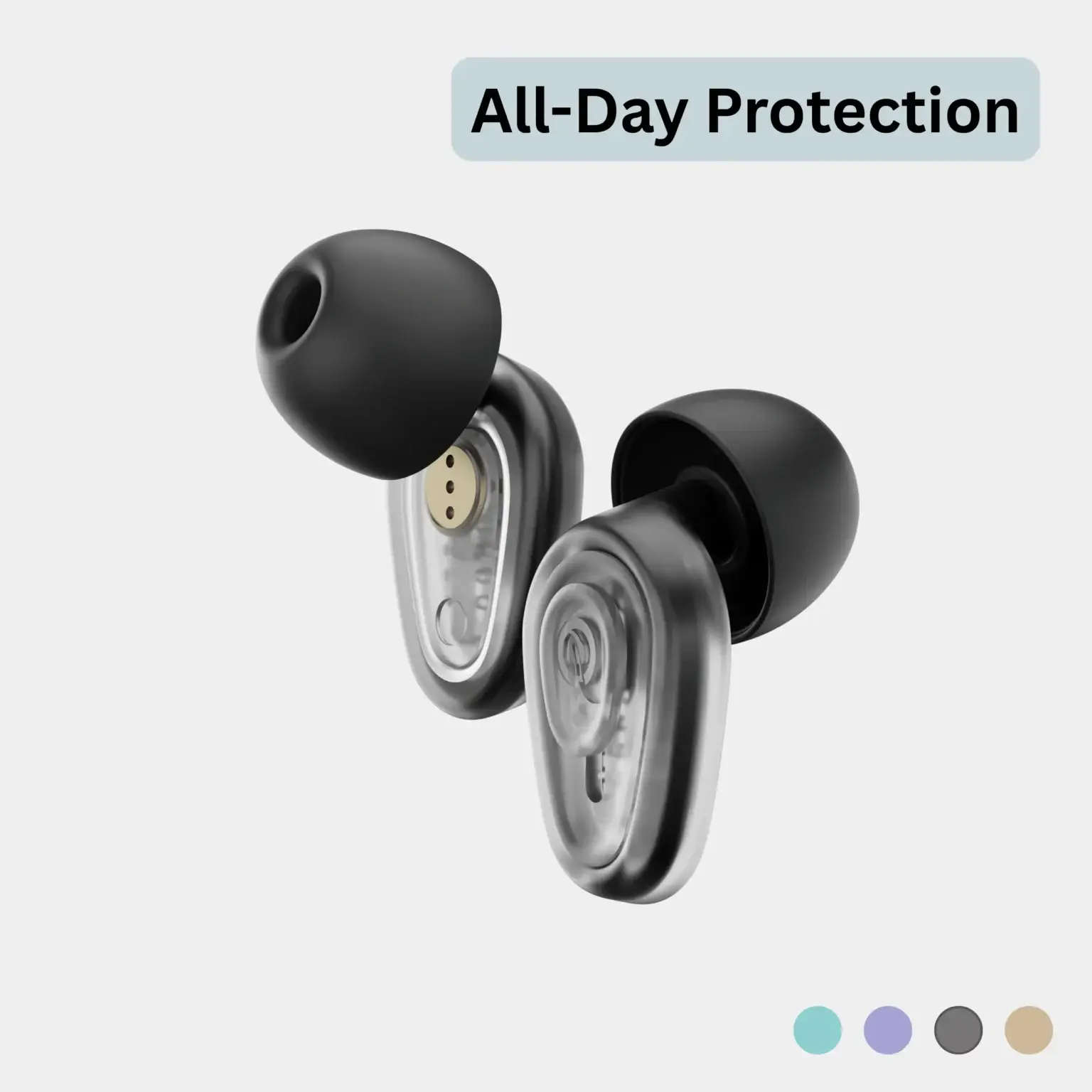
A helmet creates pressure points that ordinary earplugs may reveal within minutes. Bulky stems can rub against the helmet liner, shift as you pull the helmet on or become painful before the first coffee stop. A low-profile design sits neatly in the ear, reducing the chance of contact and helping the plug stay put.
Comfort is performance. If your earplugs hurt, you will stop wearing them. If they are comfortable enough to forget, they become part of your essential riding kit alongside gloves and a visor cloth.
A fit that seals properly
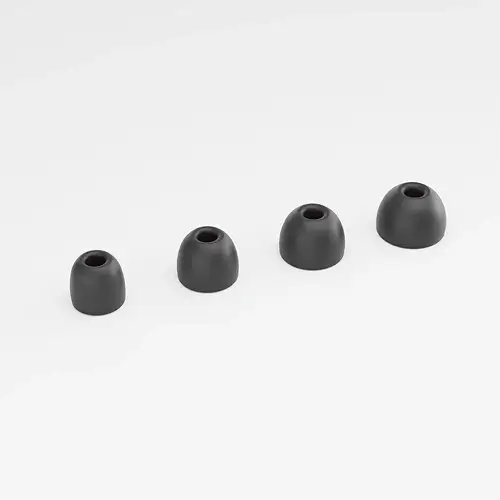
Noise reduction depends heavily on fit. An excellent earplug with a poor seal will underperform, while a modestly rated plug fitted correctly can make a dramatic difference. Reusable plugs with multiple eartip sizes give you more control than a one-size approach, especially if one ear canal differs slightly from the other.
The plug should feel secure, not forced. It should not cause sharp pressure, work loose when you move your jaw or leave you straining to hear your own breathing. Take a few minutes at home to test different tip sizes before relying on them for a full ride.
Reusable materials and practical storage
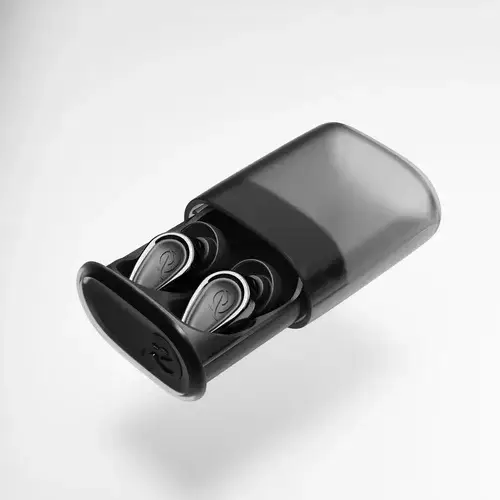
Disposable foam plugs can be effective, but they are easy to lose, awkward to insert with gloves nearby and not ideal for riders who need hearing protection regularly. Reusable motorcycle earplugs are easier to keep clean and simpler to carry in a dedicated case. That makes them far more likely to be with you when an unexpected longer route or fast road section appears.
Choose a durable option designed for repeated use, then keep the case in a jacket pocket, tank bag or top box. The best protection is the protection you actually have with you.
Credible safety standards
Noise reduction claims should be backed by meaningful testing. Where available, look for earplugs tested or certified to recognised standards such as CE, EN 352 or ANSI. Ratings are useful for comparing products, but they are not a promise that every rider will experience the exact same reduction. Your fit, helmet shape, speed and riding environment all affect the result.
Your helmet still matters
Earplugs are powerful, but they are not a substitute for a properly fitted helmet. A helmet that lifts at speed, has worn cheek pads or leaves a large gap around the neck can amplify the turbulence reaching your ears. Check your visor seal, chin curtain and neck roll before assuming the plugs are the problem.
Your bike setup also changes the equation. A tall screen can direct turbulent air straight at helmet level, while a smaller screen may put you in cleaner air. Adventure bikes, naked bikes and fully faired tourers all create different wind patterns. If noise is unusually severe, test another screen position or ride height as well as another earplug fit.
Think of it as a system: helmet fit, airflow management and hearing protection working together. Each improvement makes the next one more effective.
How to get the fit right before you ride
Put your earplugs in before your helmet, using clean hands. For reusable designs, gently position the tip until it creates a comfortable seal. Do not push aggressively. The aim is secure contact, not depth.
Once both plugs are in, put on your helmet as you normally would. Pay attention to whether the helmet liner catches them or pulls them loose. If it does, adjust the insertion slightly or try a smaller tip. A correctly fitted plug should remain in place as you fasten the strap, turn your head and speak.
Do a short local test ride before committing to a long journey. Listen for whether wind noise is reduced without making you uneasy about your surroundings. You should still be able to detect horns, sirens and the general presence of traffic, even though the sharpest roar is turned down.
Never use earplugs as a reason to turn music or intercom volume up excessively. If you rely on a comms system, set it at a sensible level before moving off. The point is lower overall exposure, not replacing wind noise with louder audio.
Choose the right level of control for your riding
Your ideal earplug depends on where and how you ride. A commuter who spends most of the journey filtering through urban traffic may want a comfortable, discreet plug that softens the daily noise load. A touring rider covering several hours of fast roads may prioritise greater attenuation, dependable retention and all-day comfort. Track riders often need a more dedicated approach, particularly around sustained engine noise.
It also depends on your sensitivity. If you finish rides with ringing ears, headaches or a drained feeling, take that seriously. More noise reduction may be appropriate, but start with fit and comfort first. A plug you can wear every ride is usually more valuable than one with an impressive specification that stays in a drawer.
For riders who want hearing protection beyond the bike, a premium reusable option can earn its place in everyday life too. The same low-profile approach is useful for commuting, concerts, focused work or noisy travel. Earmuffz positions this as total volume control: one small piece of kit that helps you protect your energy wherever noise tries to take over.
Care, replacement and riding habits
Reusable earplugs need basic care. Clean them according to the product instructions, allow them to dry fully and store them in their case. Earwax, dust and pocket debris can affect comfort and hygiene, especially when you use them frequently.
Inspect the tips regularly. Replace them if they become damaged, stiff, discoloured or unable to hold a reliable seal. If your plugs suddenly feel less effective, the answer may be a fresh eartip rather than a new helmet.
Most of all, make them routine. Put them in before every fast ride, not only when you remember after a noisy journey. Your future hearing does not need a dramatic warning sign to deserve protection.
The best ride is not the loudest one. Reduce the roar, keep your awareness and arrive with more energy left for wherever the road takes you.