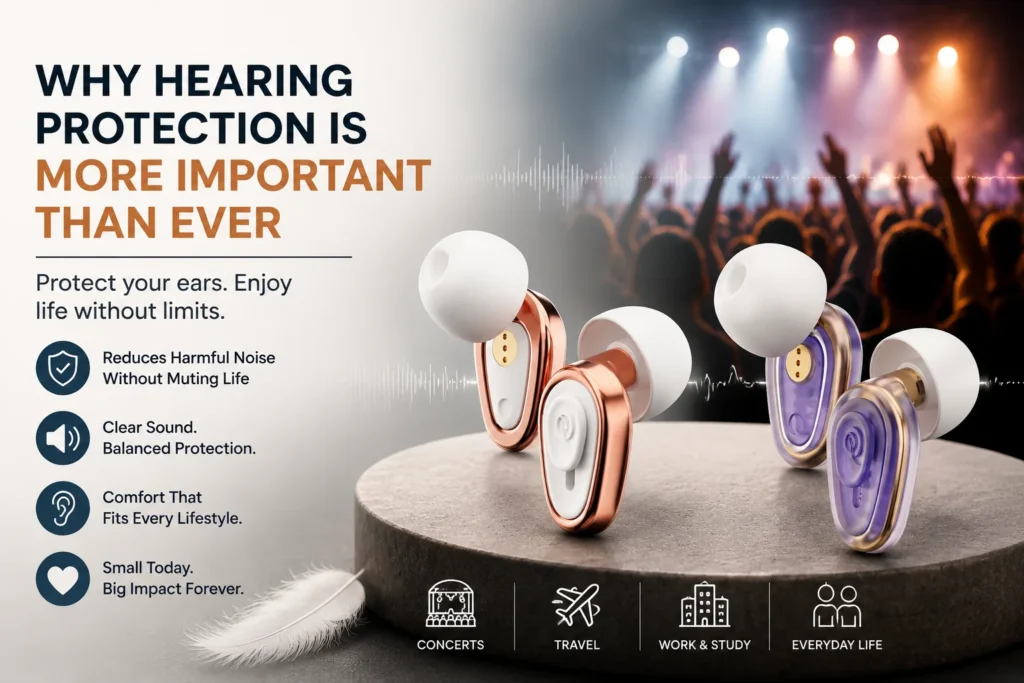

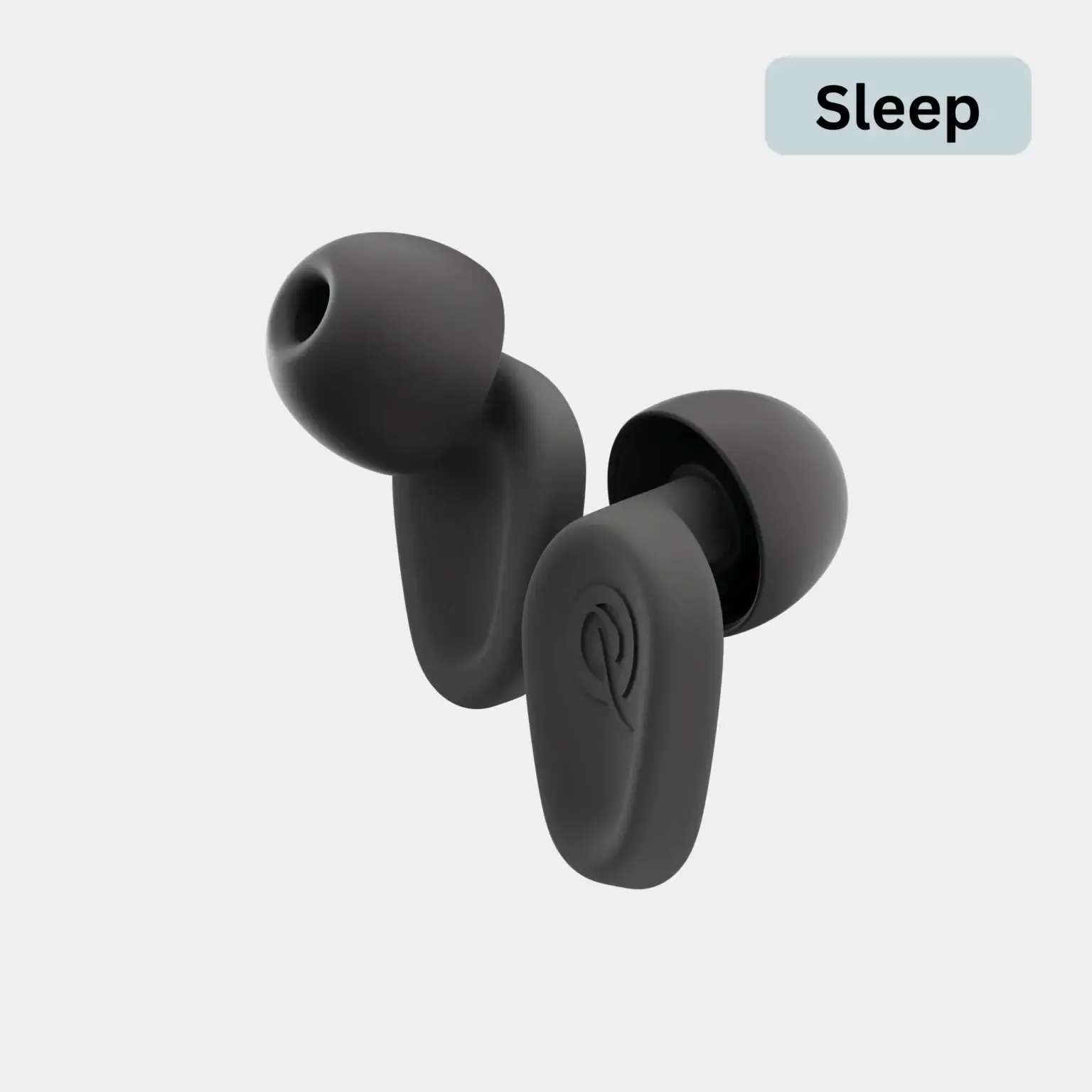
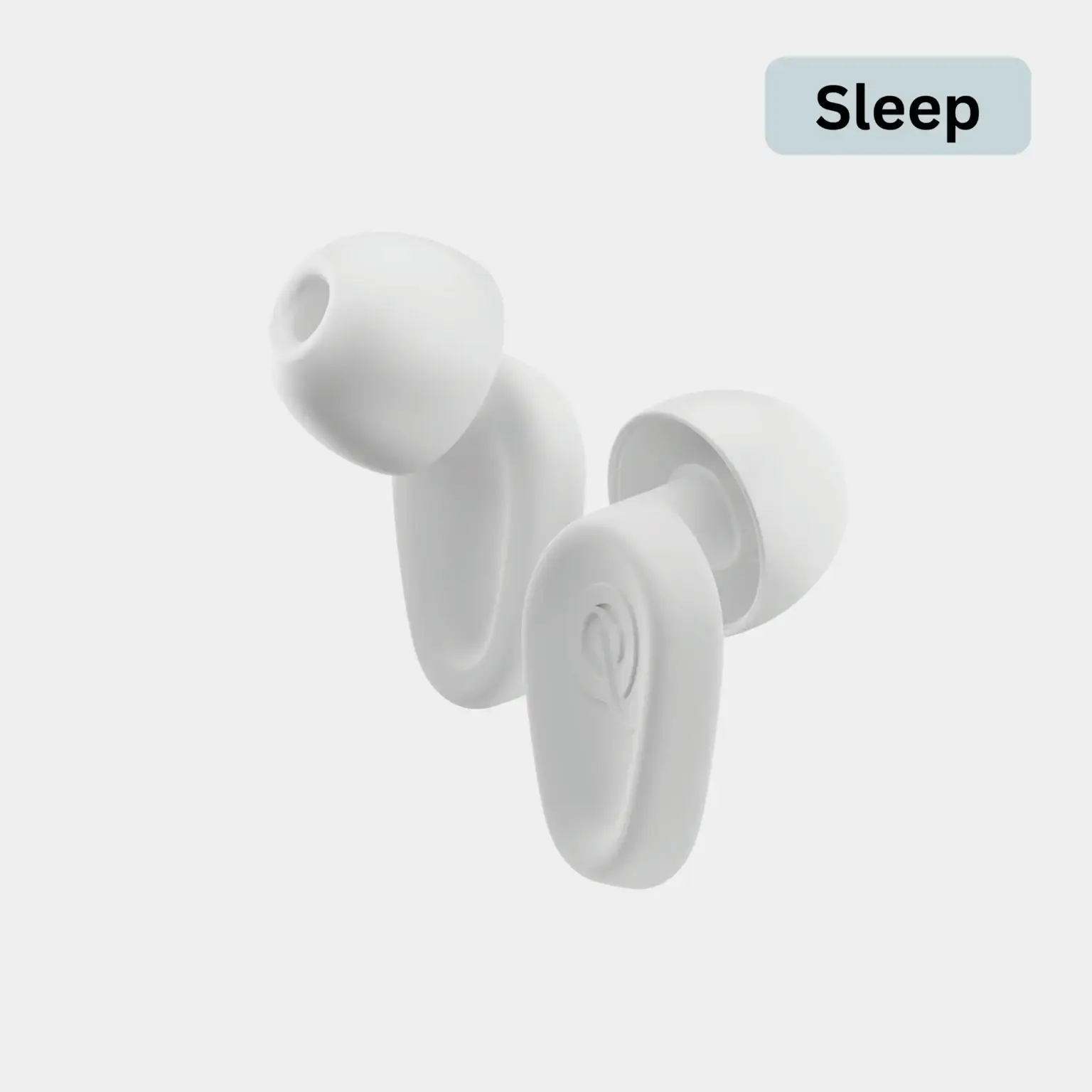
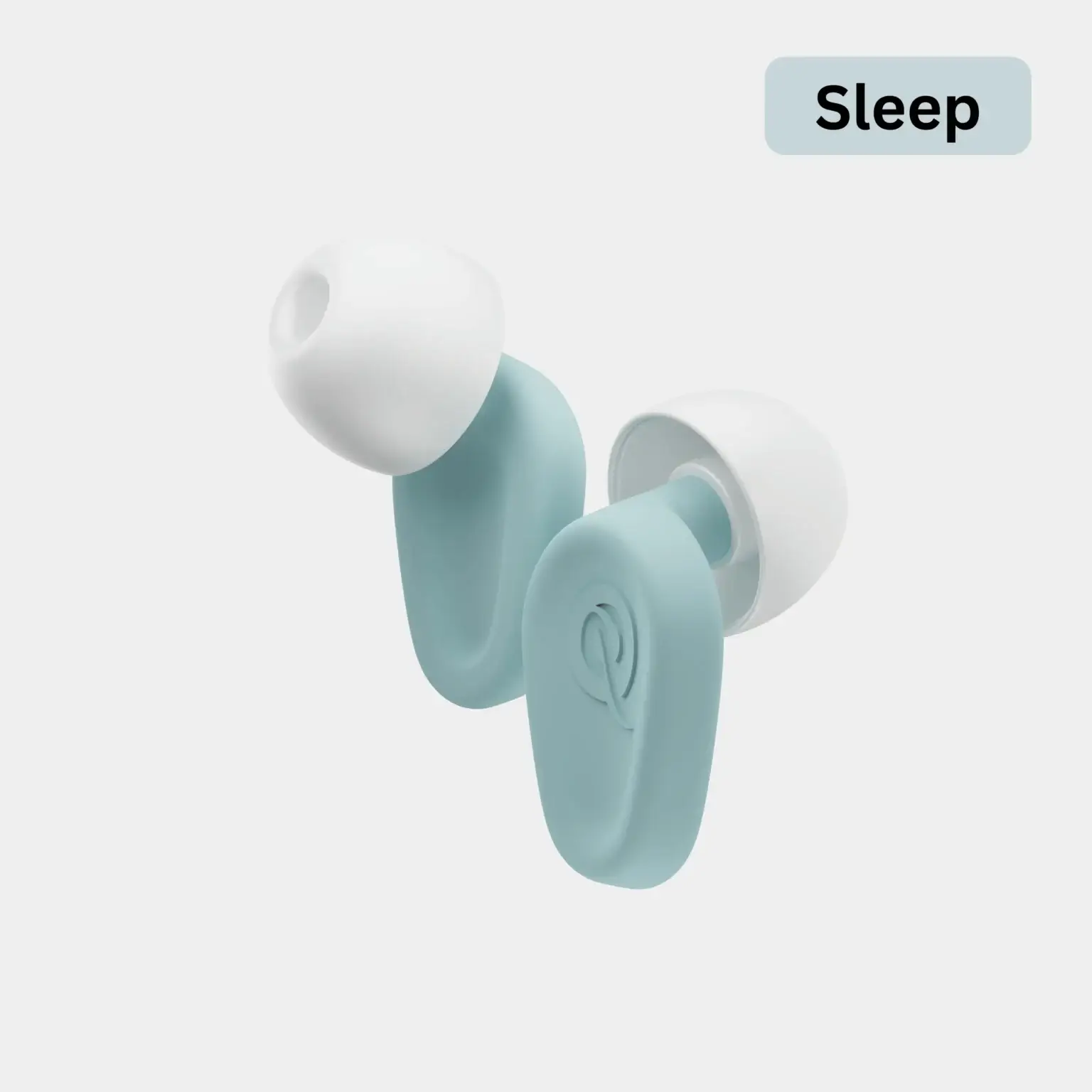
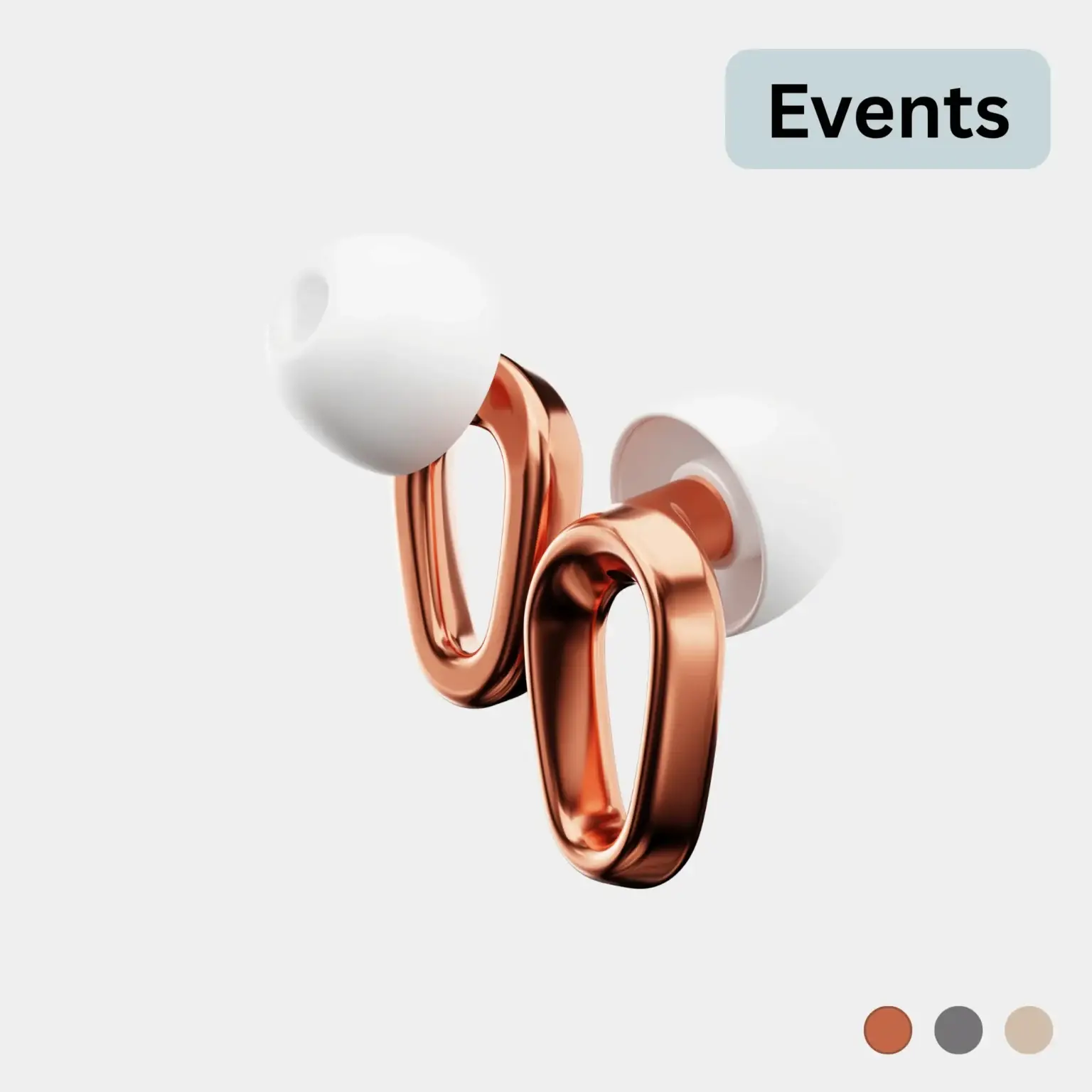
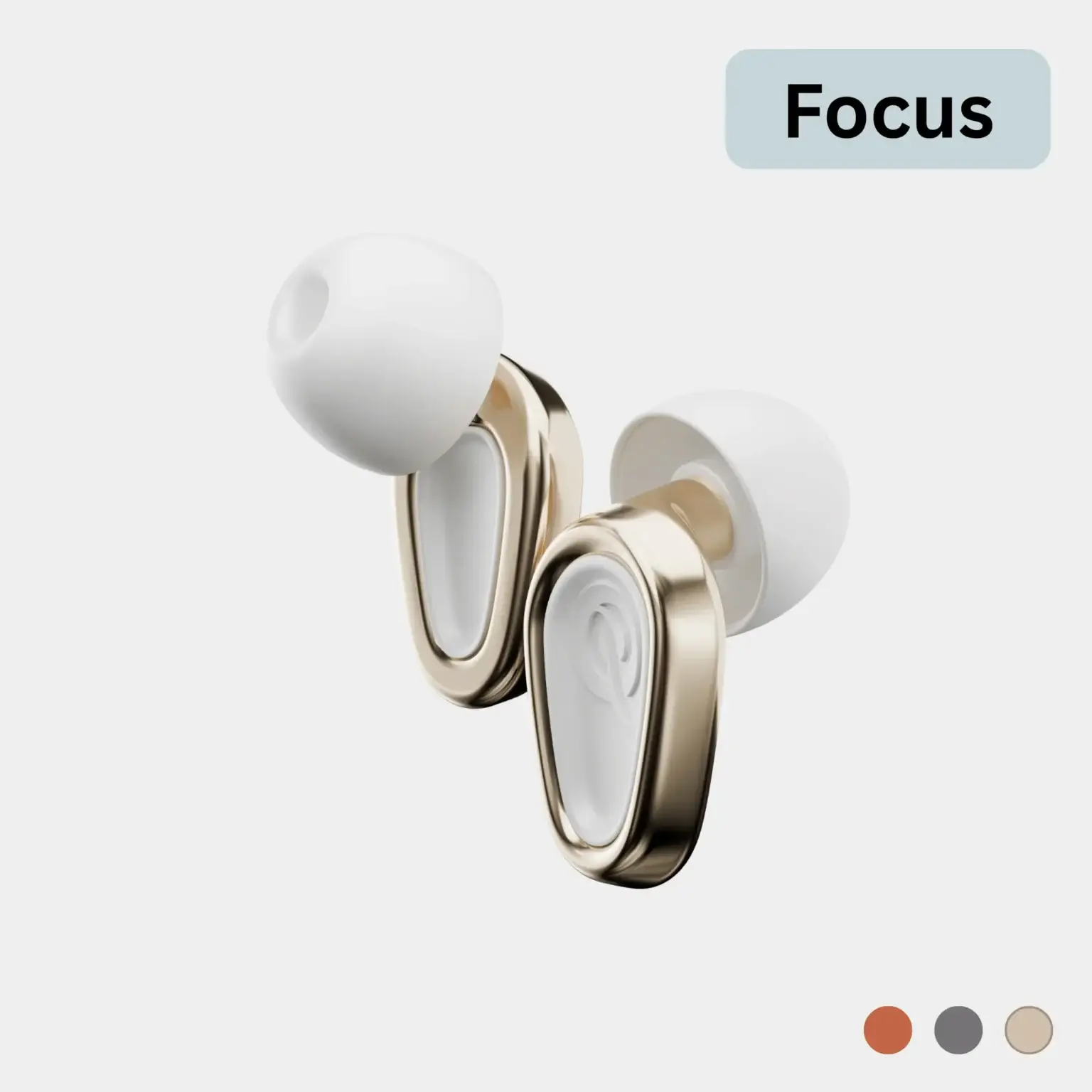
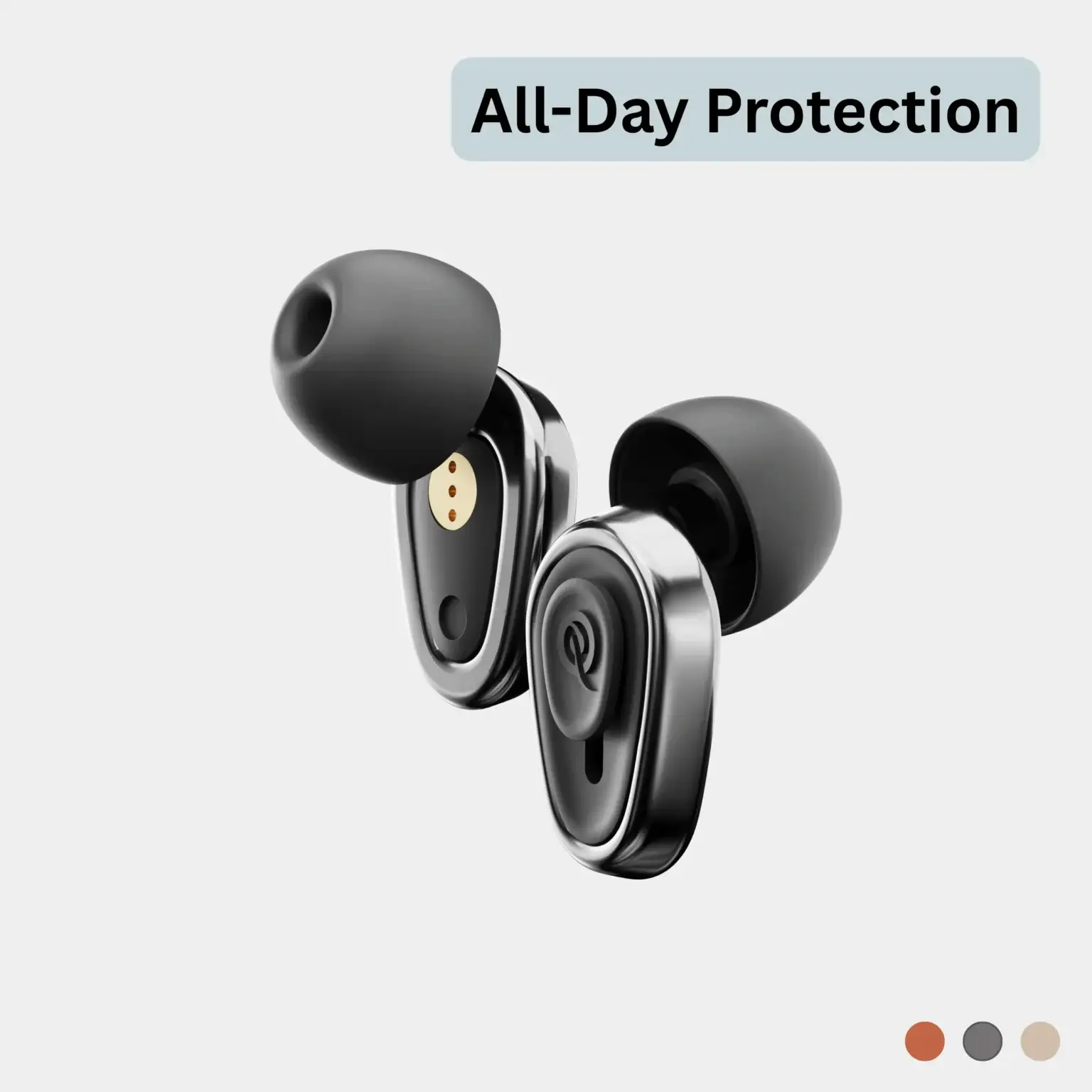
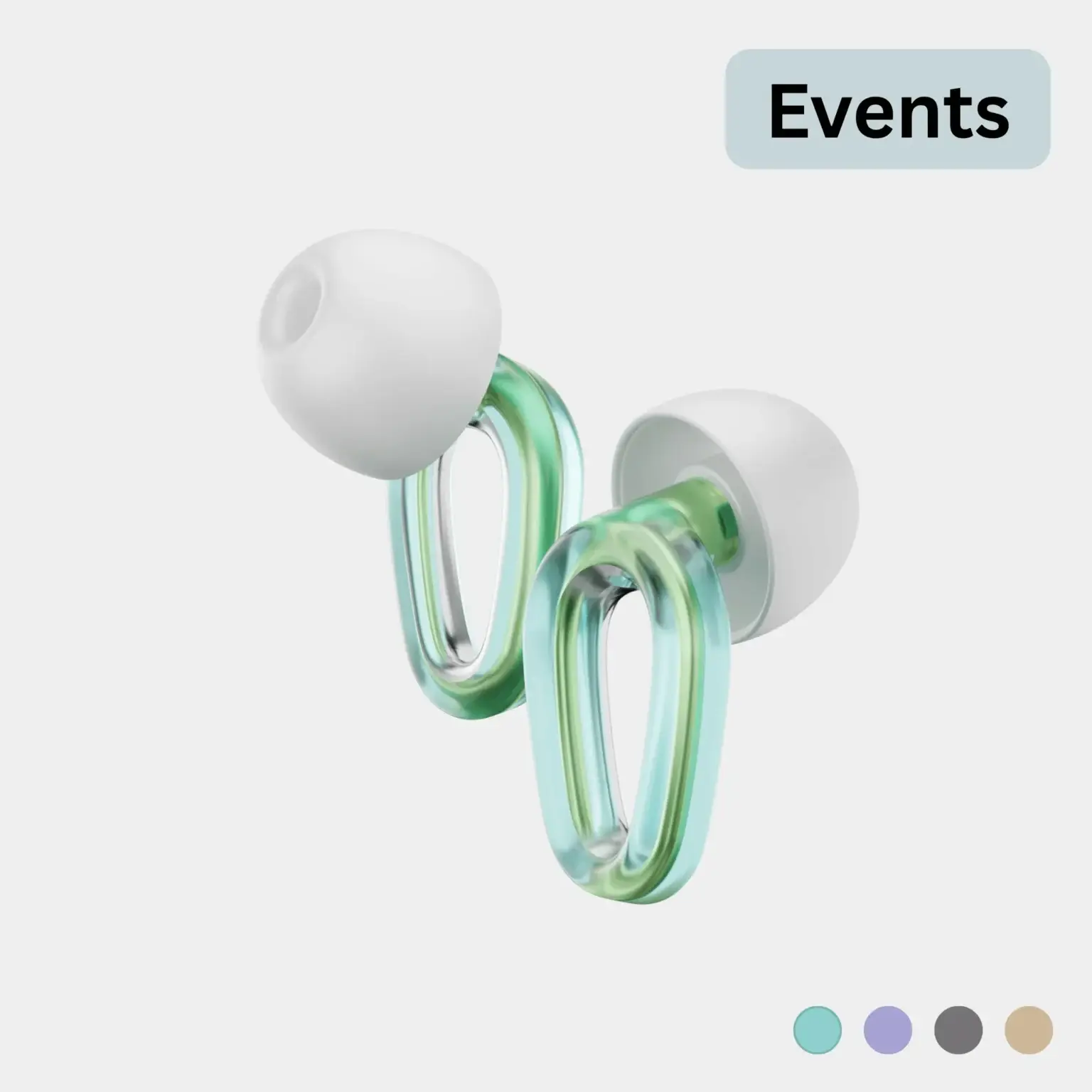
A colleague takes a call two desks away. The coffee machine starts up. Someone is tapping through a spreadsheet at full volume. Finding the best earplugs for office distractions is not about making your workplace silent. It is about taking control of the noise that drains your attention, so you can stay sharp, calm and productive.
For most office workers, the right pair reduces the edge of busy background sound while leaving enough awareness for conversation, alarms and the person who actually needs you. That balance matters. Block too little and the chatter wins. Block too much and you may feel cut off from your team.
What makes office noise so distracting?
Office distractions are rarely one loud event. They are a constant mix of speech, keyboard clatter, air conditioning, music, notifications and passing conversations. Your brain keeps checking those sounds for meaning, especially speech. Even when you are not consciously listening, the effort can break concentration and make complex work feel harder than it should.
Headphones can help, but they are not always the answer. Active noise cancelling works well against steady low-frequency sound, such as ventilation or a train journey, yet voices and sudden noises can still cut through. Wearing music all day may create another layer of stimulation. Reusable earplugs offer a simpler option: lower the overall volume and give your mind less to process.
The best earplugs for office distractions: what to look for
The best choice depends on how your office sounds and how connected you need to remain. A shared co-working space, a high-energy sales floor and a quiet home office with occasional construction noise demand different levels of reduction.
Choose filtered earplugs for everyday focus
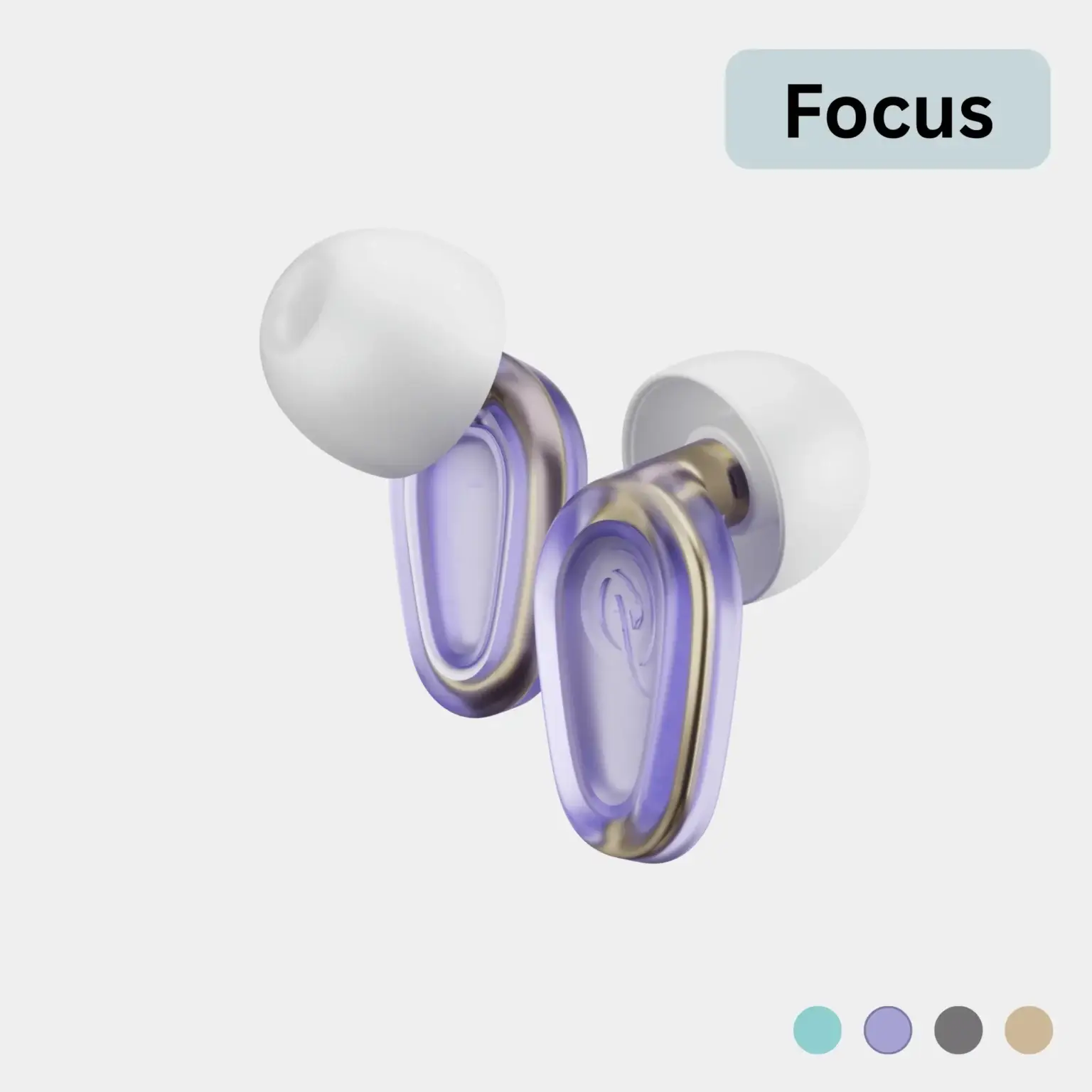
Filtered earplugs are usually the strongest all-round option for an office. Rather than simply sealing the ear canal with foam, they use an acoustic filter to lower sound more evenly. Voices, keyboard noise and general bustle become softer, not necessarily absent.
That makes them a smart fit for professionals who need to focus for long stretches but still want to hear a colleague approach, join a meeting or respond when their name is called. The effect should feel like turning down the room, not stepping out of it.
Use higher reduction when the environment is relentless
If your workspace sits beside building works, a warehouse floor, a busy road or an open-plan team that never goes quiet, you may need more attenuation. Higher-reduction reusable earplugs can take the pressure out of sustained noise and help prevent the tired, overstimulated feeling that follows a loud day.
There is a trade-off. More reduction can make conversation less natural, particularly in meetings or on calls. This option suits solo deep-work sessions, commuting, or periods when you can let colleagues know you are not available for interruptions.
Prioritise comfort over a headline noise rating
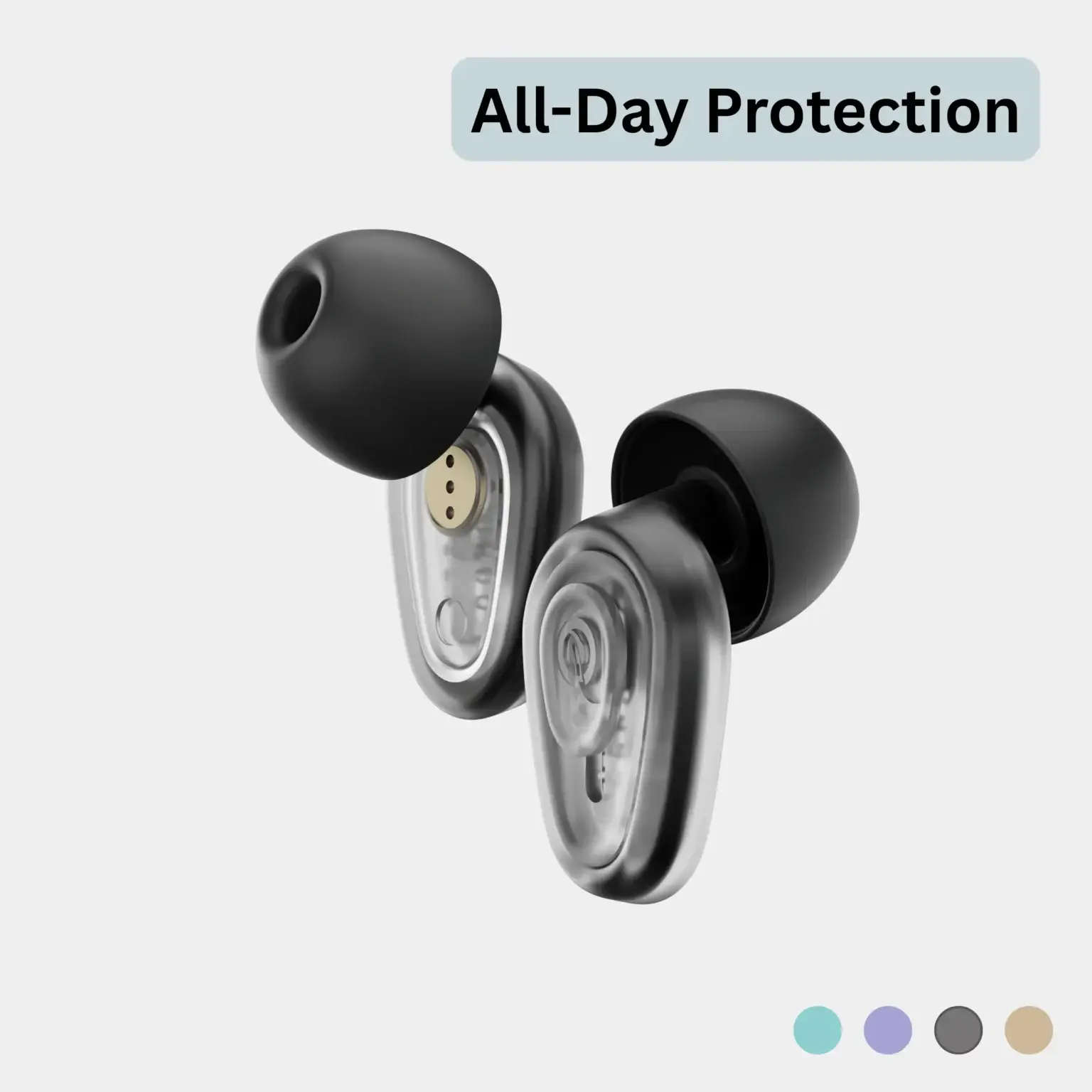
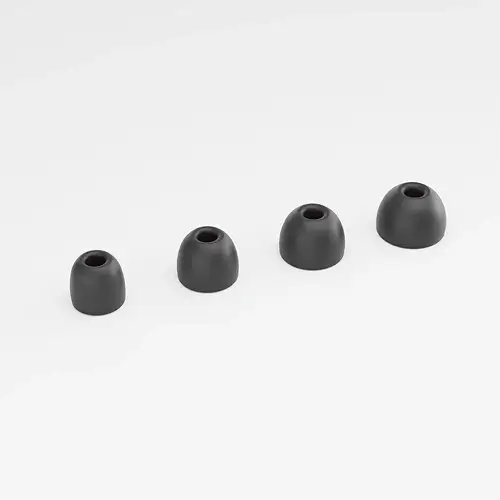
A high noise-reduction rating means very little if you remove the earplugs after 20 minutes. Office earplugs need to sit comfortably through reports, video calls, travel and long afternoons at your desk. Look for a low-profile shape, soft eartips and multiple sizes so you can create a secure seal without pressure.
Fit is performance. A poorly fitted earplug will reduce less noise, feel distracting and tempt you to keep adjusting it. Take a few minutes to test each tip size. The right fit should feel stable when you speak or move your jaw, without pain or a plugged-up sensation.
Pick reusable designs built for real routines
Disposable foam plugs have their place, but they can feel bulky, distort speech and are easy to misplace. Reusable earplugs are designed for repeat wear, making them a more practical everyday tool for the desk, train, café and home office.
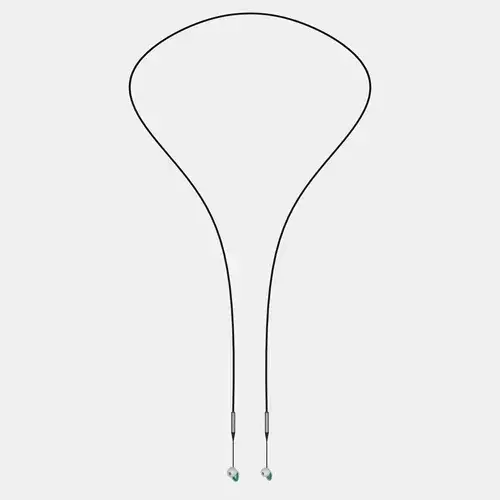
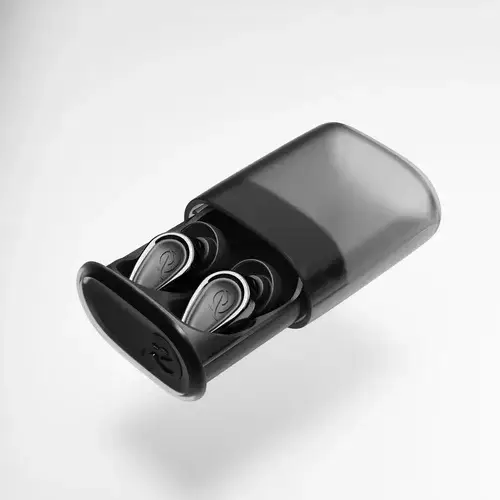
A carry case is worth having. It keeps earplugs clean between uses and means your focus tool is ready when an unexpected noisy day lands on your calendar. If you move between locations, a neck strap can also prevent the classic problem of taking one out for a conversation and losing it before lunch.
Match your earplugs to your work style
There is no single setting that works for every task. The best office setup changes with the work in front of you.
For writing, analysis, coding and other concentration-heavy tasks, use earplugs that noticeably soften ambient sound. You may find that silence is not required – a lower, calmer soundscape is enough to stay in flow.
For collaborative work, favour filtered models with moderate reduction. You want less surrounding chatter, not a barrier between you and the people around you. Sit closer to the speaker in meetings and let people know you are wearing earplugs for focus, not because you are disengaged.
For video calls, test your earplugs before an important meeting. Some people like the way filtered plugs reduce room noise and help them concentrate on the call. Others prefer to remove one plug, especially if their own voice sounds more pronounced with both ears sealed. It depends on your fit, your headset and how much sound reduction you are using.
For hybrid workers, keep earplugs within reach rather than treating them as an emergency measure. The doorbell, washing machine, traffic and household noise can be just as disruptive as an open-plan office. A discreet pair makes the transition from home to commute to desk feel easier.
Earplugs versus headphones for office focus
Earplugs and headphones solve different problems. Headphones are useful when you want calls, music, white noise or active noise cancelling. Earplugs are better when you want fewer inputs, no battery management and a lightweight option that does not add pressure around your head.
Many people use both. Start a deep-work block with earplugs alone. If a particular noise remains distracting, add low-level instrumental sound through over-ear headphones. Avoid turning music up to overpower the room – that can leave you more fatigued and reduce awareness of your surroundings.
If you work in an environment with safety announcements, machinery, customer interaction or a requirement to hear instructions, check your workplace policy before using earplugs. Hearing protection should support safe work, never compromise it.
A practical office earplug routine
The biggest gains often come from using earplugs intentionally, not continuously. Put them in before a demanding task begins, rather than once you are already annoyed by the noise. Give your brain a clear signal: this is focus time.
Try wearing them for a 45 to 90-minute block, then take a short break. Remove them for one-to-ones, lunch and moments when social connection matters. This approach protects concentration without making your day feel isolated.
Keep them clean according to the product instructions, particularly if you wear them daily. A clean, well-fitted reusable pair will stay more comfortable and maintain a more reliable seal. Replace eartips when they become worn, lose their shape or no longer feel secure.
A strong choice for modern workdays
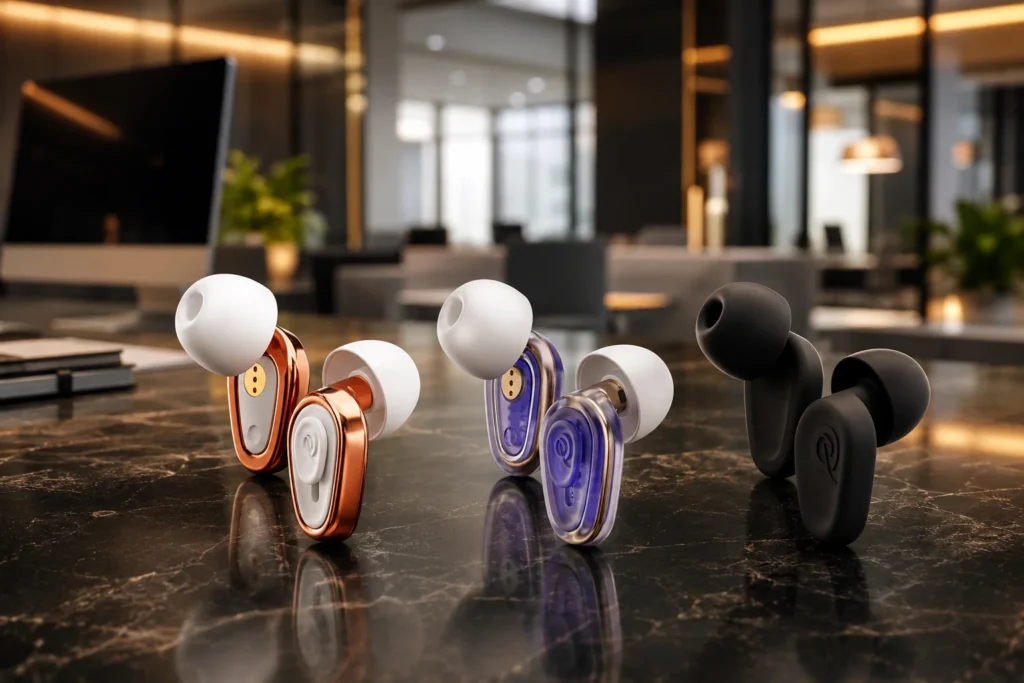
For office use, look beyond industrial-looking protection and choose a design made for everyday comfort, discreet wear and adjustable routines. Earmuffz reusable earplugs are built around that idea: total volume control for the moments when your focus deserves more than another pair of headphones.
The right earplugs will not turn a busy office into a private library. They do something more useful: they reduce the friction between you and the work that matters. Put them in before the room gets loud, lower the noise on your terms and give your best attention somewhere to land.