
Filtered Earplugs Review for Everyday Noise Control
A packed train carriage. A colleague is taking calls two desks away. A gig where the music feels brilliant for the first song and punishing by the third. This filtered earplugs review tackles the question that matters in all of those moments: can you turn the volume down without switching off from life?
For many people, disposable foam plugs are too blunt. They can make speech murky, feel intrusive after an hour and leave you disconnected from the room. Filtered earplugs take a different approach. Their purpose is not total silence. It is controlled reduction – easing the intensity of sound while keeping the environment usable.
That distinction makes them a strong everyday tool for people who want more focus, calmer commutes, better event comfort or relief from persistent noise sensitivity. But they are not the right answer for every situation. The details are in the fit, the filter, and what you expect them to do.
What filtered earplugs are designed to do
Filtered earplugs use a purpose-built acoustic filter rather than relying only on a solid block of material. The aim is to reduce sound more evenly across frequencies, so music, conversation and general ambience retain more of their natural character than they often do with basic foam plugs.
In real terms, this can mean that a concert stays lively without feeling as aggressive, a café becomes workable rather than overwhelming, and wind or road noise takes less energy out of a motorbike ride. You will still hear the world. You should. The win is that the world arrives at a more manageable level.
This is why the category suits more than concerts. Filtered earplugs are increasingly worn by office workers, commuters, parents, gym-goers and anyone who finds a constant stream of noise distracting or exhausting. Think of them as personal volume control, not a button for disappearing.
Filtered earplugs review: where they perform best
The strongest filtered earplugs earn their place through versatility. They need to feel discreet enough for regular wear, comfortable enough that you do not remove them after 20 minutes, and effective enough that the change is immediately noticeable.
Focus, work and commuting
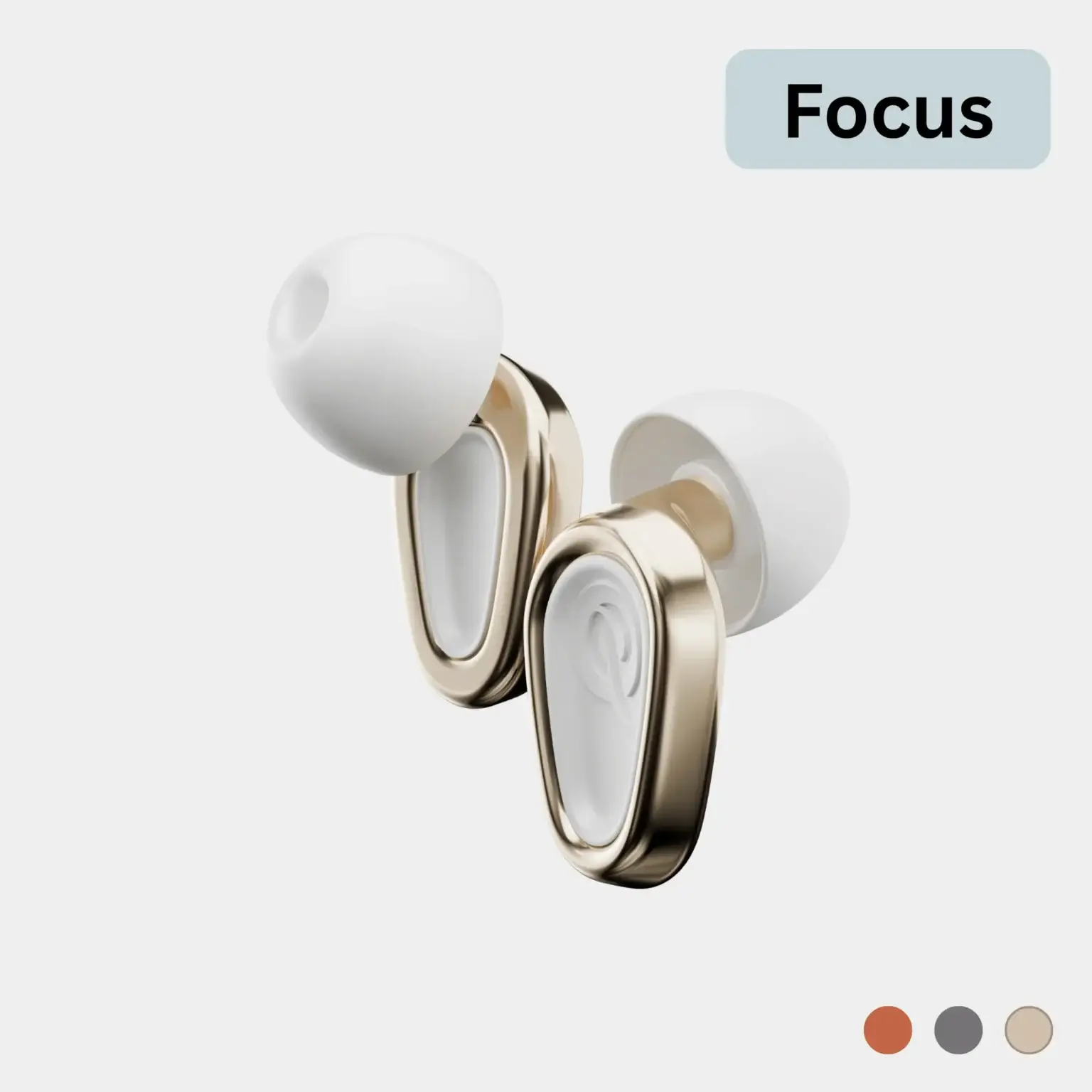
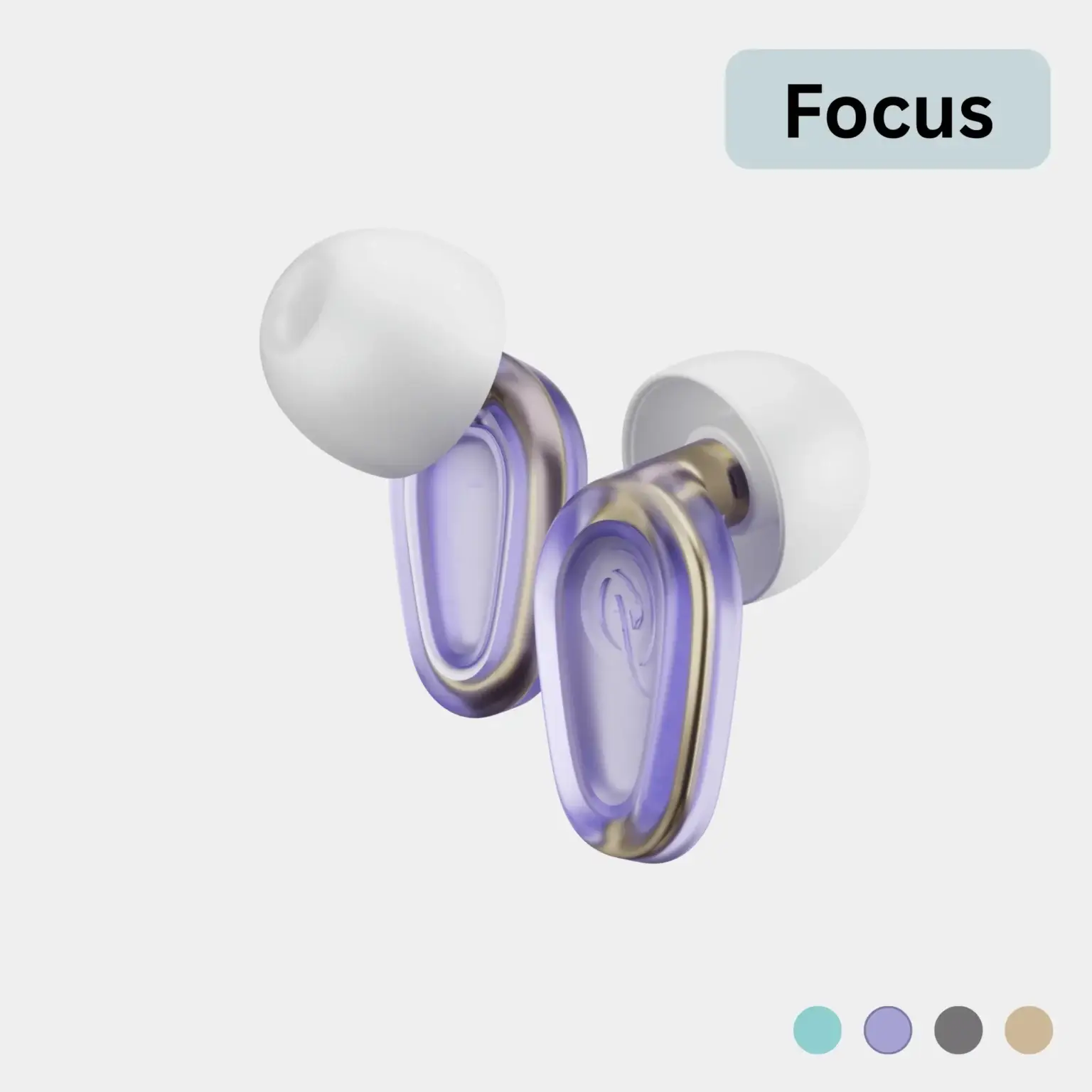
For work, the best result is not a silent office. It has fewer sharp edges. Keyboard clatter, passing chatter, air-conditioning hum and the unpredictability of shared spaces can pull attention away from demanding tasks. A moderate filter can soften that background noise while still allowing you to respond when someone speaks to you.
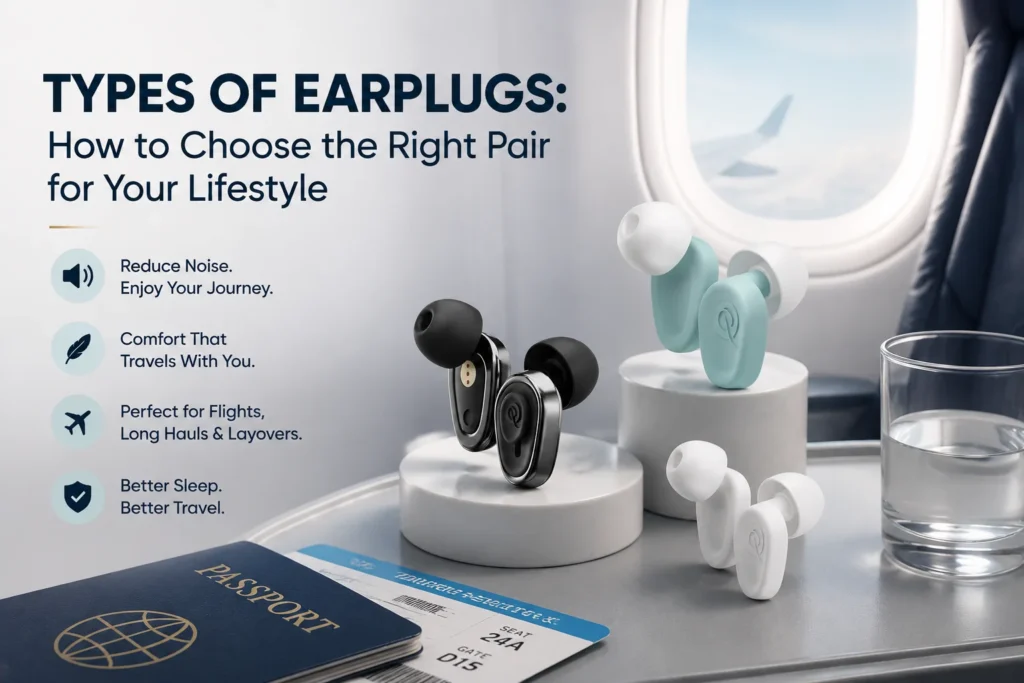
This is particularly useful for hybrid workers and commuters. On a train or bus, filtered plugs can make travel less draining without the commitment of headphones. They also avoid the pressure of playing audio to cover unwanted sound.
There is a trade-off. If your job depends on hearing every quiet instruction, every phone ring or subtle audio cue, a stronger filter may be frustrating. Choose reduction that supports concentration rather than cutting you off from responsibilities.
Concerts, festivals and nightlife
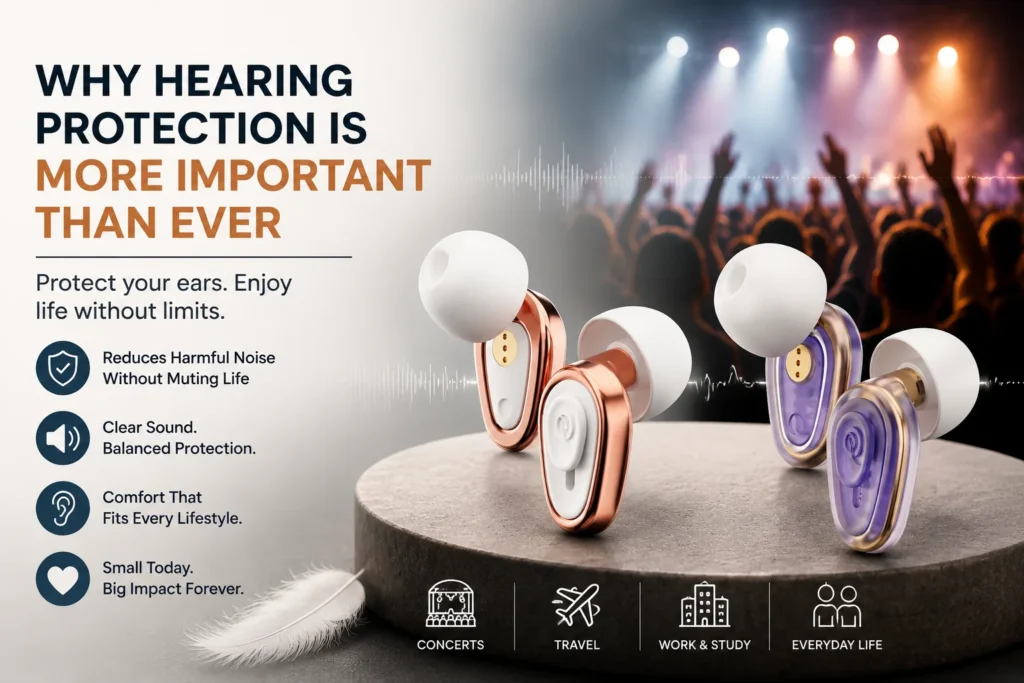
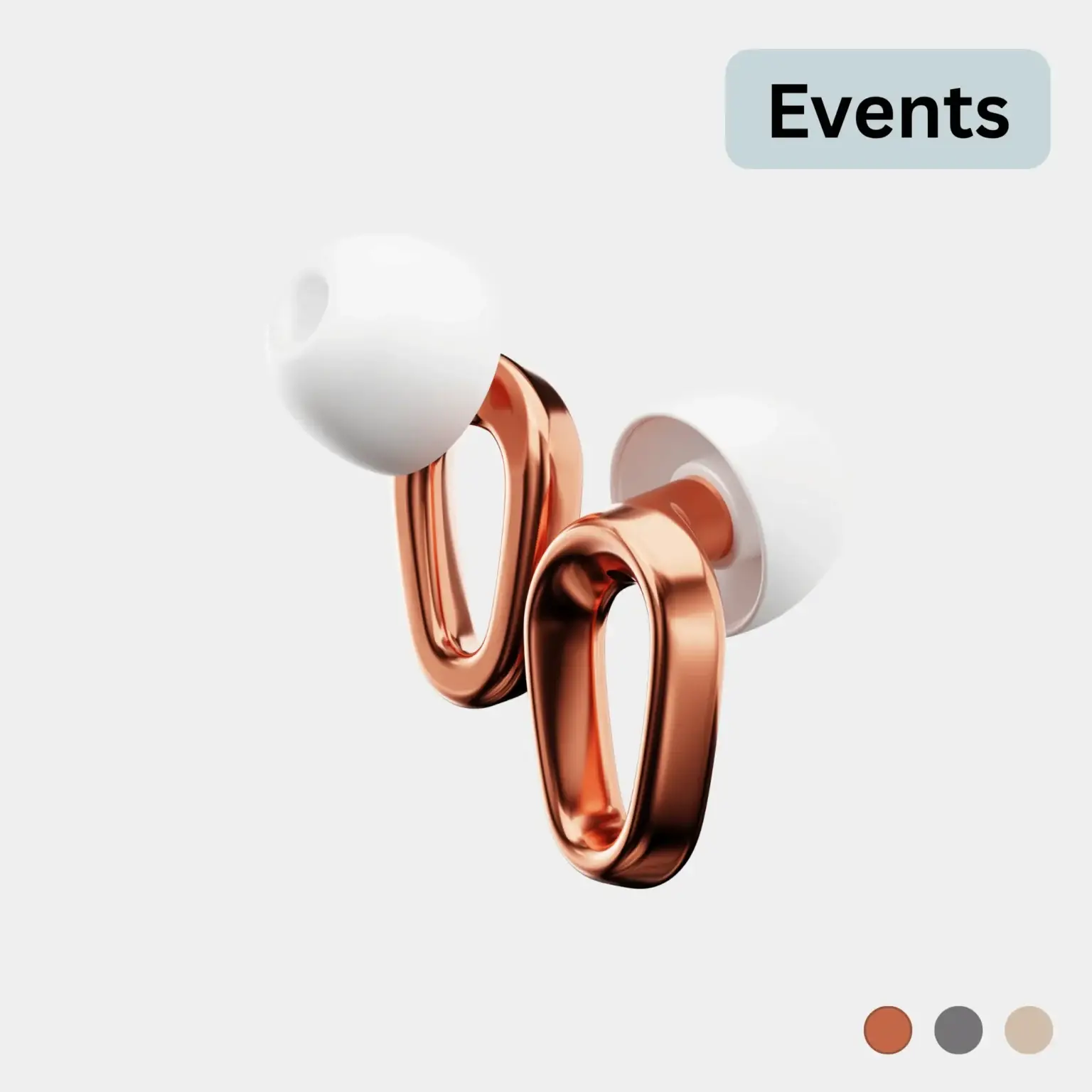
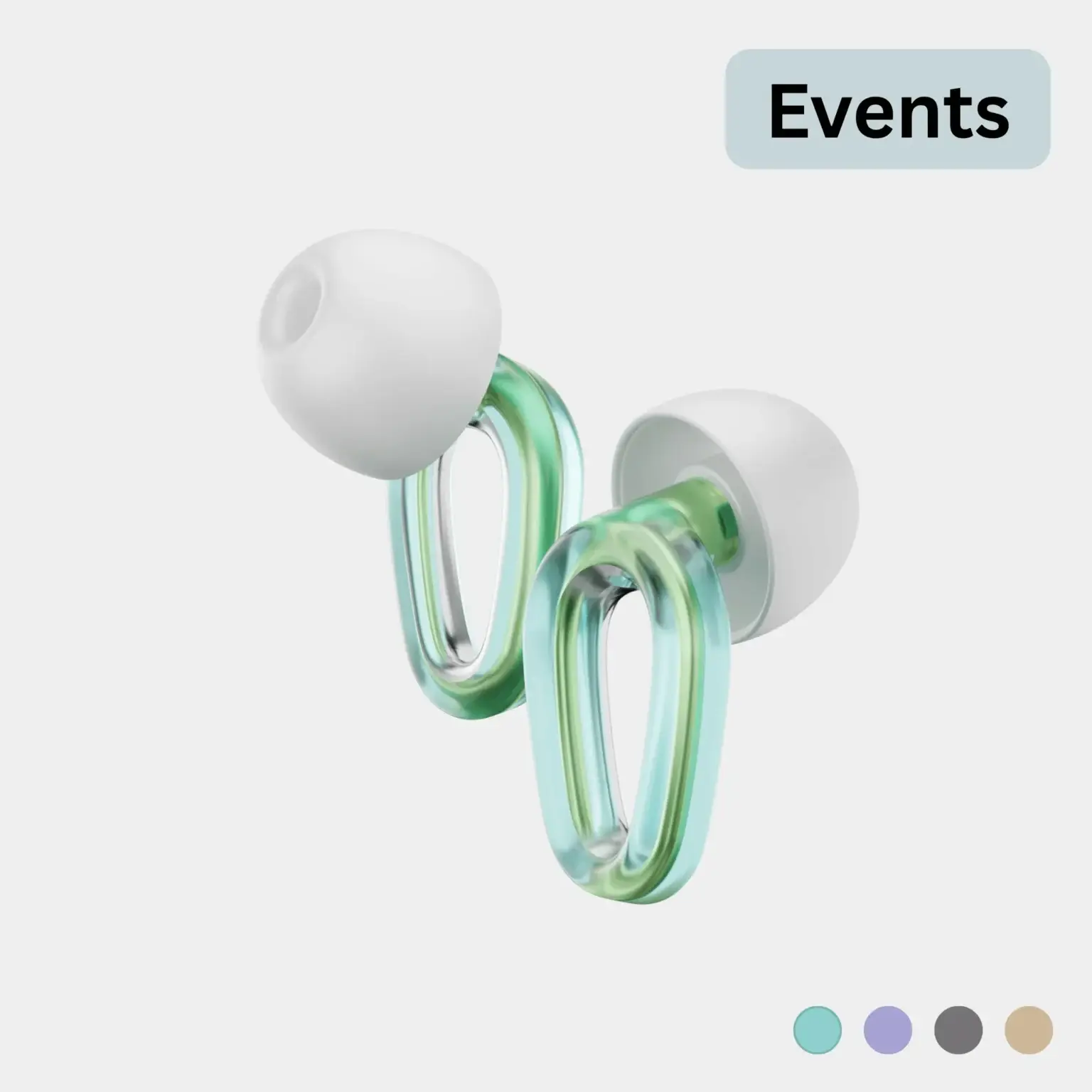
This is the classic use case. Music venues can be so loud that ears ring afterwards, even when the performance itself is excellent. Properly fitted filtered earplugs reduce the harshness and overall impact of high sound levels, helping music feel clearer than it would through dense foam.
They are especially useful for people who love live music but dislike the post-gig buzz, muffled hearing or fatigue that can follow it. The low-profile design matters here, too. You want ear protection that stays put while you move, doesn’t clash with your evening, and doesn’t demand a second thought once the set begins.
Do not expect identical sound to bare ears. Any earplugs change the listening experience. The better option maintains a better balance, making protection a practical part of going out rather than a compromise that spoils it.
Noise sensitivity and everyday overwhelm
Noise sensitivity is personal. For some, it is the accumulated pressure of a busy supermarket, traffic and household noise. For others, it is a response linked to tinnitus, migraines, sensory processing differences or a period of stress. Filtered earplugs can create useful breathing room by reducing the intensity of everyday sound without turning ordinary interaction into a struggle.
They are not a medical treatment, and they cannot address the underlying cause of tinnitus or hearing discomfort. If you have sudden hearing changes, pain, persistent ringing or concerns about your hearing, seek advice from a qualified hearing professional. As an everyday support tool, however, a comfortable reusable pair can make demanding environments feel more predictable.
Sleep and recovery
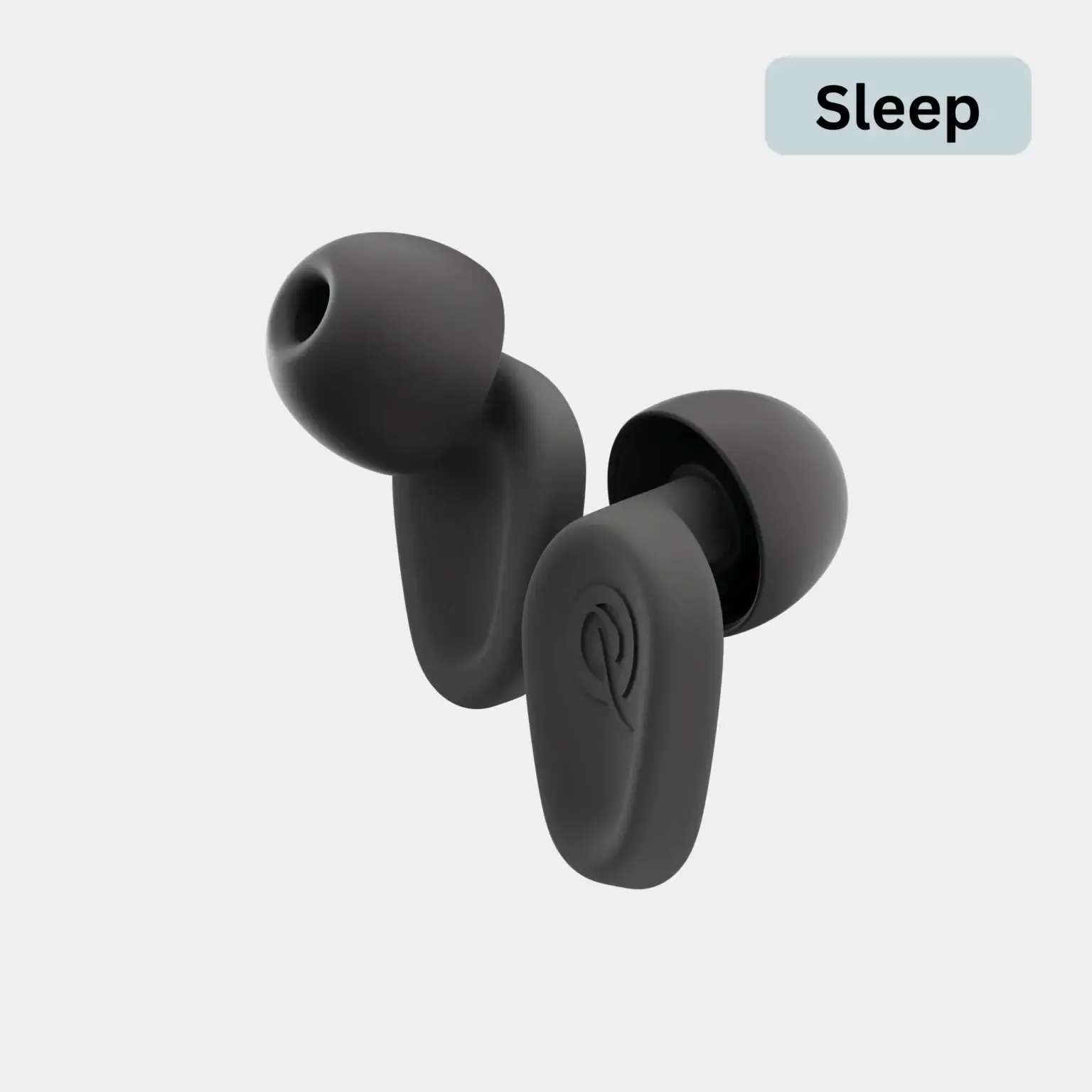
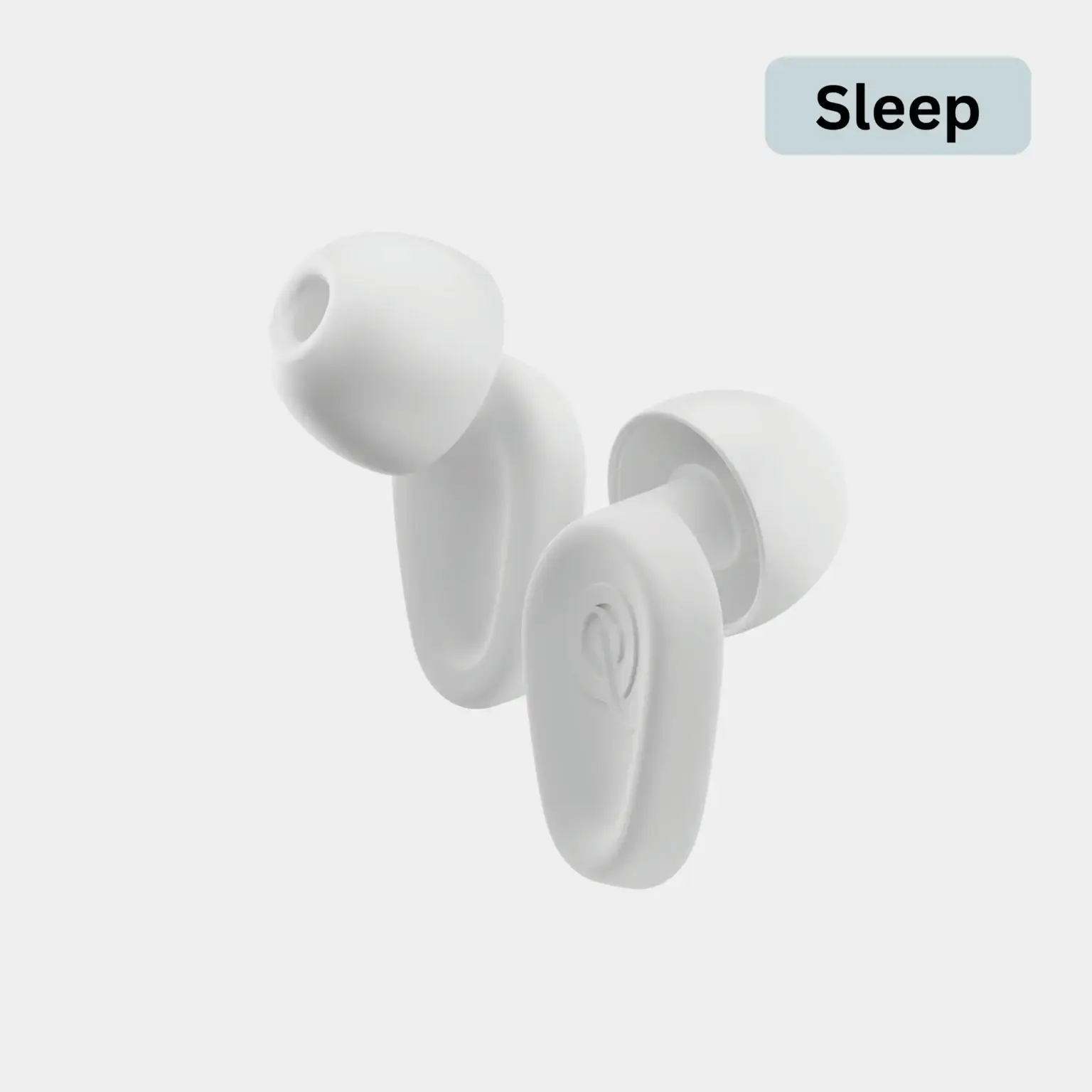
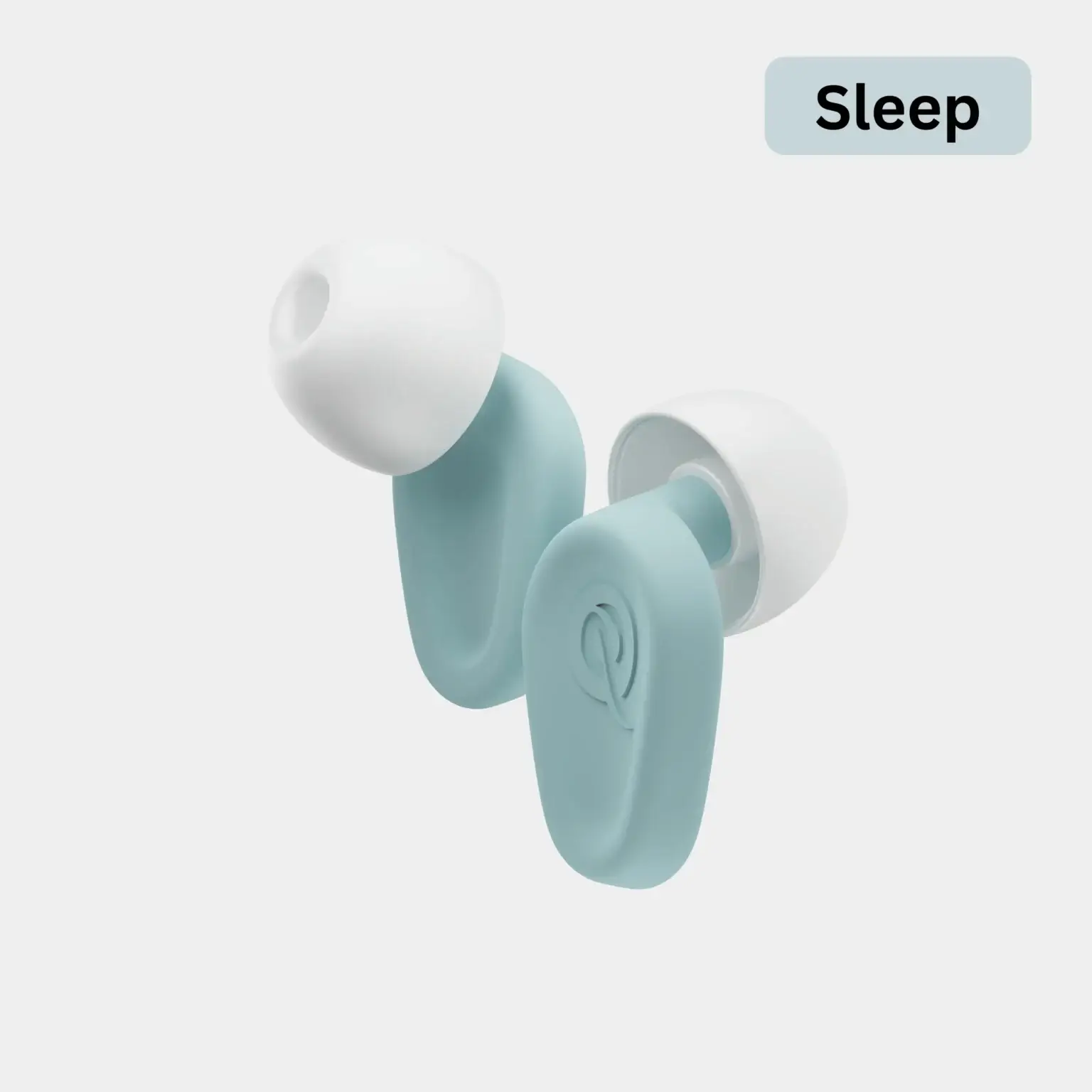
Filtered designs are not automatically the best option for sleep. Sleep calls for a very soft, low-profile plug that works with your preferred sleeping position and the type of sound disturbing you. A partner’s snoring, city traffic and a noisy household all call for different levels of reduction.
If your main goal is blocking as much sound as possible overnight, a dedicated sleep earplug may outperform a general filtered model. If you need to remain aware of an alarm, a child or an emergency sound, controlled reduction can be the more sensible choice. Comfort is non-negotiable here. A plug that presses against your ear when you lie on your side will not become more wearable with wishful thinking.
Comfort decides whether you will actually use them
Noise reduction numbers matter, but fit determines performance. An earplug can have impressive engineering on paper and still disappoint if it does not create a reliable seal in your ear canal.
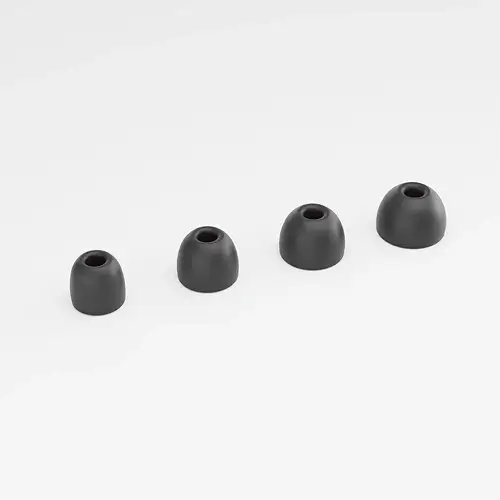
Look for multiple eartip sizes. Ears are not standard issue, and it is common for each ear to need a different size. The right tip should sit securely without pressure, itching or a feeling that it is being forced too far in. A gentle twist during insertion usually helps create the seal, but the plug should never hurt.
Give yourself a short adjustment period. Your own voice may sound more internal at first, and the sensation of reduced sound can feel unfamiliar. That is normal. Persistent discomfort, a loose fit, or a plug that repeatedly works its way out are signs to change the tip size or style.
Reusable materials are another practical advantage. With routine cleaning and a protective case, one pair can be ready for commutes, meetings, events and travel. That is a better value than reaching for disposable plugs every time noise catches you off guard.
What to check before choosing a pair
A good purchase starts with the environment you need to manage. Do not buy based solely on the largest reduction figure. More attenuation is not always better when awareness, conversation or music quality matter.
Check the stated use case and the product’s certification. Recognised standards such as CE, EN 352 and ANSI help show that hearing protection has been assessed against relevant requirements. They do not eliminate the need for a proper fit, but they are a meaningful trust signal when choosing protection for regular exposure to loud sounds.
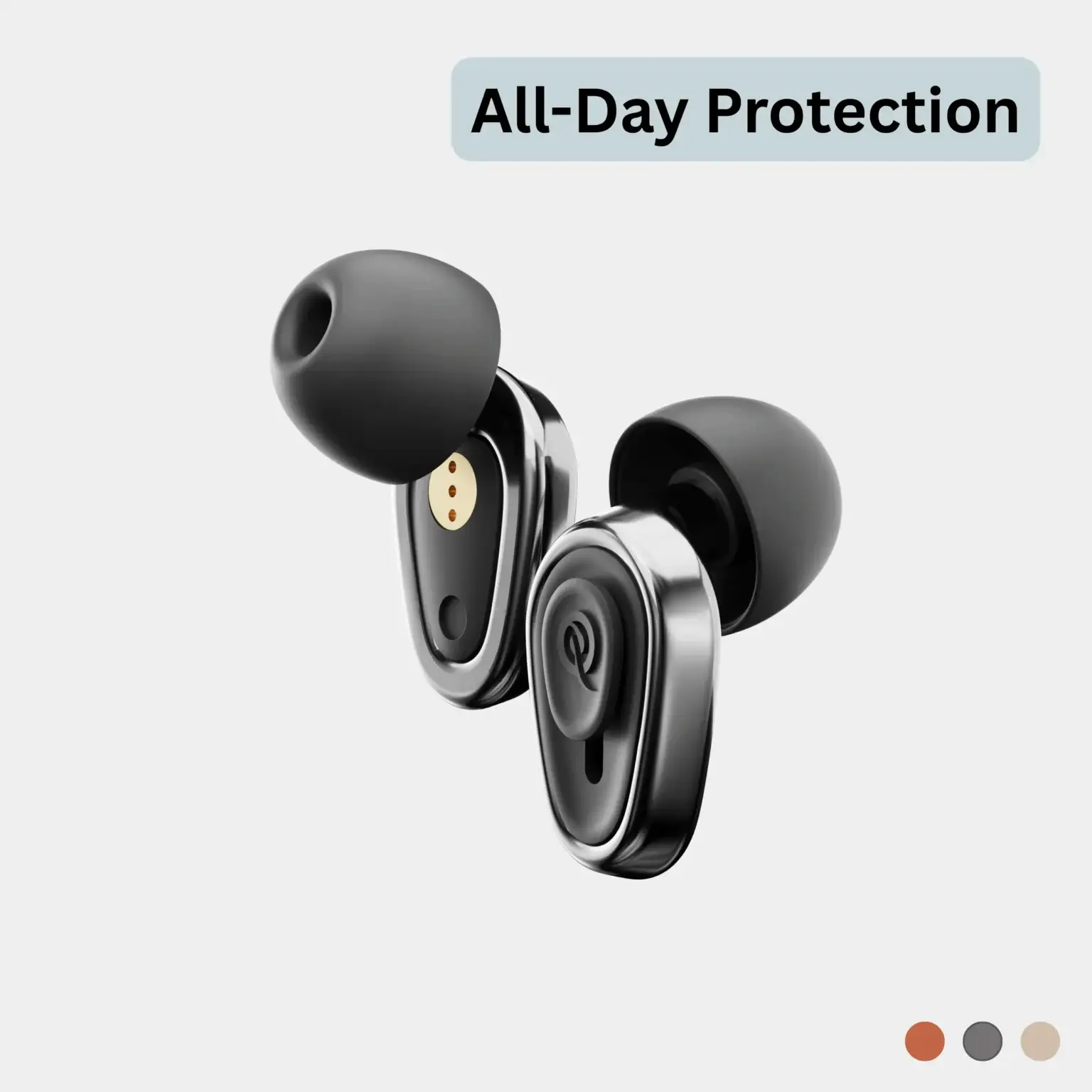
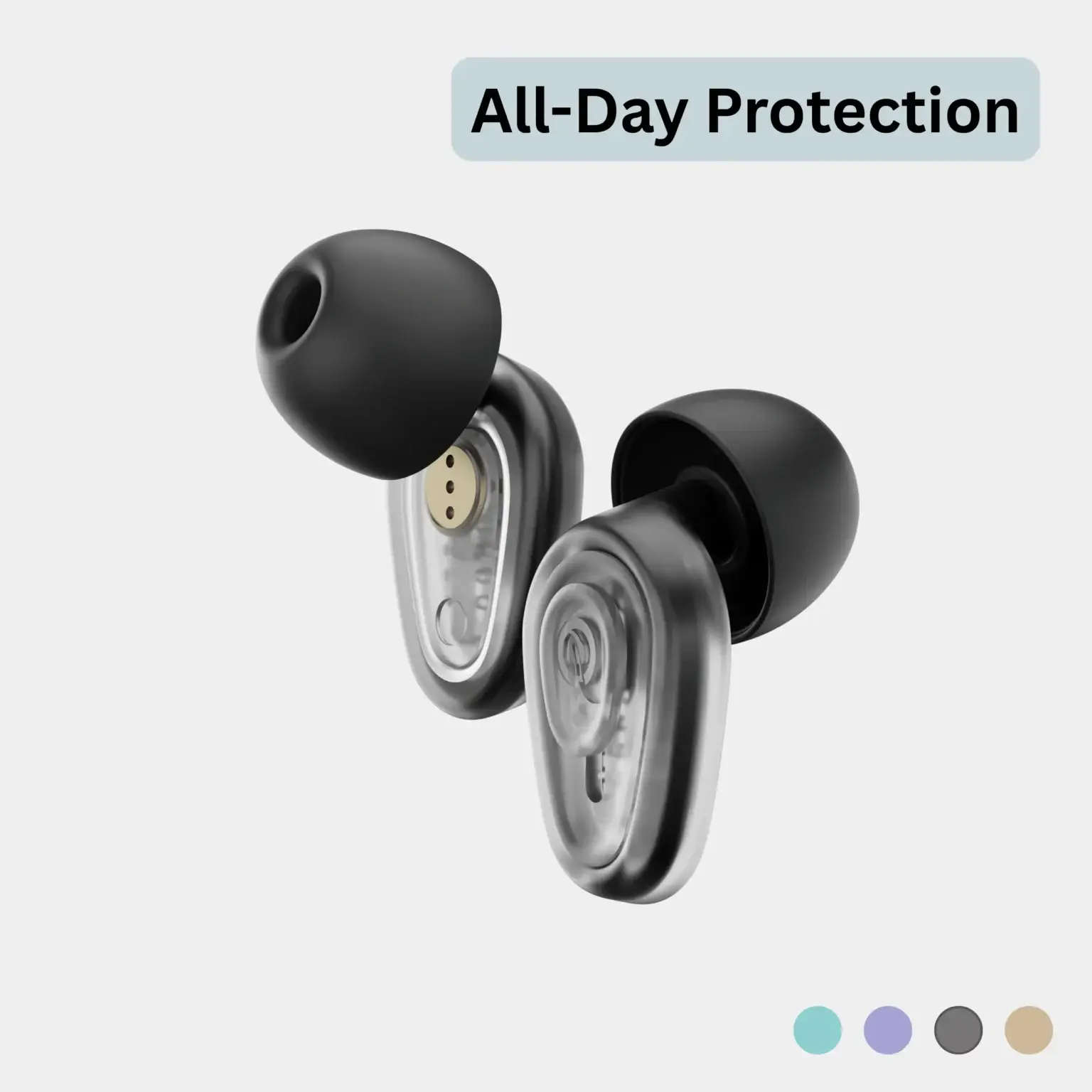
Also consider the details that make a pair easy to live with: a discreet profile, durable construction, washable eartips, a case you will not lose, and replacement tips if your needs change. Earmuffz builds its range around these real-world decisions, from sleep support and daily focus to active environments where secure, comfortable wear matters.
Finally, be honest about your routine. A concertgoer may want balanced sound and a secure fit. A motorcyclist may prioritise steady reduction of wind and road noise. A parent may need to hear their child while taking the edge off a loud home. The best earplugs are the ones matched to your moment.
The verdict on filtered earplugs
Filtered earplugs are worth considering if your goal is a calmer, clearer daily life rather than complete isolation. They make the most sense for people who move between noisy places and still need to communicate, stay alert and enjoy what they are doing.
Their limitations are equally clear. They are not a substitute for specialist industrial protection in every high-noise workplace, and they will not make a bedroom silent. For extreme sound levels, always choose protection appropriate to the task and follow workplace guidance.
But for the noise you meet by choice and by chance, the right pair can change the feel of a day. Keep them in reach, fit them properly, and let your attention go where you want it to go.