
Your Guide to Everyday Hearing Protection
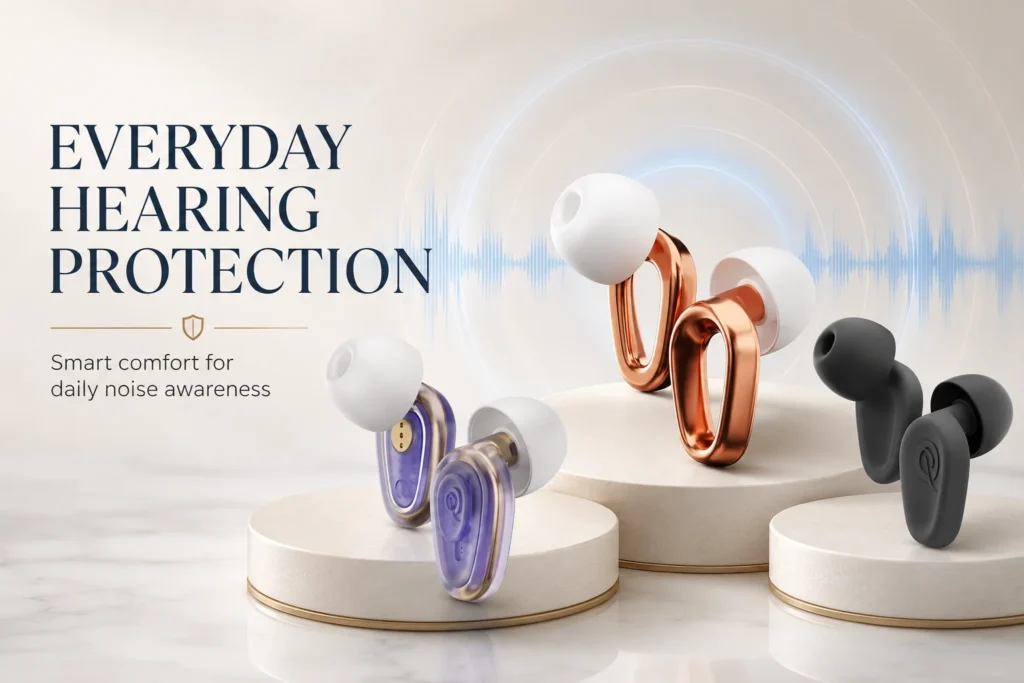
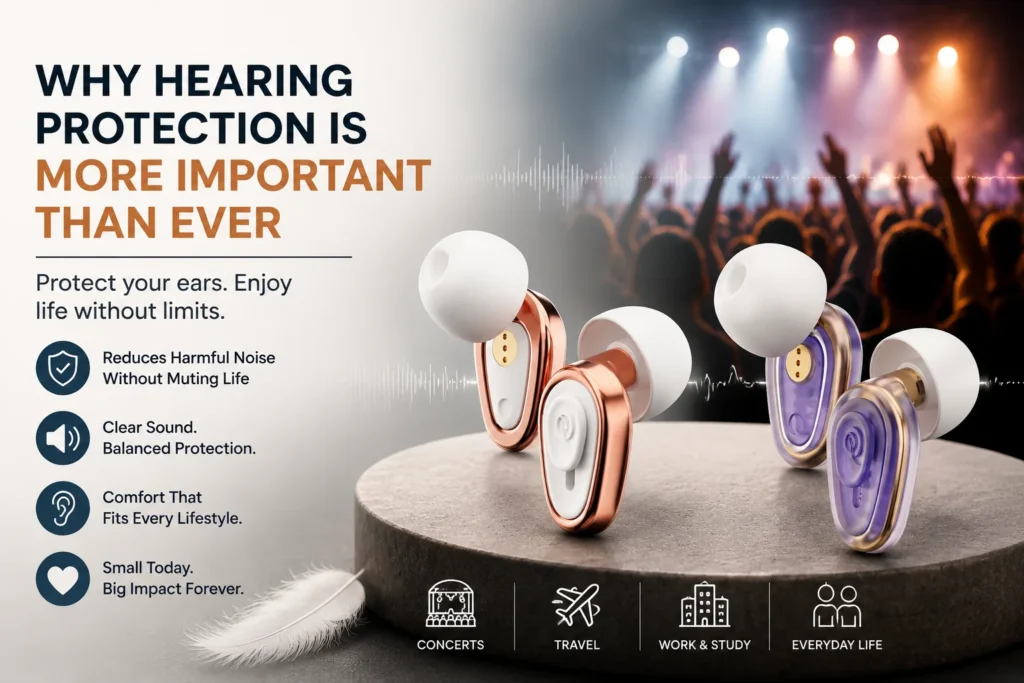
A crowded train platform. A blender running while your child asks a question. A concert that is incredible for the first hour and exhausting by the third. Noise is not always dangerous, but it can be disruptive quickly. This guide to everyday hearing protection is about taking back control of your sound environment without checking out of the moment.
The goal is not silence. It is better volume control: less strain, fewer distractions, and more comfort in the places where life gets loud. The right reusable earplugs can help you stay present at work, rest more deeply, enjoy live music, and make your commute feel less like a daily stress test.
Why Everyday Noise Deserves More Attention
Hearing protection is often treated as something you use at a construction site or shooting range. Those situations absolutely call for it. But every day sounds add up, too. Traffic, public transit, power tools, fitness classes, sporting events, loud restaurants, and amplified music can push your ears past what feels comfortable.
The issue is not just volume. It is duration and proximity. A moderately loud environment may be manageable for a few minutes but draining over a full workday. A brief burst of very loud sound can be a problem of a different kind altogether. Your personal sensitivity matters, too. Someone with tinnitus, migraines, sensory sensitivity, or a high-focus job may need noise reduction sooner than the person beside them.
That is why everyday hearing protection is not about overreacting. It is a practical choice for protecting your capacity to focus, recover, and enjoy what you are doing.
Know When to Turn the Volume Down
You do not need a sound meter in your pocket to make smarter decisions. Your body usually gives useful signals. If you have to raise your voice to speak to someone nearby, your environment is likely louder than ideal for a long stretch. If your ears feel full, ring, ache, or seem unusually sensitive after an event, consider that a clear cue to reduce exposure next time.
Think in terms of categories rather than chasing a single perfect rule. Some moments call for meaningful hearing protection because sound is intense: concerts, motorcycle rides, yard work, workshops, stadiums, and power-tool use. Other moments call for comfort-focused reduction: open offices, airplanes, coffee shops, busy errands, shared living spaces, or a partner’s snoring.
The difference matters. You may want the strongest appropriate protection for high-noise activities, while a lower-profile filter may be the better choice when you still need to communicate and stay aware of your surroundings.
A simple real-world check
Ask yourself three questions before you leave home: How loud will it get? How long will I be there? Do I need to hear conversation, cues, or alerts? Your answers point you toward the appropriate level of noise reduction and earplug design.
For example, a concertgoer may want filtered earplugs that lower the overall intensity while preserving a more natural sound balance. A light sleeper may prioritise softness, stability, and all-night comfort. A motorcyclist needs a secure fit and reliable reduction under a helmet, while still maintaining situational awareness.
Choose Earplugs for the Job, Not the Hype
A pair of earplugs should fit your actual life. The best option is not necessarily the one that promises the highest number on the package. It is the pair you will wear correctly and consistently when noise shows up.
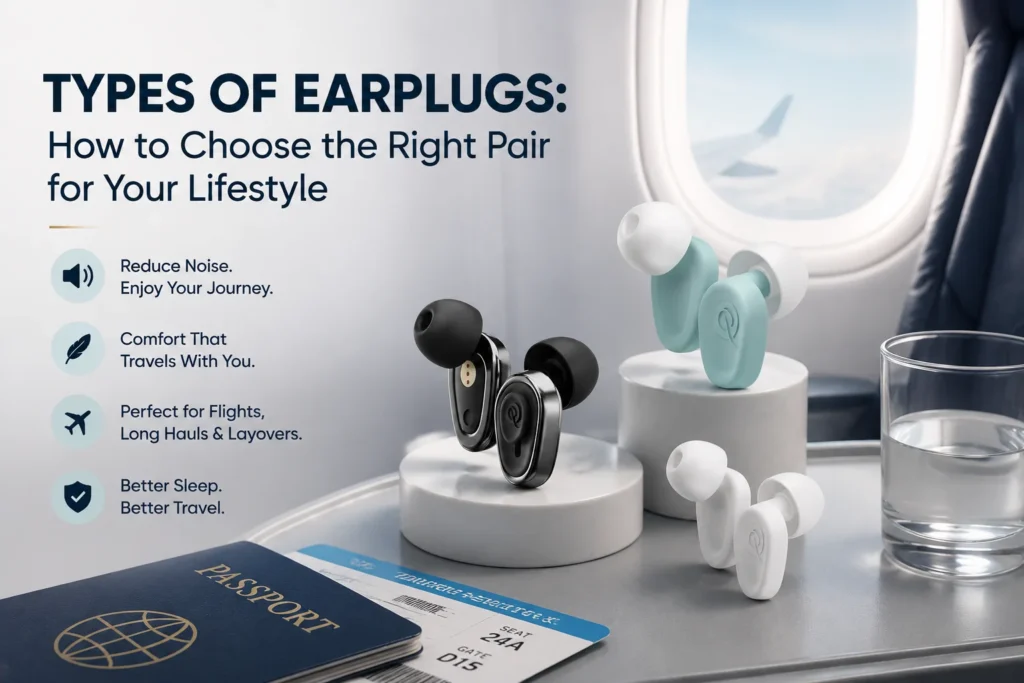
Start with the design. Foam earplugs can provide a substantial reduction when inserted properly, but they are generally disposable and can feel bulky or difficult to fit. Reusable earplugs are built for repeat wear, portability, and a more intentional fit. Many use filters to reduce noise more evenly than basic plugs, which can make speech and music feel less muffled.
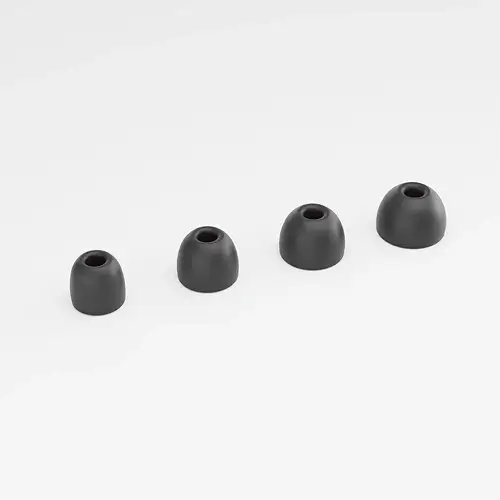
Then consider fit. Ear canals are not one-size-fits-all. Multiple eartip sizes are more than a nice extra – they are central to comfort and performance. A plug that creates pressure, slips out, or irritates your ear is unlikely to become part of your routine. A low-profile shape can also make a major difference under helmets, hats, and while sleeping on your side.
Look at the stated noise-reduction information, but read it in context. Ratings are useful for comparing products tested under specific conditions. Your real-world result depends on fit, insertion, movement, and your environment. A properly fitted earplug with a moderate rating may serve you better than a higher-rated option that you cannot comfortably wear for more than 20 minutes.
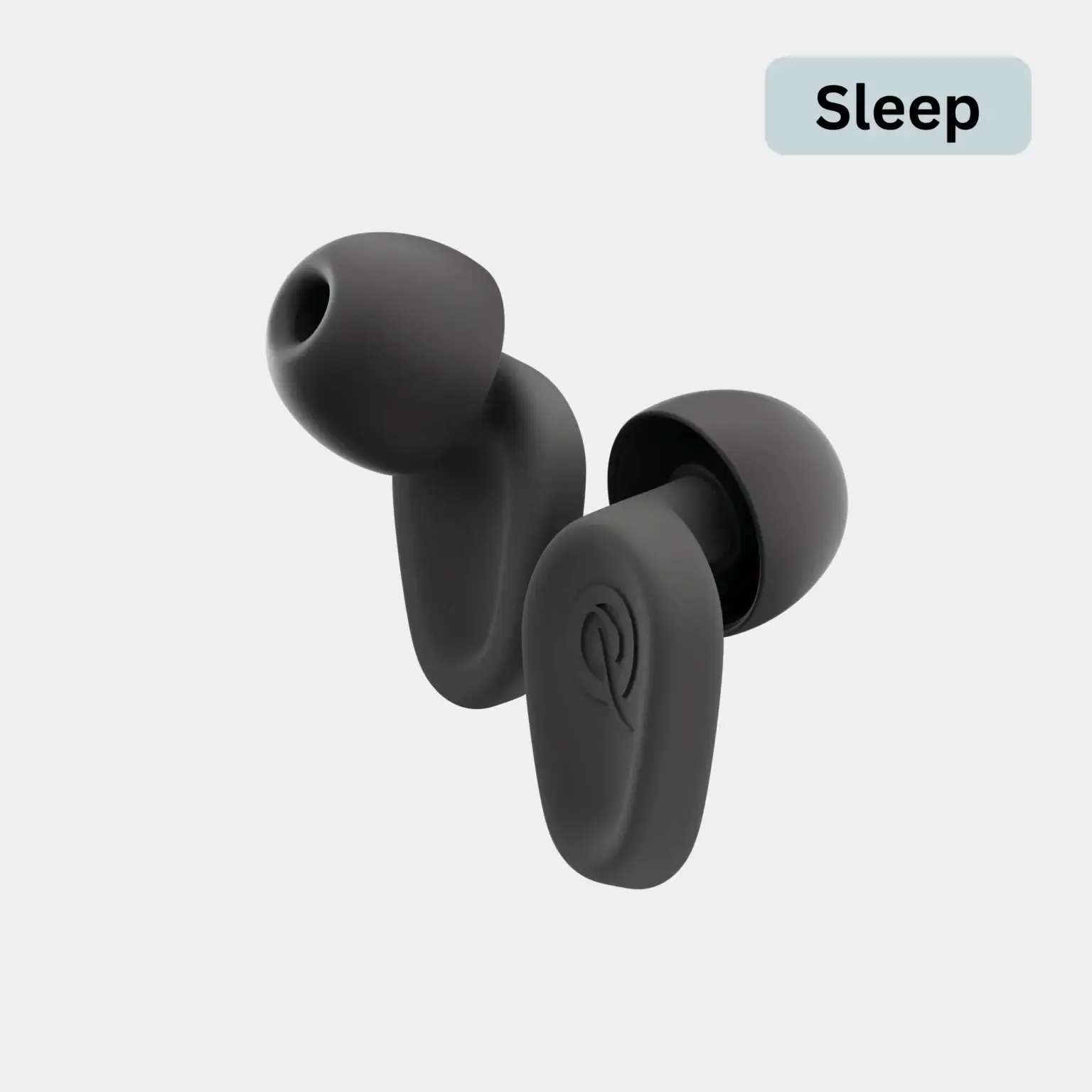
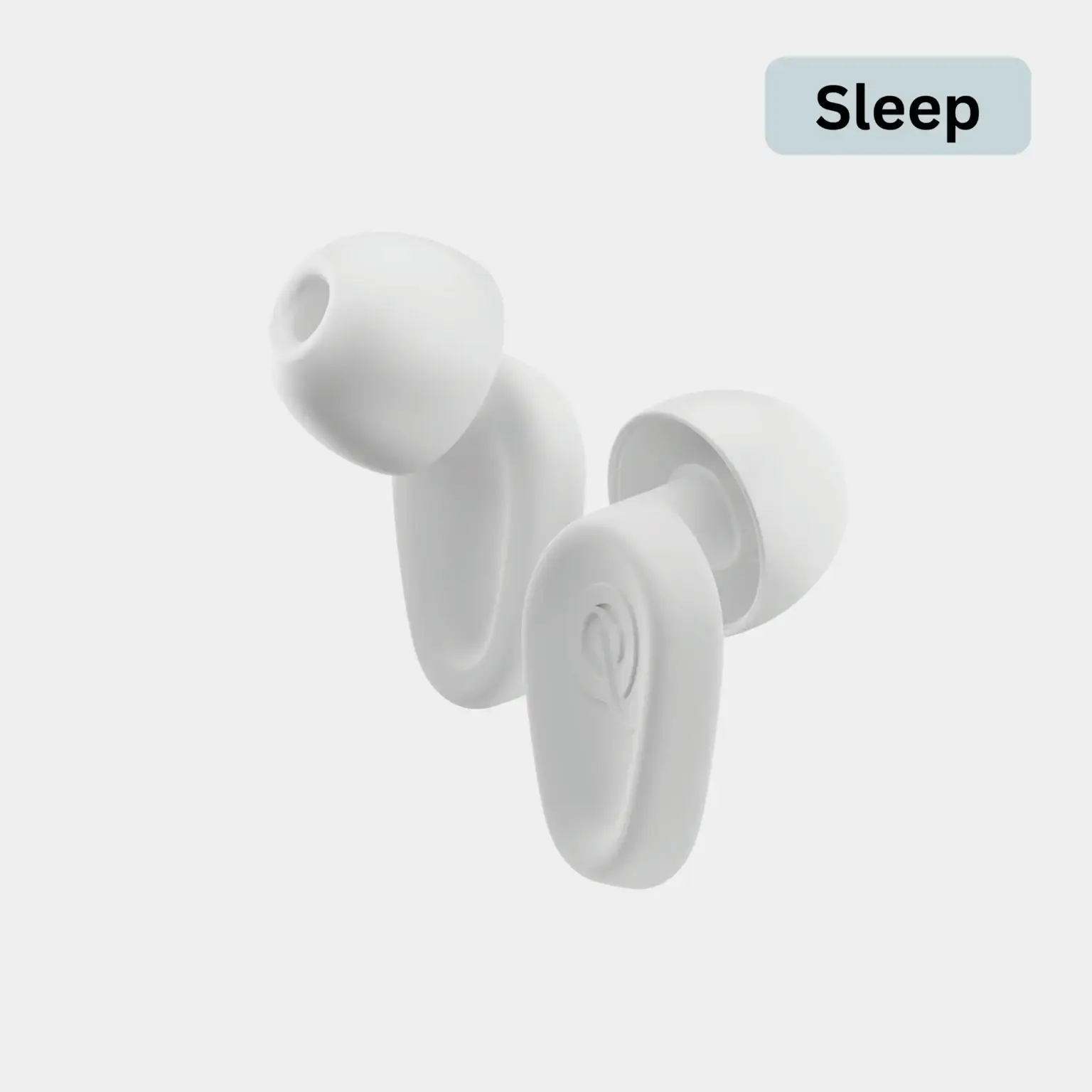
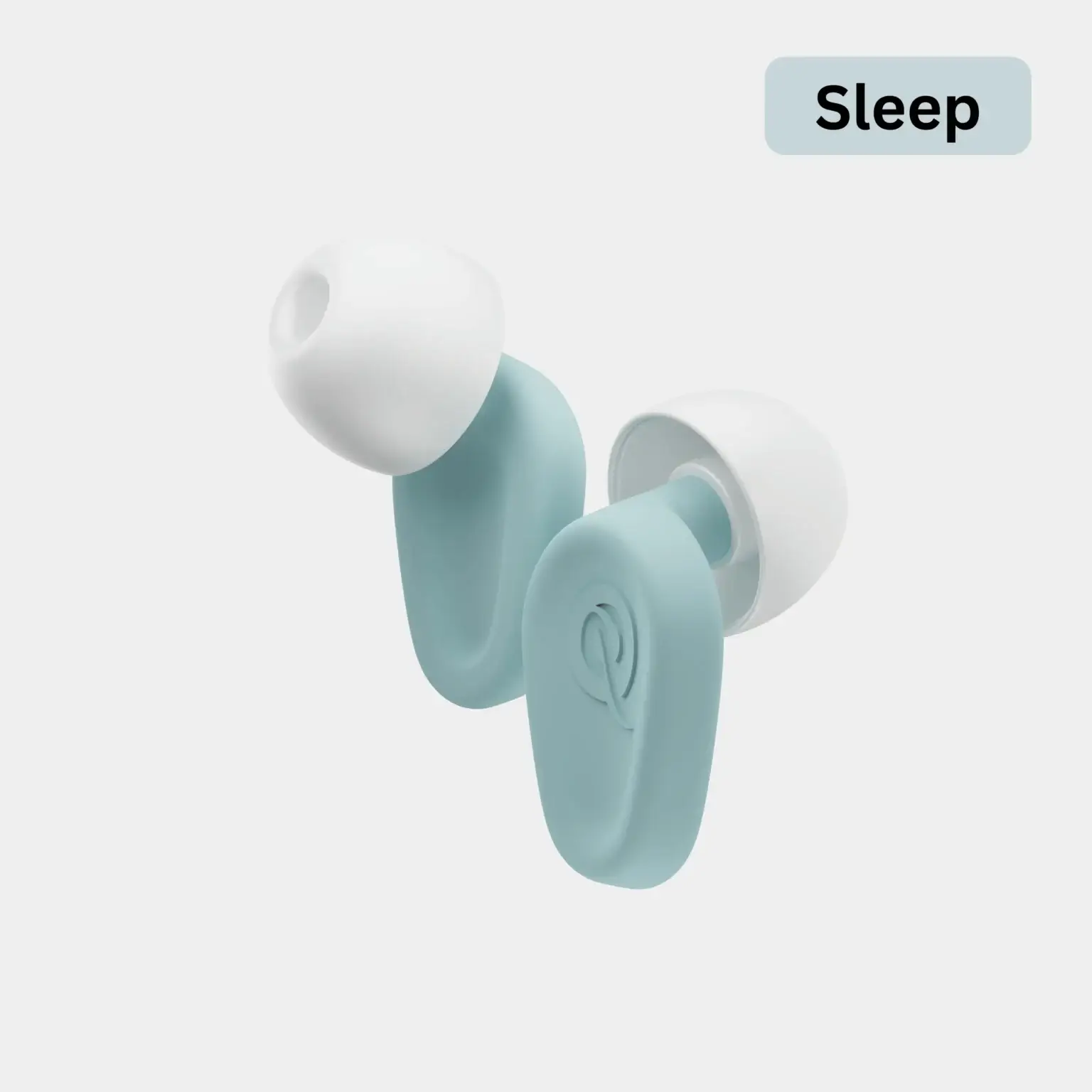
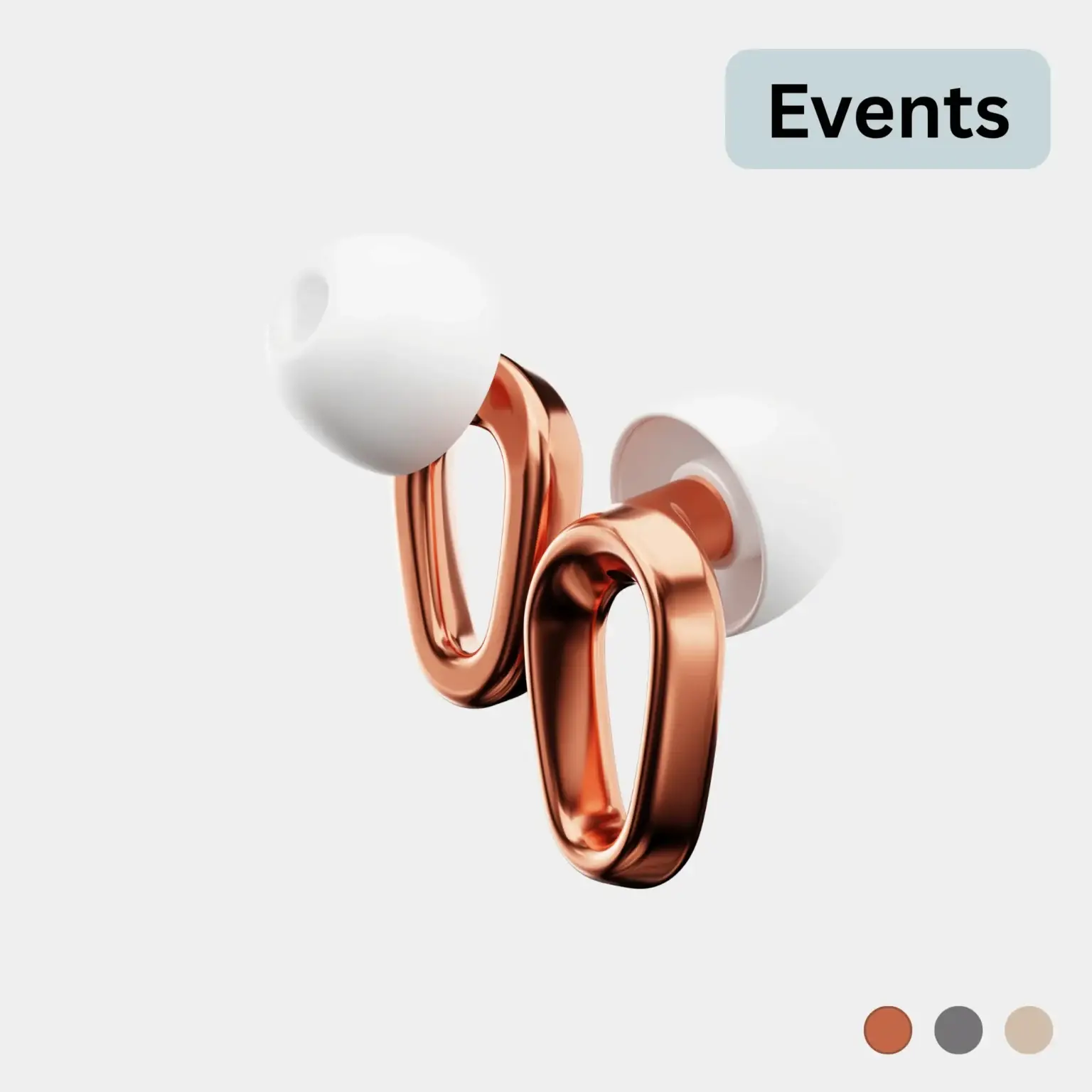
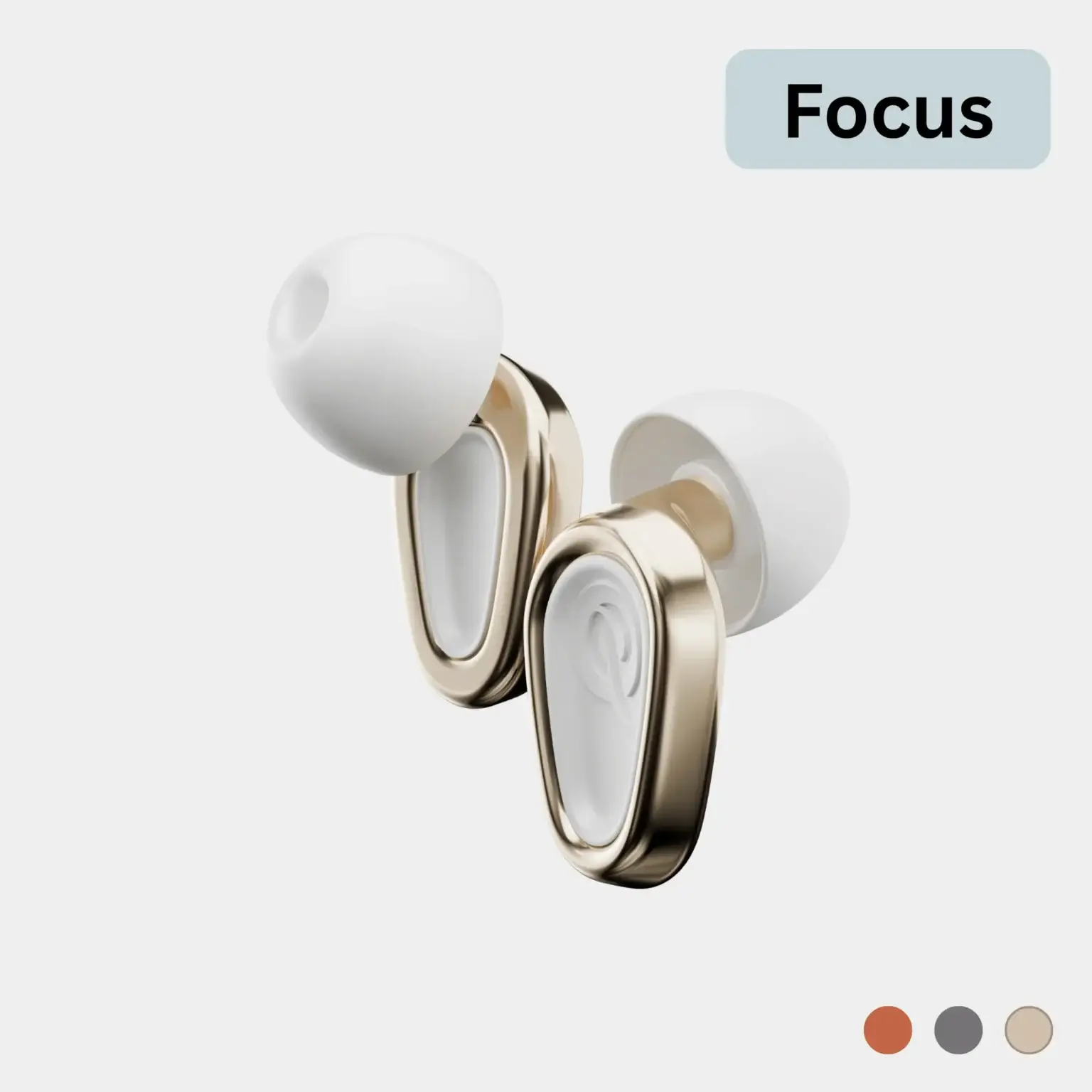
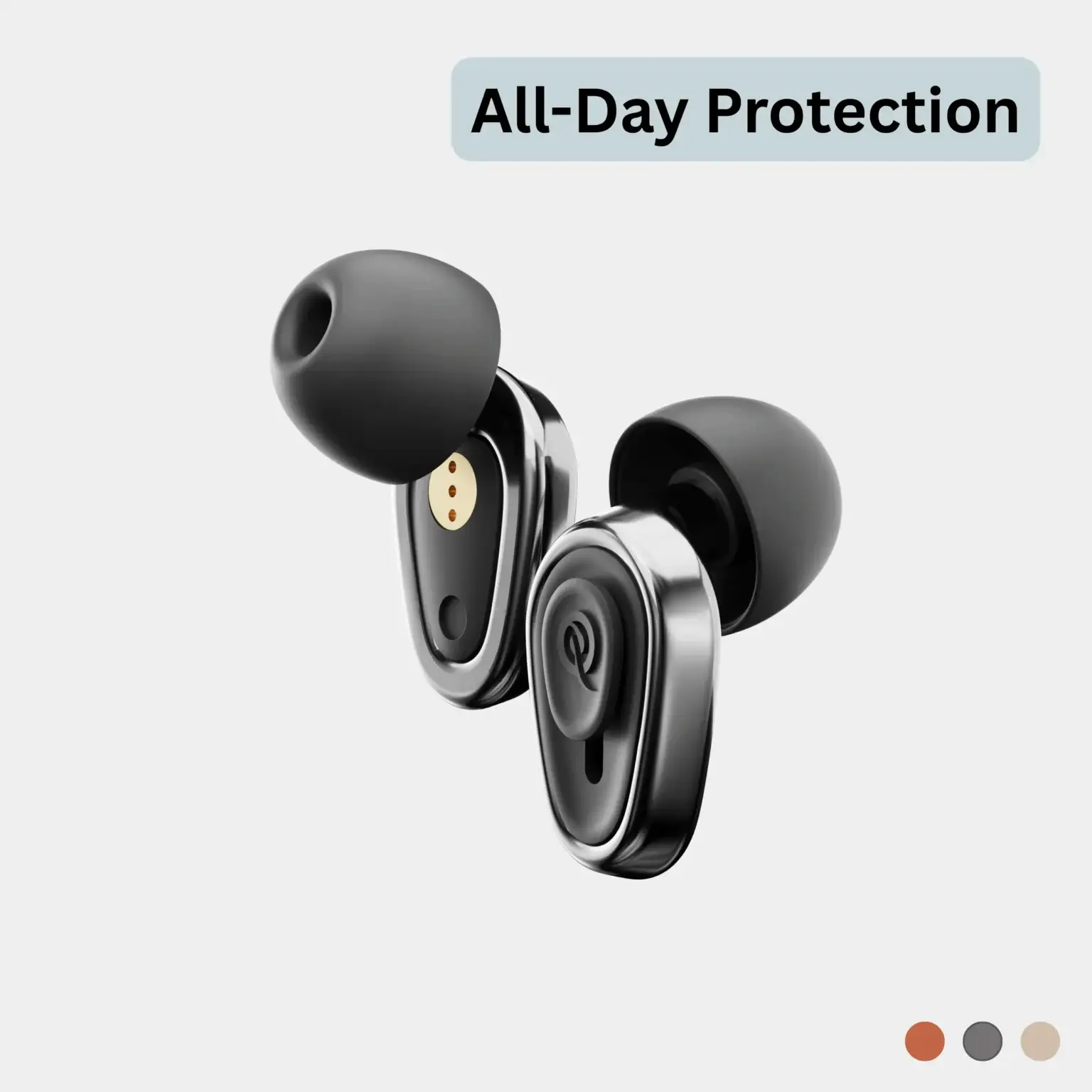
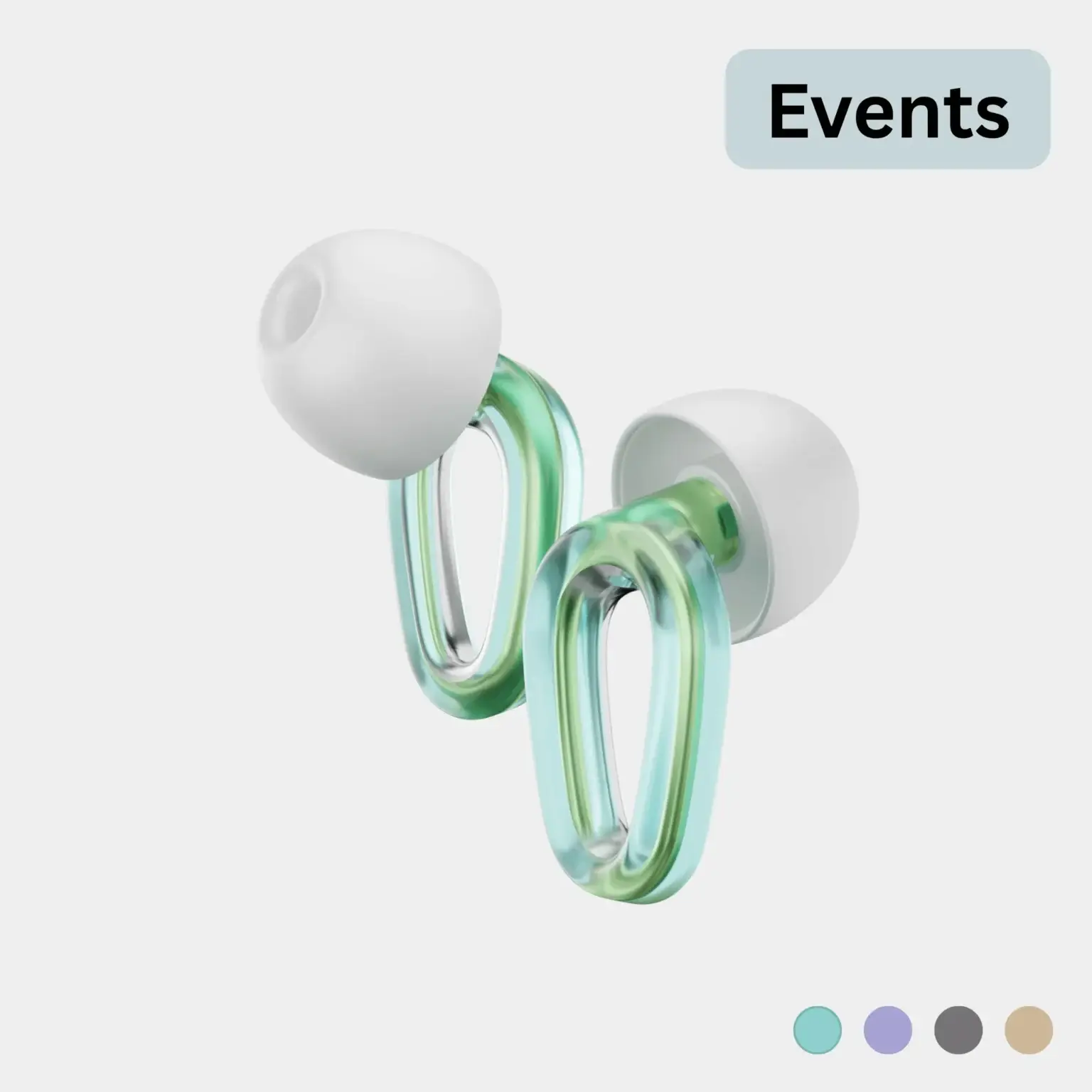
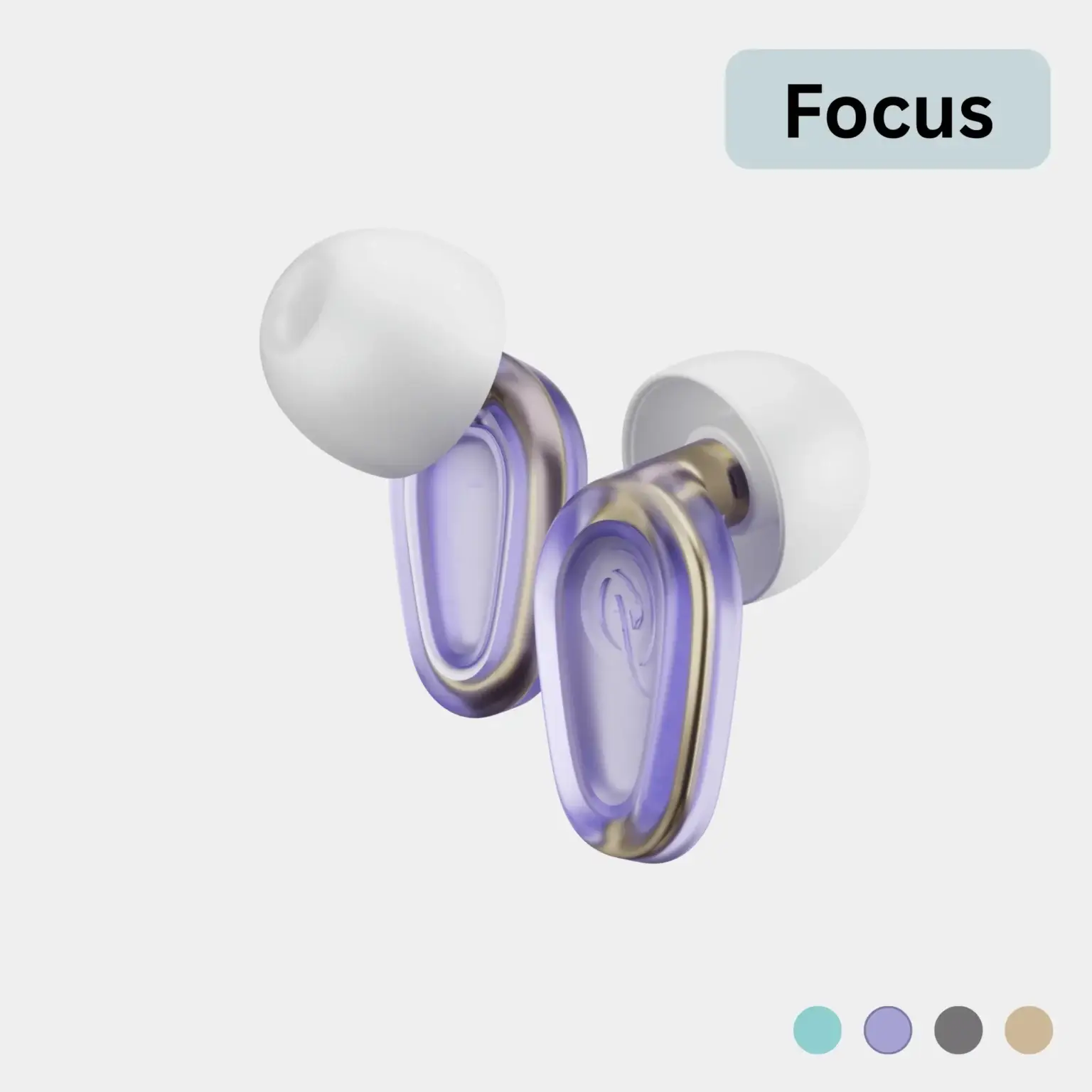
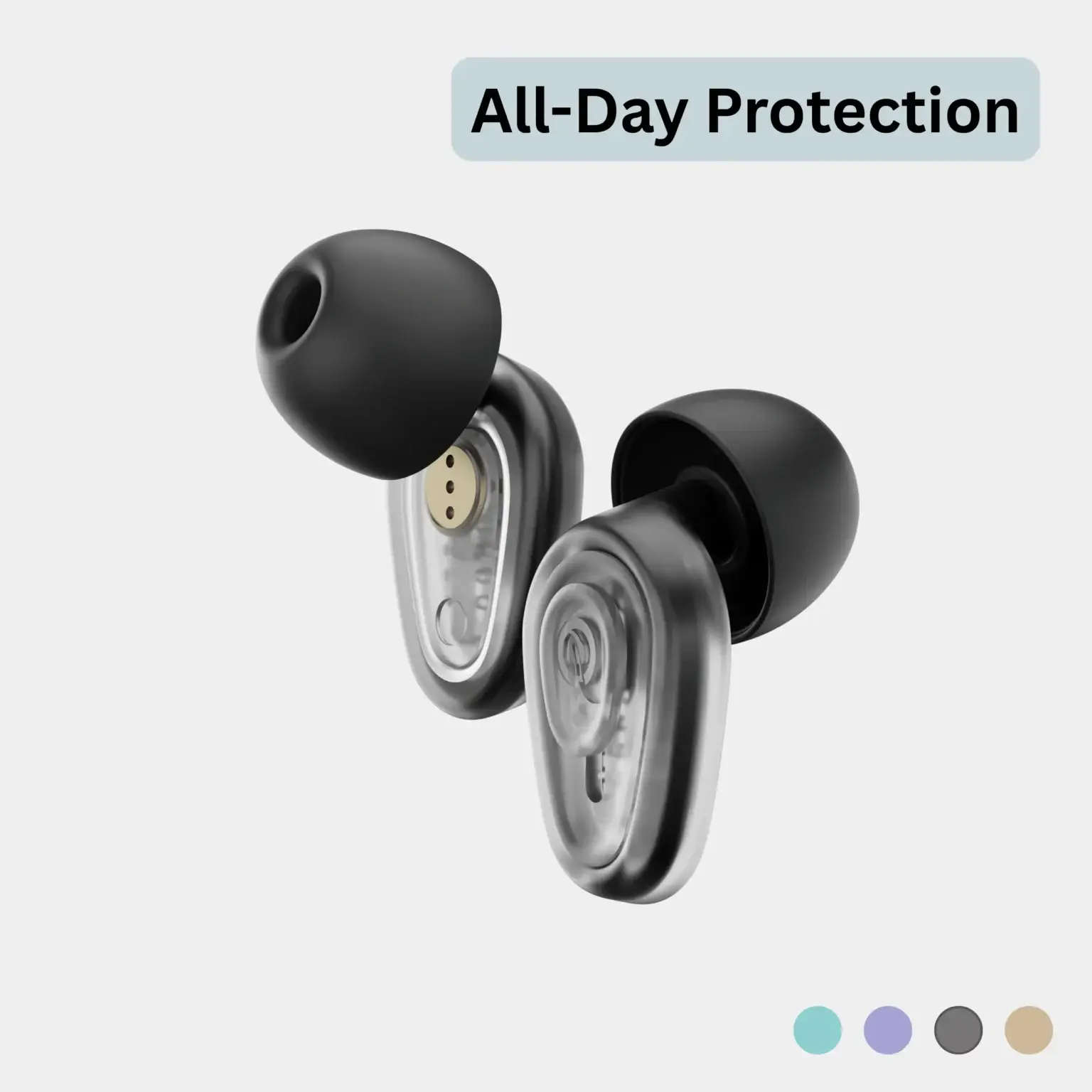
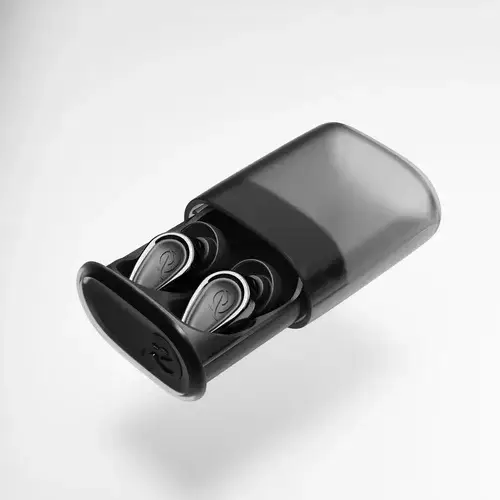
Earmuffz organises reusable options around real use cases, including sleep, everyday focus, and more demanding activities. That approach is worth following no matter what you choose: match the product to the moment rather than expecting one pair to do every job perfectly.
Get the Fit Right Before You Need It
The fastest way to make earplugs feel ineffective is to put them in hurriedly at the gate, at the venue, or after the lawn mower is already running. Practice at home first.
With clean hands, choose the eartip size that sits comfortably at the entrance of your ear canal and creates a stable seal. Insert the earplugs according to their instructions, then check the result. Ambient sound should soften noticeably, but the plug should not feel painful or as if it is being forced too deeply. Try speaking, chewing, turning your head, and wearing the pair for 15 to 30 minutes.
If one side feels different from the other, that is normal. Many people need different tip sizes for each ear. Do not force symmetry when comfort and seal tell a different story.
For sleep, test your earplugs during a short rest before relying on them overnight. For concerts or commuting, wear them on a lower-stakes outing first. Tiny fit adjustments make a big difference when you are wearing protection for hours.
Build Hearing Protection Into Your Routine
The best hearing protection is the pair you have when you need it. Keep a clean case in places where noise tends to catch you off guard: your work bag, jacket pocket, car console, gym bag, or bedside table. If you ride, travel, or attend events regularly, make earplugs as automatic as bringing your keys.
Use them early. Waiting until your ears already feel overwhelmed means you have spent part of the day working harder than necessary. Put them in before boarding the train, starting the vacuum, walking into the arena, or settling into a noisy coworking space. You can always remove them if the setting is calmer than expected.
There is also a performance angle. Reducing background noise can help some people concentrate, regulate their energy, and stay less reactive in overstimulating places. That does not mean earplugs replace healthy sleep, breaks, or medical care. They are simply a straightforward tool for controlling one variable: sound.
Protect Your Hearing Without Losing Awareness
Situational awareness is the trade-off that deserves real attention. You should not wear hearing protection in circumstances where you must clearly hear warnings, instructions, traffic, or emergency signals unless you have a safe plan for doing so. Lowering the volume is different from becoming disconnected from your environment.
For city walking, commuting, parenting, and workplace use, choose a reduction level that keeps you alert. Keep one ear free only when it is appropriate and safe, or remove your earplugs when you need to have a detailed conversation. Never use earplugs as a workaround for an environment that is unsafe for your hearing or your physical safety.
If ringing, pain, muffled hearing, or sound sensitivity persists after noise exposure, contact a qualified hearing professional. Earplugs can reduce future exposure, but ongoing symptoms deserve personal guidance.
Care for the Gear That Protects You
Reusable earplugs need simple, consistent care. Clean them as directed by the manufacturer, let them dry fully, and store them in a protective case. Avoid sharing them. Replace ear tips or earplugs when they become damaged, no longer seal well, or cannot be cleaned properly.
A clean pair fits better, lasts longer, and is much easier to reach for every day. That is the real advantage of treating hearing protection as an everyday essential rather than emergency gear.
Your world does not need to get quieter for you to feel more in control. Carry the right protection, use it before the noise wears you down, and give your ears the same consideration you give the rest of your performance.