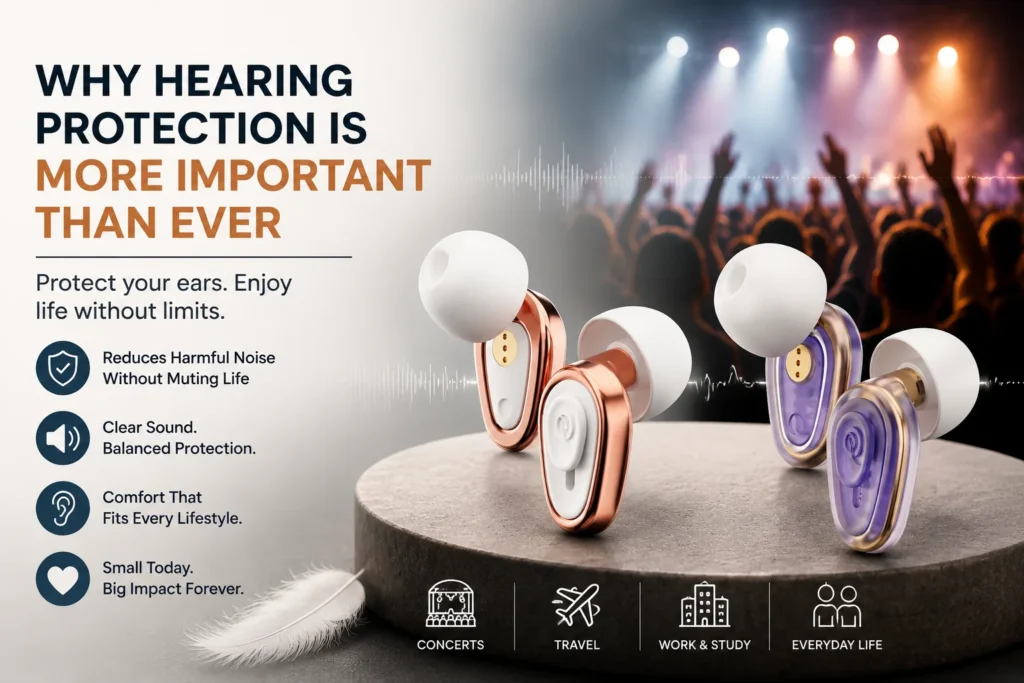

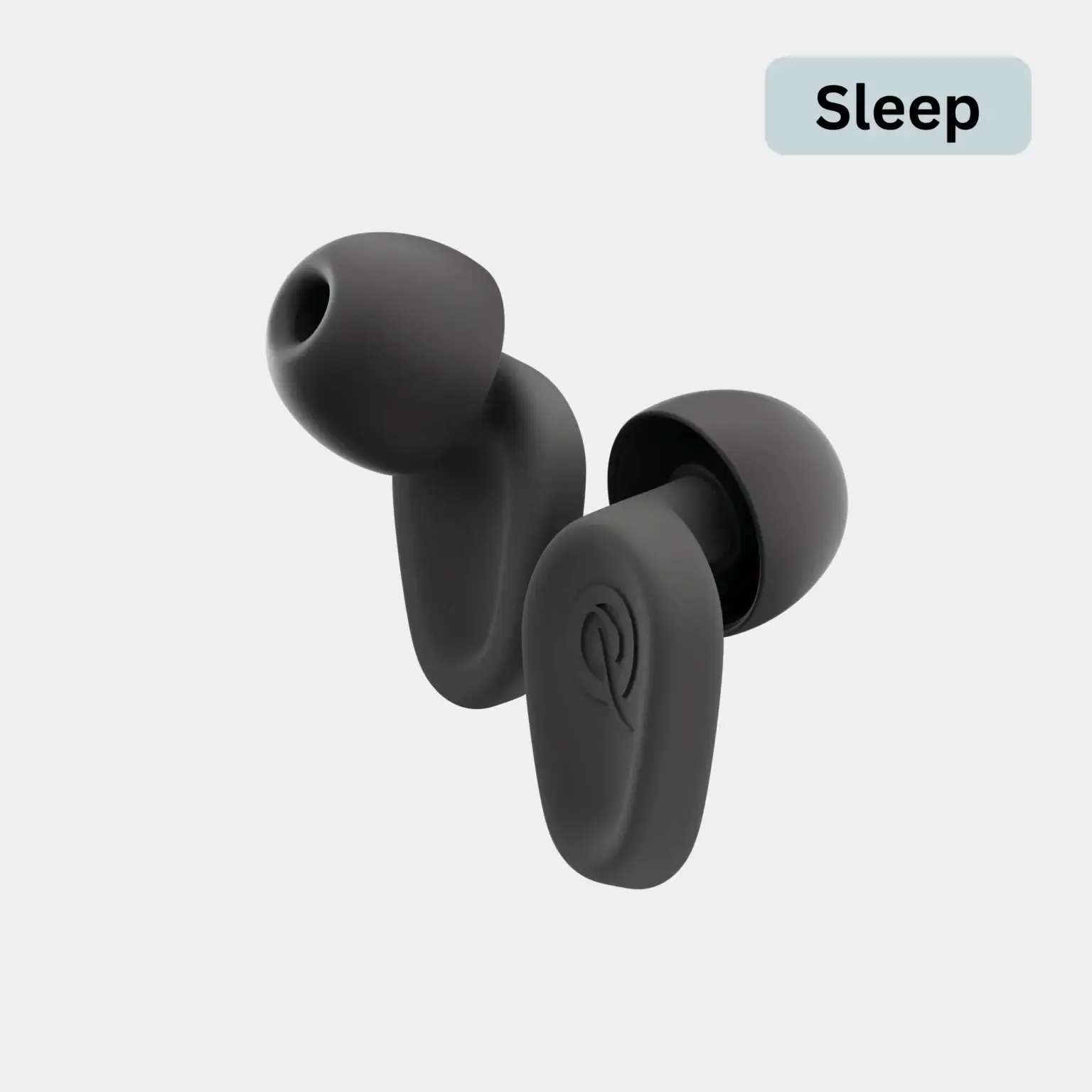
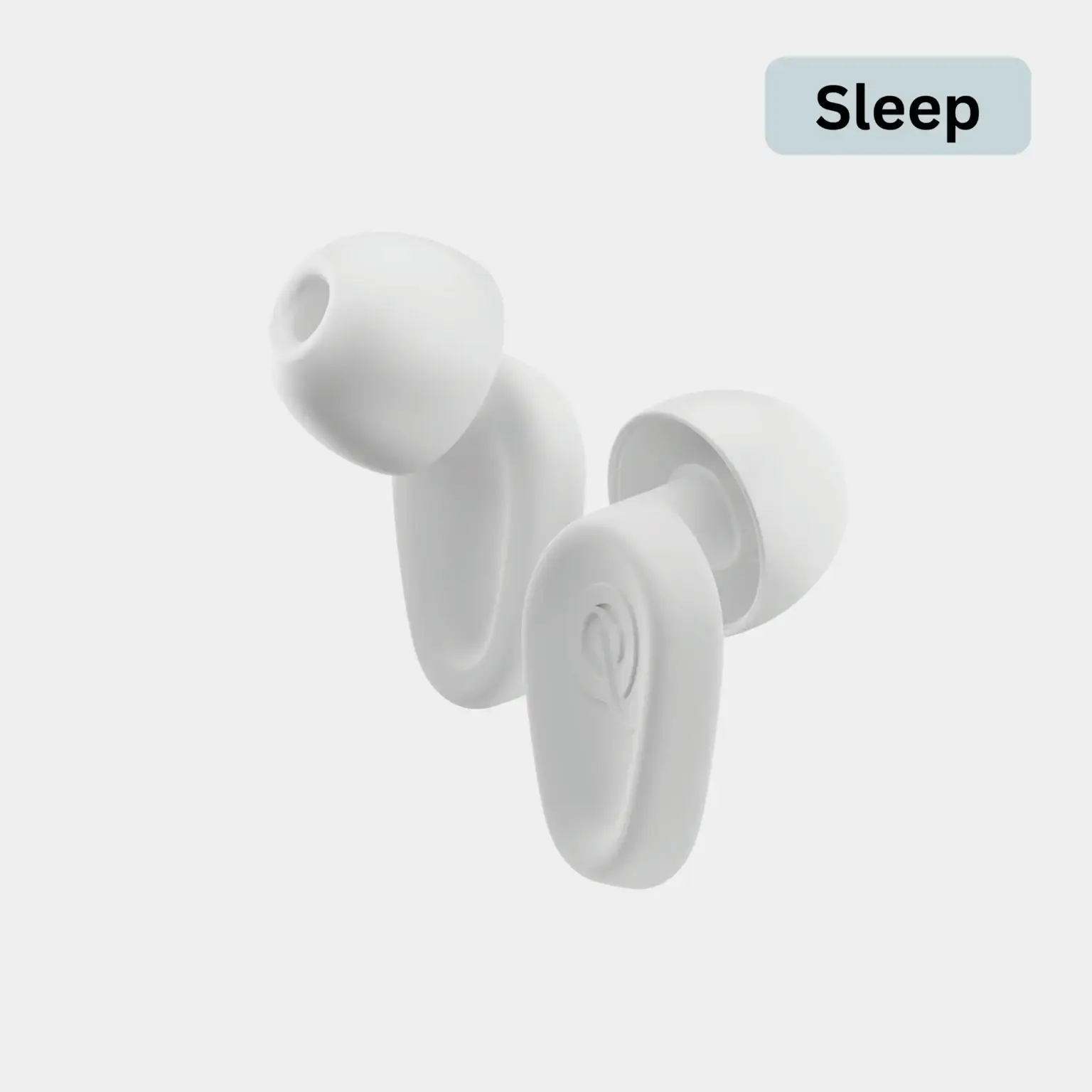
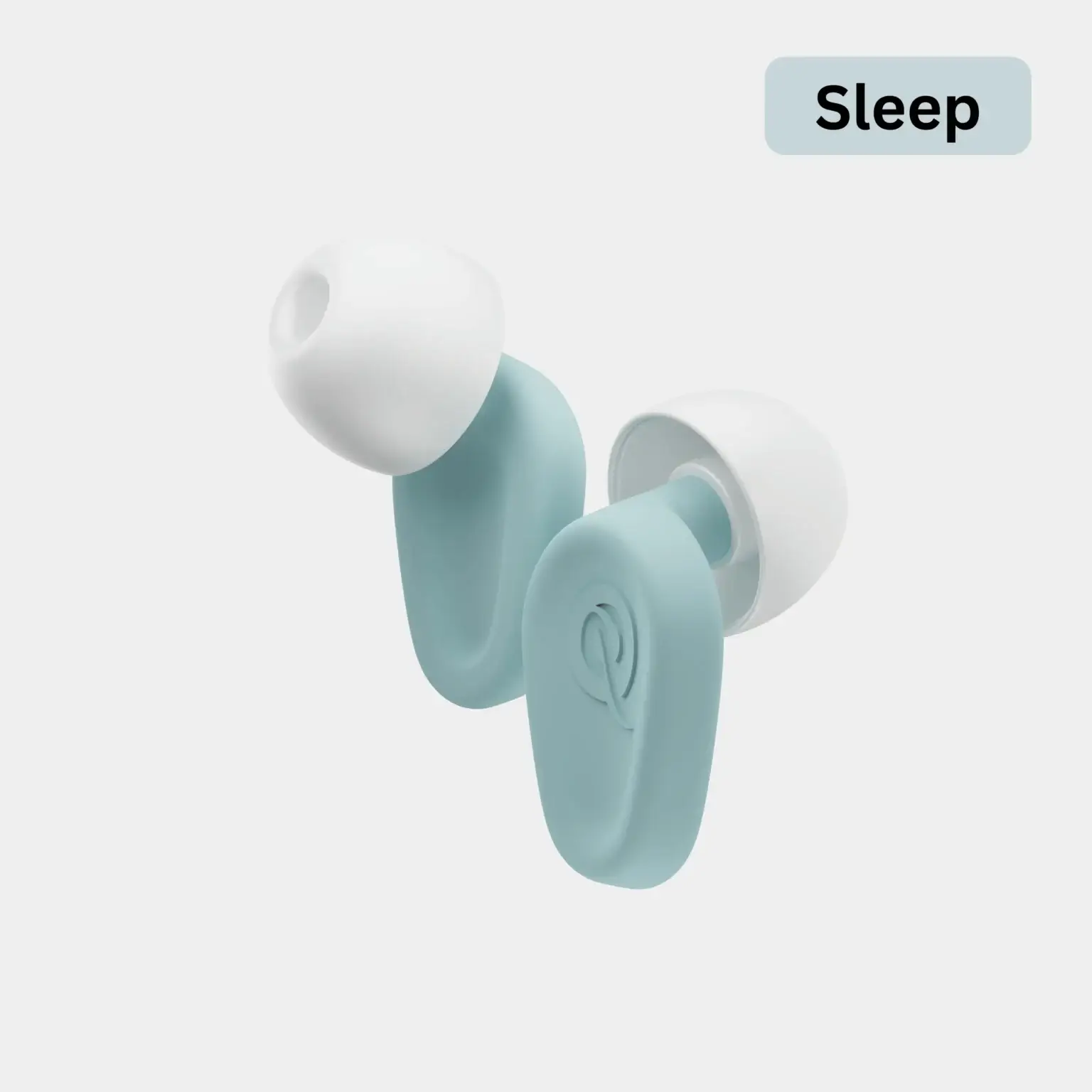
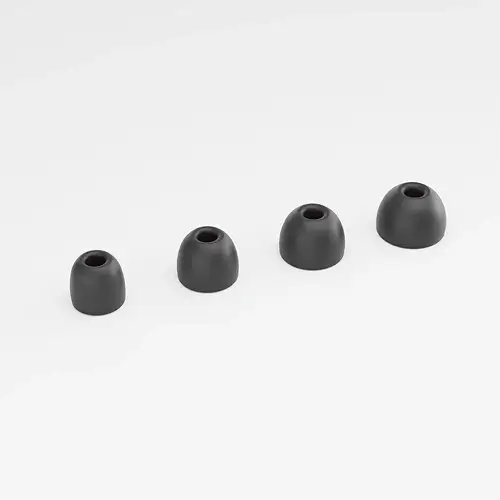
How to Clean Reusable Earplugs the Safe Way
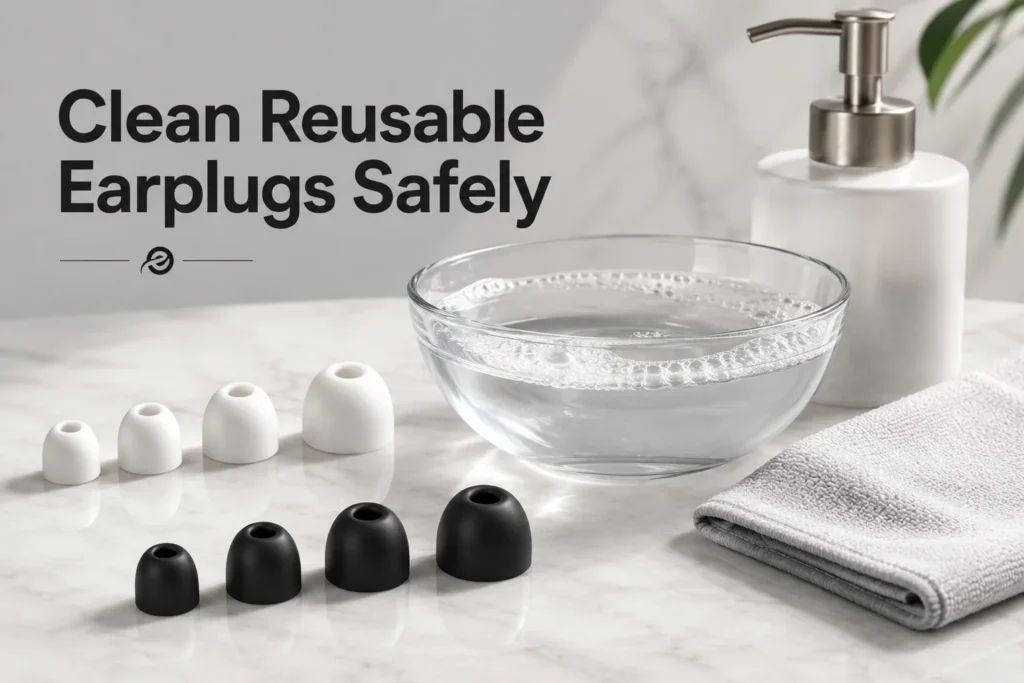
A great pair of reusable earplugs puts you back in control – until they collect earwax, sweat, lint, and whatever else came along for the ride in your pocket or bag. Knowing how to clean reusable earplugs correctly keeps them comfortable, discreet, and ready to reduce the noise that gets in your way.
Cleaning is not about making earplugs look new for a photo. It is about protecting the seal that makes noise reduction work, preventing irritation, and getting the most life from a product you rely on for sleep, focus, travel, concerts, commutes, and everything in between.
Why Clean Earplugs Perform Better
Reusable earplugs sit close to the skin inside your ears. Over time, they can pick up natural earwax, skin oil, moisture, hair products, makeup, dust, and bacteria from your hands or case. That buildup can make the earplugs feel slippery, less comfortable, or harder to insert securely.
It can also affect the fit. A clean, properly seated eartip creates the consistent seal you need for dependable noise reduction. If wax has collected around the tip or opening, your earplugs may not sit as deeply or comfortably as they should. That is a small maintenance habit with a real payoff: better comfort, better hygiene, and more confidence in your everyday volume control.
How often you clean them depends on how hard they work. Someone wearing earplugs nightly for sleep or daily on a sweaty commute needs a more frequent routine than someone who wears them only at occasional events. A quick wipe after each use and a more thorough clean once a week is a strong baseline for most people.
What You Need to Clean Reusable Earplugs
Keep the setup simple. Use lukewarm water, mild fragrance-free soap, a clean soft cloth, and a dry towel or clean paper towel. A soft-bristled toothbrush can help with stubborn residue on silicone eartips, but use it gently. Aggressive scrubbing can damage soft material or push debris into sound channels.
Avoid harsh cleaners unless the manufacturer specifically says they are safe. Alcohol, bleach, hydrogen peroxide, abrasive toothpaste, strong detergents, and hand sanitizer can dry out or discolor certain materials. They may also weaken soft eartips over time. Hot water is another no-go because heat can warp plastic parts or alter the shape of the tips.
If your earplugs have removable eartips, filters, acoustic channels, or other components, check the care instructions that came with them first. Not every part should be soaked. This matters especially for advanced noise-filtering designs, where water in a sound channel can interfere with performance until fully dry.
How to Clean Reusable Earplugs Step by Step
The safest process is gentle, quick, and thorough enough to remove buildup without attacking the materials.
- Wash your hands first. Starting with clean hands prevents you from transferring more oil and debris to the earplugs while cleaning them.
- Take the earplugs apart only if designed to come apart. Remove detachable silicone eartips carefully. Do not force filters, stems, or internal pieces loose if they are not meant to be removed.
- Wipe away visible debris. Use a soft, damp cloth to lift wax and dirt from the outer body. For silicone tips, a tiny amount of mild soap and lukewarm water is usually enough to break down oily buildup.
- Clean openings with care. If there is a channel or small opening, use a dry, soft brush around the entrance only. Do not insert sharp objects, cotton swabs, pins, or toothpicks. Pushing debris inward can block the channel or damage the earplug.
- Rinse only washable pieces and dry completely. Rinse removable silicone tips thoroughly if the care instructions allow it. Pat every piece dry, then leave it on a clean towel to air-dry fully before reassembly or storage.
Do not rush the drying step. Moisture trapped in a case creates the exact environment you do not want near something that goes into your ears. Let the parts dry in a clean, well-ventilated spot, away from direct sunlight, heaters, and dusty countertops.
Clean the Case Too
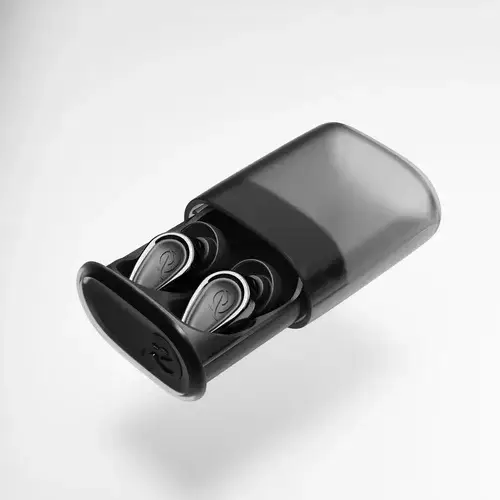
Your storage case is part of the system. It protects your earplugs from pocket lint, bag crumbs, and accidental damage, but it can also hold moisture and residue if it is never cleaned.
Empty the case once a week, shake out loose debris, and wipe the interior with a clean damp cloth. Let it air-dry open before putting your earplugs back inside. If you use your earplugs during workouts, on a motorcycle, or on long travel days, check the case more often. Sweat and humidity have a way of following your gear.
Never store earplugs while they are still damp. If you need to pack up quickly, wrap them in a clean, dry cloth temporarily and move them into the case once they are dry. That extra minute protects both hygiene and material life.
The Mistakes That Shorten Earplug Life
The biggest mistake is over-cleaning with the wrong product. A strong chemical may feel more sanitary, but it can leave behind residue, change the feel of silicone, or damage a finish. Mild soap, water where appropriate, and complete drying are usually the winning combination.
Another common move is soaking the entire earplug without checking whether every component is water-safe. A simple, solid silicone plug may tolerate washing differently than a reusable earplug built with acoustic filters or specialized internal construction. The right approach depends on your exact model, so always let its care guidance lead.
Finally, do not clean your earplugs and then toss them loose into a pocket. That undoes the work fast. Store them in a dedicated case after every use. It takes almost no effort and keeps your noise-control essential ready when you need focus, quiet, or protection on short notice.
When Cleaning Is Not Enough
Cleaning can remove buildup, but it cannot fix worn-out material. Replace eartips if they become cracked, sticky, misshapen, permanently discolored, or unable to stay comfortably in place. A damaged tip can compromise the seal, which means less reliable noise reduction.
Replace the full earplug if it has visible cracks, loose components, damaged filters, or an odor that remains after proper cleaning and drying. If your ears become itchy, sore, or irritated, stop wearing the earplugs until you identify the cause. It may be a cleaning issue, a fit issue, sensitivity to a material, or something worth discussing with a healthcare professional.
Earwax is normal, but excessive wax can also block any earplug opening or affect comfort. Do not try to solve that by digging into the plug with a sharp tool. Clean the surface, follow the product instructions, and protect the design that helps it perform.
Make Earplug Care Part of Your Routine
The easiest routine is the one you will actually keep. After use, inspect your earplugs in good light, wipe them down if needed, and put them back in a dry case. Once a week, wash removable washable tips, clean the case, and give everything time to dry fully.
That routine works whether your earplugs are your sleep essential, your concentration switch at work, or your go-to protection for loud weekends. Earmuffz reusable earplugs are built for real life, but real life is easier on gear that gets a little care.
Clean earplugs are not a glamorous habit. They are a high-performance one. Keep yours fresh, dry, and ready, so the next time the world gets too loud, you can own the moment instead of enduring it.