
Do Earplugs Help With Snoring?
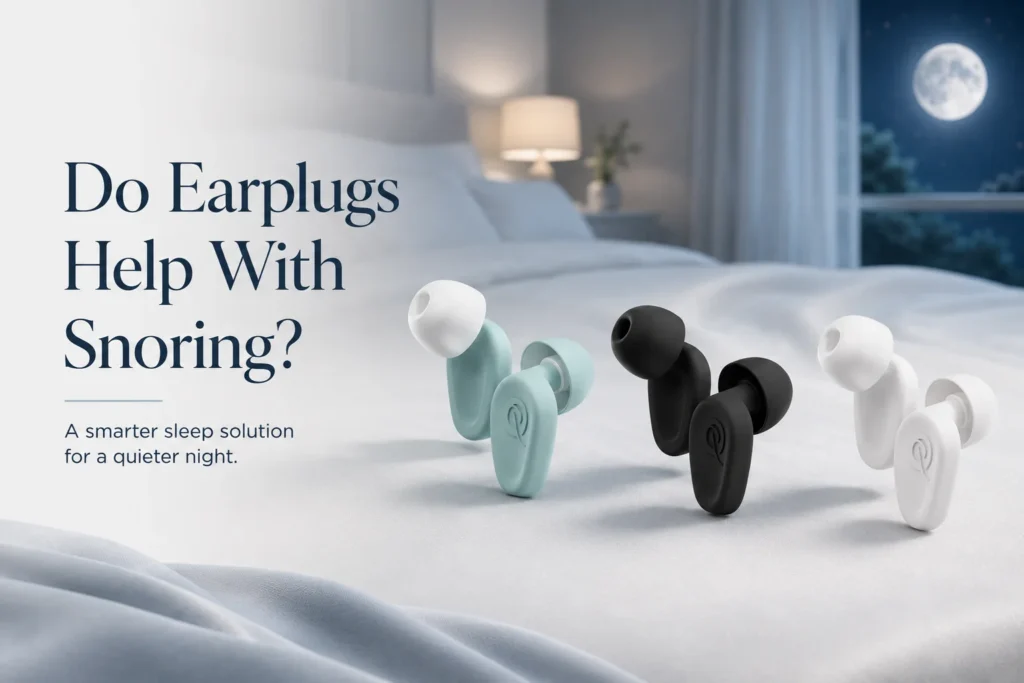
The sound usually hits hardest at 2 a.m. One person is asleep in seconds. The other is staring at the ceiling, negotiating with every pillow in the room. If you’ve asked, ” Do earplugs help with snoring, the short answer is yes – often enough to make a real difference, but not always enough to solve the whole problem.
That distinction matters. Snoring is not one-size-fits-all, and neither is noise control. The right earplugs can cut the edge off a partner’s rumbling, help you fall asleep faster, and give you back a sense of control at bedtime. But they work best when you match the earplugs to the kind of snoring you’re actually dealing with.
Do earplugs help with snoring or just mask it?
Earplugs do not stop someone from snoring. They reduce how much of that sound reaches your ear. For many sleepers, that is enough. If the snoring is moderate, steady, and mostly low to mid-volume, a well-fitted pair of sleep earplugs can lower the noise enough that your brain stops reacting to it.
That said, earplugs are a noise-management tool, not a treatment for the snorer. If the sound is extremely loud, irregular, or accompanied by gasping and choking, earplugs may only partially help. You may still hear the sharp peaks, especially if you are a light sleeper or already stressed and hyper-aware of sound.
This is where expectations matter. Earplugs are not an off switch. Think of them as volume control. They reduce the intensity, soften sudden bursts, and make a disruptive room feel more manageable.
Why earplugs can work surprisingly well for snoring
Snoring sounds louder at night because your surroundings are otherwise quiet. There is no traffic, no conversation, no kitchen noise to compete with it. A single repetitive sound becomes the whole room. Earplugs break that pattern by lowering the background signal your brain keeps locking onto.
The biggest win is often not total silence. It is fewer wake-ups, less irritation, and less time spent waiting to fall asleep. Many people do not need snoring to disappear. They just need it to stop dominating the room.
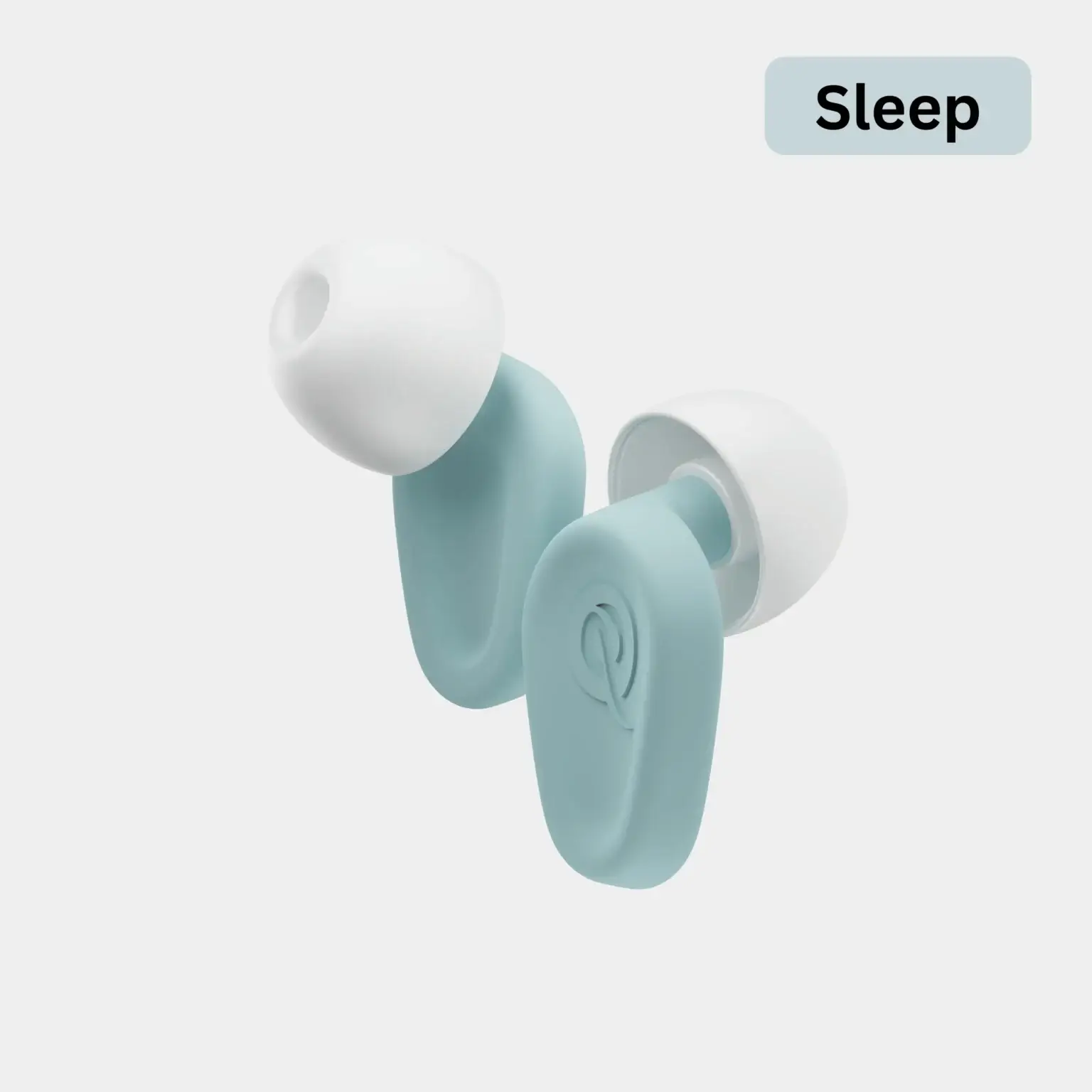
Good sleep earplugs also help because they sit flush, stay in place, and reduce noise without creating the bulky pressure that can make side sleeping miserable. Comfort is performance here. If you cannot wear earplugs all night, the noise reduction rating on the box does not matter much.
When earplugs help the most
Earplugs tend to perform best when the snoring is consistent rather than explosive. A steady rumble is easier to reduce than sudden, high-volume blasts that cut through sleep. They also help more when the listener has a generally calm sleep environment. If the room is already full of interruptions, snoring becomes just one part of the problem.
They are especially useful for couples who do not want to jump straight to separate bedrooms. That middle ground matters. A discreet, reusable pair of earplugs can be a simple upgrade with zero drama and no major bedtime reset.
Sleep position also changes the equation. Side sleepers usually need soft, low-profile earplugs that will not dig into the ear canal or outer ear when pressed against a pillow. Back sleepers have a bit more flexibility, but fit still matters because loose plugs leak sound and can fall out overnight.
When earplugs may not be enough
Sometimes the answer to using earplugs to help with snoring is yes, but not enough. If the snoring is extremely loud, rattling through walls, or changing in pitch and intensity every few seconds, even very good earplugs may not fully block it.
There is also the issue of bone conduction. Some sound reaches you through the structures around the ear, not just through the ear canal. That is one reason why no earplugs create perfect silence. You can reduce airborne noise significantly, but you cannot eliminate every vibration.
If the snoring is accompanied by pauses in breathing, choking, or daytime fatigue in the snorer, the bigger issue may be sleep apnea. In that case, your sleep disruption is real, but the priority should not be sound-blocking alone. The snorer should talk with a medical professional. Earplugs can help you sleep, but they should not become a reason to ignore a possible health problem.
Choosing the right earplugs for snoring
For sleep, the best earplugs are usually soft, reusable, and built for long wear. You want a secure seal without that plugged-up, high-pressure feeling that makes some people rip them out at 3 a.m.
Material matters. Softer silicone or flexible sleep-focused designs tend to feel better for extended use than stiff, industrial-style plugs. A low-profile shape matters too, especially if you sleep on your side. Big flanges or protruding stems can create pressure points fast.
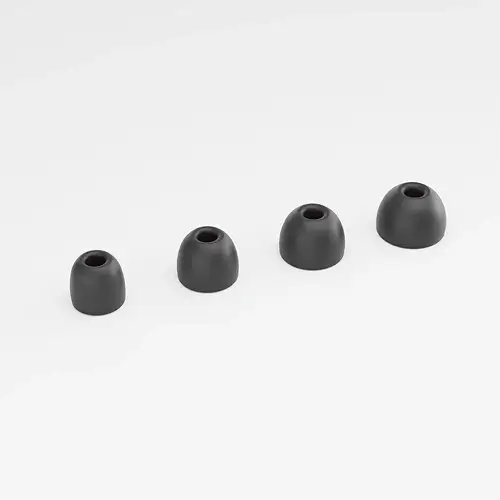
Fit is the make-or-break factor. An earplug with impressive noise reduction on paper can underperform badly if the tip size is wrong for your ear canal. Too small, and sound leaks in. Too large, and comfort drops off a cliff. Multiple eartip sizes are a major advantage because they let you tune the seal instead of settling for almost right.
Reusable earplugs also make sense for people dealing with snoring night after night. They are easier to turn into a routine, easier to keep by the bed, and more aligned with a comfort-first sleep setup than constantly cycling through disposable foam.
What to expect from noise reduction at night
The goal is not to hear nothing. The goal is to sleep better.
That may mean the snoring drops from impossible to tolerable. It may mean you still notice it when you first lie down, but it no longer wakes you every hour. It may mean pairing earplugs with a fan, a white noise machine, or a phone-based sleep sound to blur the peaks even further.
This layered approach works well because earplugs reduce the direct snoring volume while soft ambient sound helps cover what remains. You gain more control without making your sleep setup feel complicated.
If you are highly sensitive to sound, give yourself a few nights to adjust. Some people need a short adaptation period before sleeping comfortably with earplugs. The sensation is different at first, even when the fit is good.
Common mistakes that make earplugs seem less effective
The biggest mistake is poor insertion. If the seal is shallow or uneven, snoring slips right through. Another common issue is choosing earplugs designed for daytime noise rather than sleep. Protection alone is not enough. Overnight comfort, stability, and side-sleeper compatibility matter just as much.
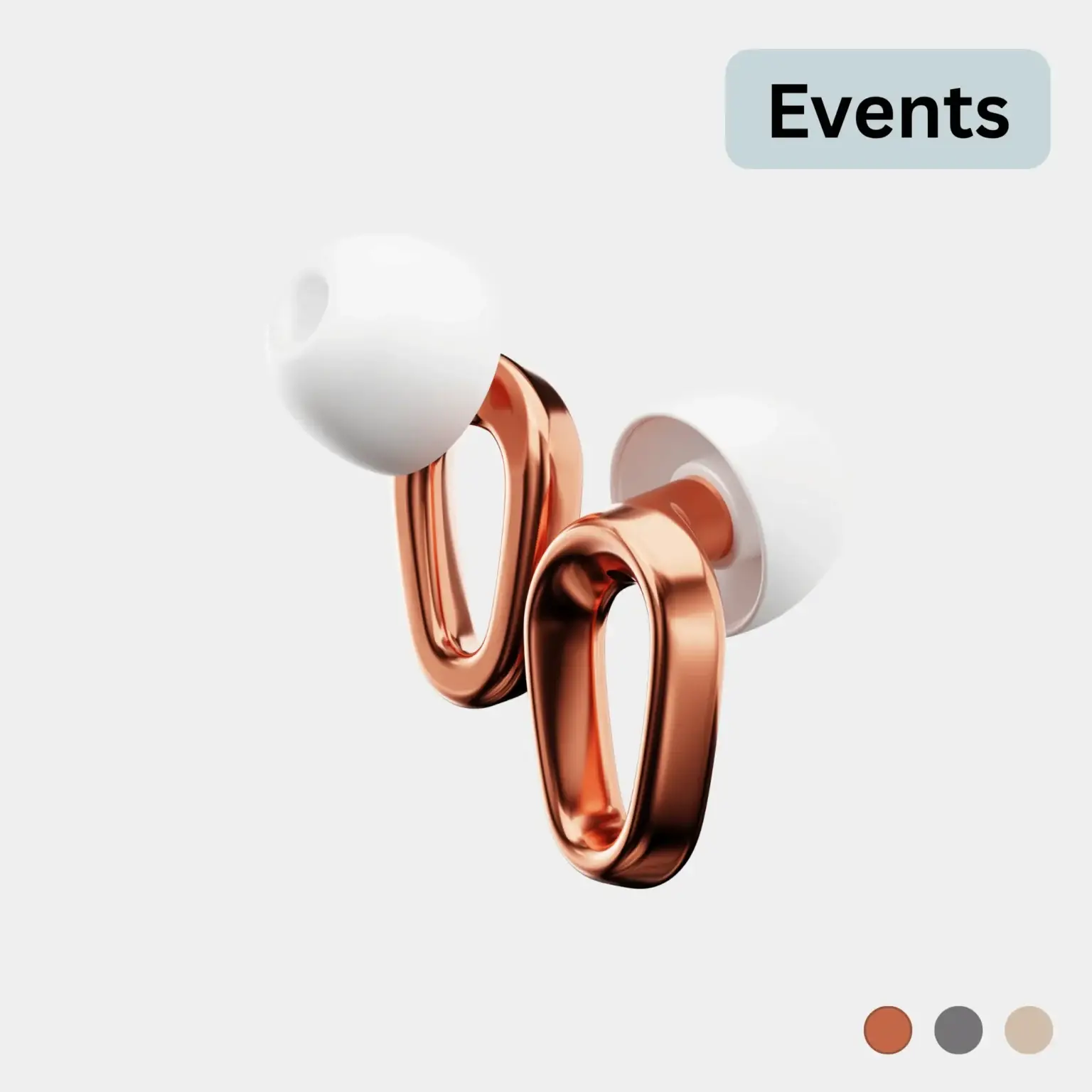
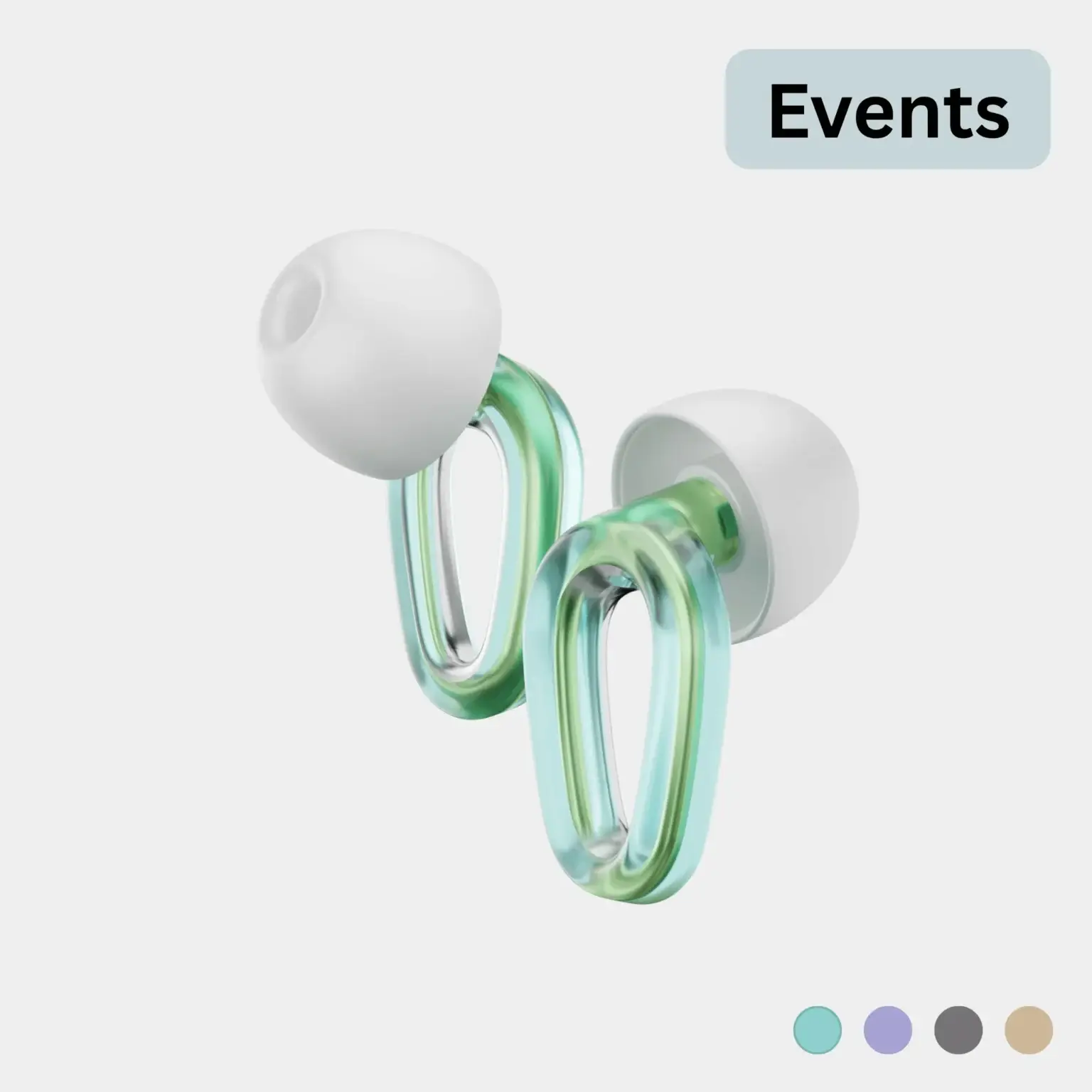
Some people also expect one design to work for every situation. That is not always realistic. Earplugs that are great for commuting or events may not be ideal for eight hours in bed. Sleep support calls for a more specialized fit and feel.
Maintenance matters too. Reusable earplugs need regular cleaning, and eartips wear down over time. A dirty or ageing tip can affect both comfort and seal, which means less effective noise reduction when you need it most.
A better bedtime strategy if snoring is constant
If snoring is part of your nightly routine at home, build a sleep setup that works with your life instead of fighting it. Start with comfortable sleep earplugs that match your sleeping position and ear size. Add a steady background sound if needed. Keep the room cool, dark, and predictable.
If your partner is open to it, encourage simple snoring changes on their side too. Sleeping position, alcohol near bedtime, nasal congestion, and weight changes can all affect snoring intensity. You do not need to turn bedtime into a project manager meeting. Small changes can create real relief.
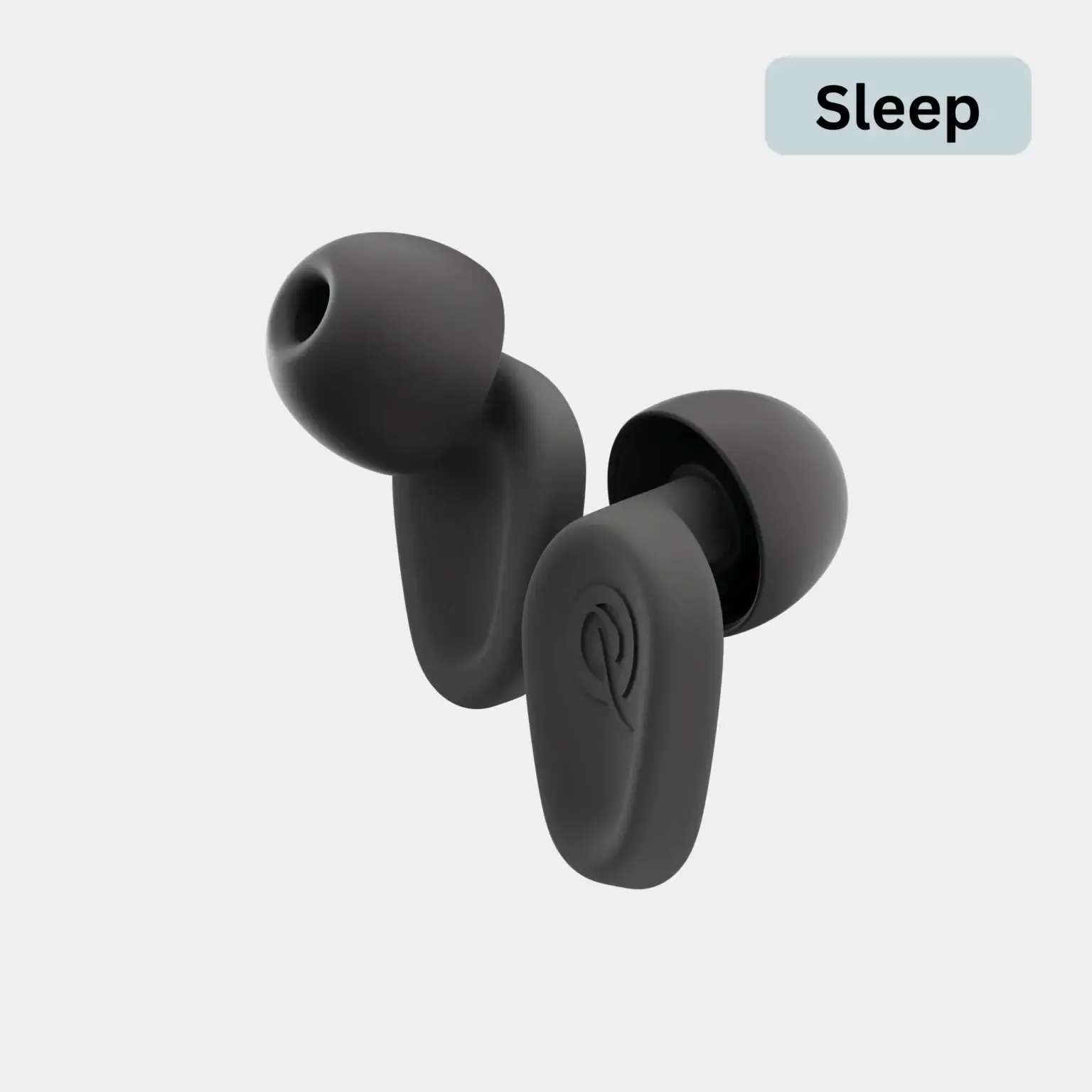
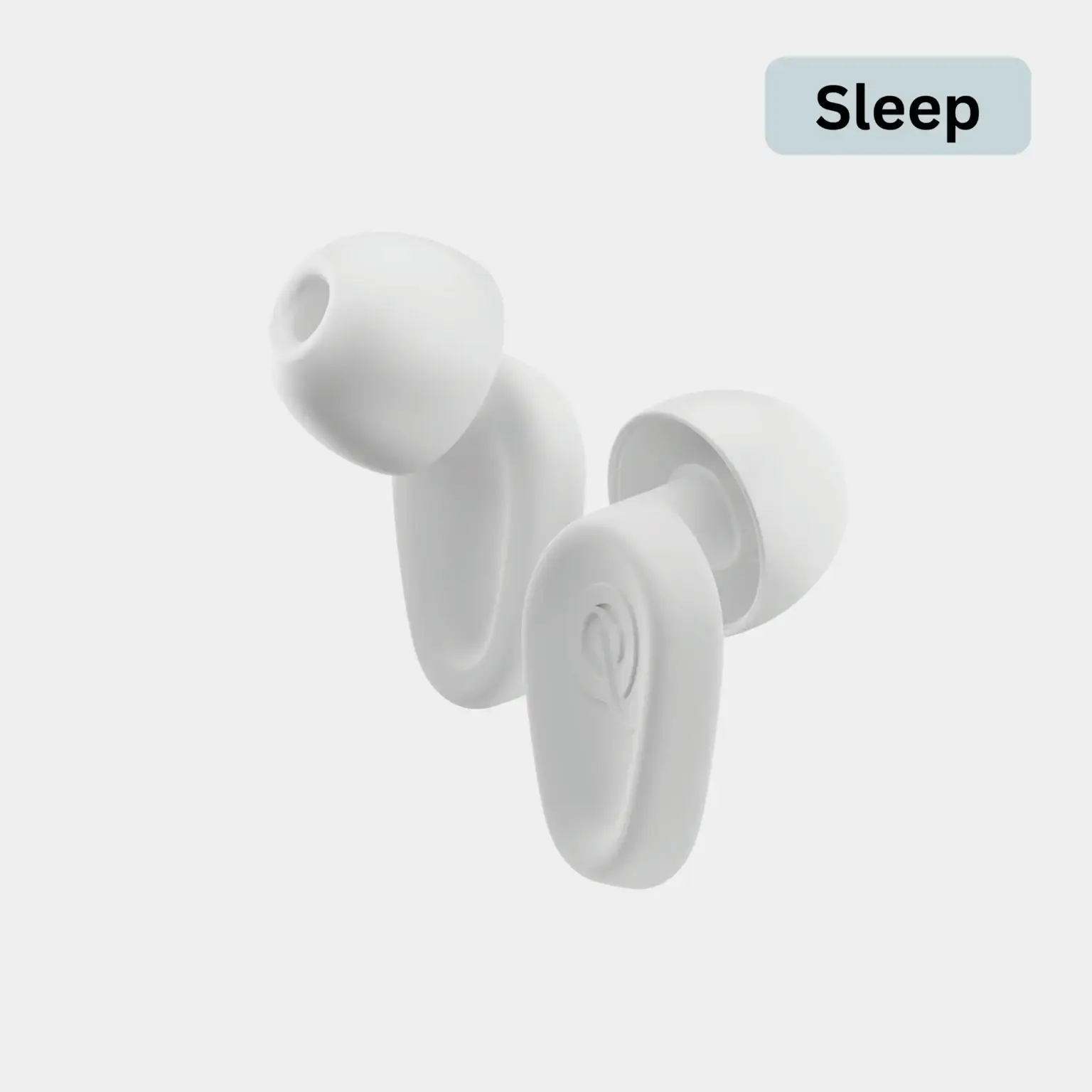
For shoppers who want a more intentional solution, this is where a comfort-driven, low-profile design stands out. A sleep-focused reusable earplug from a brand like Earmuffz is built around long wear, fit control, and everyday usability – which is exactly what snoring nights demand.
So, do earplugs help with snoring?
Yes, in many cases they do. They will not cure snoring, nor will they create perfect silence. But they can cut noise, reduce wake-ups, and help you reclaim your side of the bed without turning sleep into a nightly battle.
The real win is control. When your room feels too loud, the right earplugs can bring it back into range. And sometimes that is all it takes to finally fall asleep before the next snore lands.