





How to Improve Focus and Productivity at Work
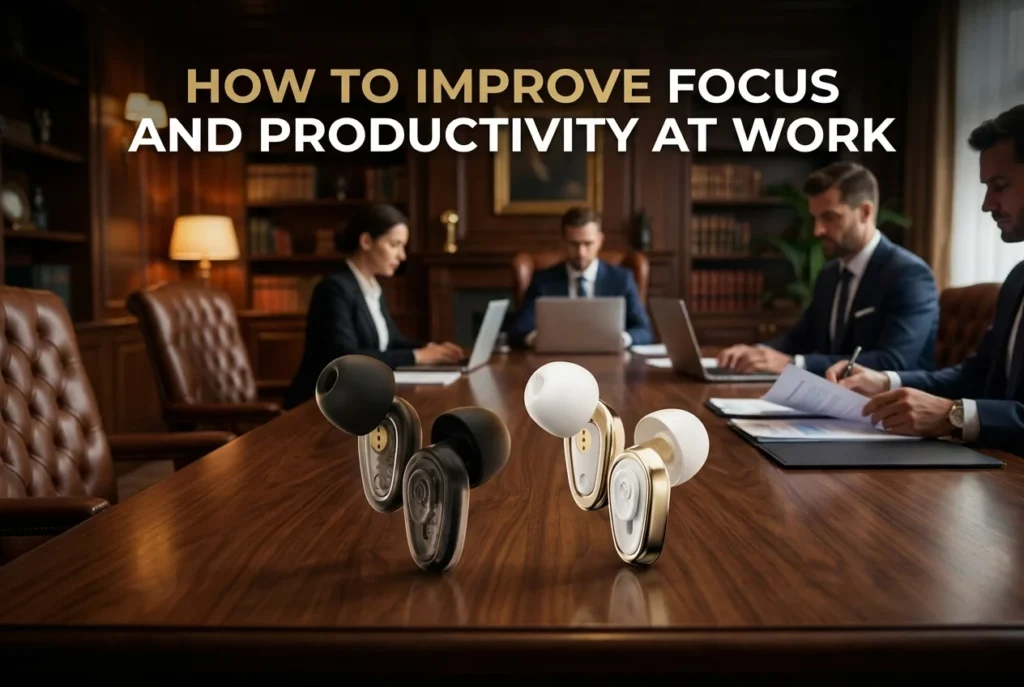
The fastest way to lose an hour at work is to let your attention get pulled in ten directions at once. A ping here, a loud conversation there, one “quick” question, and suddenly the task that should have taken 20 minutes is still open at 4 p.m. If you’re wondering how to improve focus and productivity at work, the answer is usually not to work harder. It’s getting better control over your environment, your energy, and your attention.
Focus is performance. Productivity is the result. When people talk about getting more done, they often jump straight to apps, hacks, and time-management systems. Those can help, but they are not the foundation. The real foundation is distraction control. If your brain keeps getting interrupted by noise, notifications, and mental overload, no planner is going to save the day.
How to improve focus and productivity at work starts with friction
Most workdays are full of invisible friction. It might be the HVAC hum you barely notice until you realise you’re tense. It might be office chatter, traffic outside your window, a TV in the next room, or the cognitive drag of switching between email, meetings, and deep work every few minutes. Small interruptions feel harmless. In reality, they stack up fast.
That matters because attention has a reset cost. Every time you stop to check a message or react to a sound, your brain has to reorient. Some people can bounce back quickly. Many can’t, especially when the work requires writing, planning, analysis, coding, design, or careful decision-making. In those cases, productivity is less about speed and more about protecting uninterrupted blocks of thinking time.
This is where much of the advice misses the mark. It tells you to be more disciplined without changing the conditions around you. But discipline works better when your setup supports it. Reduce the number of things competing for your brain, and focus stops feeling like a fight.
Start with the noise you can control
Noise is one of the most underestimated drains on workplace performance. You do not need a painfully loud environment for noise to hurt concentration. Even moderate background sound can fragment attention, increase fatigue, and make simple tasks feel harder than they should.
Open offices are the obvious example, but this isn’t just an office problem. Remote workers deal with barking dogs, apartment noise, road traffic, family activity, and shared spaces. Commuters arrive already overstimulated. Parents working from home are often trying to think clearly in environments that were never designed for concentration.
You do not need total silence. In fact, some people find complete silence uncomfortable. What you need is controlled input. The goal is to reduce unnecessary noise so your brain can stop monitoring everything around you.
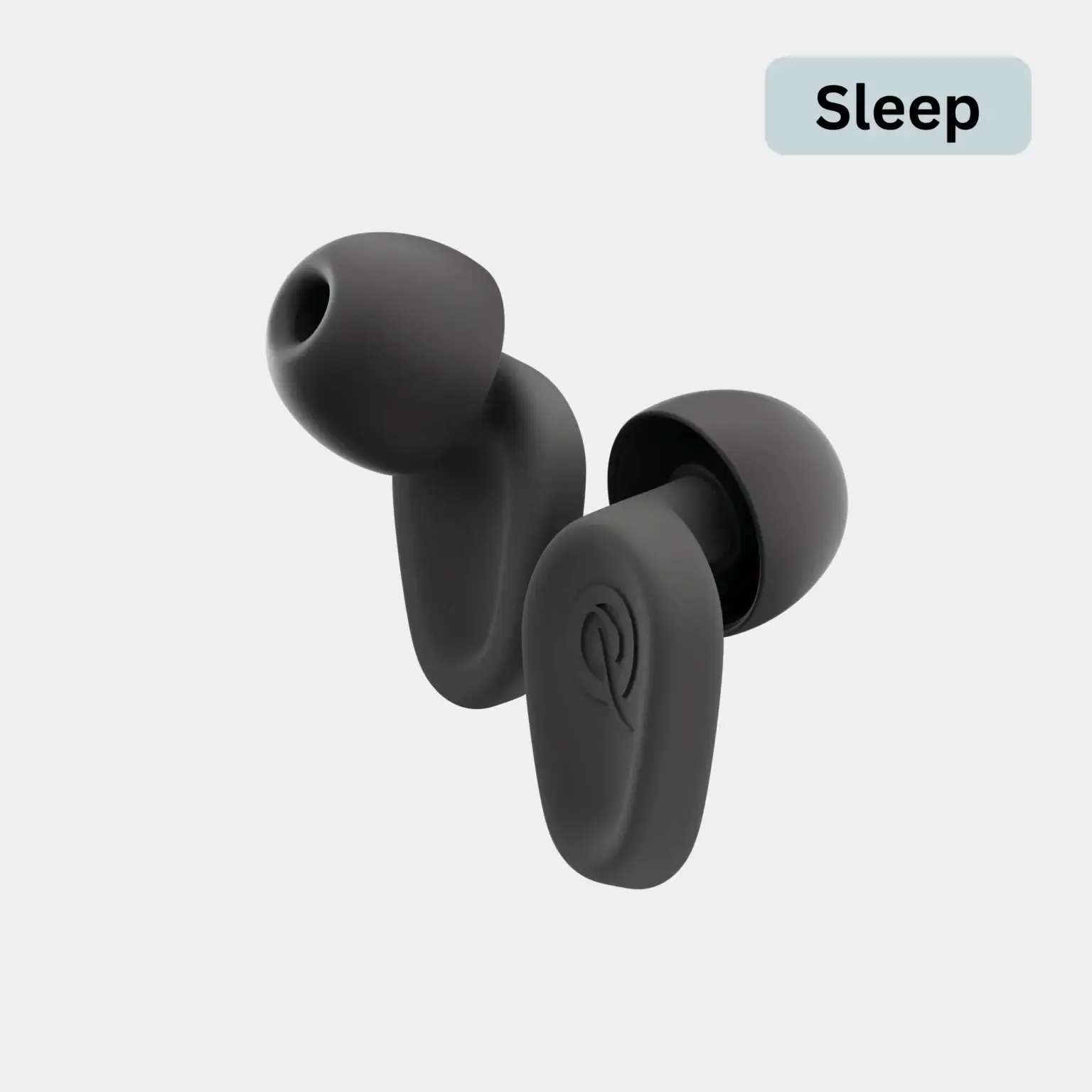
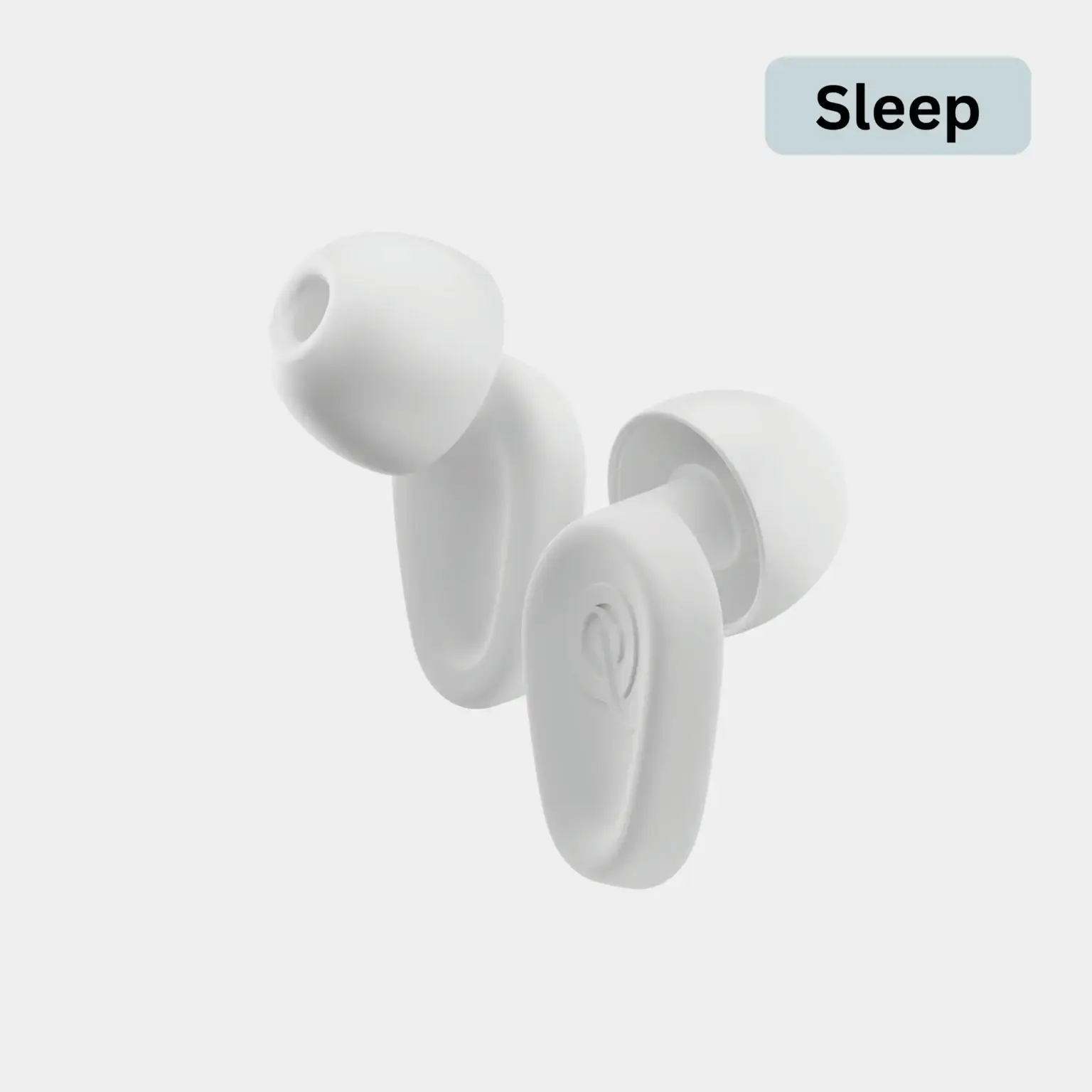
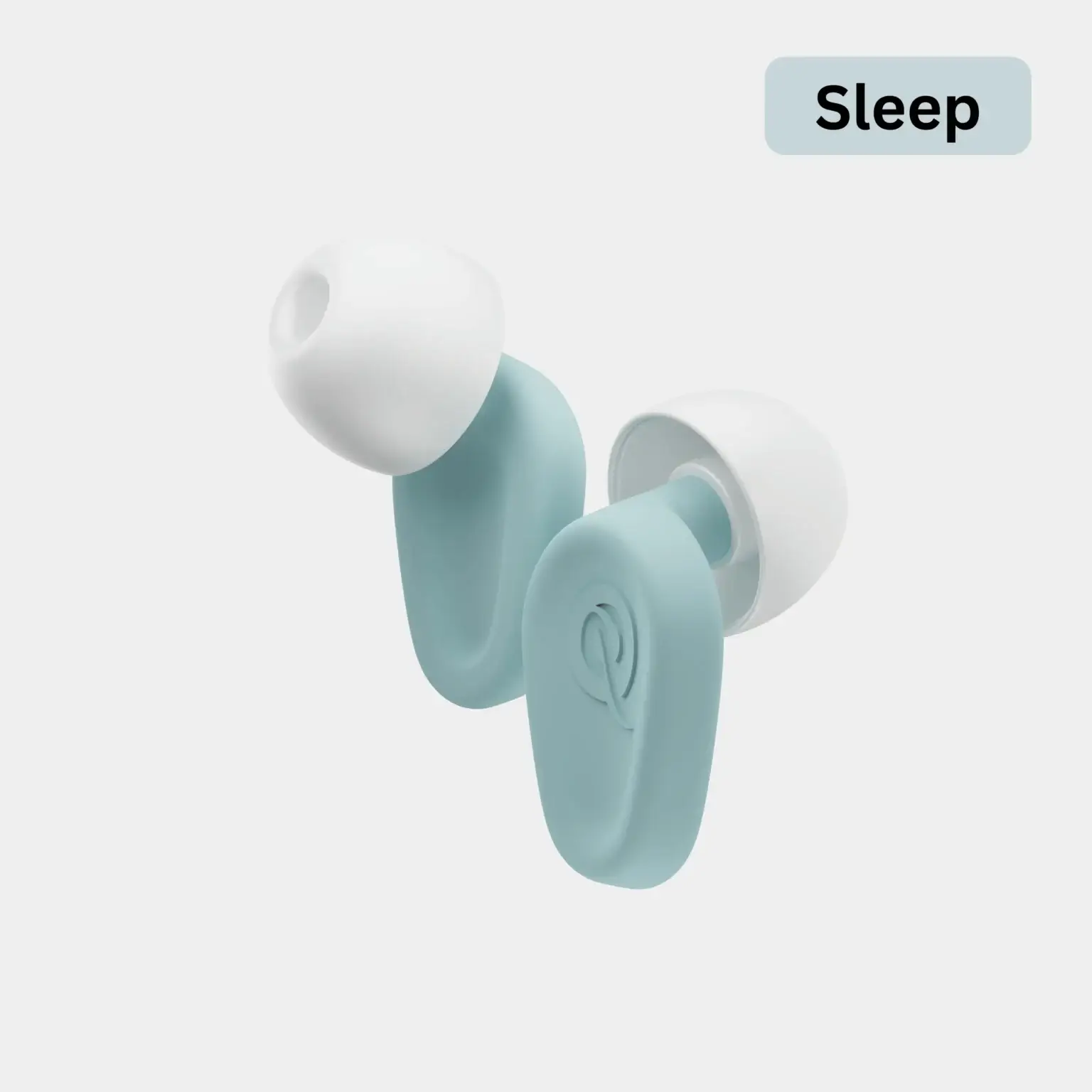
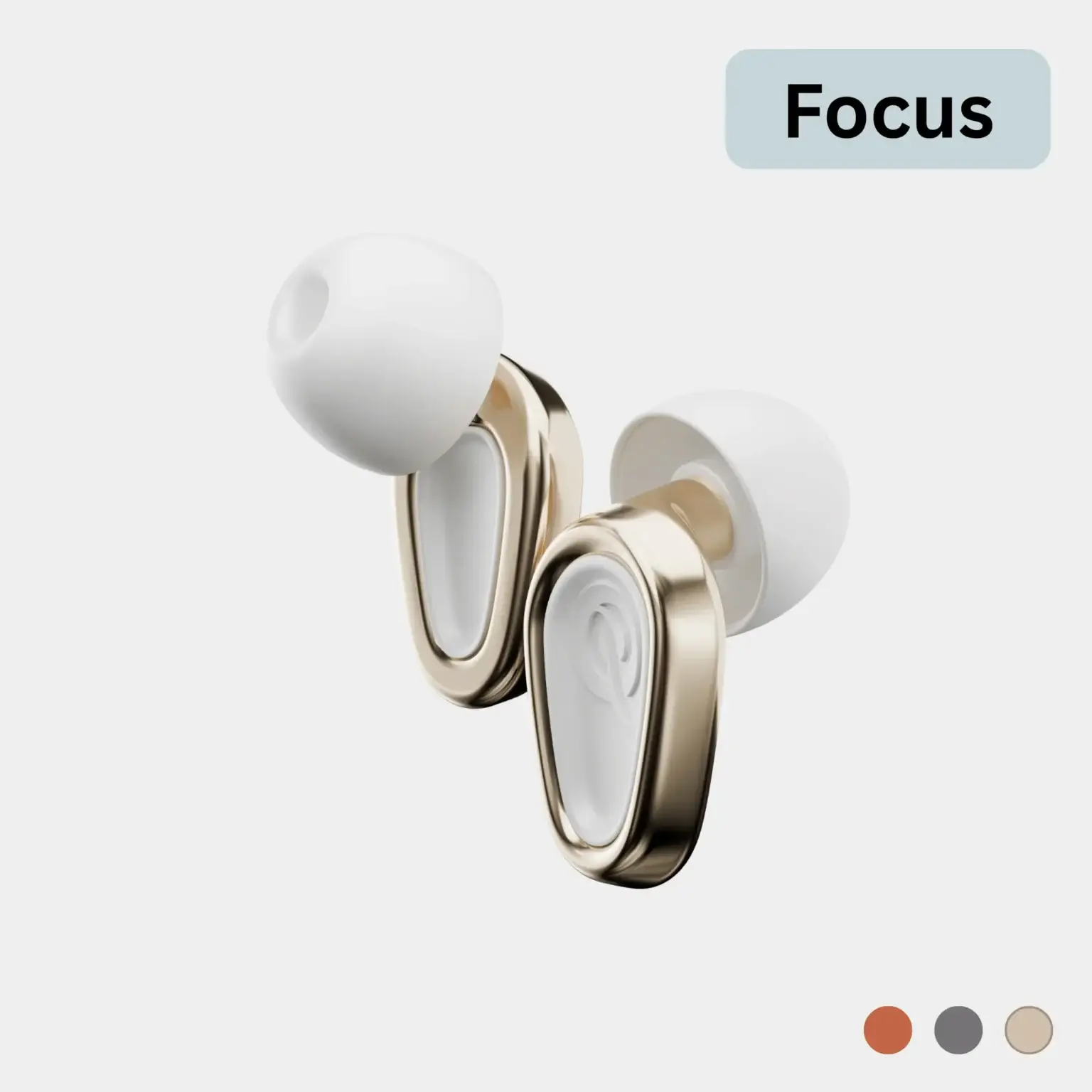
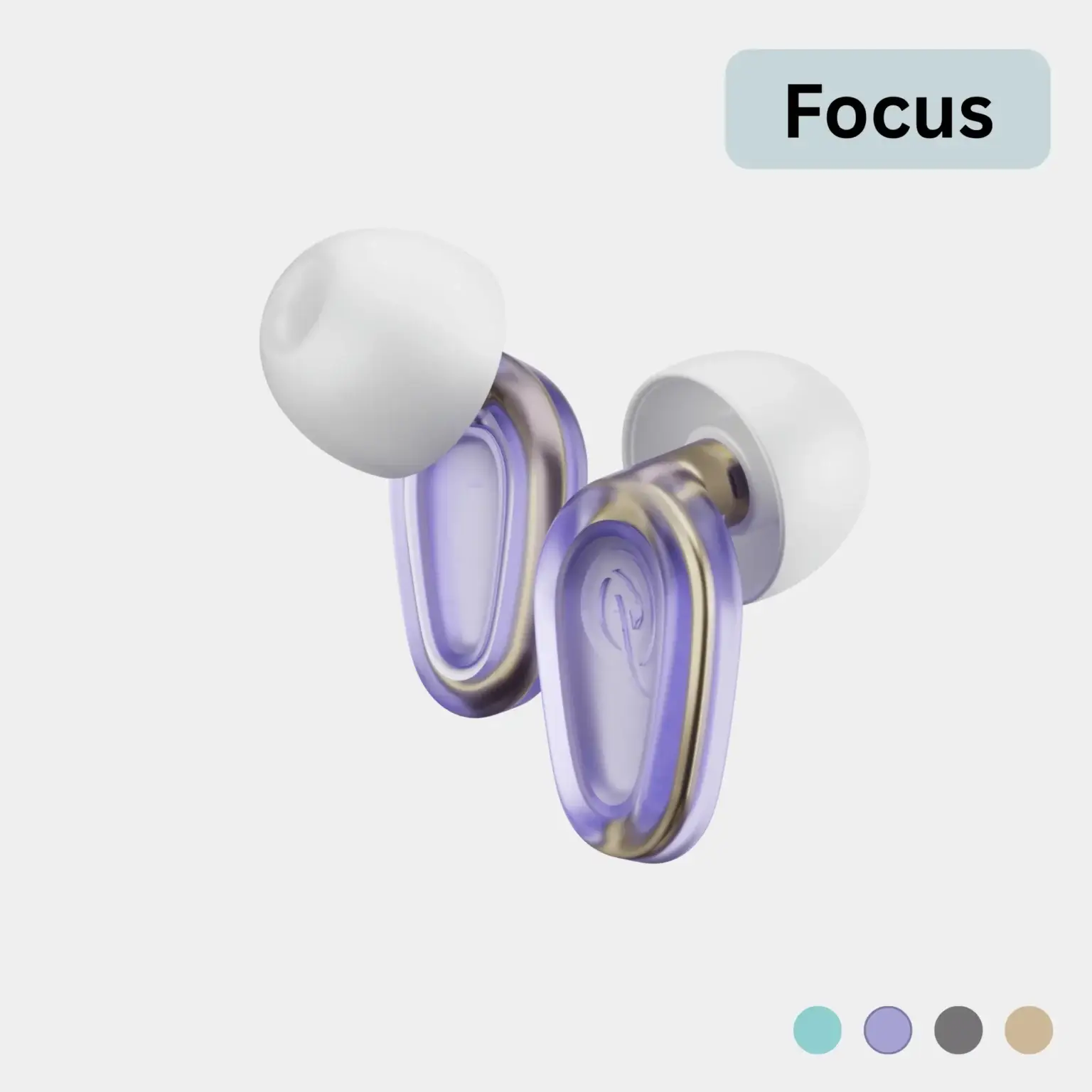
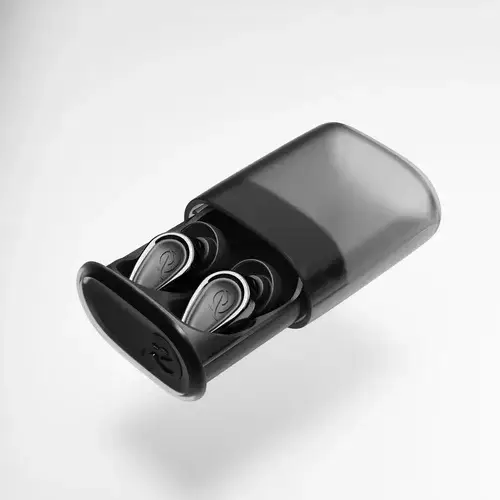
For some people, that means closing a door or moving desks. For others, it means using noise-reduction tools that are comfortable enough to wear through focused work sessions. Low-profile reusable earplugs can be a smart option when you want fewer distractions without the bulk of over-ear protection or the fatigue that can come from blasting audio through headphones all day. The best setup depends on your environment, but the principle stays the same: if noise keeps breaking your concentration, treating it like a performance issue is not overreacting. It’s smart.
Build a workday around focus modes, not just tasks
A to-do list is useful, but it does not tell you what kind of attention each task needs. That is where many people get stuck. They schedule by task, ignoring cognitive demand.
A better move is to sort your day into focus modes. Deep work requires uninterrupted concentration. Shallow work includes admin, messages, scheduling, and routine follow-up. Collaborative work includes meetings, calls, and quick alignment. Once you see those categories clearly, it becomes easier to stop mixing them.
If you try to do deep work while also staying available for every email and chat alert, your brain stays on standby. You may look busy, but your output drops. It is more effective to give each mode its own lane. Protect one or two blocks each day for the work that needs real thinking. Batch the reactive stuff into shorter windows.
This does not mean every job allows long stretches of quiet. Some roles are built around responsiveness. But even then, you can usually create more structure than you think. A 30-minute protected block is better than none. Two windows for email are better than checking all day. Productivity improves when your attention knows what game it is playing.
Make context switching expensive
Most distractions win because they are easy. One glance at your inbox becomes ten minutes. One quick scroll during a mental break turns into a split-attention loop that follows you back to work. If you want to improve focus, add friction to the things that pull you off track.
Put your phone out of reach during deep work. Turn off nonessential notifications. Close tabs that do not support the task in front of you. Keep your desk visually clean enough that it does not keep prompting new thoughts. These are small moves, but they change behaviour because they make distraction less automatic.
There is a trade-off here. If your job requires rapid communication, going fully offline may not be realistic. In that case, create filters instead of hard walls. Let urgent contacts through. Mute the rest while you work. Focus is not about pretending the world does not exist. It is about deciding what deserves access to your attention right now.
Protect your energy or your focus will collapse
People often treat focus like a pure willpower problem. It isn’t. Attention runs on energy. If your sleep is poor, your stress is high, and your environment is overstimulating, your concentration gets hit before the work even starts.
That is why productivity habits need to be physically realistic. Start with the basics that have the biggest payoff: enough sleep, steady hydration, and breaks before you feel fried. Skipping breaks can feel productive in the moment, but performance usually drops once your brain starts grinding.
Short resets work better than people think. Stand up. Walk for a few minutes. Get away from input. Reduce sensory load instead of replacing work stress with more stimulation. If your day is packed with calls, screens, and noise, a quieter reset can help your brain recover faster than another scroll or another coffee.
This is also why comfort matters. If a focus tool is irritating, bulky, or hard to wear for long periods, you probably won’t keep using it. The best productivity system is the one you can actually repeat.
Create visual signals that protect your attention
One challenge at work is that interruptions are often social, not just digital or environmental. Coworkers mean well. Family members mean well. But “got a sec?” is a classic focus killer.
A clear signal can help. That might be a blocked calendar window, a status message, a closed door, or a consistent routine that tells people when you’re in concentration mode. If you work in shared environments, discreet noise-control gear can also send a useful cue that you’re not available for casual interruptions.
This does not need to be rigid or unfriendly. The point is to set expectations. People usually respond well when they know when you’ll be reachable. Boundaries feel less personal when they are predictable.
How to improve focus and productivity at work when you’re overloaded
Sometimes the problem is not distraction. It’s an overload. You cannot focus on everything at once, and trying to do that creates a constant feeling of being behind.
When that happens, clarity beats intensity. Cut the day down to the few outcomes that matter most. Ask what actually moves work forward, what can wait, and what should be delegated or dropped. Productivity is not doing the maximum number of things. It’s doing the right things without burning your attention on low-value noise.
This is where many professionals get trapped by visible busyness. Answering messages feels productive because it is immediate. Deep work often feels slower because the payoff comes later. But the later payoff is usually where the real value lives.
If your environment contributes to the overload, address that too. A quieter workspace, fewer alerts, and better sensory control can lower the background stress that makes everything feel urgent. That is one reason modern noise-control tools have become part of some people’s work routine. They are not about checking out. They are about taking control.
You do not need a perfect routine to do better work. You need fewer leaks in your attention. Start with the biggest one, whether that is noise, notifications, poor boundaries, or constant task switching. Fix that first. Once your brain gets a little more room, focus comes back faster than you think.